Understanding Common Garden Pests: Identification and Prevention Strategies for New Gardeners
The Importance of Pest Identification in Gardening
Gardening is not just a hobby; it’s a labor of love that connects individuals with nature. As a gardener, you nurture the soil, plant seeds, and tend to your green companions, eagerly awaiting their growth. Yet, with this joy comes the challenge of common garden pests, which can threaten to undermine all your hard work. These uninvited insects and creatures can be particularly devastating, especially when their presence goes unnoticed.
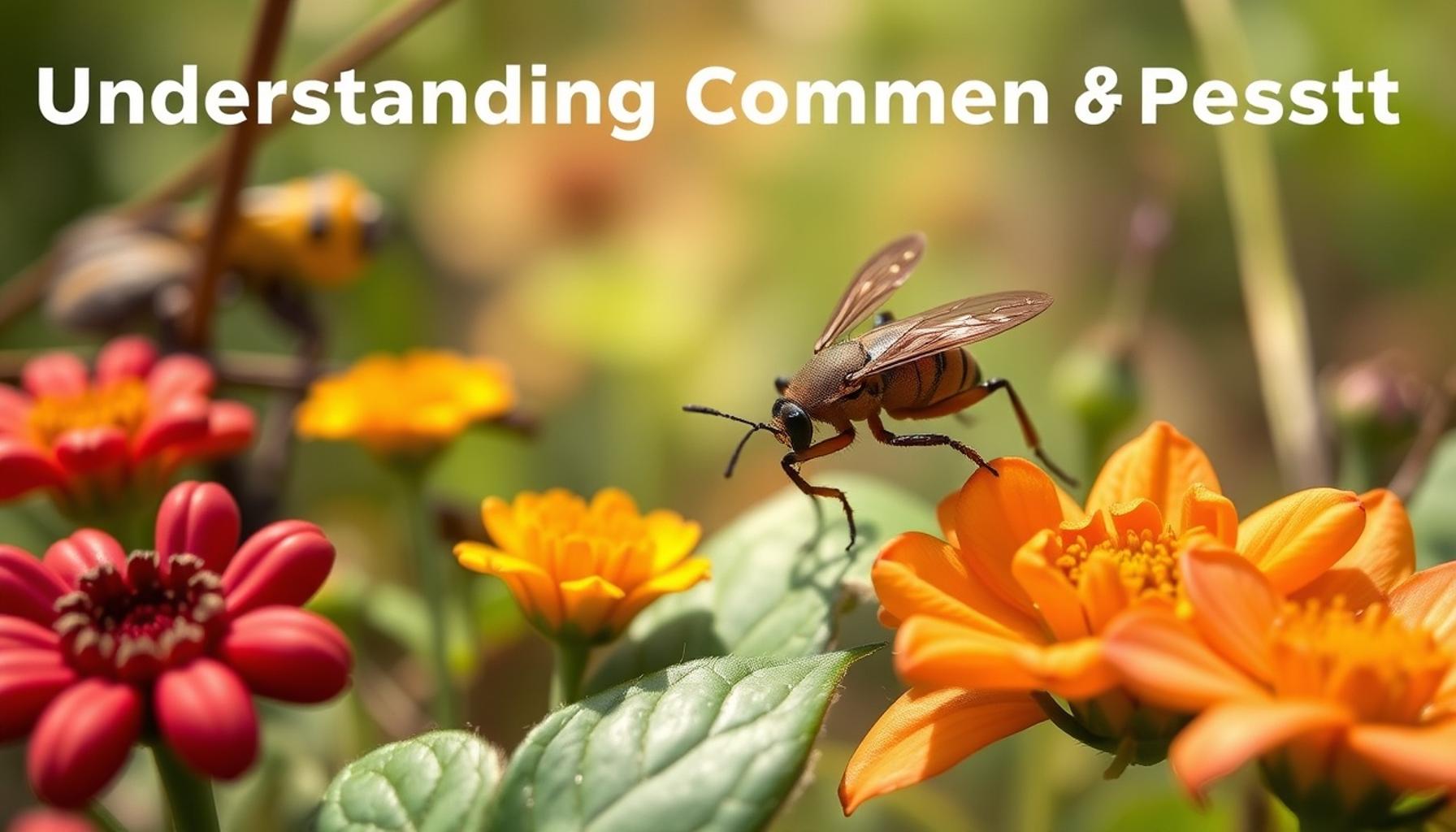
To safeguard your dreams of a flourishing garden, understanding the identification of these pests becomes crucial. A few pests to be on the lookout for include:
- Aphids: These minute green or black insects congregate on new plant growth, feeding on the sap. Their voracious munching can lead to wilting and stunted growth. As social insects, they often signal the arrival of larger pest problems in your garden.
- Snails and slugs: These slimy mollusks thrive in damp conditions and can devastate young plants by creating ragged holes in their leaves. They are nocturnal feeders, so you may only notice their damage until morning.
- Spider mites: Although tiny and hard to spot, these arachnids can inflict severe damage under hot, dry conditions. Look for webbing on the undersides of leaves and stippling damage, which appears as small yellow or brown spots.
- Whiteflies: These small, winged pests often congregate on the undersides of leaves. They secrete a sticky residue called honeydew, which can lead to the development of sooty mold, inhibiting photosynthesis.
Effective Prevention Strategies
Once you’ve identified these pests, the next step is to implement effective prevention strategies. Simple changes in gardening practices can make a significant difference in maintaining pest-free plants. Some strategies to consider include:
- Cultural controls: Regularly rotating your crops helps disrupt the life cycles of pests. Healthy soil also plays a critical role; enriching it with organic matter can improve plant resilience against pest infestations.
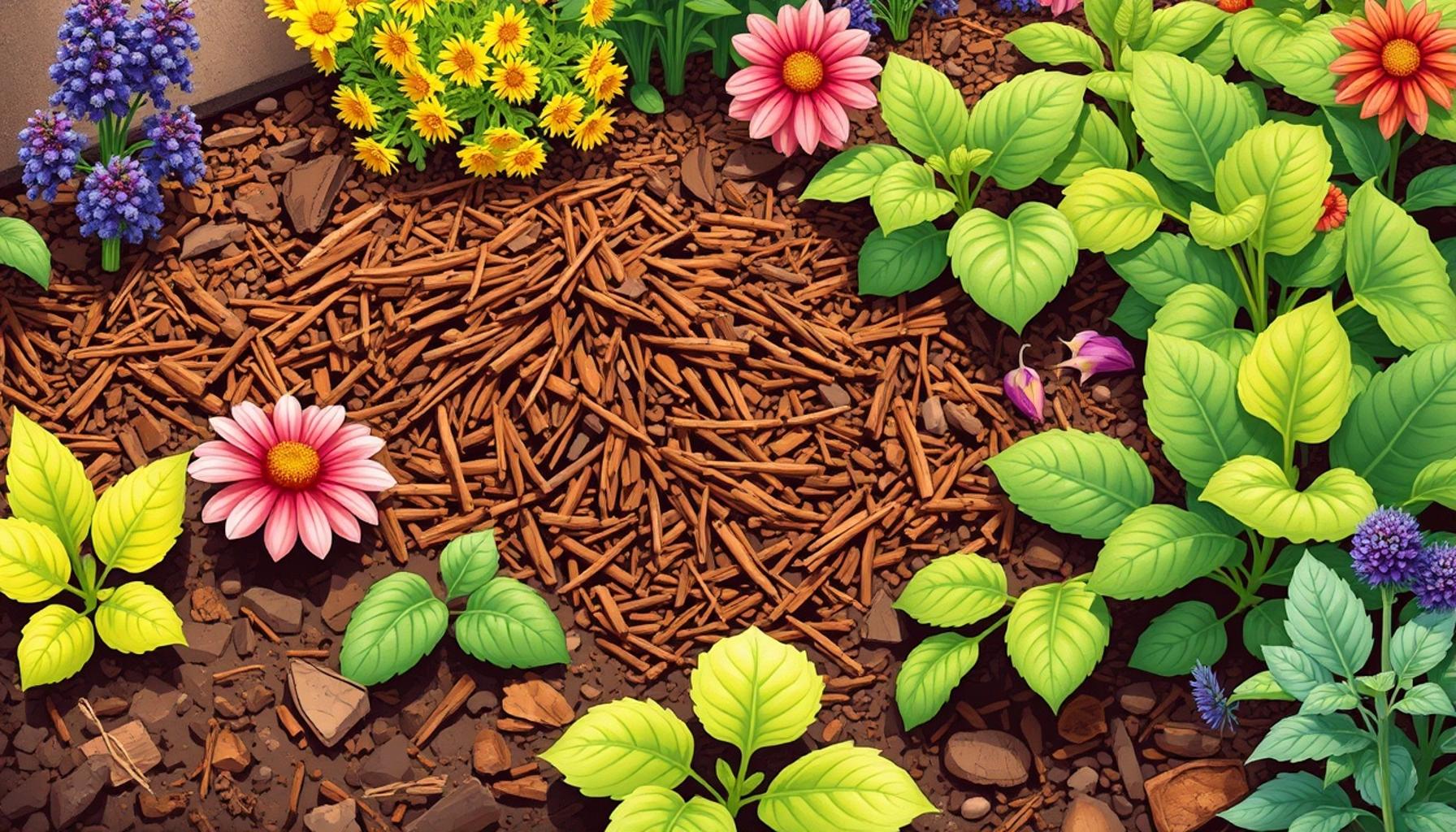
- Physical barriers: Utilizing row covers can physically block pests from reaching your plants while also offering protection from extreme weather. Organic mulch not only enriches the soil but also acts as a barrier against snails and slugs.
- Natural predators: Introducing beneficial insects into your garden is an eco-friendly tactic. Ladybugs and lacewings are known voracious eaters of aphids, providing a natural balance in your garden ecosystem.
Understanding the various pests that could invade your garden and the tactics to prevent their damage empowers new gardeners to take charge of their gardening journey. By honing your identification skills and employing sound prevention measures, you can cultivate a thriving garden that reflects your dedication and passion for the art of gardening. This article aims to provide not just insights but also practical tools to ensure your garden flourishes, creating a sanctuary of beauty and productivity.
DIVE DEEPER: Click here to learn how to optimize your watering
Identifying Common Garden Pests: A Key to Successful Gardening
Knowing how to identify common garden pests is a vital skill for any new gardener looking to protect their hard-earned flora. Early detection is crucial, as many pests reproduce quickly and can wreak havoc in no time. Understanding their distinctive signs can help you take action before they cause irreversible damage. Below is a closer look at some pervasive pests you might encounter in your garden.
Aphids: The Silent Saboteurs
Aphids are small, soft-bodied insects that can often be found clustered on the undersides of leaves, sipping sap. A few can easily be overlooked, but populations can explode rapidly. Besides the direct damage they inflict—such as wilting and distorted growth—they also excrete a sticky substance known as honeydew, which attracts other pests and fosters fungal infections. New gardeners should regularly inspect their plants, especially new growth, to catch these pests before they multiply.
Snails and Slugs: The Garden’s Night Raiders
If you notice jagged holes in the leaves of your plants, chances are you’re dealing with snails or slugs. These mollusks thrive in damp conditions and tend to emerge at night to feast on tender foliage. They can be challenging to spot during the day, but their slimy trails can be an indicator of their presence. Applying a natural bait like beer traps or diatomaceous earth can help control their population effectively.
Spider Mites: The Tiny Invaders
Though spider mites are hardly visible to the naked eye, their damage can be significant. These tiny arachnids often prefer hot, dry conditions and can quickly weaken your plants. Look for signs such as fine webbing and stippling on the leaves. If you suspect spider mites, a strong jet of water will often dislodge them, but keeping your plants well-hydrated can also help prevent outbreaks.
Whiteflies: A Sneaky Threat
Whiteflies are notorious for infesting plants. Their small, white wings make them akin to tiny moths, and like aphids, they feed on the sap of plants. They often congregate on the undersides of leaves and can produce honeydew, leading to sooty mold. If you notice an unusually sticky residue on your plants, it may indicate an infestation. Sticky traps can be an effective method for monitoring and controlling their population.
By familiarizing yourself with these common pests and their telltale signs, you’ll be better equipped to act swiftly and prevent serious damage to your beloved garden. Remember, a proactive approach not only protects your plants but also enhances your gardening experience, turning potential pitfalls into opportunities to cultivate a thriving green space.
Identifying Common Garden Pests
Detecting pests is crucial for maintaining a healthy garden. New gardeners often find themselves overwhelmed by the variety of insects and diseases that can threaten their plants. Familiarizing oneself with the common garden pests will significantly enhance your ability to proactively manage infestations. Among the most notorious pests are aphids, spider mites, and caterpillars. Aphids are small, soft-bodied insects that can be green, black, or white. They typically cluster on the undersides of leaves, sucking the sap from plants and causing wilting. Spider mites, though not insects but arachnids, are visible through their fine webbing and can cause extensive damage by feeding on plant tissues. Caterpillars, the larval stage of butterflies and moths, are known for their ravenous appetites, often devouring leaves and fruits.
Prevention Strategies
Preventing pest infestations begins with proper garden maintenance. Implementing techniques such as crop rotation and introducing beneficial insects like ladybugs can significantly curb pest populations. Using organic insecticides as a last resort is advisable due to their lesser environmental impact. Another effective prevention strategy is to regularly inspect your plants for signs of pests. Early detection allows for swift action to limit damage. Intercropping, where different plant species are grown in proximity, can disrupt pest life cycles, providing a natural deterrent. Furthermore, maintain a balanced ecosystem by allowing native plants to thrive, as they can attract beneficial insects that naturally control pest populations. Emphasizing plant health through adequate watering and nutrition can enhance resilience against pests.To delve deeper into the identification and prevention strategies of various garden pests, refer to the following table:
| Type of Pest | Identification and Prevention |
|---|---|
| Aphids | Look for clusters on leaves. Use insecticidal soap to control infestations. |
| Spider Mites | Detect webs and stippling on leaves. Increase humidity levels to deter them. |
| Caterpillars | Look for leaf damage. Hand-pick and remove or use Bacillus thuringiensis (Bt). |
Employing these strategies will not only protect your garden but will also enrich your gardening experience as you discover effective ways to nurture your plants.
DIVE DEEPER: Click here to discover the vital role of water quality
Common Garden Pest Control: Strategies Every Gardener Should Know
Now that you are familiar with the characteristics and signs of common garden pests, understanding effective prevention strategies is essential for maintaining a healthy garden. Taking a proactive approach not only reduces the need for chemical pesticides—many of which can harm beneficial insects—but also creates a more sustainable environment for your plants. Here are some tried-and-true methods to prevent pest infestations.
Companion Planting: Nature’s Pest Control
One engaging way to promote a healthy garden ecosystem is through companion planting. This method involves growing certain plants near each other to naturally deter pests. For instance, planting marigolds can help repel nematodes and aphids due to their strong scent. Similarly, basil is known to confuse flies and mosquitoes. Identifying beneficial plant pairings can not only enhance your garden’s aesthetic but also improve the health and resilience of your plants.
Crop Rotation: Disrupting Pest Lifecycles
Crop rotation is another effective strategy, especially for vegetable gardens. By changing the type of plant grown in a specific area each season, you disrupt pest lifecycles. For example, if you grow tomatoes one year, you might choose to plant beans or peas the next. This disrupts any pest populations that have laid eggs or become established; subsequently reducing the chance of re-infestation. Rotate your crops regularly to maintain soil health and minimize pest problems.
Physical Barriers: Keeping Pests at Bay
Using physical barriers such as row covers, nets, or floating row covers can be an immediate, non-toxic method to protect your garden. These barriers are designed to prevent adult pests from accessing your plants while still allowing sunlight and moisture to reach the foliage. Additionally, placing copper tape around raised garden beds can eliminate snails and slugs, as the metal reacts with their slime, creating a mild electric shock that repels them.
Natural Predators: Encouraging Wildlife
Incorporating a variety of plants can attract natural predators to your garden, such as ladybugs, lacewings, and birds, which feast on common pests. Planting flowers such as dill, yarrow, and fennel can create a welcoming habitat for these beneficial insects. Creating insect hotels or adding a small water feature can further attract birds and beneficial predators. By fostering a balanced ecosystem, you encourage the natural regulation of pest populations.
Regular Monitoring and Maintenance: The Key to Prevention
Finally, maintaining a consistent monitoring routine is crucial for preventing pest outbreaks. Regularly inspect your plants for signs of pests or stress, such as browning leaves or webbing. An early intervention often saves much more time and effort than trying to combat a widespread infestation. Establish a weekly or bi-weekly pest management schedule to make it a part of your gardening routine.
By implementing these preventive strategies, you can build a robust defense against common garden pests, allowing your plants to thrive. Taking steps to educate yourself further on pest management can transform your gardening experience, providing you with the tools to create a flourishing sanctuary right in your backyard.
LEARN MORE: Click here to discover how to set up your own home irrigation system
Conclusion: Embracing a Pest-Resilient Gardening Journey
As new gardeners embark on their journey to cultivate vibrant and healthy plants, understanding common garden pests is vital for long-term success. By being equipped with the knowledge to identify these pests early, you can take strategic actions to mitigate their impact on your garden. Furthermore, implementing diverse prevention strategies like companion planting, crop rotation, physical barriers, attracting natural predators, and maintaining consistent monitoring can create a thriving ecosystem that nourishes your plants while limiting pest populations.
Gardening is an ongoing learning experience, and as you grow, so does your understanding of the delicate balance between plants, pests, and beneficial organisms. Engaging in sustainable practices fosters not only a healthy garden but also contributes positively to the environment. For instance, using organic methods reduces reliance on chemical treatments, allowing beneficial insects and microorganisms to flourish alongside your plants. Moreover, as you refine your methods and observe the results, you will gain invaluable insights that can make your gardening endeavors even more rewarding.
In addition, keeping yourself updated with the latest findings in pest management will further enhance your skills. Consider joining gardening clubs or online forums to share experiences, challenges, and successes with fellow gardeners. By embracing the multifaceted nature of pest management, you enable your garden to flourish while transforming your backyard into a green sanctuary.
Ultimately, understanding common garden pests is not merely about eradicating threats; it is about nurturing your gardening passion and embracing the wonders of nature. So grab your gardening gloves, delve into the world of plant care, and watch as your hard work yields bountiful rewards.