Natural Pest Control Methods for Beginner Gardeners: Keeping Your Home Garden Healthy Without Chemicals

The Allure of Natural Pest Control
Gardening can often feel like an art form, requiring attention, passion, and a great deal of persistence. Yet, the appearance of pests can quickly transform this creative endeavor into a frustrating battle. For those cultivating their first home gardens in the United States, the instinct might be to reach for powerful chemicals that promise swift results. However, choosing to implement natural pest control methods can lead to healthier plants and a more balanced ecosystem.
One of the most compelling reasons to adopt natural pest control is safety. Traditional pesticides are laden with chemicals that can harm not only pests but also humans and pets. In fact, many conventional chemical treatments have been linked to serious health issues. Conversely, natural alternatives, such as neem oil or insecticidal soap, pose far less risk to humans and pets. Furthermore, these solutions are also much safer for beneficial insects, which play a crucial role in maintaining garden health.
Beyond safety, many gardeners underestimate the effectiveness of natural methods, believing that they can’t measure up to synthetic chemicals. However, there are numerous examples that debunk this myth. For instance, garlic and chili pepper sprays can be incredibly effective in deterring a variety of pests. Just a simple mixture of crushed garlic cloves, hot water, and a few drops of dish soap can create a spray that is as potent as any store-bought pesticide.
Another advantage of these eco-friendly techniques is that they are often cost-effective. Many natural solutions can be concocted using ingredients readily available at home. Items such as vinegar, baking soda, and essential oils can be easily utilized to create homemade pest deterrents. Moreover, engaging in community gardening or farming initiatives can further reduce costs while fostering a sense of community.
Popular Natural Pest Control Methods
Diving into the realm of natural pest management uncovers a myriad of strategies. Here are a few popular methods to consider:
- Companion planting: This method involves planting specific plants together to naturally ward off pests. For instance, marigolds are known for repelling nematodes and other pests when planted alongside vegetables.
- Homemade sprays: Many gardeners create their own pest control solutions from everyday household items. For instance, a mixture of soap and water can work wonders in eliminating aphids.
- Beneficial insects: Introducing beneficial insects such as ladybugs, lacewings, or parasitic wasps can help manage pest populations without harming the environment. These insects prey on common pests like aphids and caterpillars, keeping your garden in balance.
Embracing natural pest control not only nurtures a thriving garden but also aligns with sustainable practices that benefit the larger ecosystem. By incorporating these methods into your gardening routine, you can cultivate not only your plants but also a deeper connection with nature. As you explore these techniques, you may find that the journey of gardening becomes as rewarding as the harvest itself.
DISCOVER MORE: Click here for essential harvesting tips
Effective Strategies for Beginners
For beginners venturing into gardening, the prospect of managing pests can be daunting. However, getting familiar with natural pest control methods can transform your garden into a flourishing paradise without the drawbacks of harsh chemicals. These approaches not only help to combat pests but also support the health of your plants and the environment.
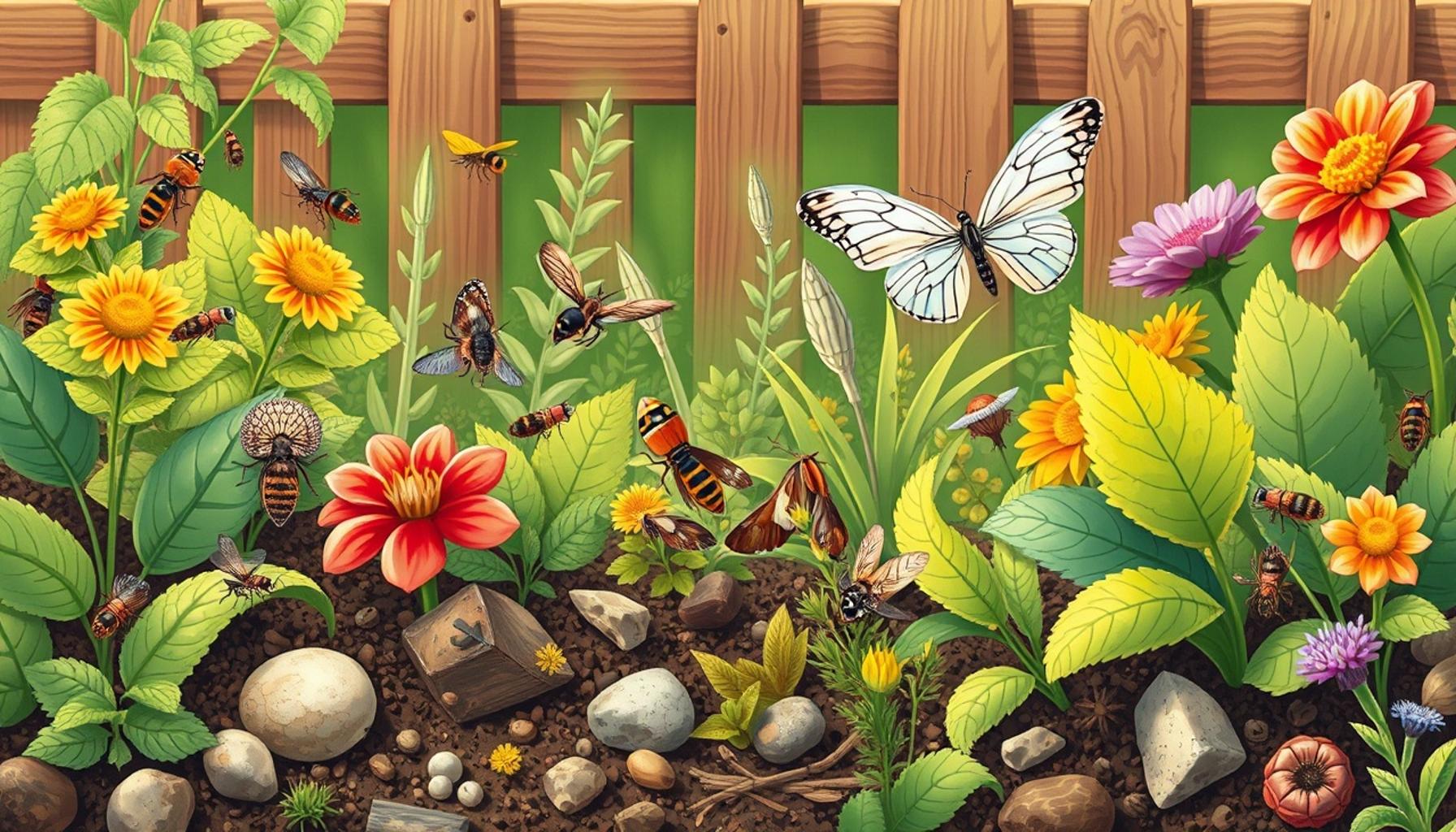
To begin with, understanding your garden’s ecosystem is essential. Every garden is home to a variety of insects, some of which are beneficial. For instance, ladybugs and bees play significant roles in pollination and pest control. Therefore, before taking action against perceived pests, it’s vital to identify which insects are present. This understanding allows you to implement targeted strategies that aid in maintaining the balance of your garden.
Another catchy and effective technique is companion planting. This method leverages the natural properties of different plants to create a synergistic effect. For example, planting basil near tomatoes can help repel tomato hornworms, while rosemary can deter cabbage moths when placed close to broccoli. By exploring various plant pairings, beginner gardeners can effectively reduce pest populations naturally while promoting growth in their crops.
In addition to companion planting, homemade sprays can be a gardener’s best friend. These mixtures are not only easy to create but can also be customized based on the specific pests you encounter. Here are some effective recipes:
- Soap Spray: Mix one tablespoon of liquid soap (not detergent) with one quart of water. Spray directly on pests like aphids and spider mites.
- Garlic Spray: Blend a few cloves of garlic with a quart of water, strain the liquid, and add a teaspoon of soap. This potent mixture repels various insects due to its strong odor.
- Chili Pepper Spray: Combine two tablespoons of chili powder with a quart of water, let it sit overnight, and then strain. The spiciness can repel many pests!
Utilizing beneficial insects for pest control is another effective strategy. Many gardeners find success by encouraging or purchasing beneficial species like lacewings and parasitic wasps, which help keep destructive pests like aphids and caterpillars in check. Creating a hospitable environment for these insects is essential; growing a variety of flowering plants provides them with food and shelter, enhancing their presence in your garden.
Employing these natural pest control methods not only aims to rid your garden of unwanted critters but also promotes biodiversity and sustainability. By effectively incorporating these strategies into your gardening practices, you will foster a positive relationship with nature while enjoying the beauty and health of your home garden.
Natural Pest Control Methods for Beginner Gardeners: Keeping Your Home Garden Healthy Without Chemicals
As beginner gardeners explore the world of home gardening, they often encounter various challenges, particularly pests. The good news is that there are multiple natural pest control methods available that not only protect your garden but also ensure a chemical-free growing environment. Understanding these methods is crucial for maintaining a vibrant and healthy garden. Below, we delve into some effective strategies to naturally combat pests.
| Technique | Benefits |
|---|---|
| Companion Planting | Utilizes beneficial plants to ward off pests and attract pollinators. |
| Diatomaceous Earth | A natural powder that desiccates pests on contact without harming beneficial insects. |
| Homemade Sprays | Simple formulations using soap, vinegar, or essential oils to deter harmful insects. |
| Beneficial Insects | Introducing insects such as ladybugs and lacewings that naturally prey on harmful pests. |
| Crop Rotation | Helps reduce pest populations and diseases by alternating crops each season. |
By employing these natural methods, beginner gardeners can effectively manage pests without the use of harsh chemicals, creating a safe and eco-friendly garden. Each method has its unique advantages, fostering a healthier ecosystem that promotes growth and sustainability. Engaging in practices like companion planting not only beautifies the garden but also enhances biodiversity, leading to a natural balance that repels pests effectively. Delving deeper into these techniques will empower you as a gardener to nurture plants healthily and sustainably.
DISCOVER MORE: Click here for essential watering tips
Creating a Balanced Ecosystem in Your Garden
In the quest for a thriving garden, the concept of *biodiversity* plays a pivotal role in natural pest control. By incorporating a diverse array of plant species, gardeners can attract beneficial insects while simultaneously deterring harmful pests. A varied palette of flowers, vegetables, and herbs not only provides aesthetic beauty but also creates a balanced ecosystem that safeguards your plants from pest invasions. For example, planting marigolds can serve dual purposes: their vibrant blossoms enhance garden appearance and they exude compounds that repel nematodes and certain beetles.
Regular garden maintenance is another critical component of natural pest control. *Weeding*, mulching, and proper sanitation practices help minimize hiding spots for pests while also reducing the likelihood of disease. Regularly checking your plants for early signs of pest infestations allows you to intervene promptly, often without needing to resort to sprays or traps. It’s also advisable to practice *crop rotation*; this technique involves changing the planting locations of certain crops each season, making your garden less predictable for pests that specialize in specific plants.
Trap Crops: A Ingenious Tactic
Another innovative approach to natural pest control involves using trap crops. These are plants grown specifically to attract pests away from your main crops. For instance, if you are growing zucchini and are concerned about squash bugs, you can plant a few rows of a preferred host plant like radishes or an alternate species that is irresistible to those pests. By drawing pests away, trap crops effectively protect your primary plants without the need for chemicals. Additionally, the *capture-and-release* method can be effective; releasing trapped pests away from your garden allows you to maintain a balance without exterminating them all together.
Understanding the Life Cycle of Pests
A deeper understanding of the life cycles of common garden pests can inform your control strategies. Many pests, such as aphids, go through several stages from egg to adult. Timing your interventions based on these cycles—like applying homemade sprays when pests are most vulnerable—can greatly enhance effectiveness. For example, targeting pests during their juvenile stages, when they are immobile and more susceptible, can diminish their populations considerably before they have a chance to become established.
Utilizing beneficial plants, commonly referred to as *pest-repelling plants*, can provide additional layers of defense. Plants such as dill, fennel, and mint naturally repel many pests while also attracting beneficial insects. For beginner gardeners, interspersing these pest-repelling plants throughout the garden can create a more harmonious environment that minimizes harm from pesticides.
Establishing Healthy Soil
Lastly, never underestimate the importance of healthy soil. Healthy soil not only supports robust plant growth but also naturally equips plants to withstand pest pressures. Using organic compost, practicing *no-till gardening*, and incorporating mulch can improve soil quality dramatically. Strong plants with deep roots are more resilient to pests, making them less likely to fall victim to an infestation. Additionally, healthy soil nurtures beneficial organisms such as earthworms and microbes that contribute to the overall health of your garden ecosystem.
For beginner gardeners, exploring these natural pest control methods creates an enriching experience. As you cultivate your knowledge and create a more vibrant garden, you’ll discover the joy of tending to a flourishing landscape that thrives without the need for synthetic chemicals.
DISCOVER MORE: Click here for essential watering tips
Conclusion: Embracing Nature for a Thriving Garden
As we conclude our exploration of natural pest control methods for beginner gardeners, it becomes clear that cultivating a healthy and vibrant garden does not have to rely on chemicals. By embracing the principles of biodiversity, regular maintenance, and a deeper understanding of pest life cycles, novice gardeners can create an ecosystem that naturally resists pest invasion. The integration of trap crops serves as a clever tactic to divert pests, while the use of pest-repelling plants adds another layer of defense, enhancing the overall health of your garden.
Moreover, nurturing healthy soil is equally crucial, as it forms the foundation upon which strong plants grow—plants that are more resilient and able to fend off pests. Adopting sustainable practices, such as crop rotation and organic composting, not only enriches the soil but fosters a thriving habitat for beneficial insects, earthworms, and microbes. As gardeners embark on this journey, the real payoff extends beyond pest control; it encompasses an enriching experience of growth, connection with nature, and the joy of witnessing the fruits of their labor without chemical intervention.
Ultimately, the path toward organic gardening is not merely about eliminating pests but about fostering a rich biodiversity that promotes the vitality of your home garden. So, as you tend to your plants this season, let curiosity guide you; experiment with different methods, observe the results, and enjoy the profound satisfaction that comes from nurturing a garden that thrives in harmony with nature.