The Role of Beneficial Insects in Pest Management for Home Gardens
Understanding the Importance of Beneficial Insects
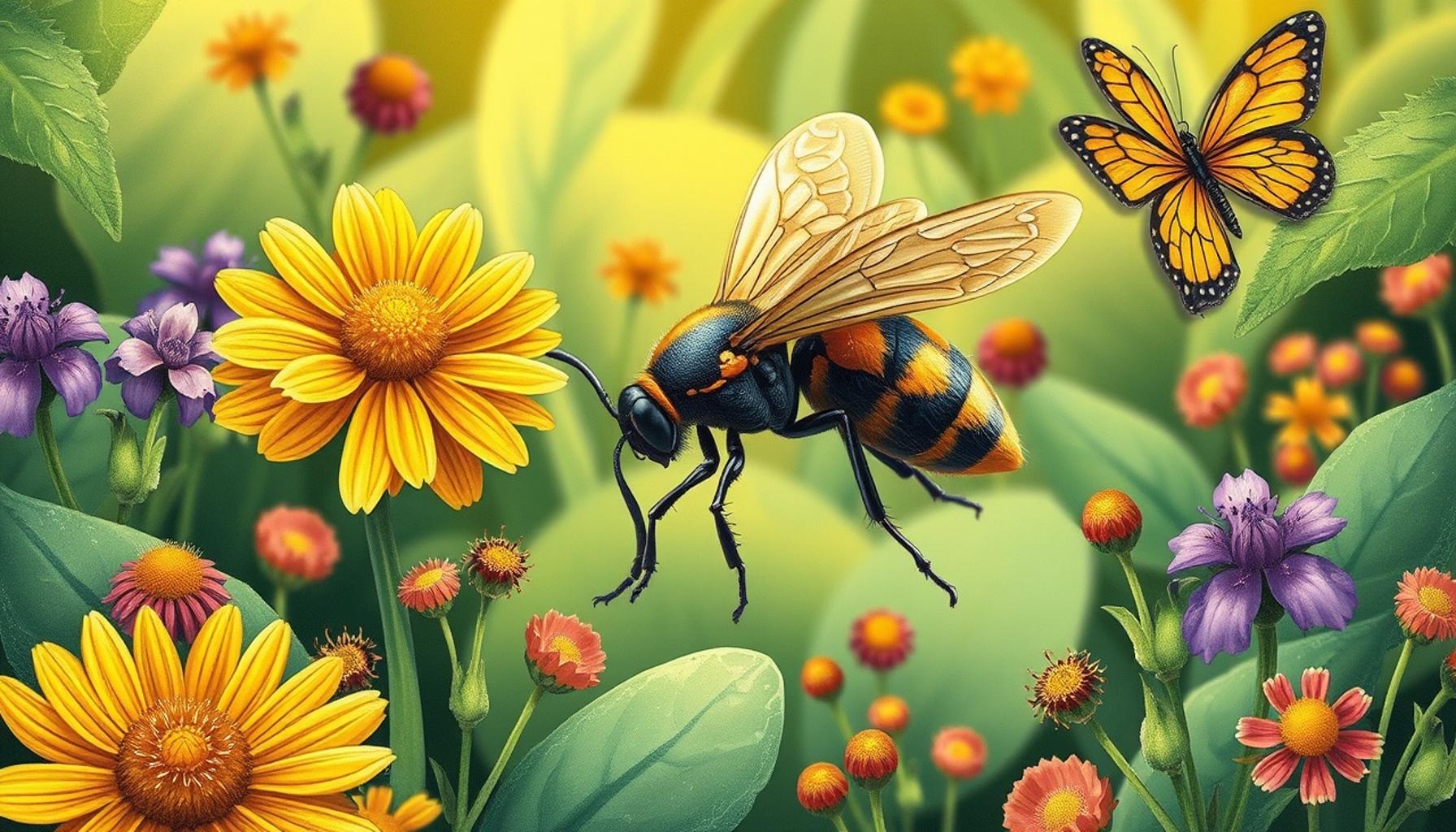
In every thriving home garden, there’s a silent army working tirelessly behind the scenes. These are the beneficial insects, and they play a crucial role in maintaining a healthy ecosystem. While many gardeners focus solely on controlling pests, it’s time to shift the spotlight to these unsung heroes, whose contributions often go unnoticed but are vital for sustainable gardening.
What Makes Beneficial Insects Essential?
Beneficial insects contribute to pest management in several essential ways, each unique to the roles they play:
- Natural Predators: Beneficial insects like ladybugs and lacewings act as natural predators, preying on common garden pests such as aphids, caterpillars, and spider mites. For instance, a single ladybug can consume up to 50 aphids in a day, significantly reducing pest populations and diminishing the need for chemical interventions.
- Pollinators: Many beneficial insects, including bees and butterflies, play a critical role in the pollination process. This interaction is essential for enhancing fruit and vegetable yields. Consider the honeybee, which is responsible for pollinating approximately one-third of the food consumed by humans, making their presence invaluable to home gardens.
- Soil Health: Certain insects, such as earthworms and beetles, improve soil aeration and nutrient cycling. Their activities help decompose organic matter, enriching the soil with essential nutrients that promote overall plant health. This natural process is far superior to synthetic fertilizers, fostering biodiversity in the soil.
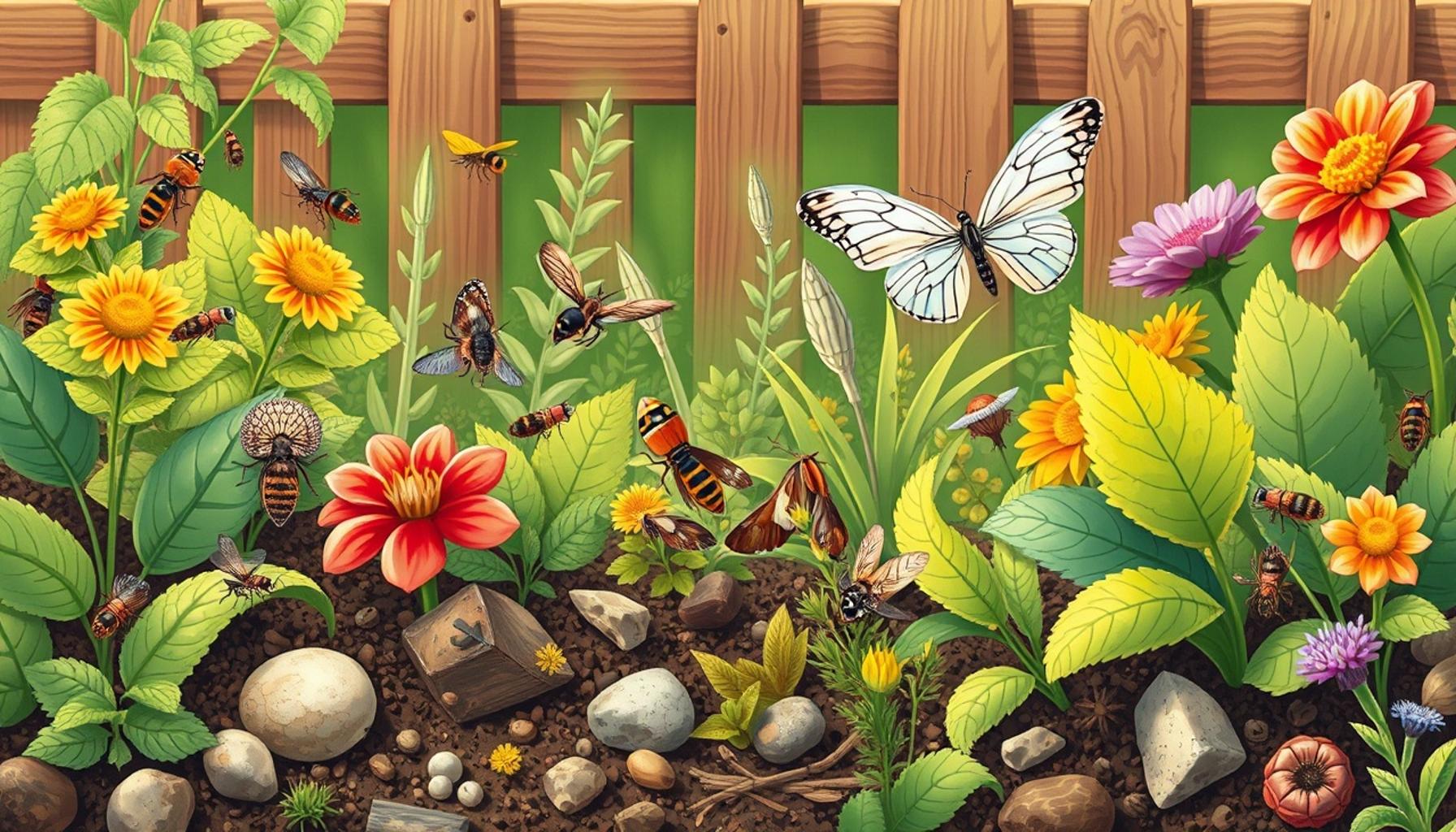
From tiny parasitoid wasps to striking dragonflies, beneficial insects come in various forms and sizes. Their presence signifies a balanced garden, where harmony prevails over chaos. By understanding their roles, gardeners can create an environment that naturally controls pests while thriving, proving that a little appreciation for these insects goes a long way.
Increasing Awareness and Action
As awareness grows about sustainable gardening practices, the importance of beneficial insects becomes clearer. Incorporating these creatures into pest management strategies can lead to substantial benefits:
- Reduction in chemical pesticide use, resulting in safer gardens for both humans and wildlife alike.
- Enhanced biodiversity, which is crucial for a resilient ecosystem. A diverse array of species can prevent the dominance of any single pest.
- Healthier plants that can compete better against diseases and pests without the need for harmful chemicals.
Embracing beneficial insects not only aids in pest control but also ensures long-term sustainability for home gardens across the United States. By learning about these insects and fostering their habitats—through practices like planting flowering plants for pollinators or providing shelter for predatory insects—gardeners can significantly improve their gardens’ health and productivity. In the evolving landscape of gardening, it is becoming increasingly important to consider these small allies as integral components of a successful and eco-friendly gardening strategy.
DIVE DEEPER: Click here to enhance your watering techniques
Harnessing the Power of Nature: Beneficial Insects in Pest Management
In the intricate web of a home garden ecosystem, beneficial insects perform roles that significantly impact plant health and pest control. By working naturally alongside flora and fauna, these insects provide solutions to common gardening challenges, and their presence often indicates a thriving environment. An understanding of how to leverage these natural allies can transform the way gardeners approach pest management.
Types of Beneficial Insects and Their Functions
To fully appreciate the contributions of beneficial insects, it’s essential to explore their specific types and functions in pest management:
- Predators: Predatory insects, such as ladybugs, lacewings, and minute pirate bugs, are essential for keeping pest populations in check. Ladybugs alone can consume thousands of aphids in their lifetime, serving as an organic alternative to chemical pesticides. Their role as natural exterminators makes them invaluable to gardeners who wish to adopt sustainable practices.
- Parasitoids: Some beneficial insects, particularly certain species of wasps, are parasitoids that lay their eggs inside or on the bodies of pest insects. As the larvae develop, they consume their host, effectively controlling pest populations such as caterpillars and beetles. This method not only reduces pest numbers but can eliminate entire populations over time, offering gardeners a long-term pest management solution.
- Pollinators: Pollination is critical for the reproduction of many plants, and beneficial insects like bees and butterflies play a pivotal role in this process. The efforts of these insects lead to higher yields of fruits and vegetables, directly benefiting home gardeners. By attracting and supporting these pollinators, gardens can enjoy robust growth and increased productivity.
- Decomposers: Beneficial insects such as earthworms and certain beetles contribute to soil health by breaking down organic materials. This process enriches the soil, facilitates nutrient cycling, and enhances moisture retention, which is critical for plant growth. Healthy soil is foundational for a thriving garden, emphasizing the significance of these insects beyond just pest control.
Understanding these various roles sheds light on the incredible benefits beneficial insects offer, not only for pest management but also for overall garden health. Gardeners can tap into the potential of these insects by creating a conducive environment for them to thrive. From planting native wildflowers that attract pollinators to providing habitat spaces for predatory insects, there are numerous strategies to enhance the presence of beneficial insects in home gardens.
Creating a Have for Beneficial Insects
One of the most straightforward yet effective methods to attract beneficial insects is through garden design. By integrating diverse plants, maintaining garden diversity, and minimizing pesticide use, garden owners can create habitats that support the life cycles of these natural allies. Additionally, practices such as mulching and composting not only improve soil quality but also provide habitats for beneficial insects, further enhancing their roles in pest management.
As the journey toward sustainable gardening evolves, acknowledging the roles of beneficial insects is paramount. By harnessing the natural power of these insects, gardeners can pave the way for healthier, more productive gardens that harmonize with nature.
| Advantage | Explanation |
|---|---|
| Natural Pest Control | Beneficial insects, such as ladybugs and lacewings, consume harmful pests like aphids and caterpillars, creating a balanced ecosystem in the garden. |
| Pollination | Insects like bees not only help reduce pest populations but also enhance plant fertility by pollinating flowers, leading to an increase in fruit yield. |
The utilization of beneficial insects in pest management delivers impactful results for home gardeners seeking sustainable methods. For instance, natural pest control lowers the necessity for chemical pesticides, thereby safeguarding biodiversity and ecosystem health. Moreover, fostering a garden environment that attracts these insects promotes more than just pest management. The dual role of pollination provided by certain beneficial insects contributes significantly to the productivity of your garden. Home gardeners eager to cultivate a flourishing and pest-resistant landscape should consider integrating strategies that support beneficial insect habitation. This involves maintaining a habitat that provides food and shelter, leading to a vibrant and self-sustaining garden ecosystem. Continued exploration of beneficial insects reveals their multifaceted roles in optimizing garden health, serving to educate gardeners on the importance of integrated pest management techniques. Engaging further with this topic, one uncovers diverse approaches to naturally-enhanced pest management, ultimately transforming personal gardening experiences and outcomes.
DISCOVER MORE: Click here to learn about effective irrigation techniques
Fostering Beneficial Insects: Strategies for Success
Beyond just understanding beneficial insects, gardeners can take actionable steps to foster these natural allies. Cultivating a garden that encourages the presence and proliferation of beneficial insects creates a more resilient ecosystem, which not only manages pests more effectively but also enhances overall plant vitality. Implementing strategic practices can invite a variety of beneficial insects to take up residence in your home garden.
Diverse Plant Selection
One of the most effective strategies for attracting beneficial insects is to create a diverse floral environment. Native plants are particularly effective, as they are well-adapted to local ecosystems and can serve as food sources for a variety of beneficial insects such as assassin bugs and hoverflies. By planting a mix of flowering plants that bloom at different times throughout the seasons, gardeners can ensure a continuous food supply for pollinators, predators, and parasitoids alike. Examples of such plants include marigolds, yarrow, and goldenrod, which attract beneficial insects while also complementing ornamental gardens.
Companion Planting
Companion planting offers an effective approach to naturally manage pests while enhancing plant health. By strategically placing plants that repel harmful insects near crops that are susceptible to pests, home gardeners can create a more balanced environment. For instance, planting nasturtiums alongside cabbages can deter aphids, which would normally target the cabbage. Similarly, pairing garlic or onion with roses can help repel pests that commonly plague flowering plants, encouraging beneficial insects to thrive without the interference of chemical treatments.
Maintaining Ground Cover
A robust ground cover acts as both a habitat and a food source. By utilizing clover or other ground-hugging plants, gardeners can create an ideal space for beneficial insects to reside and reproduce. Ground cover conserves soil moisture, suppresses weeds, and offers a safe environment for insects such as lacewings and beneficial spiders to thrive. This microhabitat can be particularly beneficial during dry seasons, ensuring these insects remain a vital part of the garden ecosystem.
Encouraging Natural Habitats
Gardeners can also provide natural habitats by integrating elements like insect hotels and undisturbed areas within the garden. Insect hotels, designed with various materials such as wood, bamboo, and straw, serve as nesting sites for solitary bees and other beneficial insects. Allowing a portion of the garden to grow wild can also invite beneficial insects, providing an essential refuge that supports their life cycles. This balance allows for a natural rotation of pest control without the need for internal pest deterrents.
Organic Practices and Reduced Chemical Use
Minimizing or completely eliminating chemical pesticides is crucial in fostering a healthy population of beneficial insects. Many conventional pesticides are non-selective, harming both unwanted pests and the beneficial insects that help control them. By employing organic practices such as integrated pest management (IPM) which emphasizes prevention and the combined use of cultural, mechanical, and biological methods, gardeners can maintain an effective pest control system while ensuring beneficial insects flourish.
By implementing these strategies, gardeners can create a vibrant ecosystem in their home gardens that supports beneficial insects. As awareness and usage of these practices increase, the traditional approach to pest management can shift towards a more ecologically balanced and sustainable future.
DISCOVER: Click here to learn more
Conclusion: Embracing Nature’s Pest Control
In conclusion, the role of beneficial insects in pest management for home gardens cannot be overstated. These natural allies provide a sustainable and effective means of controlling pests, reducing the reliance on chemical pesticides, and promoting a healthier ecosystem. By fostering a diverse array of plant species, engaging in companion planting, and maintaining natural habitats, gardeners can create environments that attract and sustain beneficial insects, all of which contribute to the vitality and resilience of their gardens.
Every responsible gardener has the opportunity to embrace these strategies, ensuring that their gardening practices align with ecological principles. With rising concerns about the environmental impacts of synthetic pesticides, turning to the beneficial insect population presents a viable solution that not only enhances biodiversity but also nurtures the garden’s overall health.
As the understanding of integrated pest management (IPM) evolves, so too does the recognition of the importance of beneficial insects within this framework. By prioritizing organic practices, limiting chemical usage, and allowing for a natural balance among pests and predators, home gardeners can cultivate thriving landscapes that reflect the beauty and harmony of nature. Ultimately, this shift toward sustainable gardening not only mitigates pest problems but also educates and inspires others about the wonders of biodiversity and its essential role in our food systems. Embracing beneficial insects is a meaningful step toward a healthier garden and a more sustainable future.