Edible Plant Selection: Growing Your Own Vegetables and Herbs at Home
Uncovering the Benefits of Home Gardening
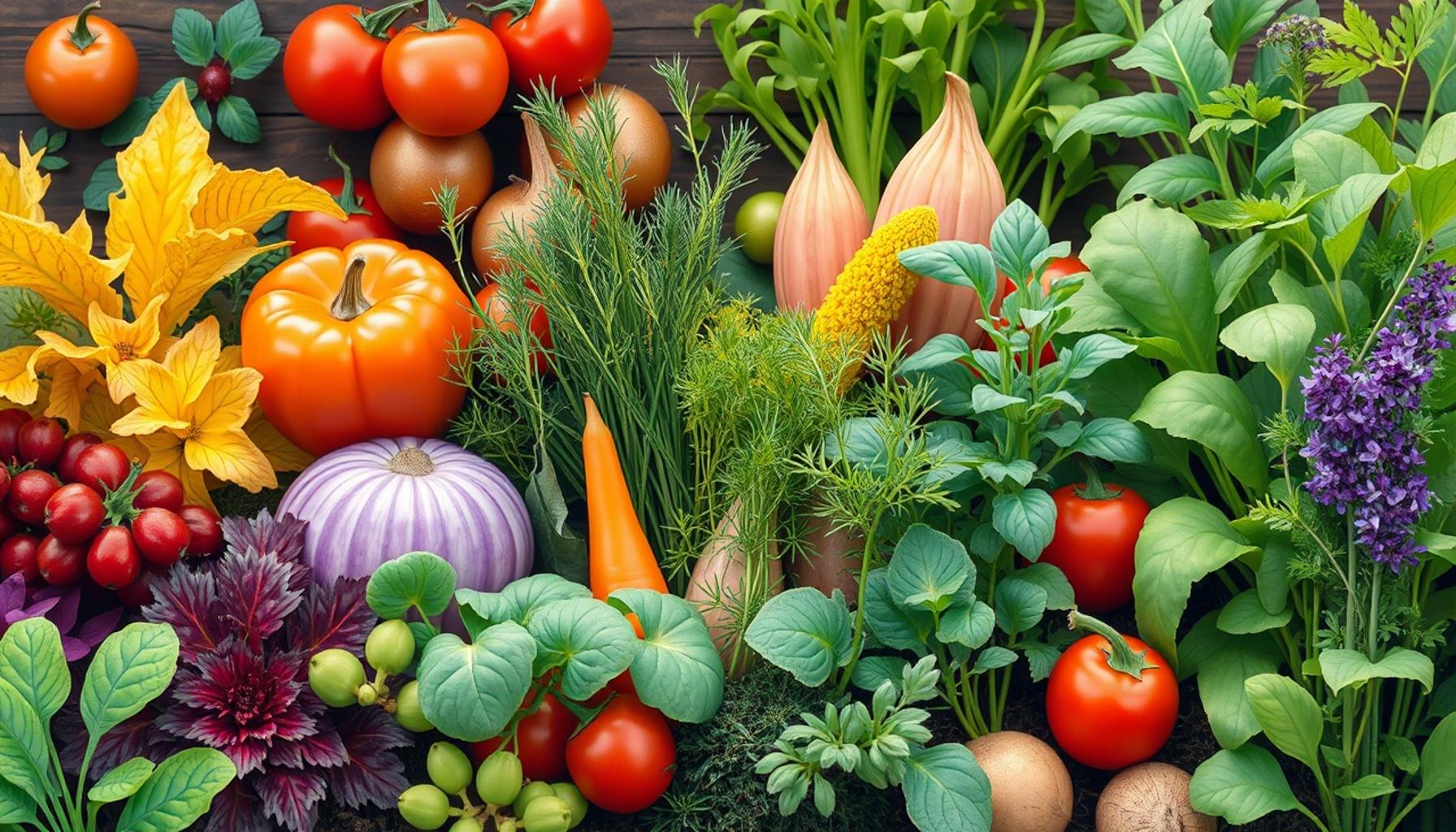
Imagine stepping into your backyard and gathering fresh ingredients for dinner. Growing your own vegetables and herbs at home not only enriches your meals but also connects you to the land. As the interest in sustainable living rises, more individuals are discovering the joys of home gardening. This often leads to a more rewarding lifestyle, where health and community intertwine, and the satisfaction of watching your plants grow lends a sense of accomplishment.
Home gardening is rewarding and offers numerous benefits:
- Freshness: There’s nothing quite like the taste of a sun-ripened tomato or freshly picked basil. Produce harvested at its peak not only tastes better but is also more nutritious, as many vitamins begin to degrade soon after harvesting. You’ll be amazed by the burst of flavor that homegrown herbs, such as rosemary or thyme, can bring to your dishes.
- Cost-saving: Home gardening can significantly cut down on your grocery bills. For example, a single zucchini plant can yield over 10 pounds of product during a season. When you consider the price of organic vegetables in stores, it becomes clear that home gardening can provide a great return on investment.
- Variety: One of the joys of home gardening is the ability to cultivate unique and heirloom varieties that are often unavailable in supermarkets. Picture growing Cherokee Purple tomatoes or Lemon Cucumber—these offerings could elevate your culinary repertoire and excite your palate. This customization allows for a personal touch in meal preparation.
However, selecting the right edible plants is crucial for a successful home garden. It involves understanding:
- Climate: The United States has varying climates, so it’s essential to choose plants that thrive in your local conditions. For instance, those in warmer regions may find success growing peppers and eggplants, while cooler climates might be perfect for growing kale and root vegetables.
- Space: Assessing how much room you have for a garden is vital. For urban dwellers or those with smaller yards, container gardening can be a practical solution, allowing you to grow herbs and even small vegetables on a balcony or patio.
- Time: Your commitment to your garden matters. Consider how much time you can dedicate to maintenance and care. For instance, if your schedule is busy, opting for low-maintenance crops like radishes and peas can help you still enjoy gardening without feeling overwhelmed.
Whether you’re a seasoned gardener or a curious beginner, the journey of planting and nurturing edible plants can be a life-changing experience. Engaging in this activity not only nurtures your body with wholesome food but also fosters mindfulness and reduces stress. Dive into the world of homegrown edibles and discover how easy and fulfilling it is to cultivate your own vegetables and herbs. With a little knowledge and commitment, your culinary adventures await!
DISCOVER MORE: Click here to learn about sustainable harvesting methods
Choosing the Right Edible Plants for Your Garden
When embarking on your home gardening journey, the first step is to carefully select the edible plants that will thrive in your environment. With countless options at your disposal, understanding which vegetables and herbs suit your garden’s specific conditions is paramount. This harmonious relationship between plant choice and environment can pave the way for a bountiful harvest.
Understanding Your Growing Zone
Before planting, familiarize yourself with your growing zone. The United States is divided into different hardiness zones based on climate fluctuations and regional temperatures. Knowing your zone helps you identify which plants are most likely to flourish. For instance, if you live in Zone 5, you might find success with cold-weather crops like broccoli and carrots, while those in Zone 10 can dive into tropical varieties like eggplant and tomatoes.
Vegetables to Consider for Your Garden
When selecting vegetables for your home garden, a few standout options are not only popular but also relatively easy to grow:
- Leafy Greens: Varieties such as spinach, lettuce, and kale are perfect choices for most home gardeners. They thrive in cooler temperatures and can often be harvested multiple times throughout the growing season.
- Root Vegetables: Items like carrots, radishes, and beets are not only nutritious but also appealing to novice gardeners because they require minimal maintenance and are generally pest-resistant.
- Fruiting Crops: If you’re ready for a challenge, consider plants such as tomatoes, peppers, and cucumbers. They require more attention but reward you handsomely with a rich harvest.
Herbs That Elevate Culinary Adventures
In addition to vegetables, incorporating herbs into your gardening plans can enhance your cooking experience significantly. A few must-try herbs include:
- Basil: Known for its sweet aroma and flavor, basil thrives in warm weather and pairs beautifully with a variety of Italian dishes.
- Parsley: A versatile herb that complements nearly every cuisine, parsley is easy to grow and can be sown directly into the garden in early spring.
- Tarragon: This French herb adds a unique flavor to sauces and dressings, making it a fantastic addition to your herb garden.
Selecting the right mix of vegetables and herbs lays the foundation for a flourishing home garden. Each plant comes with its own requirements, potential yield, and flavors to explore, inviting you to experiment and grow. Dive into the world of edible plant selection and watch your culinary creations transform with the freshest ingredients possible!
Exploring Edible Plant Selection
When it comes to cultivating a thriving home garden, the selection of edible plants is crucial. Transitioning to growing your own vegetables and herbs not only elevates your culinary experience but also fosters a sustainable lifestyle. Among the essential factors to consider are plant varieties, growth conditions, and the seasonal climate of your area.One of the greatest advantages of growing your own food is the ability to choose high-quality seeds. With a plethora of heirloom and organic options available, gardening enthusiasts can select varieties that are not only delicious but also suited to their specific growing conditions. Moreover, choosing plants that thrive in your local climate can result in a more abundant harvest.Additionally, incorporating herbs into your garden can significantly amplify your meals. Herbs like basil, parsley, and rosemary are relatively easy to grow and can be continuously harvested throughout the growing season. The vibrant flavors and aromas of fresh herbs can transform even the simplest dish into a gourmet experience.Another factor to consider is the ultimate health benefit of homegrown edibles. Not only do you reduce your carbon footprint by growing your food, but you also have the opportunity to cultivate plants without the use of harmful pesticides or chemicals. This organic approach ensures that your produce is free from synthetic additives, providing nutritional peace of mind alongside exquisite taste.As you embark on the journey of growing your own vegetables and herbs, the learning process is just as rewarding. Experimenting with various plants can lead to the discovery of unexpected favorites and enhanced knowledge about horticulture. Dive deeper into the world of edible plant selection and uncover the fulfilling experience of cultivating your own food at home.
| Category | Advantages |
|---|---|
| Plant Variety Selection | Enables tailored choices for specific climates and soils, enhancing health and flavor. |
| Health Benefits | Homegrown edibles offer no pesticides and maximize nutritional value, ensuring safety. |
Engage with this transformative lifestyle and enrich your meals with flavors and nutrients derived from your very own garden.
DISCOVER MORE: Click here to learn about drip irrigation techniques
Nurturing Your Edible Plants: Essential Care and Maintenance
Once you’ve selected the appropriate edible plants for your home garden, the next critical step is ensuring they receive proper care throughout their growth cycle. Each plant has unique requirements, and understanding these can significantly enhance your yield and gardening experience.
Understanding Soil Quality
The foundation of any successful garden lies in the soil. Good soil quality provides essential nutrients and ensures optimal drainage. Most edible plants thrive in well-draining, fertile soil that is rich in organic matter. Conducting a soil test can be invaluable; it will help you identify pH levels and nutrient deficiencies. For home gardens, aim for a soil pH between 6.0 and 7.0, which is ideal for a variety of vegetables and herbs.
Amending your soil with compost or well-rotted manure can significantly improve fertility and structure. These amendments boost microbial activity, enhance moisture retention, and provide a steady supply of nutrients as plants grow.
Watering Wisely
Water is vital to the health of your edible plants, but the amount and frequency vary by species and climate. Most vegetables prefer consistent moisture but can be susceptible to root rot if overwatered. Early morning watering is best, allowing plants to absorb moisture before the day’s heat. As a guideline, aim for about 1 inch of water per week, adjusting based on rainfall and temperature.
One effective method is the use of drip irrigation, which delivers water directly to the roots, minimizing evaporation and reducing water waste. Alternatively, a soaker hose can also achieve similar results without the hassle of hand watering.
Fertilization Basics
Fertilizing your garden can help ensure that your edible plants remain healthy and productive. Organic options, such as compost, fish emulsion, or liquid seaweed, are fantastic choices that promote growth without harming soil health. For a balanced approach, consider a nitrogen, phosphorus, and potassium ratio (NPK) suitable for your chosen plants. For instance, leafy greens may benefit from higher nitrogen levels, while flowering plants often require more phosphorus.
Another tip is to incorporate slow-release fertilizers, which provide a steady supply of nutrients over time, reducing the need for frequent applications.
Pest and Disease Management
As you nurture your plants, it’s important to remain vigilant against pests and diseases. Implementing preventative measures such as crop rotation and companion planting can deter pests naturally. For instance, planting marigolds near tomatoes can repel harmful insects. Furthermore, beneficial insects like ladybugs and lacewings can serve as natural pest control.
Regular monitoring is essential—check the underside of leaves and stems for signs of infestations or disease. Should you encounter a problem, employing organic pest control products or removing affected plants can help mitigate risks without relying on harsh chemicals.
Harvesting Your Edibles
Knowing when and how to harvest is just as crucial as planting. Many edible plants are best consumed young. Leafy greens, for instance, should be picked frequently to promote more growth and prevent them from bolting. Tomatoes should be harvested when fully colored and slightly firm to the touch. Always use clean, sharp tools or scissors to avoid damaging the plants.
By investing time in soil preparation, watering, fertilizing, pest management, and understanding your harvesting techniques, your home garden can flourish, providing fresh produce right outside your door. Each step in the process not only enhances the quality of your harvest but also enriches your gardening experience, giving you a deeper connection to the food you grow.
DIVE DEEPER: Click here to learn more about natural pest control</
Conclusion: Embrace the Journey of Home Gardening
Growing your own edible plants—from vibrant vegetables to aromatic herbs—offers numerous benefits that extend beyond mere aesthetics. This rewarding endeavor allows you to engage with nature, promote sustainability, and enjoy fresh produce right from your backyard. As we’ve explored throughout this article, essential aspects such as understanding soil quality, implementing effective watering practices, judicious fertilization, and vigilant pest management all play a pivotal role in the success of your home garden.
The key to fruitful gardening lies in a combination of knowledge, patience, and care. By investing time and effort into nurturing your plants, you’re not just cultivating a garden; you’re also cultivating a deeper appreciation for the food you consume. Moreover, home gardening empowers you to make more eco-conscious choices and encourages a lifestyle that values health and wellness.
As you embark on or continue your gardening journey, take the opportunity to explore diverse edible plant selections that suit your taste and growing conditions. Consider experimenting with regional varieties that thrive in your local climate, and don’t hesitate to reach out to local gardening communities or resources for support and inspiration. This ongoing exploration can unlock the joys of cultivating not only what tastes good but also what nourishes your body and soul.
Ultimately, your home garden is a reflection of your efforts and choices, making it all the more significant. As you harvest your first crops, cherish the achievement and remember that growing your own food can be a deliciously fulfilling experience, bringing an abundance of flavor and health directly to your table. So, roll up your sleeves, get your hands dirty, and embrace the rewarding world of home gardening!