The Importance of Water Quality for Growing Plants at Home
The Importance of Water Quality in Gardening
Water is the lifeblood of any garden, but not all water is created equal. As indoor gardeners increasingly cultivate their own greenery, understanding water quality becomes critical. Here’s why the quality of water matters more than you might think:
- Nutrient Absorption: Plants rely on water to absorb essential nutrients. Contaminants in water, such as heavy metals or pesticides, can hinder this process. For instance, municipal water sources may have varying levels of chlorine or additional chemicals that, while safe for human consumption, are detrimental to some plant species. Understanding what’s in your water can unlock your plants’ potential.
- pH Levels: Water with improper pH can adversely affect plant growth. Most plants thrive in slightly acidic to neutral water, ideally with a pH of 6 to 7. If your water is too acidic (below 6) or too alkaline (above 7), it can disrupt the nutrient availability, leading to symptoms like chlorosis or stunted growth. Regularly testing your water’s pH using simple kits available at garden centers or online can help maintain optimal growing conditions.
- Microbial Health: A healthy garden thrives on a balance of beneficial microorganisms. However, the presence of harmful bacteria or pathogens can damage root systems and lead to diseases. Inorganic fertilizers or contaminated water can introduce harmful organisms that invite mold, mildew, and other health issues. This is especially crucial for indoor gardening, where pathogens can spread rapidly in confined spaces.
Water quality can make or break your home gardening efforts. Here are some key factors to consider:
- Source of Water: The water’s source can significantly impact its quality. Tap water, while convenient, often contains minerals and chemicals added during treatment, whereas rainwater is typically more natural but can pick up pollutants. Distilled water is free from impurities but lacks essential minerals.
- Presence of Chlorine or Fluoride: Many municipalities add chlorine and fluoride to drinking water for health reasons; however, these can be harmful to plant health. Chlorine can evaporate if left to sit for 24 hours, making the water more suitable for irrigation.
- Mineral Content and Total Dissolved Solids: High levels of Total Dissolved Solids (TDS) can indicate poor water quality. Plants generally require a specific balance of minerals like calcium, magnesium, and potassium, and anything exceeding the recommended range can become toxic, leading to nutrient lockout.
By ensuring high water quality, you not only enhance your plants’ growth but also create a more sustainable indoor environment. Understanding the intricacies behind your water source allows you to make informed decisions, significantly impacting the success of your gardening endeavors. As you dive deeper into the nuances of water quality, you’ll discover whole new ways to optimize your home gardening adventure!
DISCOVER MORE: Click here for essential watering tips
Understanding Water Quality: A Deep Dive
As indoor gardening experiences a remarkable resurgence in popularity across the United States, understanding the dimensions of water quality becomes increasingly essential. The type of water you use, its chemical composition, and even the treatments it undergoes can significantly affect your plants’ health. This section dives into specific aspects of water quality that every home gardener should consider to enhance their gardening success.
Water Composition: What’s Lurking in Your H2O?
The very composition of your water plays a pivotal role in your plants’ growth and well-being. Water is not merely a solvent; it is a medium through which nutrients are transported to plant roots. To unlock your plants’ full potential, familiarize yourself with the following core components of water:
- Microelements: Minerals such as iron, zinc, and manganese, albeit needed in smaller amounts, are essential for various physiological processes. Water lacking these microelements can lead to deficiencies, hindering growth and causing visible symptoms like yellowing leaves.
- Heavy Metals: Lead, arsenic, and cadmium are just a few of the heavy metals that can sometimes find their way into our water systems. These contaminants not only pose risks to human health but can also be toxic to plants, creating long-term growth issues.
- Salinity: While plants need some salt for cellular functions, excessive salinity in water can result in osmosis problems, making it difficult for plants to absorb water. High salt levels can be particularly detrimental in container gardening, where the same water continuously circulates.
The Role of Filtration and Treatment
In many areas, water quality is compromised due to filtration and treatment processes designed for human consumption. However, these processes can unintentionally strip beneficial elements while introducing harmful substances. Consider the following:
- Filtration Systems: Utilizing a water filtration system can help remove many unwanted contaminants, providing cleaner water for your plants. Options range from basic filter pitchers to more advanced reverse osmosis systems.
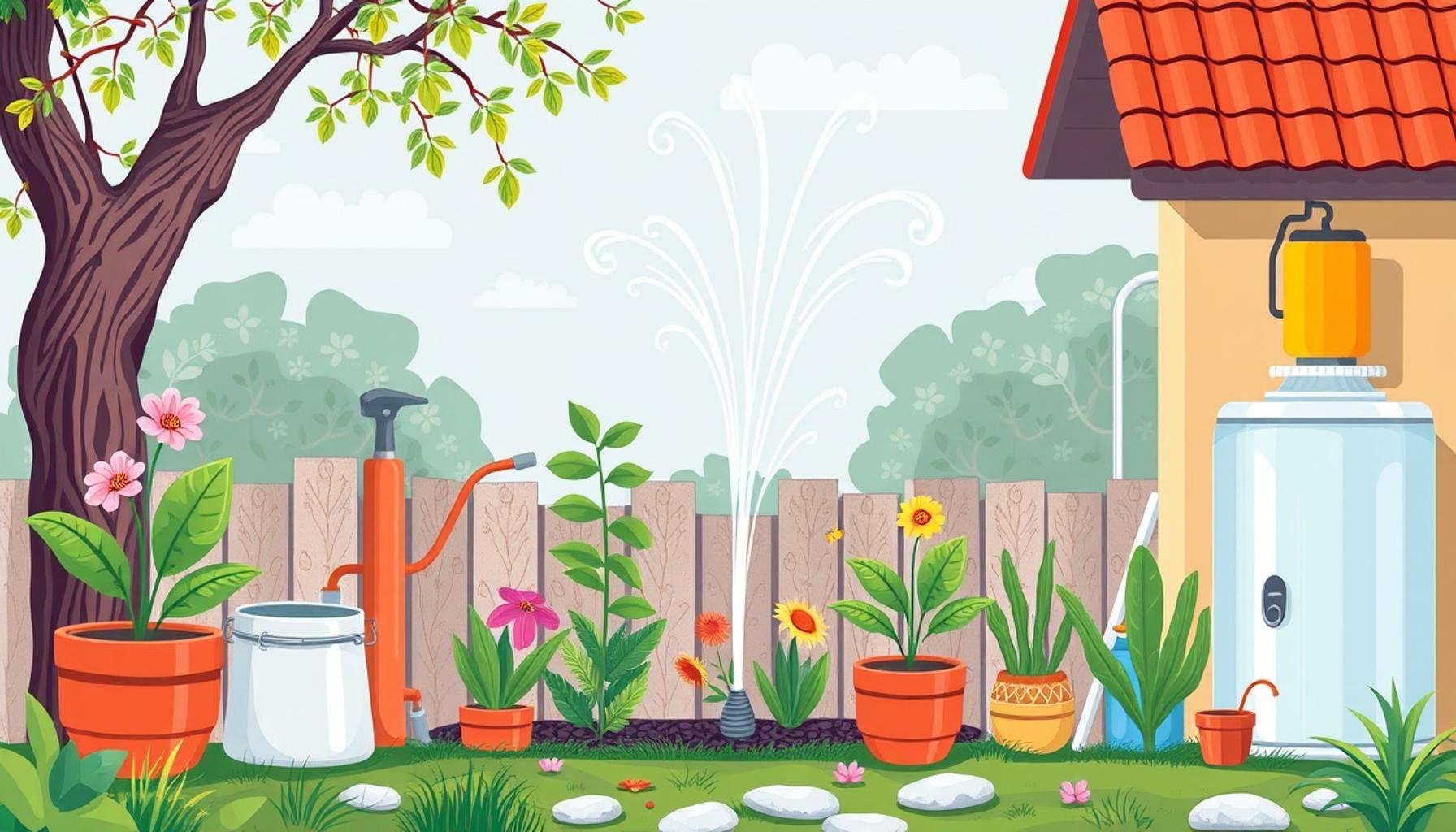
- Rainwater Harvesting: Collecting rainwater is an eco-friendly alternative that often provides plants with mineral-rich, chlorine-free water. Not only does this practice save on your water bill, but it can improve plant health dramatically.
- Boiling and Distillation: For smaller quantities, boiling water can help eliminate pathogens, although this method does not remove chemical contaminants. Distillation, on the other hand, yields pure water, but may deplete essential nutrients vital for plant growth.
By exploring and understanding the water quality that nourishes your indoor plants, you put yourself in a prime position to create an environment that fosters flourishing growth. It’s important to become proactive about not just the water you use, but how you treat and maintain it before it reaches the roots of your beloved plants. As you further investigate the intricacies of water quality, you’ll soon realize the vast impact it has on every leaf, stem, and flower within your home garden.
| Category | Details |
|---|---|
| Nutrients | Water facilitates the transportation of essential nutrients, promoting healthy plant growth. |
| pH Balance | Optimal water pH levels ensure better nutrient uptake and prevent root diseases. |
| Microbial Health | Quality water encourages beneficial microbes that enhance soil health and plant vitality. |
| Toxin Reduction | Clean water reduces the risk of harmful substances that can stunt growth or damage plants. |
Understanding the importance of water quality cannot be overstated when growing plants at home. Pure water not only helps in the effective absorption of nutrients but also plays a pivotal role in maintaining the pH balance of the soil. By ensuring that your water source is free from contaminants, you can create an optimal environment for your plants to thrive. Additionally, the microbial health of your garden depends significantly on high-quality water. This is because beneficial microorganisms need clean conditions to flourish, promoting organic matter decomposition, nutrient cycling, and increased soil fertility.Moreover, using water with minimal impurities can drastically reduce the levels of toxins that plants might be exposed to, facilitating stronger growth and minimizing the chances of diseases. Investing time in assessing and ensuring the quality of water can lead to impressive results in your home gardening practices.
DISCOVER MORE: Click here to learn about beginner-friendly plants
Key Indicators of Water Quality: What to Measure
As you embark on your gardening journey, knowing the indicators of water quality can empower you to make informed choices. Understanding these factors not only helps you monitor the health of your plants but also tailors your approach according to the specific needs of different species.
pH Levels: Balancing Act for Nutrient Uptake
The pH level of water is a critical parameter that influences nutrient availability. Most plants thrive in a slightly acidic to neutral pH range of about 6.0 to 7.0. When water is too alkaline or too acidic, crucial nutrients such as nitrogen, phosphorus, and potassium may become insoluble and unavailable for absorption.
For instance, if your water is too acidic (below 6.0), nutrients like calcium and magnesium may leach from the soil, leading to deficiencies. Conversely, an alkaline pH (above 7.0) could cause nutrient lockout, stunting plant growth. Regularly testing your water’s pH using DIY kits available at gardening stores can guide adjustments to maintain optimal conditions.
Water Temperature: Not Just a Matter of Comfort
While it might seem trivial, water temperature can significantly impact how well your plants absorb essential nutrients. Cold water can shock roots, leading to stress and slowed growth. Ideally, water should be at room temperature to facilitate absorption. This is especially important for seedlings and sensitive plants, which can be more susceptible to stress caused by temperature fluctuations.
In the U.S., particularly in areas that experience seasonal changes, it might be necessary to store water indoors or use heating mats for plants sensitive to temperature variations. This provides plants with a consistent environment that promotes healthy growth.
Chlorine and Chloramine: What to Avoid
Municipal water treatment often involves adding chlorine or chloramine to disinfect the water supply. While these chemicals are safe for human consumption, they can prove harmful to plants, affecting root development and overall health. Exposing indoor plants to treated water may result in wilting or yellowing.
To mitigate this issue, consider allowing tap water to sit for 24 hours before use to let chlorine dissipate. For plants particularly sensitive to chlorine, using dechlorinated or distilled water can make a significant difference in plant vigor.
Conductivity: Measuring Water Purity
Electrical conductivity (EC) is another essential metric that reflects total dissolved solids (TDS) in water. A high EC level typically indicates a concentration of salts and minerals, which can sometimes lead to root burn and hinder plant growth. Conversely, water with very low EC might lack the essential nutrients necessary for proper growth.
For indoor gardeners, maintaining a balanced EC level is crucial, especially for hydroponics where nutrient solutions are prevalent. Home testing kits for EC are available, allowing you to monitor and adjust your water source effectively.
By becoming familiar with these key indicators of water quality, gardeners can fine-tune their watering practices, thereby optimizing plant health and productivity. Each measurement offers an avenue to explore how different factors affect growth, drawing you deeper into the intricate world of horticulture.
DIVE DEEPER: Click here to learn more
Conclusion: Nurturing Home Gardens Through Quality Water
In the pursuit of cultivating thriving plants at home, the significance of water quality cannot be overstated. From the suitability of pH levels to the temperature of the water, each element plays a crucial role in optimizing your plants’ health and growth. By understanding these factors, you empower yourself to create the ideal conditions for your green companions, which in turn can lead to richer foliage and more abundant blooms.
Furthermore, being aware of chemical constituents like chlorine and chloramine, along with the basic principles of conductivity, can significantly impact the effectiveness of your watering practices. As gardeners keen on fostering a thriving ecosystem at home, investing time in testing and adjusting your water source can yield remarkable results—especially for those practicing hydroponics or keeping particularly sensitive plant varieties.
As you delve deeper into the world of home gardening, remember that nurturing your plants begins at the source—the water you provide. Each drop has the potential to either enhance or hinder growth. Stay curious, remain vigilant, and hone your watering practices by keeping a close eye on the quality of your water. With the right knowledge, your garden can flourish, bringing the joy of robust life and beauty into your home. Ultimately, the journey towards healthy plants starts with understanding the importance of water quality, leading you to explore further solutions to enrich your gardening experience.