
The Importance of Soil Preparation: How to Create the Perfect Foundation for Your Home Garden
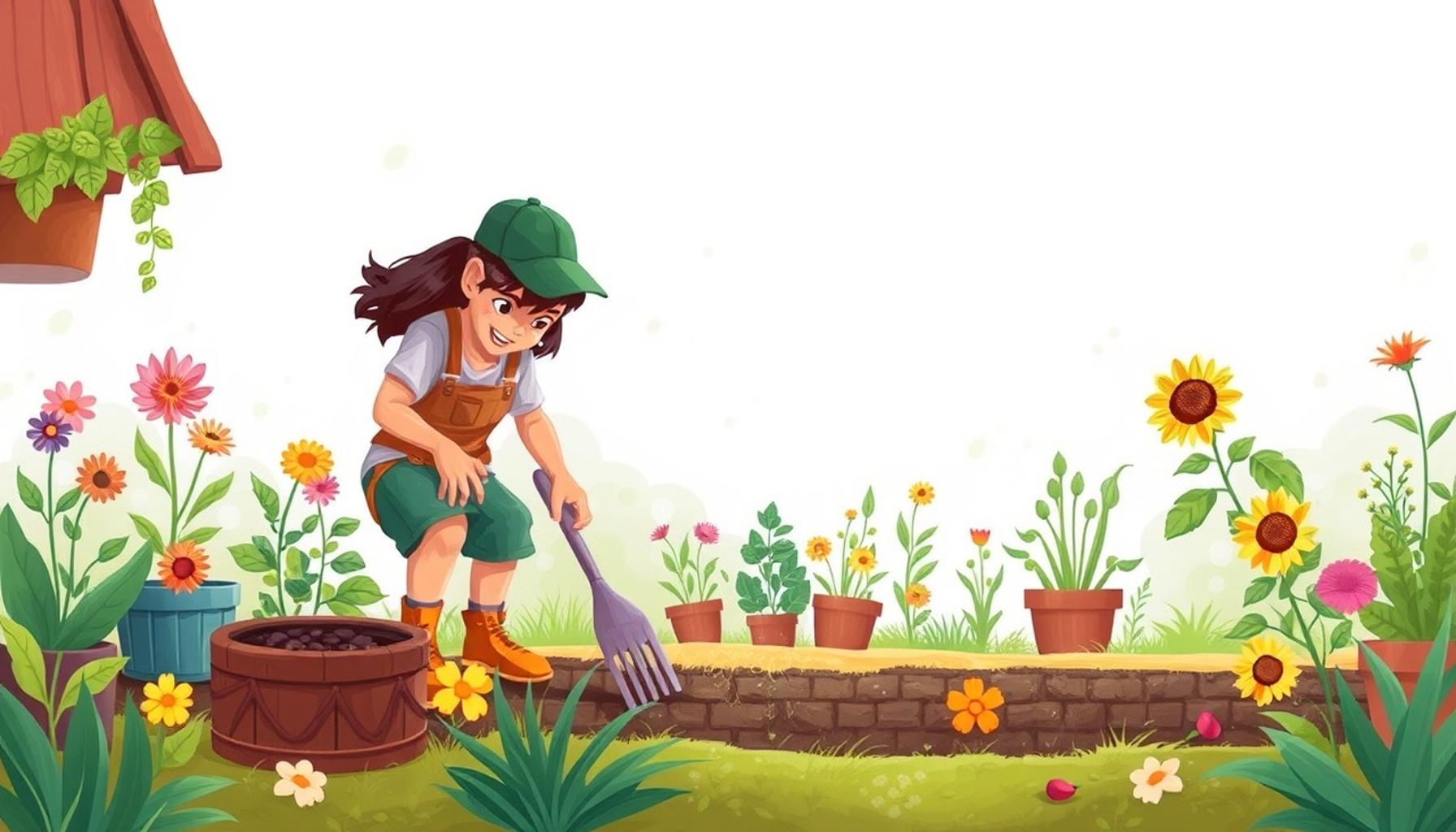
Soil Preparation: A Key Element in Gardening Success
Creating a thriving home garden starts below the surface, where soil preparation plays a crucial role in cultivating healthy plants. The right foundation ensures proper drainage, nutrient availability, and root development. Yet, many gardeners overlook this vital step, leading to lackluster results. Understanding the significance of preparing your soil can transform an average garden into a flourishing oasis.
So, what makes soil preparation so essential? Consider the following factors:
- Nutrient-Rich Soil: Healthy plants require balanced nutrients. Soil preparation helps incorporate essential amendments like compost, animal manure, and fertilizers that enrich the soil. For example, adding aged compost not only provides nitrogen, phosphorus, and potassium but also improves soil structure. This organic matter allows beneficial bacteria and fungi to thrive, fostering an ecosystem that supports plant life.
- pH Levels: Different plants thrive in specific pH conditions. Testing and adjusting soil pH can significantly impact growth and yield. For instance, most vegetables prefer a pH between 6.0 and 7.0. If your soil is too acidic or alkaline, you might consider adding lime to raise the pH or sulfur to lower it. Fresh soil tests can be obtained easily from local extension offices or garden centers, helping you tailor your soil to the specific needs of your desired plants.
- Proper Drainage: Well-aerated soil promotes strong root systems. Poor drainage can lead to root rot and other problems that hinder plant growth. Techniques such as double-digging or raised beds can enhance drainage. For instance, if your garden area is prone to waterlogging, building a raised bed with a mixture of topsoil, gravel, and sand can create an ideal solution for both water management and root health.
Moreover, preparing your soil not only benefits your plants but also enhances sustainability. Healthy soil can retain moisture, reduce erosion, and promote biodiversity, which are all key components in responsible gardening. By adopting practices like planting cover crops in the off-season or implementing crop rotation, you contribute to soil health and fertility.
As we dive deeper into the world of soil preparation, you’ll discover methods and techniques to truly set the stage for your home garden’s success. Techniques such as mulching can suppress weeds while also regulating soil temperature and moisture levels, thus creating an optimal growing environment. From assessing your soil texture to selecting the right amendments, the journey to a flourishing garden begins with this fundamental step.
Ultimately, investing time and effort into soil preparation not only yields immediate benefits in your garden’s productivity but also establishes a foundation for ongoing health and vitality. As you cultivate this crucial aspect of gardening, you empower yourself to grow lush plants, stunning flowers, and bountiful harvests. Dive into the rich and rewarding world of soil preparation, and watch your garden thrive like never before.
DIVE DEEPER: Click here for effective pest control tips</
The Building Blocks of Successful Gardening
When embarking on your home gardening journey, the talking point should always circle back to soil preparation. This essential step lays the groundwork—quite literally—for a successful and thriving garden. Understanding and addressing the specific characteristics of your soil can make the difference between a lackluster plot and a flourishing home sanctuary filled with vibrant plants and bountiful harvests.
One of the first aspects to tackle is the texture of your soil. Soil generally falls into three categories: sandy, clay, and loamy. Each type has its own properties, which can influence drainage, nutrient retention, and root development:
- Sandy Soil: This soil drains quickly and warms up fast in the spring, making it favorable for early planting. However, its quick draining nature often results in leaching of nutrients. To remedy this, adding organic material like compost can help improve nutrient retention.
- Clay Soil: High in minerals, clay soil has excellent nutrient-holding capacity. However, it tends to compact easily, leading to poor drainage and root suffocation. Implementing practices such as adding gypsum and organic matter can significantly break up the compacted structure.
- Loamy Soil: Often considered the gold standard for gardening, loamy soil is a balanced mix of sand, silt, and clay. If you happen to have loamy soil, it is equipped with the right drainage and nutrient qualities for most gardening applications. However, consistent maintenance through organic amendments is still necessary to keep it at its best.
In addition to texture, moisture retention is pivotal for your garden’s success. Proper soil preparation can enhance the soil’s ability to hold moisture while simultaneously ensuring that excess water doesn’t lead to root rot. Adding mulch can create a barrier to evaporation, helping the soil retain moisture in dry spells, while also regulating soil temperature—a key factor for plant health.
Furthermore, incorporating the right soil amendments can significantly contribute to enhanced fertility. Utilizing organic materials can improve soil structure and nutrient content. Common amendments include:
- Compost: Enriches the soil with nutrients and beneficial microorganisms.
- Animal Manure: Provides a slow-release nitrogen source. Be sure to use well-aged varieties to prevent burning plants.
- Bone Meal: Adds phosphorus, which is essential for root development and flowering.
- Wood Ash: Can provide potassium and raise pH levels, making it a useful addition if your soil is too acidic.
By evaluating and amending your soil’s composition and fertility, you set the stage for healthier plants and greater yields. A well-prepared soil will not only foster the growth of your plants but also create a rich ecosystem that benefits insects and wildlife, further enhancing the biodiversity of your garden. As we continue exploring soil preparation techniques, you will uncover the methods that lead to a robust foundation, paving the way for your gardening success.
| Soil Composition | Benefits of Proper Soil |
|---|---|
| Organic Matter | Improves soil structure, enhances water retention, and promotes nutrient availability. |
| Soil pH Levels | Maintaining ideal pH levels ensures optimal nutrient uptake for a thriving garden. |
| Microbial Life | A healthy microbial ecosystem contributes to plant health and resilient garden growth. |
Soil preparation is critical for establishing an effective garden. One pivotal component is understanding soil composition, which includes elements such as organic matter, minerals, and microorganisms. A rich soil composition fosters a harmonious environment for plants, while poor soil can stifle growth and yield. Additionally, soil pH levels play an influential role in the nutrient uptake by plants. Most vegetables thrive in slightly acidic to neutral soil (pH of 6.0 to 7.0). Assessing and amending your soil accordingly can open pathways to a flourishing garden.Furthermore, the presence of microbial life serves as the backbone for soil health. Microorganisms break down organic material, recycling nutrients and aiding in the overall vitality of the garden. Thus, professionals recommend practices like composting and cover cropping to bolster microbial populations. A well-prepared soil foundation not only prepares the groundwork for plant growth but also establishes a vibrant ecosystem, essential for a thriving home garden. As you navigate through your gardening journey, remember that proper soil preparation is not just a task but an investment in the future bounty of your garden.
DISCOVER MORE: Click here for essential watering tips
Gearing Up for Gardening: Tools and Techniques for Optimal Soil Preparation
As you delve into soil preparation, understanding the right tools and techniques can significantly streamline the process, ensuring your garden beds are well-equipped to nurture your plants. The first step is to assess your available space: will you be working in established garden plots, raised beds, or containers? Each setting calls for different approaches but shares a common need for proper soil management.
One of the cornerstone tools for any gardener is a soil test kit. These kits are easily accessible at garden centers and can provide insights into your soil’s pH, nutrient levels, and organic matter content. Understanding these metrics helps tailor your amendments effectively. For example, if a soil test reveals high acidity, you can counteract it by incorporating lime, which raises pH levels and creates an optimal environment for most vegetables and flowers.
Once you’ve grasped your soil’s type and nutrient profile, it’s time to prepare the ground. This involves a multi-step approach:
- Clearing Debris: Start by removing any weeds, rocks, or refuse from the garden area. This helps prevent competition for nutrients and minimizes pest habitats.
- Tilling: For larger plots, consider using a garden tiller or hoe to break up the soil’s surface. This aerates the soil and encourages root penetration. However, be cautious not to over-till; disrupting the existing soil structure can lead to compaction later.
- Amending: After tilling, it’s time to incorporate your soil amendments. Use a shovel or rake to evenly distribute organic materials such as well-rotted compost or aged manure, mixing them into the existing soil at least 6 to 12 inches deep.
- Leveling: Rake the surface to create a level planting area. This ensures even water distribution and prevents pooling, which can invite pests and diseases.
It’s essential to be patient during the preparation phase. Allowing the soil to rest for a few weeks post-amendment not only boosts microbial activity but also enables the nutrients to integrate into the soil structure, leading to improved plant growth.
Creating the Ideal Soil Microenvironment
Beyond mere nutrient delivery, successful soil preparation involves cultivating an environment that supports beneficial soil organisms. Building a healthy soil ecosystem influences not just plant health but also pest resistance. Here are additional strategies to bolster your soil’s microenvironment:
- Cover Crops: Consider planting cover crops such as clover or rye during off-seasons or in plots not currently in use. These plants naturally enrich the soil with nitrogen and organic matter while preventing erosion.
- Diversity in Planting: Implementing a diverse planting strategy, such as companion planting, can improve soil health. Certain plants can enhance nutrient uptake and attract beneficial insects, contributing to a balanced ecosystem.
- Crop Rotation: Regular rotation of plant families in a particular area prevents soil nutrient depletion and disrupts pest and disease cycles.
By employing these tools and techniques in your soil preparation routine, you will nurture a rich and vibrant foundation for your home garden. Remember that investing time and energy into preparing the soil correctly not only supports growth but also sets the stage for a flourishing ecosystem, ensuring you reap the rewards of your gardening efforts season after season.
DISCOVER MORE: Click here for beginner-friendly plant options
Final Thoughts on Soil Preparation for a Thriving Home Garden
In conclusion, the significance of soil preparation cannot be overstated. A well-prepared soil acts as the foundation for a vibrant and productive home garden, influencing everything from nutrient availability to plant health. By dedicating time to assess your soil with a soil test kit, you equip yourself with the knowledge to make informed amendments that will foster robust growth.
The multi-faceted approach to soil preparation, including clearing debris, tilling carefully, and amending with organic matter, ultimately creates a balanced environment where plants can thrive. Additionally, strategies such as planting cover crops, maintaining biodiversity, and practicing crop rotation help enhance the soil’s microenvironment, ensuring long-term sustainability and resilience against pests and diseases.
As we navigate the changing climate and increasing pressure on our natural resources, understanding and investing in the importance of soil preparation becomes crucial. Not only does it promote healthier plants, but it also fosters a rich ecosystem that can endure over the years. Whether you’re a novice gardener or a seasoned green thumb, effectively preparing your soil lays the groundwork for garden success and contributes to the overall vitality of your landscape.
So, embark on your gardening journey with the knowledge that the foundation you lay today will nourish your plants and support a flourishing garden for seasons to come. Your commitment to optimal soil preparation invites both beauty and bounty into your home garden.