The Importance of Soil Preparation for Gardening Beginners

Understanding Soil Preparation
Successful gardening starts beneath the surface. The health of your plants largely depends on the quality of your soil. For beginners, focusing on soil preparation is crucial as it sets the foundation for productive gardens. A well-prepared soil not only provides nutrients but also supports a thriving ecosystem that benefits your plants.
Why is Soil Preparation Essential?
- Improves Drainage: Well-prepared soil allows excess water to flow through, preventing root rot. For instance, sandy loam soil offers excellent drainage, making it ideal for plants that need good air circulation around their roots. Conversely, compacted clay soil can create waterlogged conditions, suffocating roots.
- Enhances Nutrient Availability: Proper soil preparation helps nutrients become accessible to plants. By mixing in organic matter, like compost or aged manure, gardeners can increase soil fertility. Nutrients such as nitrogen, phosphorus, and potassium become more bioavailable, promoting robust crop growth.
- Boosts Microbial Activity: Healthy soil promotes beneficial organisms, vital for plant growth. Earthworms, mycorrhizal fungi, and other microorganisms create a rich environment for plants. As they break down organic matter, these creatures create humus, which holds moisture and increases nutrient retention.
Budding gardeners often overlook the significance of soil, yet it provides the essential components needed for vibrant growth. Understanding soil types, texture, and pH levels is foundational to success. For example, a pH level of 6 to 7 is generally ideal for most garden plants, as it allows optimal nutrient uptake. Testing your soil pH can easily be done with DIY kits available at garden centers in the U.S.
What You Need to Know
- Testing Soil Quality: Test for nutrient levels and contaminants. Utilize soil testing services to analyze the composition and recommend improvements. Knowing the soil’s N-P-K values (nitrogen, phosphorus, and potassium) helps determine what amendments are necessary.
- Choosing Amendments: Incorporate organic matter to enrich the soil. Organic materials such as compost, leaf litter, and peat moss can greatly enhance soil structure and fertility. For instance, using compost not only adds nutrients but also improves moisture retention, which is especially important in dry regions.
- Tilling Techniques: Learn the right tilling methods for your garden size. There are various techniques such as double digging or no-till gardening that can greatly affect soil structure. No-till gardening maintains soil structure and reduces erosion, an essential practice in regions prone to excessive rainfall.
By dedicating time to soil preparation, beginners can vastly improve their gardening experience and foster healthier plants. Understanding the interactions between soil composition, drainage, and microbial activity opens up a world of possibilities for cultivation. Dive into the world of soil preparation to unlock the potential of your garden, and watch as your plants flourish in their new, well-nourished environment.
DISCOVER MORE: Click here for top irrigation tips
The Fundamentals of Soil Preparation
As you embark on your gardening journey, the path to success begins with understanding your soil. It’s not merely a medium for planting; it is a living entity that impacts every aspect of your garden’s growth. For gardening beginners, mastering the art of soil preparation can mean the difference between a thriving oasis and a struggle for survival. Let’s delve into why this crucial step is fundamental and how you can optimize soil health to create a productive garden.
The Key Benefits of Soil Preparation
- Optimal Growth Conditions: Proper soil preparation creates an environment where plants can stretch their roots and establish a strong foundation. Different plants have varying needs when it comes to soil type. For instance, the fluffy texture of loamy soil retains moisture without becoming waterlogged, fostering conditions for healthy growth.
- Prevention of Pests and Diseases: Healthy soil is a natural barrier against pests and diseases. Well-aerated and nutrient-rich soil can support diverse microbial populations that keep harmful pathogens at bay. By focusing on building a robust soil structure, gardeners can create a less favorable environment for unwanted intruders.
- Water Retention and Retraction: The right soil preparation supports effective water management. Soils rich in organic matter hold moisture better, allowing plants to access water during dry spells. Conversely, overly compacted soil can cause runoff, leading to erosion and nutrient loss.
One critical aspect that beginner gardeners often overlook is the importance of soil texture. This refers to the proportion of sand, silt, and clay in your soil, influencing its ability to drain moisture and retain nutrients. For example, a soil high in clay retains water but can become heavy and hard to work with. In contrast, sandy soil drains easily but may fail to hold onto essential nutrients. Understanding your soil texture can help you select the right plants and amendments, increasing your chances of success.
Steps for Effective Soil Preparation
- Observe and Analyze: Begin by inspecting your soil for its color, texture, and drainage patterns. This will provide valuable insight into its current condition. Taking a simple test for soil nutrient levels can reveal much about what amendments may be needed.
- Add Organic Matter: Incorporating organic materials like compost or well-rotted manure can drastically improve soil quality. These amendments enrich the soil with nutrients and enhance its structure, allowing for better aeration and water retention.
- Manage Soil pH: Testing the soil’s pH balance is vital. Most garden plants prefer a slightly acidic to neutral pH (around 6 to 7). If your soil is too acidic or alkaline, you may need to add lime or sulfur to adjust the pH, ensuring optimal nutrient availability.
In summary, embracing the importance of soil preparation equips beginners with the knowledge needed to cultivate flourishing gardens. By understanding the physical properties of your soil and committing to essential preparation techniques, you set a solid foundation for sustainable gardening practices and ultimately enjoy a bountiful harvest. Whether you’re growing vegetables, flowers, or herbs, taking the time to understand your soil is an investment that pays dividends in the form of vibrant, healthy plants.
The Impact of Soil Quality on Plant Health
Soil preparation is the foundation of successful gardening, especially for beginners. Understanding the significance of soil quality can transform a novice gardener’s experience. The first step begins with recognizing that healthy plants grow in well-prepared soil. Poor quality soil can lead to stunted growth, nutrient deficiencies, and increased susceptibility to pests.
Choosing the Right Tools and Techniques
For beginners, utilizing the right tools is crucial in the soil preparation process. Tools such as trowels, soil forks, and garden rakes can make it easier to aerate the soil and break up clumps. Additionally, engaging in techniques like tilling can enhance soil structure, allowing for better water absorption and root expansion.
Enhancing Soil Fertility
One of the key advantages of thorough soil preparation lies in its ability to boost fertility. By incorporating organic matter such as compost or well-rotted manure, gardeners can significantly improve the nutrient content of their soil. This process benefits not only the soil but also promotes robust plant growth. Furthermore, practicing crop rotation and adding cover crops can assist in maintaining long-term soil health.
Minimizing Weed Growth
Proper soil preparation is also instrumental in weed management. By thoroughly tilling the soil and removing debris, gardeners can reduce the chances of weed seeds taking root in their gardens. This practice saves time and resources in the long run, allowing gardeners to focus on nurturing their plants rather than battling unwanted weeds.
Preparing for Seasonal Changes
Soil preparation is essential for adapting to seasonal variations. By ensuring soil is adequately drained, gardeners can prevent waterlogging during rainy seasons, as well as promote moisture retention during dryer times. This adaptability leads to healthier plants that are better equipped to withstand climate fluctuations.
| Advantages | Description |
|---|---|
| Improved Soil Structure | Well-aerated soil allows for better root growth and nutrient uptake. |
| Enhanced Nutrient Availability | Incorporating organic matter increases soil fertility and plant health. |
| Weed Control | Thorough preparation minimizes weed growth, reducing competition for resources. |
| Climate Adaptation | Adequate drainage prevents waterlogging, while moisture retention supports plants in dry seasons. |
Soil preparation is not just a chore; it’s a vital process that equips beginner gardeners for success. Understanding these benefits will empower them to cultivate vibrant and flourishing gardens.
DISCOVER MORE: Click here to brighten your garden
Advanced Techniques for Soil Preparation
Once you’ve grasped the basics of soil preparation, it’s time to explore more advanced techniques that can take your gardening experience to the next level. Understanding soil biology and implementing strategic practices can lead to a more resilient and productive garden. Let’s examine some valuable advanced soil preparation strategies that beginners can readily adopt.
The Role of Soil Microorganisms
The soil beneath our feet is teeming with life, primarily microorganisms such as bacteria, fungi, and protozoa. These entities are integral to nutrient cycling and organic matter breakdown, thus enhancing soil fertility. For beginners, fostering a thriving community of soil microorganisms is essential. One effective way to do this is through the practice of cover cropping. Planting cover crops like clover or rye prevents soil erosion while improving organic content once tilled back into the soil. These crops also work symbiotically with beneficial fungi and bacteria, enhancing nutrient availability for your plants.
Incorporating Mulch
Another technique for soil enhancement is the application of mulch. By covering the soil surface with organic materials—such as wood chips, straw, or shredded leaves—you can minimize evaporation, suppress weeds, and maintain even soil temperatures. Mulch not only protects the soil but also adds nutrients as it decomposes, enriching the soil over time. It’s especially beneficial for beginners with limited time for weeding and watering, creating a low-maintenance environment for growth.
Soil Aeration Strategies
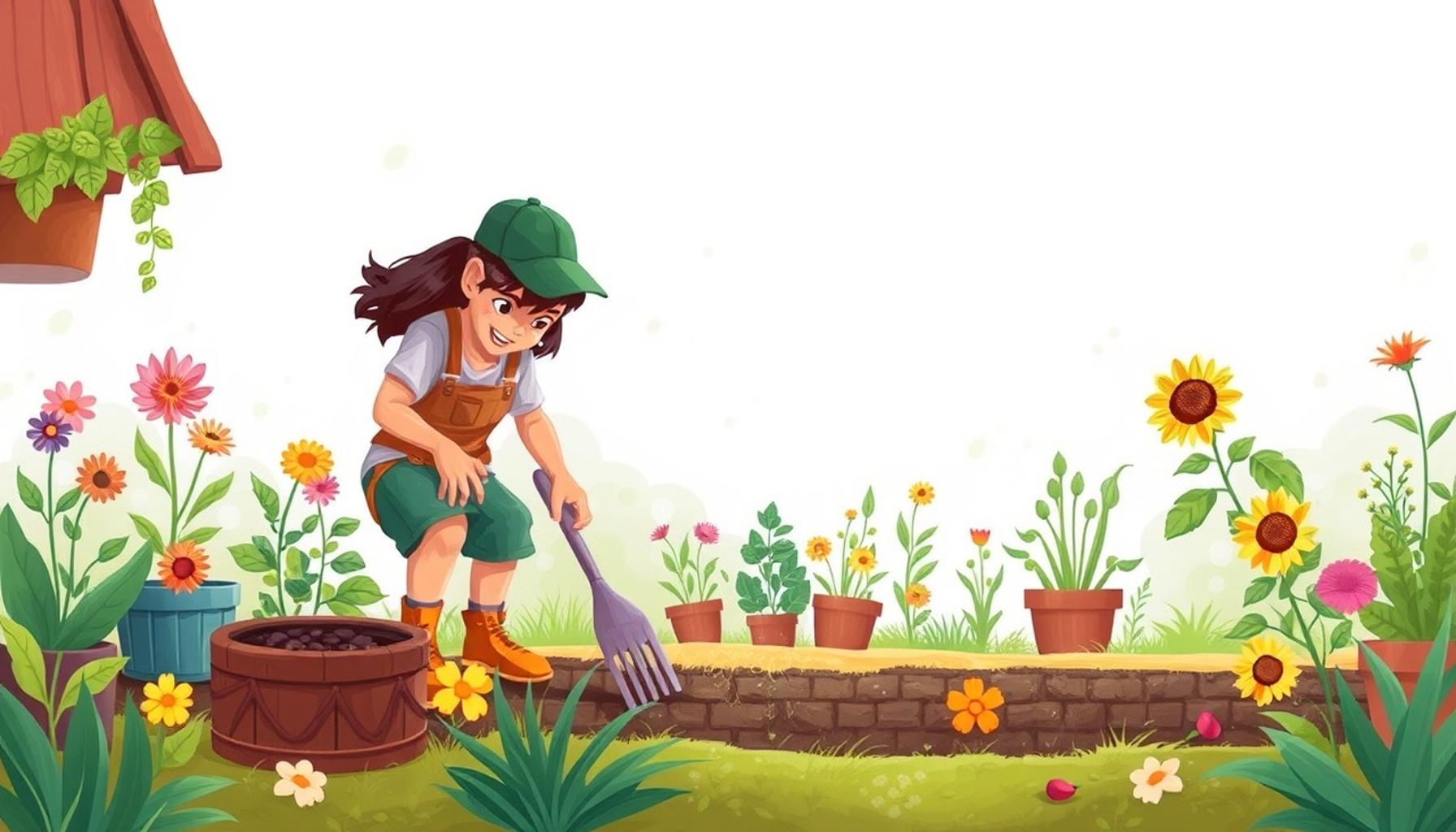
Soil compaction is one of the most detrimental situations for beginner gardeners. Compacted soil restricts root growth, limits water infiltration, and can stifle the movement of nutrients. Begin improving soil structure through a process called aeration. This can involve using a garden fork or an aerator tool to poke holes throughout the soil, allowing air, water, and nutrients to penetrate deeper. Additionally, incorporating materials like perlite or vermiculite can help improve drainage and aeration, which is particularly crucial for growing root crops like carrots and potatoes.
Testing and Adjusting Soil Nutrients
For even more precise soil preparation, consider utilizing soil tests to evaluate nutrient levels and deficiencies. Many local universities and agricultural extensions offer inexpensive soil testing services. Understanding the concentrations of nitrogen, phosphorus, potassium, and other essential nutrients can inform your amendments more effectively than general recommendations. Once you’ve identified deficiencies, consider using slow-release fertilizers or organic amendments, such as bone meal for phosphorus or blood meal for nitrogen, to create a balanced soil profile tailored to your garden’s needs.
Utilizing Raised Garden Beds
For beginners, constructing raised garden beds can simplify the process of soil preparation. These beds allow for enhanced drainage, easier management of soil quality, and better pest control. They also elevate the soil above ground level, reducing the risk of compacted soil and providing a more controlled growing environment. As you fill your raised beds, you can mix tailored soil blends that might include topsoil, compost, and sand, ensuring the ideal texture and nutrient balance right from the start.
As gardening beginners embrace these advanced techniques, they will realize that investing time into soil preparation is well worth it. Understanding the biology of soil, utilizing practices such as cover cropping and mulching, addressing compaction, testing, and adjusting soil nutrients, and considering raised beds are all vital elements that contribute to a flourishing garden. By committing to these responsive strategies, budding gardeners pave the way for successful planting and garden sustainability.
DISCOVER: Click here to find the best plants for beginners
Conclusion
In summary, soil preparation is a fundamental aspect that cannot be overlooked by gardening beginners. The condition of your soil directly impacts plant health, growth, and overall yield. Engaging with the natural life within your soil, such as microorganisms, is vital for enhancing its fertility and structure. For instance, beneficial bacteria and fungi decompose organic matter, releasing nutrients that plants need to thrive. This symbiotic relationship forms the backbone of a successful garden.
By incorporating techniques like cover cropping, which involves planting specific crops to improve soil health during the off-season, you can reduce erosion and increase nutrients. Similarly, mulching not only helps retain moisture but also suppresses weeds while enriching the soil as it breaks down. Furthermore, aeration helps alleviate soil compaction, allowing more air and water to reach root systems. This multifaceted approach creates a thriving ecosystem that promotes healthy plant development.
Additionally, testing your soil for nutrient levels provides invaluable insights that enable you to make informed adjustments tailored to the specific needs of your garden. Soil testing kits, available at garden centers or online, can analyze pH levels and key nutrients like nitrogen, phosphorus, and potassium. These insights help you customize your fertilization plan, ensuring your plants receive precisely what they need for optimal growth.
Utilizing raised garden beds can further streamline your gardening efforts. These structures not only offer better soil management and reduced compaction but also provide enhanced drainage, which is particularly beneficial in areas prone to heavy rainfall. Moreover, raised beds can deter pests, making it easier to protect your plants from common garden nuisances like rabbits or groundhogs. They also allow for easier access, making gardening more enjoyable for those with mobility issues.
Overall, dedicating time to proper soil preparation is an investment that pays dividends in the long run. With a solid foundation, every budding gardener can look forward to a vibrant and productive garden. As you prepare your soil, remind yourself that the work you put in today is an essential step toward cultivating a flourishing ecosystem tomorrow. So roll up your sleeves, dig into the earth, and discover the rewarding journey that awaits you with each handful of rich, well-prepared soil. Consider visiting local gardening workshops or community gardens to exchange techniques and tips with fellow gardening enthusiasts, enhancing your gardening knowledge and community connections.