Soil Cultivation Techniques: How to Turn and Aerate the Soil to Improve Plant Growth
The Importance of Soil Cultivation for Thriving Gardens
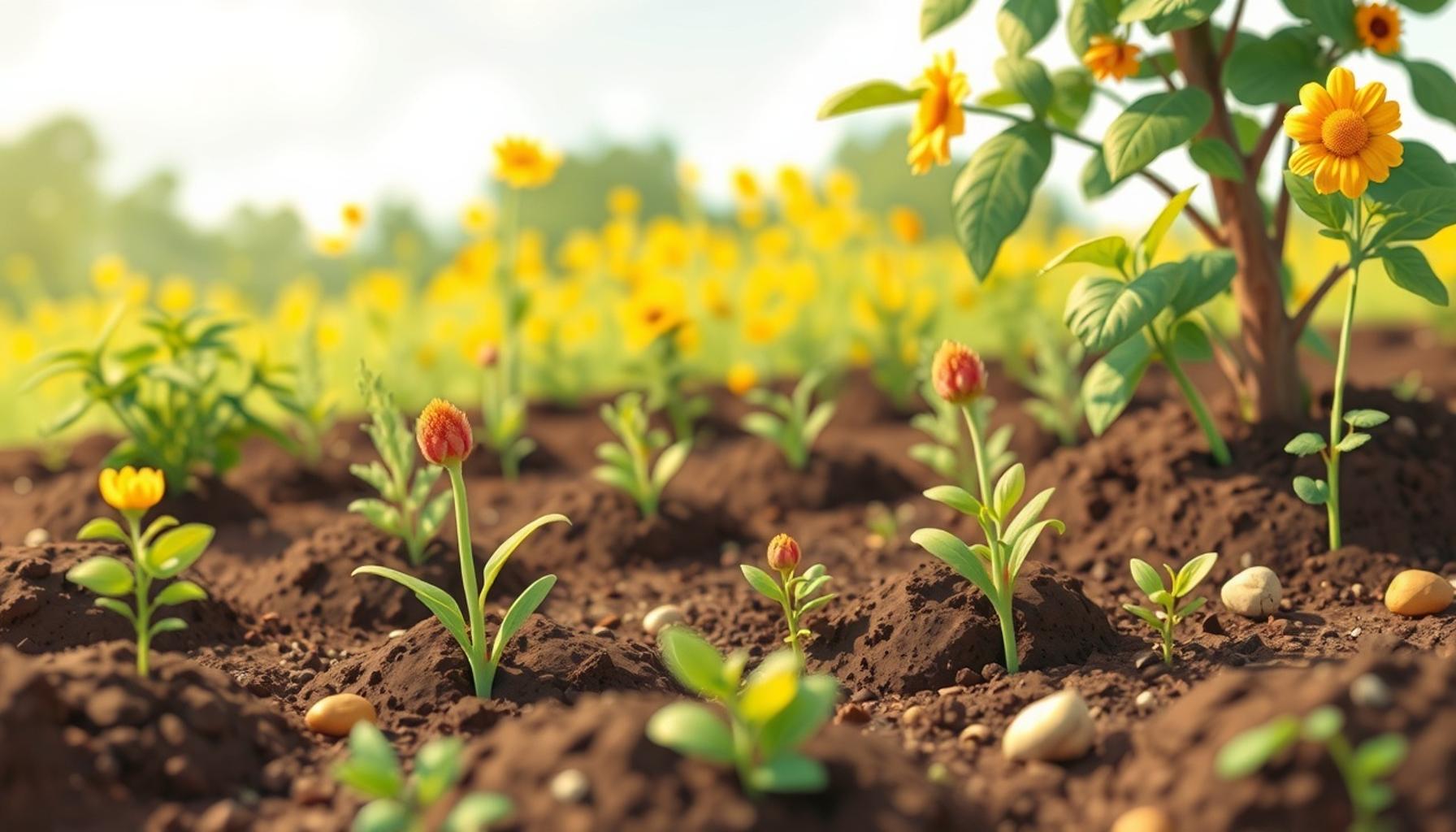
Healthy plants thrive in environments where soil is rich in nutrients and well-aerated. The process of soil cultivation is essential for any gardener aiming to promote robust plant growth. By effectively turning and aerating the soil, you can significantly improve its structure and composition, creating a nurturing environment for your plants to flourish.
Why is the management of soil so crucial for gardening? Let’s explore a few vital aspects:
- Improved Airflow: Adequate aeration is critical as it increases oxygen availability for plant roots, promoting stronger growth. Roots require oxygen to engage in respiration, which is essential for energy production.
- Enhanced Water Absorption: Soil that has been properly turned allows for better water penetration. This improves moisture retention and ensures that plants have access to the hydration they need, particularly during dry spells.
- Nutrient Availability: Cultivated soil improves the distribution of nutrients. When soil is aerated, essential minerals and organic matter are more accessible to plants, enhancing their overall health.
In the United States, several methods are available for effective soil cultivation, catering to different gardening styles and scales:
- Manual Turning: For smaller gardens, manual tools like spades, pitchforks, and garden forks can be effective in aerating and mixing soil. This method allows gardeners to monitor soil texture more closely and make adjustments as necessary.
- Rototillers: For those tending to larger plots, rototillers provide an efficient way to break up compacted soil. These machines can cover extensive areas quickly and are particularly valuable for annual gardens.
- Cover Crops: A sustainable practice, planting cover crops like clover or rye not only enhances soil structure but also adds organic matter when turned under. This technique enriches soil nutrients naturally while preventing erosion.
By adopting these soil cultivation techniques, gardeners can create an optimal environment for plant growth while also nurturing the earth. Practices such as regular aeration and the inclusion of organic matter can lead to productive harvests throughout the growing season.
This article aims to delve deeper into the complexities of turning and aerating soil, offering comprehensive guidance on best practices to empower your gardening endeavors. With the right knowledge and techniques, anyone can unlock the full potential of their garden space.
DISCOVER MORE: Click here for beginner-friendly plant options
Essential Methods for Turning Soil
Turning soil is a fundamental practice that sets the stage for successful gardening. It not only loosens compacted earth but also incorporates organic materials, ensuring an enriched growing environment for your plants. Let’s delve into some essential methods for effectively turning soil that cater to varying garden sizes and types:
- Double Digging: This intensive technique is particularly beneficial for vegetable gardens. Double digging involves removing the topsoil layer, loosening the subsoil below, and then returning the topsoil along with added compost and organic materials. This method creates aerated and nutrient-rich soil up to two feet deep, allowing plants to expand their roots and access nutrients more efficiently.
- Hori Hori Tool: This Japanese gardening knife is versatile and indispensable for any gardener. With a sharp edge on one side for cutting through tough roots and a serrated edge on the other for digging, the hori hori tool helps in turning the soil manually, particularly in tight spots where larger equipment may not reach. It’s an excellent choice for small garden beds and container gardens.
- Tilling Depths: For optimal results, understanding the depth of tilling is crucial. Generally, the top six to eight inches of soil should be adequately turned to incorporate organic matter and improve aeration. However, if you’re dealing with clay soils, a deeper tilling may be necessary—up to twelve inches. This deeper turning can break up hard soil layers and improve drainage over time.
By incorporating these techniques into your soil cultivation routine, you set the groundwork for healthier roots, enhanced moisture retention, and increased fertility in your garden.
The Art of Aerating Soil
Aeration is as vital as turning when it comes to improving soil health. While turning focuses on loosening the soil, aeration enhances the pathways for air, water, and nutrients to reach the roots. The following are effective methods for soil aeration that any gardener can implement:
- Aeration Tools: Hand-held aerators and core aerators can deeply penetrate and remove soil plugs, fostering a well-aerated environment. These tools work particularly well for compacted soils or areas with heavy foot traffic. By removing small cores of soil, aeration allows air and water to infiltrate, breaking the cycle of compaction.
- Forking: A garden fork can be an excellent tool for manual aeration. By simply inserting the fork into the soil at regular intervals and lifting slightly, you can achieve aeration without turning the soil over entirely. This method is easy to handle and ideal for established gardens that require minimal disruption.
- Seasonal Timing: Timing is essential for aeration. The best periods to aerate your soil are during the spring or fall, when soil is moist but not overly saturated. These seasons allow for the best results, as grass and plants can take full advantage of enhanced aeration during their active growth phases.
Incorporating proper aeration practices not only benefits root health but also improves overall soil structure, leading to lush gardens bursting with life and productivity. As you navigate through the techniques of turning and aerating soil, remember that these practices are not merely chores; they are vital components of creating a thriving ecosystem within your garden.
| Technique | Benefits |
|---|---|
| Turning the Soil | Promotes nutrient mixing and enhanced drainage, leading to healthier plants. |
| Aeration Techniques | Improves root growth and soil structure, which boosts oxygen availability and moisture retention. |
In the domain of soil cultivation techniques, mastering the art of turning and aerating soil can dramatically impact plant growth. Understanding the importance of turning the soil cannot be overstated—it serves as a method to mix organic matter, which not only enhances the nutrient content of the soil but also promotes better drainage. This fundamental practice can prevent root rot and other ailments that occur when water accumulates in compacted soil.On the other hand, various aeration techniques, such as using a garden fork or specialized aerating tools, can help in maintaining soil health. Aeration allows for the movement of air into the soil, critical for encouraging beneficial microbial activity and supporting robust root development. Furthermore, well-aerated soil has improved water retention capabilities, allowing plants to thrive even during dry spells.Engaging in these practical techniques not only enriches the groundwork for plants but also stimulates overall garden productivity. Each method paves the way for fostering a vibrant ecosystem, ensuring that your garden exhibits the lushness and health you strive for. Exploring these soil cultivation practices can lead to remarkable advancements in your gardening endeavors, supporting both your plants and your passion for gardening.
DISCOVER MORE: Click here to learn about selecting the best plants for your garden
Integrating Organic Matter for Enhanced Soil Health
One of the most profound ways to improve your soil’s fertility and structure is by incorporating organic matter. Organic matter enriches the soil, retains moisture, and encourages vital microbial populations. Here are some effective strategies for integrating organic matter into your soil cultivation routine:
- Compost Application: Compost is nature’s fertilizer, providing essential nutrients while improving soil texture and moisture retention. By adding a layer of well-rotted compost during the turning process, you not only enrich the soil but also promote the activity of beneficial microorganisms. Aim for a thickness of two to four inches of compost over your garden beds, mixing it thoroughly with the soil.
- Mulching: Adding organic mulches, such as wood chips, straw, or grass clippings, can significantly enhance soil health. As these materials break down over time, they supply nutrients, suppress weeds, and prevent soil erosion. Mulching also improves moisture retention and temperature regulation, creating a favorable microclimate for root development.
- Green Manures: Consider the use of cover crops, or green manures, which are grown specifically to improve soil health. Planting crops like clover or vetch during the off-season not only protects against erosion but also adds nitrogen back into the soil upon decomposition. When tilled back into the earth before planting your main crop, these plants enrich the soil and enhance its structure.
Incorporating organic matter isn’t just about adding nutrients; it transforms the soil into a living ecosystem, fostering vibrant growth and sustainability.
Understanding Soil Types and Their Needs
Not all soils are created equal, and understanding the unique characteristics of your soil type is critical for proper cultivation. Different soil types—sand, silt, clay, and loam—have specific challenges that affect aeration and nutrient retention:
- Clay Soils: Clay soils, while fertile, can become compacted, making aeration vital. Regularly turning the soil while adding coarse organic matter like sand can help improve drainage and root penetration. It is also advisable to avoid walking on wet clay soil to prevent further compaction.
- Sand Soils: Sandy soils drain quickly, often leading to nutrient leaching. Incorporating organic matter is crucial here to improve moisture retention. Fine compost or well-rotted manure can boost nutrient content without sacrificing drainage.
- Silty Soils: Silty soil is often very fertile but can be susceptible to compaction and erosion. It’s essential to balance soil structure by both turning and aerating to maintain optimal growing conditions. The addition of organic matter can further enhance its fertility.
- Loamy Soils: Loam, considered ideal for gardening, retains nutrients and moisture effectively. However, even loamy soils can benefit from periodic turning and the incorporation of organic matter, as it enhances microbial activity and retains soil structure.
By understanding your specific soil type, you can tailor your cultivation techniques to enhance both aeration and fertility, ensuring the best possible conditions for your plants.
Monitoring Soil Moisture for Optimal Growth
Maintaining proper soil moisture is integral to successful cultivation. After turning and aerating, it’s essential to monitor soil moisture levels to ensure that your plants receive adequate hydration:
- Observation: Regularly check your soil’s moisture by digging a small hole about two inches deep. If it feels damp but not saturated, it’s typically an ideal condition for planting. Soil that is too dry will hinder root growth, while excessively wet soil can result in root rot.
- Soil Moisture Meters: Utilizing soil moisture meters can provide precise readings of moisture levels, aiding in more informed watering practices. Implementing a schedule based on these readings allows for better water management, ultimately leading to healthier plant growth.
- Drip Irrigation: Instead of relying solely on surface watering, consider a drip irrigation system. This method delivers water directly to the root zone, ensuring deep penetration and preventing surface runoff, making it particularly effective in arid regions.
The integration of proper moisture management techniques along with turning and aerating will create a balanced environment that fosters vigorous plant growth, allowing your garden to thrive in various conditions.
LEARN MORE: Click here for essential pest control tips
Conclusion
In conclusion, mastering soil cultivation techniques—especially the processes of turning and aerating—is essential for any gardener aiming to enhance plant growth. These practices involve breaking up compacted soil and improving its texture, which ultimately fosters a healthier environment for roots to develop. For instance, turning the soil allows for better nutrient distribution and can help dislodge any pests or diseases that may have taken residence in the soil profile.
The integration of organic matter is a game-changer in this process, enriching soil health while boosting moisture retention and microbial activity. Techniques such as applying compost, using mulch, and utilizing green manures can significantly transform your garden’s soil into a thriving ecosystem that supports robust plant life. Compost is particularly effective as it recycles yard waste and kitchen scraps, thereby reducing landfill contributions while simultaneously nourishing your garden. On the other hand, mulching can minimize weed growth and protect soil temperature fluctuations, creating a more stable growing environment.
Additionally, recognizing the unique characteristics of your soil type allows for customized care tailored to its specific needs. Whether dealing with clay, sandy, silty, or loamy soils, understanding how each type contributes to overall soil health can lead to smarter cultivation decisions. For example, clay soils often require additional organic matter to improve drainage, while sandy soils benefit from large amounts of compost to aid in water retention.
- Regular monitoring of soil moisture ensures that plants receive the hydration they require, promoting optimal growth conditions.
- Conducting a simple soil test can provide insights on pH levels and nutrient availability, guiding your fertilization strategy.
- Consider crop rotation and cover crops to naturally enrich your soil over time.
Ultimately, investing time and effort into these soil cultivation techniques not only yields healthier plants but contributes to sustainable gardening practices that protect and enrich our environment. As you implement these strategies, remember that healthy soil is the foundation for a lush and productive garden. Armed with this knowledge, take the plunge and elevate your gardening experience—your plants will thank you!