Colorful Choices: Selecting Flowering Plants to Brighten Your Home Garden
Elevate Your Garden Aesthetic
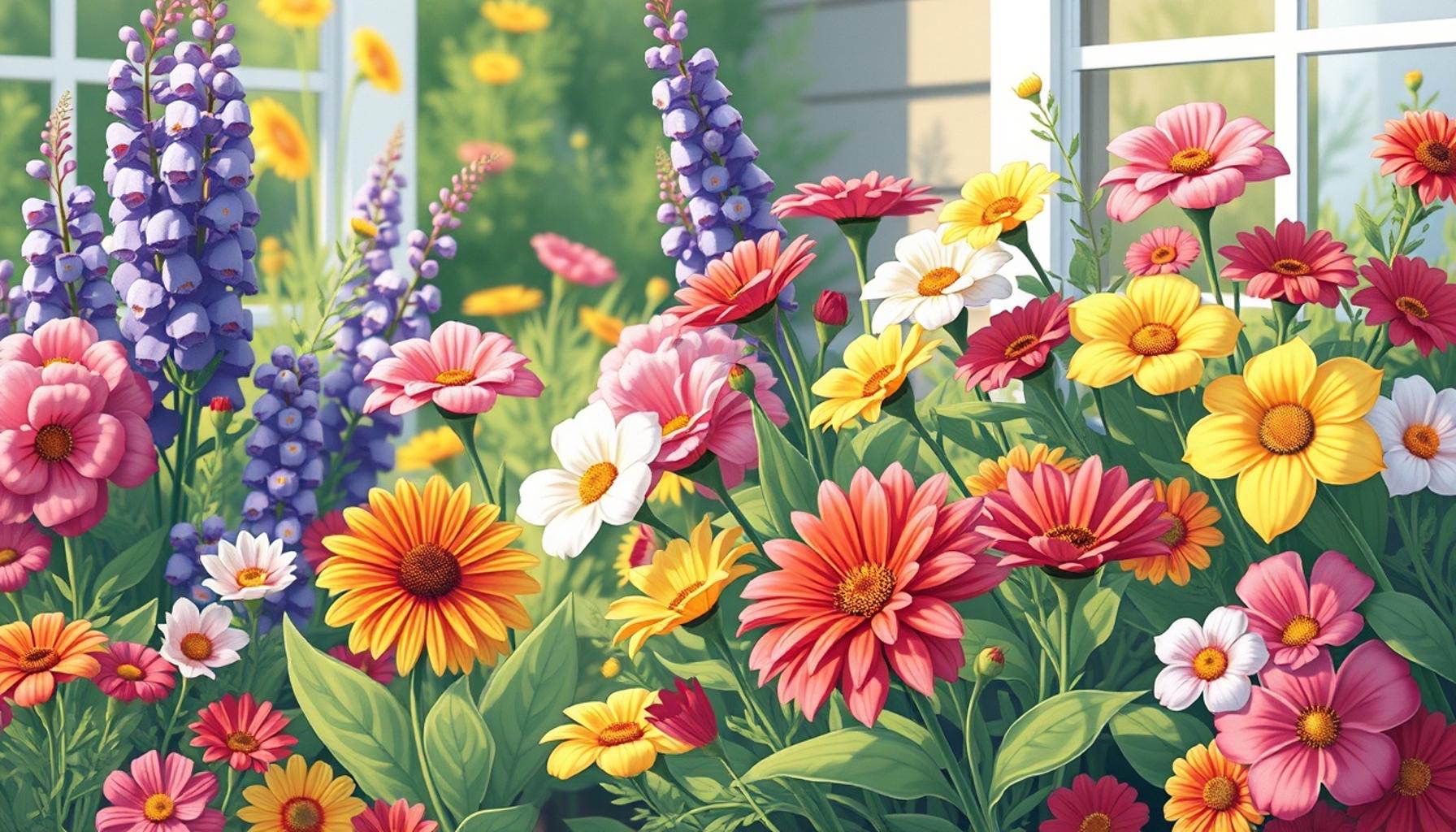
Transforming your home garden into a vibrant oasis is easier than you think. With an array of colorful flowering plants available, you can enhance your outdoor space and create a stunning visual appeal. Each plant brings its unique charm, making it essential to choose wisely to ensure they thrive in your specific environment.
Why Choose Flowering Plants?
Flowering plants offer numerous benefits for both aesthetics and the environment, making them an essential component of garden design. Aside from their undeniable beauty, these plants serve several functional purposes.
- Visual Interest: The diverse palette of colors and varying textures can turn even the most bland spaces into lively gardens. For instance, the contrast of deep purple petunias against the bright yellow of rudbeckia can create a stunning visual dynamic.
- Wildlife Attraction: Many varieties of flowering plants naturally attract essential pollinators, including bees, butterflies, and hummingbirds. This not only helps to maintain local biodiversity but also supports the ecosystem surrounding your garden.
- Seasonal Variety: Different species bloom at various times throughout the year, ensuring your garden is filled with continuous beauty. For example, if you plant spring bloomers like tulips alongside summer favorites such as daylilies, you’ll enjoy a colorful display from early spring through late summer.
Popular Flowering Options
In the United States, a wide variety of flowering plants are celebrated for their beauty and adaptability to different climates:
- Daylilies: Known for their resilience, daylilies come in countless colors and patterns. They thrive in various soil conditions and are perennial, which means they return year after year with minimal maintenance.
- Petunias: These annual flowers are ideal for container gardening, overflowing with vibrant hues ranging from purples to pinks and whites. Their low maintenance and ability to bloom throughout summer make them a gardener’s favorite.
- Rudbeckia: Often referred to as black-eyed Susans, these cheerful blooms are not just beautiful but also require minimal care, making them perfect for novice gardeners. Their bright yellow petals and dark centers add a vibrant splash to any garden setting.
As you explore the options available, it can feel overwhelming at first. However, understanding each plant’s specific needs in terms of sunlight, soil type, and watering will simplify your choices significantly. By doing so, you will not only enjoy the aesthetic benefits but also foster a thriving and sustainable garden ecosystem.
Embarking on this journey into the world of flowering plants will lead you to exciting possibilities, allowing you to create an outdoor sanctuary that reflects your personal style and contributes positively to the environment. Your garden can become a remarkable space for relaxation, celebration, and connection to nature, making each moment spent in it truly special.
DISCOVER MORE: Click here for essential harvesting tips
Identifying Your Garden’s Unique Environment
Before you start envisioning a vibrant display of flowering plants for your home garden, it’s crucial to assess your garden’s unique environment. This involves taking into account several key factors that can influence plant health and blooming potential. By understanding these elements, you’ll set the stage for a flourishing garden bursting with color.
Assessing Sunlight Availability
The amount of sunlight your garden receives plays a significant role in the success of your flowering plants. Different species have varying light requirements, so it’s essential to evaluate how many hours of sunlight your garden beds receive throughout the day. You can categorize your garden into three main types:
- Full Sun: Areas that experience six or more hours of direct sunlight are ideal for sun-loving plants. Varieties like zinnias and marigolds thrive in these conditions, offering bright hues that can brighten any space.
- Partial Shade: If your garden receives three to six hours of sunlight, you can choose plants that tolerate less intense light. Astilbes and hostas are excellent options, providing texture and color without needing full sun.
- Full Shade: For shaded areas that receive less than three hours of sunlight, consider flowering plants such as bleeding hearts or heucheras. These varieties add vibrant colors to darker spaces, creating a lush backdrop.
Understanding Soil Quality
The quality of your soil is another crucial aspect of gardening success. Healthy soil supports the root system and provides critical nutrients for flowering plants. Here are some essential characteristics to consider:
- Drainage: Well-drained soil prevents waterlogging, which can lead to root rot. Conduct a simple test by digging a hole and filling it with water; if it drains quickly, your site is suitable for a range of flowering options.
- pH Level: Most flowering plants prefer a slightly acidic to neutral pH (around 6.0 to 7.0). You can purchase a soil testing kit to determine your garden’s pH level and amend it with lime or sulfur as necessary.
- Nutrient Content: Healthy soil rich in organic matter ensures that your plants receive the nutrients they need. Consider incorporating compost or well-rotted manure to enrich your garden beds.
Having an understanding of your garden’s sunlight availability and soil quality will not only guide you in selecting the right flowering plants but also aid you in establishing a vibrant and sustainable garden. By carefully considering these factors, you can curate a collection of blooms that will thrive and provide endless visual pleasure for you and your guests.
| Category | Key Features |
|---|---|
| Flowering Plants | Create vibrant and lively spaces full of color. |
| Aesthetically Pleasing | Enhance outdoor areas and provide a visual feast through their stunning colors and textures. |
| Low Maintenance Options | Certain varieties require minimal care while offering beautiful blooms. |
| Seasonal Variety | Experience year-round beauty as different plants blossom in various seasons. |
Choosing the right flowering plants provides not only aesthetic advantages, but also contributes to ecological sustainability. Incorporating native plants can assure that your garden thrives with minimal effort, due to their established adaptability to local soils and climate conditions. Furthermore, flowering plants can also attract pollinators, such as bees and butterflies, which are crucial for the health of your local ecosystem.In addition to their considerable visual appeal, these garden choices can also enhance your social environment. They encourage you to create spaces where family and friends gather, relax, and appreciate nature. Whether it’s planting vibrant geraniums, fragrant roses, or cheerful marigolds, you’ll find that your choice of plants can impact not just the look of your garden, but the overall feeling it evokes.As you delve deeper into the world of flowering plants, explore the best combinations and arrangements that resonate with your personal style. Be adventurous, allow yourself to experiment with colors, heights, and textures. By doing so, you can create an enchanting atmosphere that transforms your home garden into a stunning sanctuary.
LEARN MORE: Click here for natural pest control tips</p
Choosing the Right Flowering Plants for Your Garden
Now that you have assessed the sunlight availability and soil quality in your garden, it’s time to explore your options for flowering plants that will thrive in your unique conditions. This process goes beyond mere aesthetics; selecting species that match your garden’s characteristics is key to cultivating a vibrant and enduring display of color.
Seasonal Varieties to Extend Bloom Time
One exciting way to keep your garden in color year-round is to select seasonal flowering plants that bloom at different times. This strategy allows for a constant transition of colors, creating a dynamic and engaging visual experience. Here are some popular options categorized by season:
- Spring: Consider planting tulips and daffodils for an early burst of color. These bulbs are hardy and provide brilliant shades of yellow, red, and purple as they emerge from the cold soil.
- Summer: For the warm months, hydrangeas and coneflowers are stellar choices. Their vibrant blooms can range from soft pastels to bold hues, adding depth to your garden.
- Fall: Mums, or chrysanthemums, feature plentiful blooms in strong colors like deep orange and red, ensuring your garden stays lively even as the temperatures drop.
- Winter: Don’t forget about winter-blooming plants such as hellebores. These resilient flowers provide essential greenery and delicate blooms during the colder months, lifting spirits in the bleak winter landscape.
Incorporating Native Plants
When selecting flowering plants, another excellent choice is to incorporate native species into your garden. Native plants are specially adapted to the local climate, soil, and pests, making them incredibly sustainable and often low-maintenance. For instance:
- Black-eyed Susans are bright yellow blossoms that attract pollinators like bees and butterflies, contributing to the health of local ecosystems.
- Bee Balm not only adds striking red or pink flowers but also provides essential nectar for hummingbirds, bringing life to your garden.
- Coreopsis, known for its cheerful yellow blooms, is drought-tolerant and thrives in various soil types, making it an ideal choice for many landscapes.
Color Combinations for Maximum Impact
Once you have identified flowering plants suited to your conditions, consider how their colors will interact. Striking combinations can create stunning visual displays. Color theory can be a useful guide in this process:
- Complementary Colors: Pairing contrasting colors, like purple and yellow, can make each shade pop and draw attention.
- Analogous Colors: Grouping colors next to each other on the color wheel, such as red and orange, creates a harmonious and unified look.
- Monochromatic Schemes: Using varying shades of the same color can add depth while providing a soothing and elegant aesthetic.
As you mix and match different species and hues, don’t forget to also consider the plants’ heights and growth habits. By layering taller plants at the back and shorter ones in the front, you can add dimension to your garden while ensuring every bloom is visible and appreciated.
DON’T MISS OUT: Click here to learn how to keep your plants thriving while you’re away</a
Conclusion: Cultivating a Colorful Home Garden
As we wrap up our exploration into the world of flowering plants, it is evident that the right selections can truly transform your home garden into a vibrant oasis. Understanding your garden’s specific sunlight availability and soil quality unlocks a wealth of possibilities, allowing you to choose plants that not only thrive but also create a breathtaking display tailored to your personal taste.
By incorporating seasonal varieties, you can enjoy a kaleidoscope of colors throughout the year, while integrating native species not only enhances the beauty of your garden but also supports local ecosystems. Thoughtful consideration of color combinations further adds dimension and interest, ensuring your garden remains captivating with each passing season. Whether it’s the cheerful yellows of Black-eyed Susans or the elegant blues of hydrangeas, every choice contributes to the overall aesthetic and health of your space.
In essence, creating a colorful home garden is not merely a task; it is an opportunity to express your creativity and connect with nature. So, arm yourself with the knowledge to make informed decisions, and let your garden be a constantly evolving palette of color, fragrance, and life. Strive to experiment with different combinations and be bold in your choices, as the reward will be a delightful retreat that brings joy and inspiration to both you and your visitors.
If you’re considering your next planting project, take the plunge into the remarkable world of flowering plants. The journey promises to be enriching, offering not just beauty, but also a deeper understanding of the natural world around you.