Manual Irrigation Methods: Tools and Techniques for Beginners
Understanding Manual Irrigation
Mastering the techniques of manual irrigation can dramatically enhance your gardening experience. This traditional method allows gardeners to engage more intimately with their plants, nurturing them with care and attention. Whether you are tending to a cozy vegetable garden brimming with tomatoes and cucumbers or fostering a lush flower bed filled with tulips and daisies, selecting the right irrigation method is crucial for plant health and growth.
Why Choose Manual Irrigation?
Opting for manual irrigation offers an array of advantages, particularly appealing to novice gardeners:
- Control: One of the foremost benefits is the ability to regulate water levels with precision. This is essential in preventing the common pitfalls of gardening, such as overwatering or underwatering, which can lead to root rot or dehydration. By observing your plants closely, you can adapt your watering schedule to meet their specific needs.
- Simplicity: Manual irrigation employs straightforward principles, requiring minimal equipment. A basic setup often includes just a watering can or a hose, making it an accessible choice for everyone, regardless of their experience level.
- Cost-effective: Unlike automated sprinkler systems or drip irrigation setups, manual irrigation is budget-friendly. You can invest in essential tools like hoses and watering cans without the burden of complicated installations or high upfront costs, allowing you to allocate your budget towards quality seeds and soil amendments instead.
Essential Tools for Beginners
To effectively start with manual irrigation, familiarize yourself with a few essential tools that can significantly influence your gardening experience:
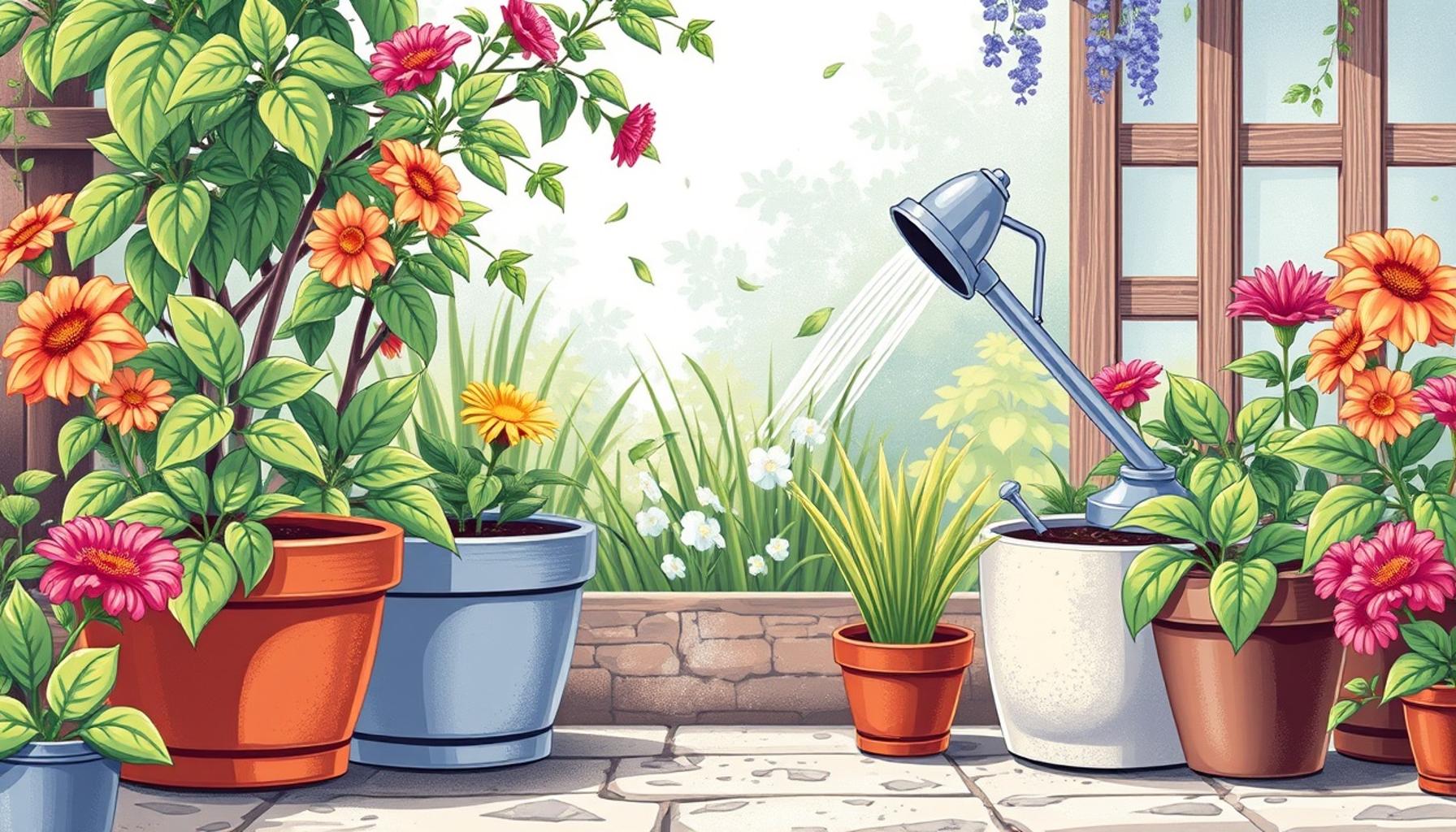
- Watering Can: This classic tool is ideal for small gardens and potted plants, enabling you to direct water exactly where it’s needed. With various sizes and spout configurations available, you can choose one that suits your garden’s layout.
- Garden Hose: A versatile option for larger areas, hoses come with adjustable nozzles that allow you to switch between fine mist for delicate seedlings and a powerful jet for established plants. Lightweight hoses are particularly useful, as they minimize fatigue during extended watering sessions.
- Sprinkler System: While still considered manual, some simple sprinkler systems can provide a more uniform watering method for broader spaces. These can be manually controlled and repositioned, ensuring that every inch of your garden receives adequate hydration.
The world of manual irrigation methods opens up a plethora of possibilities. From the tools you select to the techniques you apply, every choice impacts your garden’s vibrancy and yield. As you delve deeper into these practices, you will discover not just a method of watering but an enriching pathway to gardening mastery. Gather more insights, explore various techniques like drip irrigation or soaker hoses, and unleash your gardening potential with a hands-on approach that connects you directly to the soil.
LEARN MORE: Click here for effective watering techniques
Techniques for Effective Manual Irrigation
As gardeners embark on their journey toward effective manual irrigation, understanding various techniques is vital. Employing the right watering methods tailored to your garden’s needs can significantly affect the vitality of your plants. Below are some popular techniques that beginners can apply to achieve optimal results.
Watering Techniques to Enhance Plant Growth
Mastering different manual irrigation techniques not only ensures each plant receives adequate moisture but also allows beginners to refine their approach over time. Here are some fundamental methods:
- Deep Watering: This technique involves soaking the soil thoroughly to promote deep root growth. By watering slowly and deeply, you encourage roots to reach further into the soil, making plants less dependent on frequent watering. It’s ideal for established plants and is most effective early in the morning or late in the day.
- Targeted Watering: With tools like watering cans or spray nozzles, directing water precisely to the base of the plants can minimize waste and ensure that the vital roots receive their share. This method prevents excess moisture on the foliage, reducing the risk of diseases that thrive in wet conditions.
- Soaker Hoses: A relatively simple yet effective technique involves laying soaker hoses throughout your garden bed. These hoses allow water to seep out slowly, delivering moisture directly where it’s needed. They work exceptionally well for gardens with diverse plant types, ensuring uniform hydration with minimal effort.
- Flooding and Basin Watering: Perfect for crops that thrive in wet conditions, flooding a garden or creating basins around plants can keep them well-hydrated. This method helps retain moisture in sandy soils but should be applied judiciously to prevent waterlogging.
Timing Your Watering Schedule
An essential aspect of manual irrigation is the timing of watering sessions. The best times to water your plants are:
- Early Morning: Watering in the early hours allows the moisture to reach the roots before the sun’s intensity increases, reducing evaporation.
- Late Afternoon or Evening: Providing water during these times can help plants recover from the heat of the day, though it’s essential to avoid getting the leaves wet, as lingering moisture can attract mold and pests.
Incorporating these techniques into your gardening routine will not only promote a healthier growth environment for your plants but also help you cultivate a deeper bond with your garden. Experimentation is encouraged, as each technique may yield varying results based on factors like plant type, soil condition, and weather. Delving into these methods paves the way for developing your unique approach to manual irrigation. As you continue your exploration, consider how each technique can integrate with your tools, enriching both plant health and your gardening experience.
Understanding Manual Irrigation Methods
Manual irrigation methods are essential techniques for beginners looking to efficiently manage water usage in their gardens or small farms. These methods provide flexibility, cost-effectiveness, and a direct way to nurture plants without relying on complex machinery. Let’s explore some of these valuable methods and the tools that can enhance your watering experience.
| Category 1 | Category 2 |
|---|---|
| Watering Cans | Perfect for small gardens, offering precise control over water delivery to plants. |
| Soaker Hoses | Efficient for watering long rows of plants, allowing water to seep through porous material directly to the roots. |
| Drip Irrigation Kits | Targeted watering that conserves water while delivering it directly to the plant base. |
| Sprinklers | Ideal for larger areas, providing an even watering pattern that mimics natural rainfall. |
Adopting these manual irrigation tools and techniques simplifies the watering process and ensures that your plants receive the right amount of moisture for optimal growth. As you experiment with these methods, you’ll discover the most effective ways to keep your garden nourished. Don’t be afraid to customize your approach based on your garden’s specific needs and your comfort level with different tools.
Additionally, the time investment for manual irrigation can enhance your connection to your plants, giving you the opportunity to observe their growth and identify any issues early on. With the right supplies, you can easily become adept at using manual irrigation methods, transforming your gardening experience into an engaging and rewarding pastime.
DISCOVER MORE: Click here for natural pest control tips</p
Tools for Manual Irrigation: Essential Equipment for Beginners
Equipped with the right tools for manual irrigation, beginners can enhance their watering techniques and improve overall garden efficiency. Selecting user-friendly and effective tools makes the process not only easier but also significantly beneficial for plant health. Here is a rundown of essential equipment to consider:
Watering Cans: The Gardener’s Classic Tool
A watering can is a staple for any gardener’s toolkit. Available in various sizes, these cans allow for precise control over the amount of water delivered to each plant. When selecting a watering can, a long spout is advantageous for reaching those hard-to-access areas without excessive handling. Look for options with a balanced weight that easily pours without straining your wrist, and consider models with a detachable spout for easier storage.
Hoses and Hose Accessories
Garden hoses are indispensable for manual irrigation, principally for larger areas or outdoor gardens. Investing in a lightweight and flexible hose can ease the physical demands of watering. For greater efficiency, complement your hose with accessories such as:
- Spray Nozzles: These allow for adjustable water flow, letting you switch between fine mist and powerful streams. This adaptability could help meet the specific watering needs of various plants.
- Inline Emitters: If you’re using a soaker hose, consider incorporating inline emitters that deliver water directly to the base of plants at a measured pace, ensuring a controlled watering process.
Watering Tools for Larger Gardens
For beginners managing larger gardens, it may be worthwhile to explore other watering tools that amplify efficiency:
- Garden Trowels: While primarily used for planting and digging, trowels can assist in checking soil moisture levels around the roots, giving you valuable data on when to water.
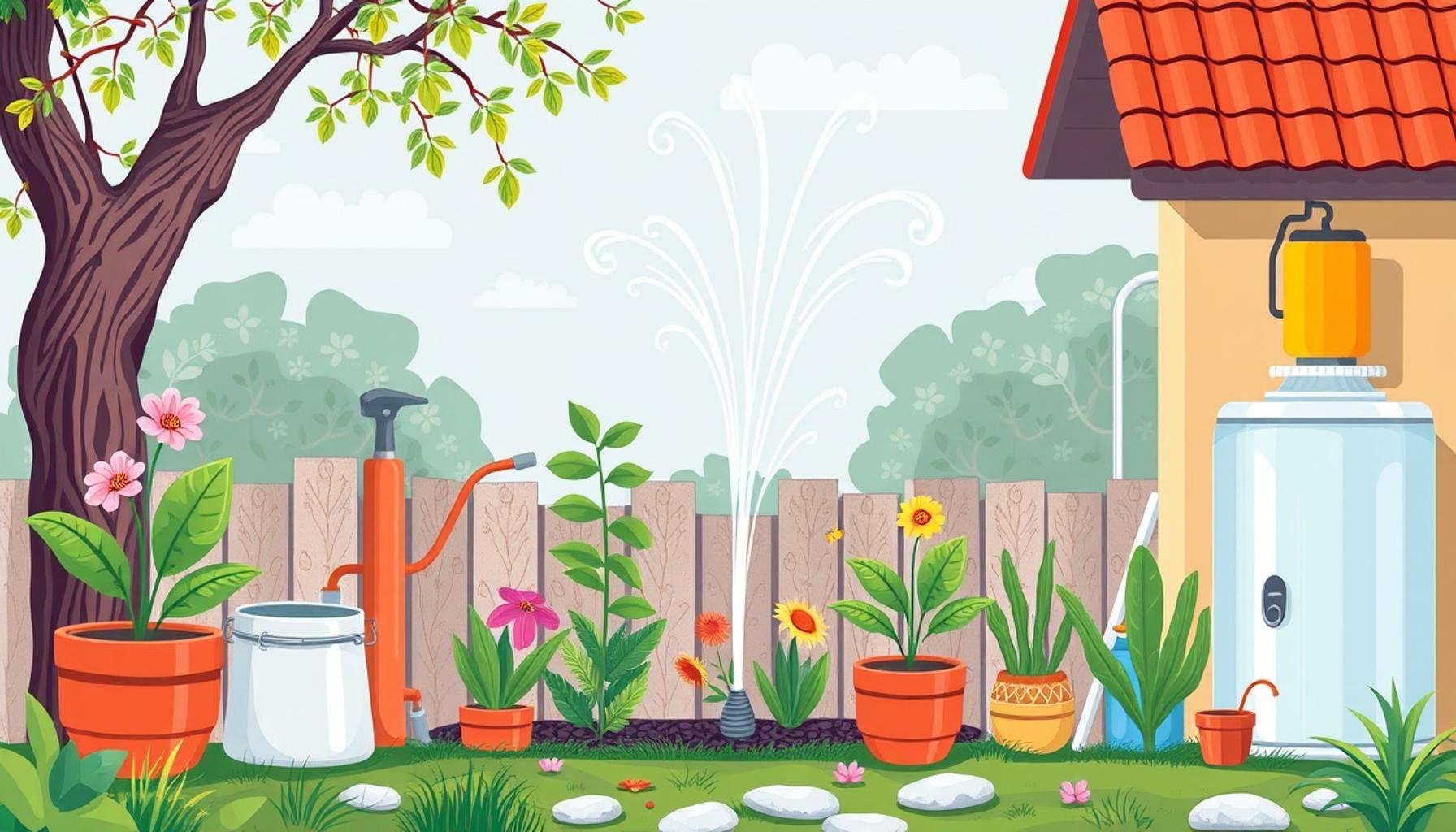
- Rain Barrels: Collecting rainwater is a sustainable way to manage watering needs. Not only does it reduce stormwater runoff, but it also provides a free water source for your garden.
Understanding Soil Types and Their Watering Needs
In addition to tools, understanding the type of soil in your garden influences how you approach manual irrigation. Different soil types hold water differently:
- Clay Soil: Retains moisture exceptionally well, which means less frequent watering is necessary but be cautious of overwatering which can lead to root rot.
- Sandy Soil: Drains quickly, requiring more frequent watering sessions to maintain proper moisture levels. In this case, deep watering techniques become even more critical.
- Loam Soil: Known for its balance, loam holds moisture efficiently while allowing drainage, making it easier to manage watering needs.
Understanding your soil type helps in customizing your irrigation routine, allowing for effective water use while promoting plant health. As you become more comfortable with manual irrigation techniques and choose the right tools, you’ll develop a system that works harmoniously with your plants’ unique needs, enhancing both yield and vitality throughout your gardening journey.
DIVE DEEPER: Click here to discover essential watering techniques
Conclusion: Embracing Manual Irrigation for Lasting Growth
In the world of gardening, manual irrigation methods equip beginners with the knowledge and tools to nurture their plants effectively. By understanding the unique needs of each plant and selecting the right tools—from watering cans and hoses to specialized accessories—gardeners can create an efficient watering routine tailored to their specific environments. As explored, different soil types influence how water interacts with roots, highlighting the need for a personalized approach.
Additionally, mastering manual irrigation techniques fosters a deeper connection between the gardener and their garden. Observing how plants respond to different watering methods not only enhances hydration practices but also promotes sustainable gardening. For instance, collecting rainwater using barrels not only conserves resources but also contributes to environmental health, aligning gardening endeavors with eco-friendly practices.
As you embark on your gardening journey, remember that the art of irrigation is as much about observation as it is about tools. Each watering session is an opportunity to learn—notice the way plants respond, evaluate soil moisture, and adjust your techniques accordingly. With patience and practice, you’ll cultivate not just vibrant plants but also grow as a knowledgeable gardener. So gather your tools, equip yourself with the right techniques, and dive into the rewarding world of manual irrigation. Your flourishing garden awaits!