Integrating Organic Mulches for Pest Prevention in Home Gardens
The Multifaceted Benefits of Organic Mulches
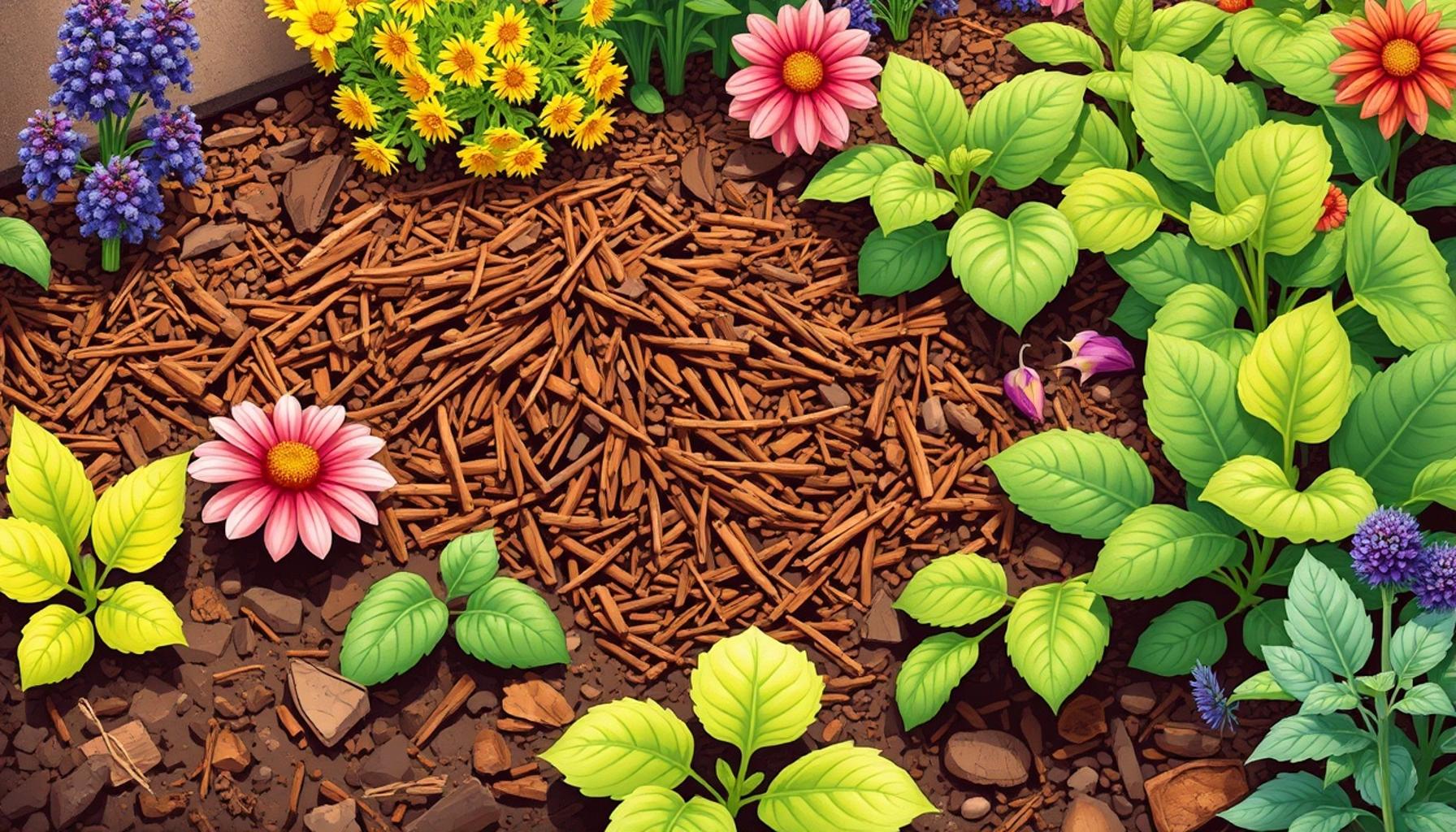
Organic mulches are not just for aesthetics; they play a vital role in maintaining a healthy garden ecosystem. By applying organic materials, you not only enhance soil quality but also create a natural barrier against common garden pests. This is particularly important for gardeners who seek to promote biodiversity while reducing reliance on synthetic pesticides.
How Organic Mulches Combat Pests
Integrating different types of organic mulches can significantly reduce pest populations through several mechanisms:
- Deterring Harmful Insects: Certain mulches, like cedar or pine bark, possess natural oils that emit scents repellent to harmful insects such as termites and certain beetles. For instance, cedar mulch has been known to deter the beloved yet troublesome Japanese beetle, making it a popular choice among gardeners dealing with these pests.
- Promoting Beneficial Microorganisms: A healthy layer of mulch not only enriches the soil but also fosters a thriving community of beneficial microorganisms. These helpful creatures, including earthworms and mycorrhizal fungi, actively outcompete and prey on harmful pests, maintaining a balanced ecosystem. For example, introducing compost as mulch encourages a robust population of beneficial bacteria that helps decompose organic matter, contributing further to soil fertility.
- Modulating Soil Temperature and Moisture: By keeping soil cooler and maintaining consistent moisture levels, organic mulches help deter specific pest species that thrive in extreme conditions. For instance, a thick layer of straw mulch can effectively shield soil from harmful temperature spikes, reducing the likelihood of heat-loving pests like spider mites establishing themselves in your garden.
Types of Organic Mulches to Consider
Exploring the diverse types of organic mulches available can reveal their unique benefits, each contributing to enhanced garden health while keeping unwanted pests at bay. For example:
- Straw: While offering great moisture retention, straw can also provide habitat for beneficial insects such as ladybugs, which feed on aphids.
- Shredded Leaves: An affordable option, shredded leaves enrich the soil as they break down while also encouraging the presence of earthworms.
- Grass Clippings: This readily available mulch can suppress weeds and provide nutrients as it decomposes, all while creating a barrier that deters invasive species.
Incorporating organic mulches into your home garden is an effective and environmentally friendly method for pest prevention. Not only does it support plant growth, but it also contributes to sustainable gardening practices. By embarking on this organic journey, gardeners are empowered to create thriving ecosystems that deliver beauty and bounty.
Consider visiting local garden centers or agricultural extension offices for more information about the best types of organic mulches suited to your specific region. In doing so, you can discover how various mulches can synergize with your gardening goals while preserving the delicate balance of nature.
DISCOVER MORE: Click here to learn the best harvest times
Naturally Repelling Pests: The Science Behind Organic Mulches
Integrating organic mulches into your home garden goes beyond enhancing aesthetics; it acts as a powerful strategy for pest prevention rooted in the principles of ecology. By understanding the natural characteristics of different organic materials, gardeners can create an effective defense against various pests. This approach not only promotes plant health but also fosters a balanced ecosystem.
How Organic Mulches Create a Pest-Resistant Environment
The effectiveness of organic mulches in combating pests can be attributed to several scientific principles:
- Physical Barrier: One of the most immediate benefits of organic mulches is their ability to create a physical barrier that prevents pests from accessing plant roots and leaves. This protective shield can be especially useful in warding off soil-borne pests like root maggots and nematodes.
- Improved Soil Health: Organic mulches break down over time, enriching the soil with vital nutrients. Healthy soil provides robust plants that can better withstand pest pressures. For instance, a study conducted by the University of California found that gardens with healthy organic matter show reduced susceptibility to pests compared to those with nutrient-depleted soil.
- Aromas and Residues: As organic mulches decompose, they release natural compounds that deter various pests. For example, mulches made from garlic, which is known for its strong odor, can effectively repel insects like aphids and leafhoppers.
Unleashing the Power of Diverse Organic Sources
Selecting the right type of organic mulch can significantly enhance its pest-repellent qualities. Consider the following options:
- Wood Chips: When used as mulch, wood chips not only suppress weeds but also create a habitat that encourages beneficial wildlife, such as predatory insects that prey on harmful pests.
- Compost: As a nutrient-rich mulch, compost serves dual purposes by enriching the soil and attracting advantageous insects like hoverflies, which assist in controlling aphid populations.
- Hay: This traditional mulching option is not just a weed barrier but also serves as a shelter for beneficial insects and can help you establish a thriving ecosystem around your plants.
Incorporating a variety of organic mulches not only caters to different types of soil conditions but also enhances biodiversity in the garden. Each mulch type contributes uniquely, creating a more resilient garden against pest outbreaks. By strategically integrating these organic materials, gardeners can create an environment where plants thrive in harmony with nature, actively reducing the need for chemical interventions.
As you embark on your journey of integrating organic mulches, consider researching local resources and expert articles that delve into specific pest challenges in your region. Understanding regional pest behaviors and corresponding organic solutions will empower you to adapt your strategies effectively, leading to a robust, healthy garden.
Integrating organic mulches into your home garden can significantly enhance pest prevention while promoting a healthier ecosystem. By creating a barrier between pests and your plants, organic mulches serve multiple roles that benefit both the garden and the gardener. In this section, we will explore essential advantages associated with the application of organic mulches, focusing on their effectiveness in pest control.
| Category 1 | Category 2 |
|---|---|
| Natural Pest Deterrent | Organic mulches, such as cedar or pine, contain natural oils that repel insects, reducing the need for chemical pesticides. |
| Soil Health Improvement | Mulches contribute nutrients to the soil as they decompose, fostering earthworm activity and microbial life that enhance plant health and resilience against pests. |
Another benefit of organic mulches is moisture retention, which is vital for plant well-being. Maintaining sufficient moisture reduces plant stress, making them less susceptible to pest infestations. Furthermore, organic mulches provide habitat for beneficial insects, such as predatory beetles and parasitic wasps, which play an integral role in managing pest populations naturally.
Through effective incorporation of organic mulches, gardeners can create a proactive approach to pest management that not only safeguards plants but also supports overall garden health. The multi-faceted advantages make this practice a worthy consideration for any home gardener aiming for sustainable pest prevention.
DISCOVER MORE: Click here to learn about why native plants are the ultimate choice for your garden</
Enhancing Biodiversity and Soil Fertility with Organic Mulches
Beyond their immediate pest-repelling attributes, organic mulches play a pivotal role in fostering biodiversity and enhancing soil fertility. By offering a conducive environment for various beneficial organisms, these natural materials contribute to ecological stability in the garden ecosystem.
Encouraging Beneficial Insects and Microorganisms
One of the key advantages of using organic mulches is their ability to attract beneficial insects and microorganisms, which can be decisive in the battle against harmful pests. For instance, mulches like straw and leaf litter provide a refuge for predatory insects such as ladybugs and lacewings, which are known to feed on aphids and other soft-bodied pests. According to research by the University of Maryland Extension, gardens with diverse mulch types exhibit greater populations of these beneficial organisms, leading to a natural pest control mechanism.
In addition to insects, organic mulches also support a variety of soil microorganisms. As these materials decompose, they create a hospitable environment for bacteria and fungi that contribute to nutrient cycling. For example, mycorrhizal fungi, which thrive in mulched areas, enhance plant nutrient absorption, making crops more resilient to pest attacks. This synergy between plants and beneficial soil organisms establishes a productive garden ecosystem.
Utilizing Specific Mulches for Targeted Pest Management
Home gardeners can further refine their pest prevention strategies by choosing specific organic mulches known for their pest-repellent properties. Here are some noteworthy examples:
- Cinnamon Mulch: A surprising pest deterrent, cinnamon can be utilized as a mulch to repel pests like ants, aphids, and cutworms due to its strong aromatic compounds. Sprinkling ground cinnamon around plants not only creates a barrier but also adds a distinctive fragrance to your garden.
- Citrus Peel Mulch: Leftover citrus peels can be composted and used as mulch, helping to ward off pests such as snails and slugs, which are often deterred by the citrus scent.
- Pine Needles: In addition to providing excellent weed suppression, pine needles create a fairly acidic environment that may deter specific pests while benefiting acid-loving plants like blueberries and azaleas.
Incorporating these targeted mulches allows gardeners to tailor their pest management approach while maintaining an ecological balance within their garden. Local resources, such as county extension services, can provide insights on which mulches might best suit your specific pest challenges.
The Role of Organic Mulches in Water Conservation
Another often-overlooked benefit of organic mulches is their contribution to moisture retention in the soil. As mulch layers regulate soil temperature and minimize evaporation, plants remain hydrated even during dry spells. A study by the University of Florida revealed that gardens utilizing organic mulches exhibited a significant reduction in water usage compared to bare soil, while also maintaining healthier plants less susceptible to pests.
This water-conserving feature not only promotes plant vigor but also creates a less stressful environment for both plants and beneficial insects, ultimately contributing to increased resilience against pest infestations. By strategically applying organic mulches, gardeners can cultivate a thriving ecosystem, aligning with sustainable gardening practices that benefit both the environment and their gardening pursuits.
DON’T MISS: Click here to discover the best watering times for your plants!
Conclusion: Embracing Organic Mulches for a Resilient Garden
In the quest for effective pest prevention in home gardens, the integration of organic mulches emerges as a multifaceted strategy that not only protects plants but also enriches the ecosystem. By creating an environment conducive to beneficial insects and microorganisms, gardeners can significantly bolster their defenses against common garden pests. The incorporation of specific mulches, such as cinnamon and citrus peel, showcases how simple, natural solutions can be harnessed to target unwanted invaders while fostering thriving garden life.
Moreover, the benefits of water conservation linked to organic mulches cannot be overlooked. The moisture-retaining properties of these mulches not only alleviate the strain on water resources but also promote healthier plants that are inherently less susceptible to pest infestations. Sustainable gardening practices, such as the use of organic mulches, represent a holistic approach that aligns with ecological stewardship and enhances garden biodiversity.
As home gardeners are increasingly faced with the challenges of pest management, the adoption of organic mulches stands out as a proactive measure. By experimenting with different types and observing their effects, gardeners can tailor their strategies to meet specific needs while contributing to a healthier environment. The integration of organic mulches is not just a method of pest prevention; it is a commitment to creating a robust garden ecosystem that thrives in harmony with nature. For those looking to delve deeper, local extension services and gardening resources can provide tailored advice and insights, paving the way for successful gardening endeavors.