Creating a Wildlife-Friendly Garden: Balancing Pest Control and Biodiversity
The Importance of Biodiversity in Gardening
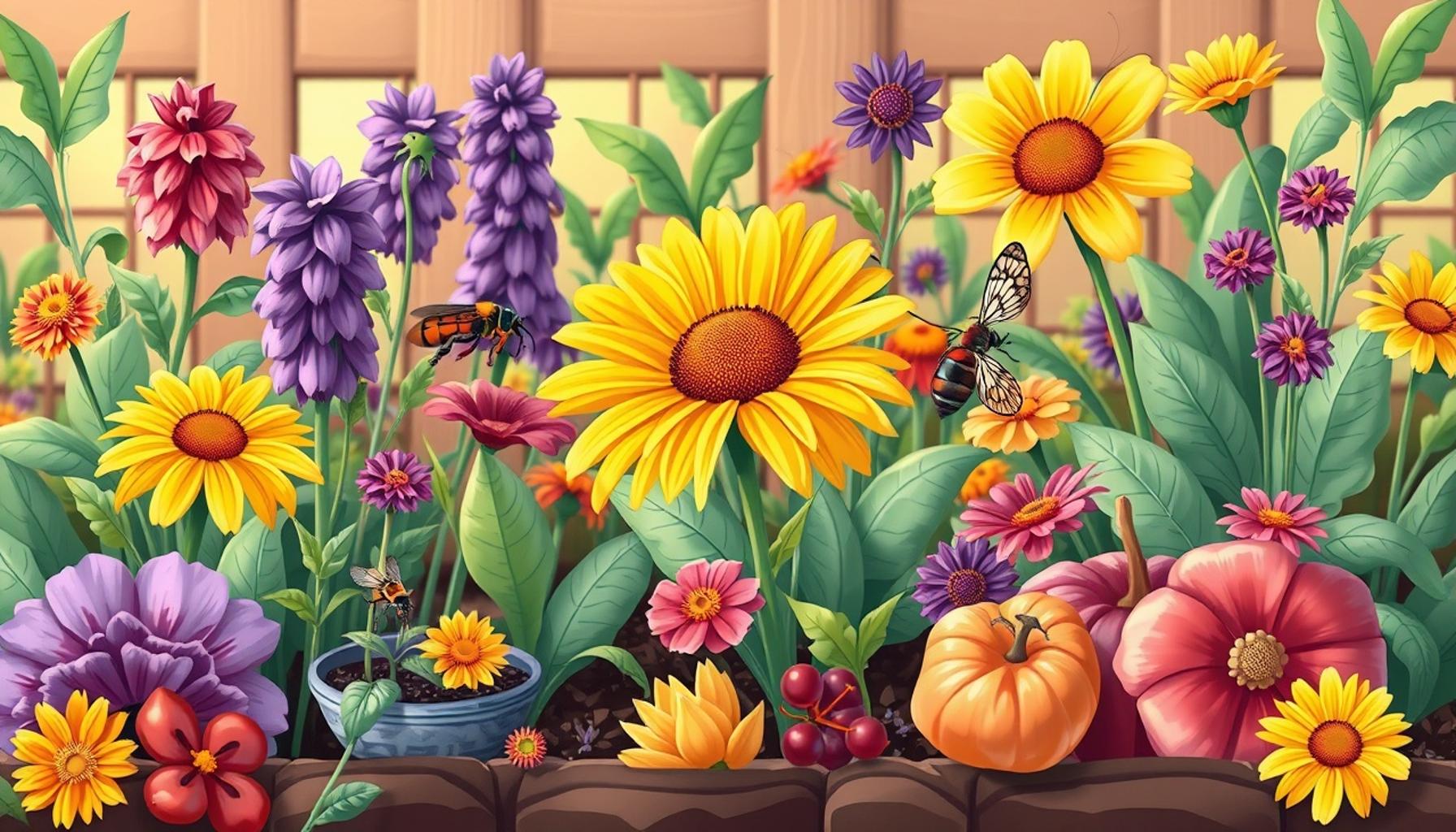
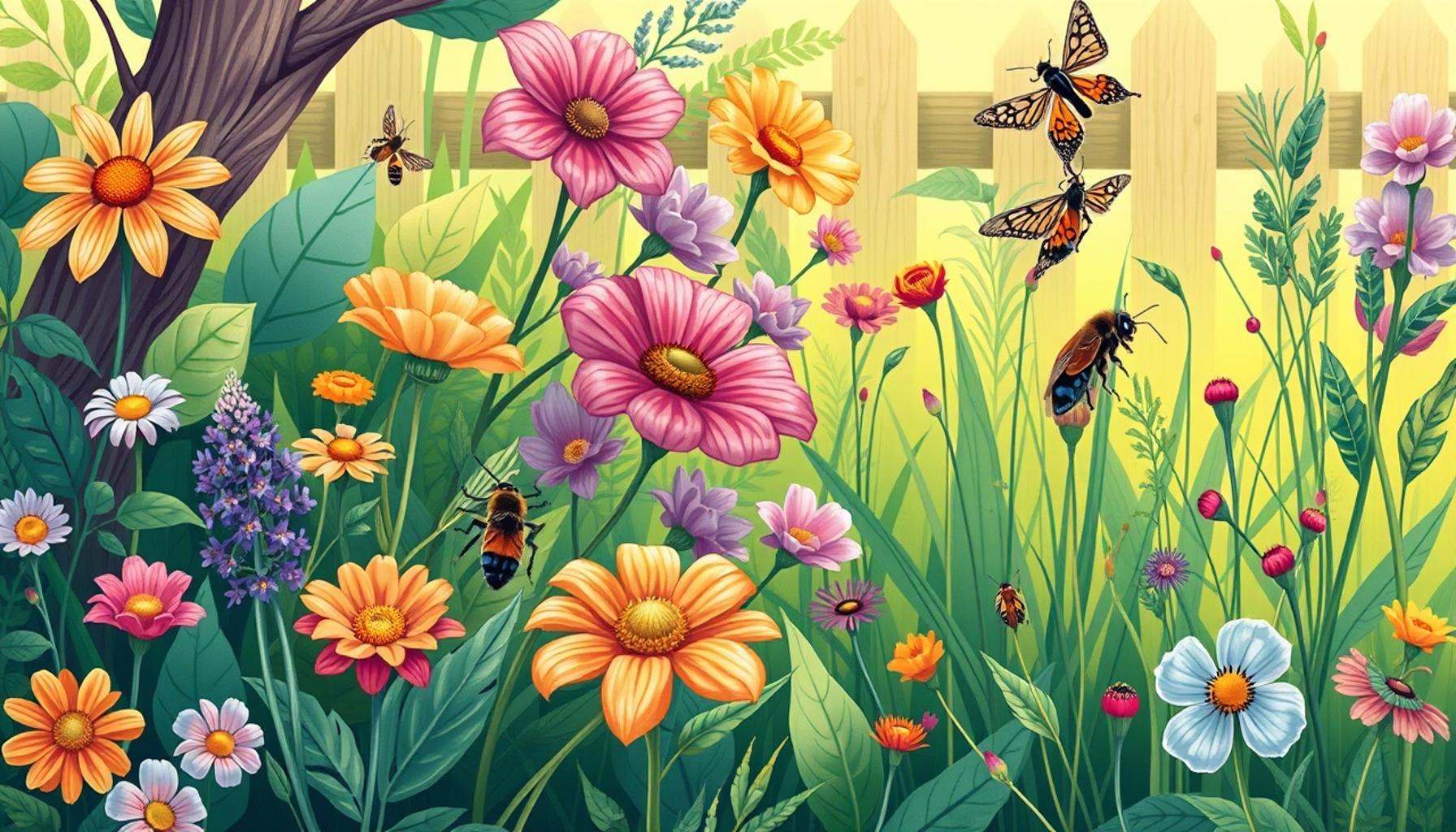
Gardening can be a delightful hobby, especially when it contributes to preserving our planet’s biodiversity. Yet, amidst the joy of planting and nurturing, many gardeners grapple with the challenge of managing pests without harming the delicate balance of wildlife in their backyards. Striking a harmony between effective pest control and fostering a flourishing ecosystem requires thoughtful strategies that can transform gardens into bastions of biodiversity.
Benefits of Wildlife-Friendly Gardens
Wildlife-friendly gardens can serve vital roles by:
- Providing habitats for local wildlife, such as birds, butterflies, and beneficial insects.
- Promoting natural pest control through predator-prey relationships, which allows for a balanced and self-sustaining garden environment.
- Enhancing pollination for a more productive garden, as vibrant pollinators like bees and hummingbirds increase fruit and vegetable yields.
Creating a sanctuary for wildlife often entails selecting native plant species, which serve as food and shelter for local fauna. For example, planting milkweed can attract monarch butterflies, while sunflowers provide seeds loved by birds and insects alike. In doing so, gardeners can enhance their local ecosystem while achieving their horticultural goals.
Urban Gardening and Its Ecosystem Impact
In the United States, the impact of urban gardening on local ecosystems cannot be underestimated. As cities expand and natural habitats are replaced with pavement, urban gardens become essential for wildlife survival. According to the National Wildlife Federation, gardens can make a significant difference in restoring habitats for various species. With increasing concerns about biodiversity loss, understanding how to create a garden that benefits both plants and animals becomes essential.
Integrative Pest Management Strategies
Gardening enthusiasts are encouraged to explore methods to manage pests organically. This includes using techniques such as companion planting, where certain plants are grown together to deter pests naturally. For instance, marigolds are often planted alongside vegetables to repel nematodes and aphids. Additionally, introducing beneficial insects like ladybugs or lacewings can help maintain a natural balance, as these predators feast on common garden pests.
Attracting Beneficial Wildlife
There are specific plants that attract beneficial wildlife which can make your garden flourish while supporting local ecosystems. For example, flowering plants such as coneflowers and asters not only decorate the landscape but also attract diverse pollinators. Incorporating features like water sources—such as birdbaths—can also bring in a variety of birds, enhancing both the aesthetic and functional quality of the garden.
Maintaining a Balanced Ecosystem
To ensure a healthy garden, various techniques for maintaining a balanced ecosystem can be employed. Mulching reduces weed competition and retains moisture, while diverse plantings can create microhabitats for different species. Furthermore, limiting the use of chemical fertilizers and pesticides can safeguard beneficial microorganisms in the soil and contribute to a thriving ecosystem.
As we delve into the world of gardening, exciting discoveries await those willing to cultivate their garden with a vision for sustainability. By adopting practices that foster biodiversity, we not only enrich our surroundings but also promote a more resilient environment. Let’s embark on this journey to create a wildlife-friendly garden that thrives on coexistence, benefiting both nature and our gardening passions.
DISCOVER MORE: Click here for essential tips on pest control
Strategies for Creating a Wildlife Habitat
In the pursuit of creating a wildlife-friendly garden, gardeners must consider their approach to the landscape and the intricate needs of both plants and animals. A well-thought-out garden design serves as more than just an aesthetic choice; it acts as a thriving habitat, offering food, shelter, and breeding grounds for a variety of species. Implementing biodiversity within your garden not only contributes to ecosystem health but also helps minimize pest populations naturally.
Choosing Native Plants
One of the most significant steps in fostering a wildlife-friendly environment is selecting native plants. These plants have co-evolved with local wildlife and provide essential food sources and shelter. Gardens filled with native flora can attract a plethora of creatures, enriching the garden’s biodiversity. Consider incorporating the following:
- Wildflower meadows: Abundant in nectar, these attract pollinators such as bees and butterflies.
- Fruit-bearing shrubs: Species like serviceberry or elderberry provide nutrition for birds and other mammals.
- Grasses and sedges: Offering nesting materials and cover for small creatures, they also enhance soil health.
Utilizing native plants not only creates a vibrant ecosystem but also requires less maintenance and irrigation, serving as a sustainable choice for the environment.
Incorporating Habitat Features
Besides plant selection, incorporating various habitat features can significantly enhance the ecological value of your garden. Adding elements like birdhouses, bat boxes, and insect hotels encourages various wildlife to settle in and thrive. Here are several features to consider:
- Water sources: Birdbaths or small ponds can attract diverse bird species while supporting beneficial insects.
- Compost piles: These create a habitat for ground-dwelling organisms and enrich your soil.
- Brush piles: Fallen branches and logs serve as protective cover for small mammals and insects.
These features not only bolster biodiversity but also aid in establishing beneficial predator-prey relationships that can naturally mitigate pest populations in your garden without resorting to chemical interventions.
The Role of Pollinators in Pest Control
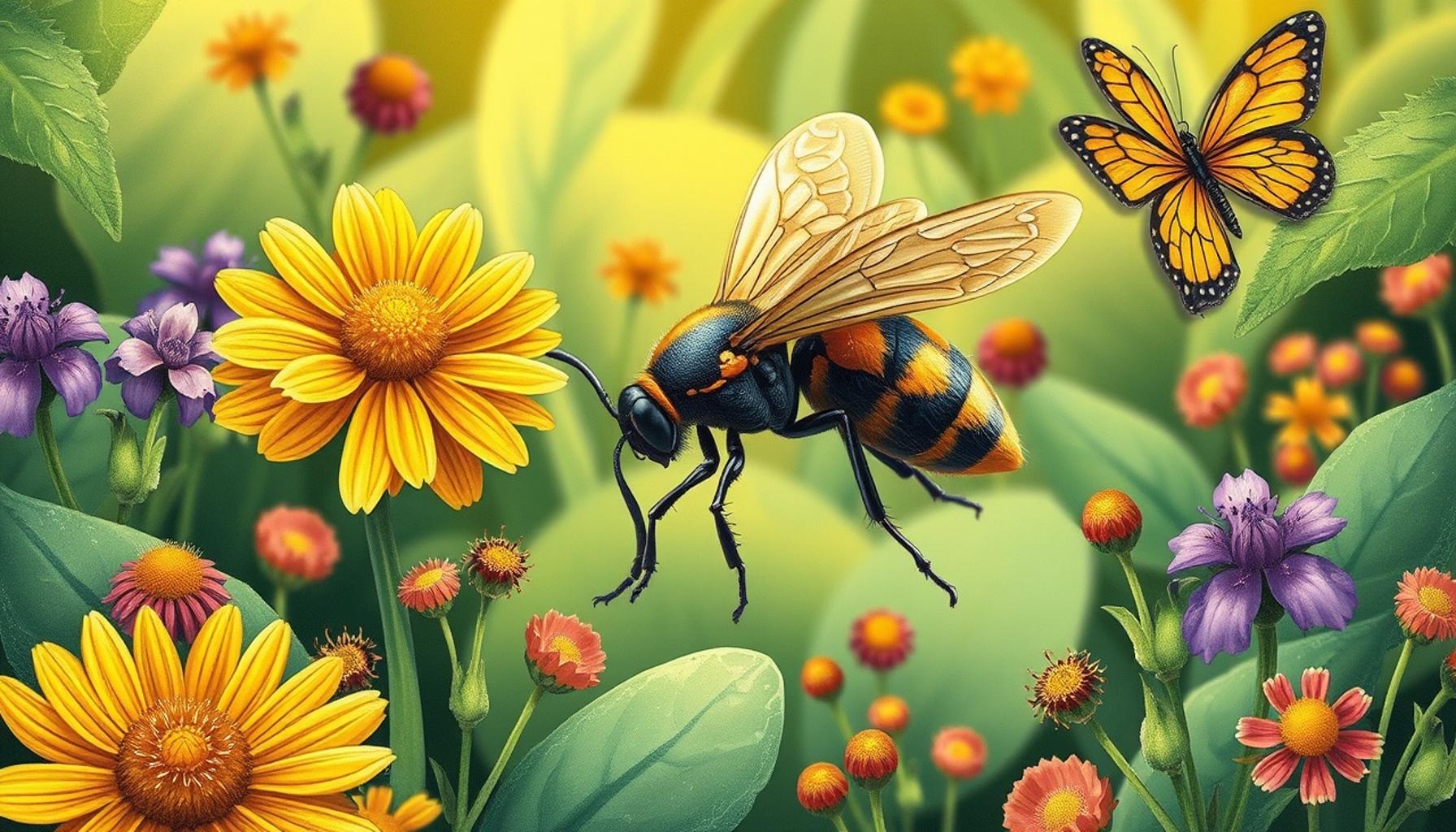
Recognizing the crucial role of pollinators in maintaining a balanced ecosystem can further guide your gardening practices. Pollinators, such as bees and butterflies, are not only essential for the reproductive success of many plants but also help control aphid and pest populations as they create a healthy, dynamic garden environment. By ensuring that your garden supplies a continual source of nectar and pollen throughout the growing season, you can create a haven that supports both plants and pollinators.
As we begin to explore the best practices for creating a wildlife-friendly garden, it becomes evident that a strategy that emphasizes native plants, habitat features, and the symbiotic relationships within the ecosystem is key. By making informed choices, gardeners can become stewards of biodiversity while finding effective ways to manage pests in their outdoor spaces.
Creating a Harmonious Ecosystem
In the realm of gardening, creating a wildlife-friendly environment involves finding a delicate balance. While pests can threaten plants, the presence of certain beneficial wildlife can help manage these challenges naturally. Gardeners can engage integrated pest management (IPM) techniques to promote pest control without resorting to harmful chemicals. This approach emphasizes the importance of incorporating native plants that attract predatory insects such as ladybugs and lacewings, which can significantly reduce pest populations.Moreover, planting a diverse range of flora is essential in fostering biodiversity. Utilizing a variety of plants not only creates visual interest but also supports different wildlife species. Pollinators, including bees and butterflies, play a critical role in plant reproduction, enhancing the overall health of the garden. By choosing plants that bloom at different times throughout the growing season, gardeners can provide continuous sources of nectar and pollen, sustaining these vital creatures year-round.Let’s consider the role of water sources in a wildlife-friendly garden. Including a small pond or a birdbath can attract birds and beneficial insects, allowing them to thrive alongside your garden. Providing water access is a simple yet effective method to increase biodiversity. Additionally, garden structures such as bat houses and insect hotels offer shelter, encouraging wildlife to settle and contribute to pest management.In essence, a wildlife-friendly garden does not merely coexist with nature but actively collaborates with it. Understanding the complex interrelationships between garden inhabitants can lead to successful pest control strategies, ensuring both the beauty and vitality of your space flourish harmoniously. For those intrigued by the natural world, there is a wealth of information and resources available to explore further, unlocking the secrets of setting up a thriving garden ecosystem.
| Advantages | Details |
|---|---|
| Enhanced Biodiversity | Diverse plants support various wildlife species, creating a balanced ecosystem. |
| Natural Pest Control | Beneficial insects help reduce harmful pest populations without chemicals. |
| Sustainable Practices | Emphasizes eco-friendly methods, fostering healthier garden environments. |
| Education & Awareness | Gardsn=ners learn valuable lessons about ecosystems and conservation. |
DISCOVER MORE: Click here to learn about the best harvest tips
Fostering Natural Pest Control Mechanisms
In addition to choosing native plants and creating diverse habitats, embracing natural pest control mechanisms is a fundamental strategy in the quest for a wildlife-friendly garden. By leveraging the existing relationships between various garden inhabitants, gardeners can manage pest levels in harmony with maintaining biodiversity. This approach not only reduces reliance on chemical pesticides but also enhances the resilience of your garden ecosystem.
Encouraging Beneficial Insects
Beneficial insects, such as ladybugs, lacewings, and predatory wasps, play a significant role in managing pest populations. They act as natural enemies to common horticultural pests like aphids, mealybugs, and caterpillars. To attract these beneficial insects, consider the following:
- Plant a diversity of flowering plants: Species such as fennel, yarrow, and dill are known to attract beneficial insects.
- Provide shelter and nesting sites: Leaving some areas of bare soil or undisturbed foliage can offer safe spaces for these insects to thrive.
- Avoid broad-spectrum insecticides: These can harm beneficial insect populations indiscriminately, disrupting their essential roles in pest management.
By nurturing an ecosystem that supports beneficial insects, gardeners can enhance their plant performance while keeping pest populations at bay.
Creating a Balanced Food Web
Another aspect of fostering a wildlife-friendly garden involves establishing a balanced food web. This interconnected system works to sustain various species and balance populations naturally. Here’s how to promote a robust food web:
- Diverse food sources: Incorporate plants that provide nectar, pollen, and seeds to attract a variety of wildlife.
- Introduce native fauna: Encouraging birds and small mammals that predate on pests can help maintain equilibrium in the garden.
- Ensuring soil health: Healthy soil supports a diverse range of microorganisms and invertebrates, forming the foundation of your garden’s food web.
Creating a web that interlinks different species enhances the resilience of your garden environment, making it less vulnerable to pest outbreaks.
Understanding the Roles of Herbivores and Predators
Gardeners should also recognize that herbivores, such as certain insects and small mammals, play a role in the ecosystem, albeit sometimes viewed as pests. By allowing specific herbivores to coexist with natural predators, you can cultivate a balanced environment. For example, a garden that hosts certain caterpillars may also attract birds that feed on them. To facilitate this balance, consider:
- Planting in layers: Height variety allows multiple species to coexist, providing different niches for herbivores and their predators.
- Promoting healthy plant growth: Well-nourished plants can better withstand herbivory and establish a thriving habitat.
- Accepting some level of pest presence: Acknowledging that not every pest warrants extermination allows for a more stable ecosystem.
This acceptance brings about a more dynamic garden where natural pest control thrives amidst diverse interactions.
By recognizing and nurturing the myriad of relationships between plants, animals, and insects within a garden, it becomes possible to maintain a delicate balance between pest control and biodiversity. This synergy not only fosters a vibrant habitat but also empowers gardeners to be effective stewards of their local ecosystems, all while managing pests through holistic and environmentally friendly practices.
DISCOVER MORE: Click here to learn about water quality for your plants
Conclusion: Embracing a Harmonious Approach to Gardening
Creating a wildlife-friendly garden is not just a trend; it is a crucial step towards nurturing our environment and promoting biodiversity. By implementing practical strategies that emphasize natural pest control, gardeners can contribute to a healthier ecosystem. The thoughtful integration of native plants, habitats, and beneficial insects sets the stage for a thriving garden that thrives in balance.
Understanding the interconnected roles of flora and fauna within a garden empowers individuals to foster a vibrant habitat. For instance, encouraging the presence of beneficial insects, creating diverse food webs, and accepting that some pest presence is natural are all essential components of this balance. This holistic approach fosters resilience against pest outbreaks and promotes ecological health.
Moreover, as more gardeners adopt these environmentally friendly practices, the cumulative effect can lead to greater biodiversity in urban landscapes, offering refuge for numerous species. Taking steps like planting various native species to create a diverse habitat can transform not only personal gardens but also entire communities, promoting harmony between nature and human habitation.
In conclusion, by shifting our focus from reactive pest control to proactive, biodiversity-driven strategies, we can create gardens that not only serve our aesthetic desires but also support the intricate web of life that surrounds us. This synergy encourages curiosity and stewardship, inviting us to dive deeper into the wonders of our natural world, all while enhancing the beauty and productivity of our own green spaces.