How to Choose the Best Time to Water Your Plants: Tips for Healthy Growth
Understanding the Importance of Timing
To cultivate a thriving garden, one must first appreciate the subtle yet crucial role of timing in watering plants. The act of watering is not merely about fulfilling a plant’s basic need for moisture; it’s about strategically providing hydration to optimize growth and health. This article will explore essential strategies for effective watering that can revolutionize your gardening efforts.
Factors to Consider
- Climate: Your local climate significantly affects how much and how often you should water your plants. For instance, regions with high humidity might retain moisture longer in the soil, reducing the frequency of watering. Conversely, dry or windy conditions can cause rapid evaporation, necessitating more frequent watering to ensure your plants do not suffer from drought stress. Understanding these patterns can help you tailor your watering schedule effectively.
- Plant type: Each plant species comes with its own unique set of water needs. For instance, succulents and cacti thrive on minimal water due to their adaptations for arid environments, requiring only sporadic watering. In contrast, leafy greens such as lettuce or spinach demand consistent moisture to maintain crispness and prevent bolting. Researching the specific requirements of your plants can aid you in developing a customized watering regimen that supports healthy growth.
- Soil moisture: Assessing soil moisture levels can provide significant insights before jumping into watering. You can perform a simple soil test by inserting a finger an inch deep into the soil. If it feels dry, it’s time to water. By doing this regularly, you can avoid overwatering, a common pitfall that can lead to root rot and other serious problems.
In addition to these factors, the timing of your watering sessions is paramount. The hours of the day dictate how effectively your plants can absorb water.
- Morning watering: Watering early in the morning is often the most effective choice. During this time, the temperatures are cooler, and the sun’s intensity is lower, allowing plants to absorb moisture before the heat of midday. This practice ensures that they start the day hydrated and ready to undergo photosynthesis efficiently.
- Evening watering: While watering in the evening can reduce evaporation loss, be mindful of potential fungal diseases. Prolonged moisture on the foliage during the nighttime can create the perfect conditions for fungi to thrive, which can be detrimental to plant health.
- Midday watering: Generally, this is not the ideal time to water your garden as much of the moisture may evaporate before reaching the roots. If you find yourself in a pinch, however, consider using mulch to help retain soil moisture and reduce evaporation losses.
By understanding and implementing these targeted watering strategies, you can significantly enhance your garden’s success. Timing isn’t just about when to water; it’s about creating an environment where your plants can truly flourish. So grab your watering can, apply these insights, and transform your gardening routine into one that yields abundant and healthy results.
DIVE DEEPER: Click here to discover beginner-friendly plants
Mastering the Art of Timing: Techniques for Optimal Watering
As you embark on your gardening journey, understanding the nuances of when to water your plants can elevate your efforts from average to extraordinary. The concept of timing goes beyond just convenience; it directly influences your plants’ health and growth potential. Let’s delve deeper into the moments of the day that can either nourish your plants or inadvertently harm them.
Morning Watering: Maximizing Absorption
Watering your garden in the early morning is universally recognized as one of the best practices for promoting healthy growth. During these tranquil hours, the air is cooler, and the sun is just beginning to ascend. This allows water to seep deep into the soil before the day’s heat kicks in. As plants wake up, they can adequately absorb the moisture they need for a fulfilling day of photosynthesis. This practice not only optimizes hydration but also minimizes evaporation loss — a common issue that can render mid-morning watering ineffective.
- Enhanced nutrient uptake: With sufficient moisture, plants can better absorb the nutrients present in the soil, leading to healthier foliage and fruit.
- Reduced disease risk: Morning watering keeps foliage dry for a longer duration, decreasing the chances of diseases that thrive in damp conditions.
- Time for plant recovery: By watering early, you give plants time to recover from the stresses of the previous day and prepare for the challenges ahead.
Evening Watering: Pros and Cons
While watering in the evening can be another effective strategy, it comes with a few caveats. On one hand, temperatures dip and evaporation decreases, making the soil more conducive to absorbing the required moisture. This timing can provide a refreshing drink to your plants at the end of a long, hot day. However, lingering moisture on the leaves overnight can invite fungal issues, which can jeopardize plant health.
- Risk of fungal diseases: Consistently wet foliage during cooler night temperatures fosters an environment for fungus and mildew.
- Consideration for local humidity: In areas with high humidity, evening watering may compound the problem of moisture retention in the air, further exacerbating the risks.
Midday Watering: The Last Resort
It is generally advised to steer clear of midday watering. The heat from the sun leads to rapid evaporation, often making this the least efficient time to hydrate your plants. Water droplets can also act like glass beads, intensifying sunlight and potentially causing leaf burn. However, if circumstances dictate that watering must occur at this time, certain strategies can mitigate harm.
- Utilize mulch: Applying a layer of mulch can help retain soil moisture and reduce evaporation rates during the hottest parts of the day.
- Water deeply but infrequently: If you must water during midday, aim for a deep, thorough soak to encourage roots to extend further into the soil in search of moisture.
By armed with these insights on the best times to water, you position your garden for sustainable growth and thriving health. Timing, combined with an understanding of your plants’ needs, can let you reap the rewards of your gardening efforts with flourishing blooms and bountiful harvests.
Understanding Plant Watering Needs
Choosing the best time to water your plants is crucial for promoting healthy growth. Many factors influence when you should water, including climate, soil type, and plant species. One vital aspect to consider is the time of day. Early morning is often regarded as the ideal time for watering, as the temperatures are cooler, and plants can absorb moisture before the heat of the day causes evaporation. Additionally, watering in the early hours helps prevent fungal diseases that thrive in warm, humid conditions. When you water later in the day, the moisture can linger on leaves overnight, creating an environment conducive to diseases. Understanding these nuances helps gardeners maintain robust and vibrant plants.It’s also essential to assess the specific needs of your plants. While some plants thrive with frequent watering, others, like succulents, prefer drier conditions. Monitoring your plants for signs of stress, such as wilting or yellowing leaves, can offer invaluable insight into their watering needs. Furthermore, testing soil moisture with your finger or a moisture meter provides a more accurate picture of when it’s time to water.
Consider Environmental Factors
When determining the optimal watering time, consider the weather and environmental conditions. During hot and dry spells, plants may require more frequent watering to remain hydrated. Adjust your schedule accordingly, perhaps by watering in the evening when temperatures drop. Conversely, in humid or overcast conditions, less frequent watering may be necessary, as sweat from the soil may increase watering intervals. Seasonal changes also play a significant role; during the spring and summer growth phases, plants may need more water, while fall and winter months typically see a decrease in consumption. Staying observant and adaptable is key to keeping your plants healthy year-round.By understanding your plants’ specific needs and considering environmental influences, you’ll be better equipped to establish a personalized watering schedule. This approach leads not only to healthier plants but also to a rewarding gardening experience.
DISCOVER MORE: Click here to enhance your gardening skills
Considering Environmental Factors: Adapting to Conditions
While timing your watering routine is essential, environmental factors play a significant role in determining the best practices for your plants. Understanding how different elements such as temperature, wind, and humidity affect watering can lead to more tailored approaches to keeping your greenery healthy.
Temperature: Adjusting to Seasonal Changes
As you strategize when to water, it’s crucial to take temperature fluctuations into account. During hot summer months, the increased heat can accelerate evaporation rates, prompting a need for more frequent watering, ideally in the mornings. Conversely, cooler months require less water since plants slow down their metabolic processes. Observing temperature trends in your specific region can guide you in determining the frequency and quantity of water your plants require over time.
- Check daily temperatures: Keeping a weather journal can help track changes and better prepare you to adjust watering schedules as seasons change.
- Utilize local weather services: Many weather apps and websites provide localized data that can help gauge when your plants might need an extra drink.
Windy Days: A Hidden Thirst
Have you ever noticed how windy days seem to dry out the landscape quickly? A gentle breeze can lead to increased evaporation, which may leave your plants parched, even if you’ve watered them recently. Underestimating the impact of wind could cause unexpected stress for your plants. Keeping an eye on weather patterns, especially during crucial growth stages, allows for timely adjustments.
- Water more frequently: If windy conditions persist, consider adjusting your watering schedule. You may need to increase the frequency of your watering sessions to ensure adequate moisture is retained in the soil.
- Utilize barriers: Planting windbreaks or hedges can help create microclimates that protect plants from harsh winds and an excessive loss of moisture.
Humidity Levels: The Double-Edged Sword
Humidity levels in your area can be both a friend and a foe. In regions with high humidity, the rate of evaporation decreases, which can delay the drying of soil. This sometimes can mean that your watering schedule should be less frequent. On the other hand, dry and arid regions may require more diligent watering practices to ensure moisture retention in the soil.
- Monitor soil moisture: Invest in soil moisture meters to gauge the moisture levels accurately and avoid both over-watering and under-watering your plants.
- Be mindful of weather patterns: Sudden changes in humidity can affect your plants’ water needs; be prepared to adjust your watering schedule accordingly.
Rainfall Considerations: Capitalizing on Nature’s Gift
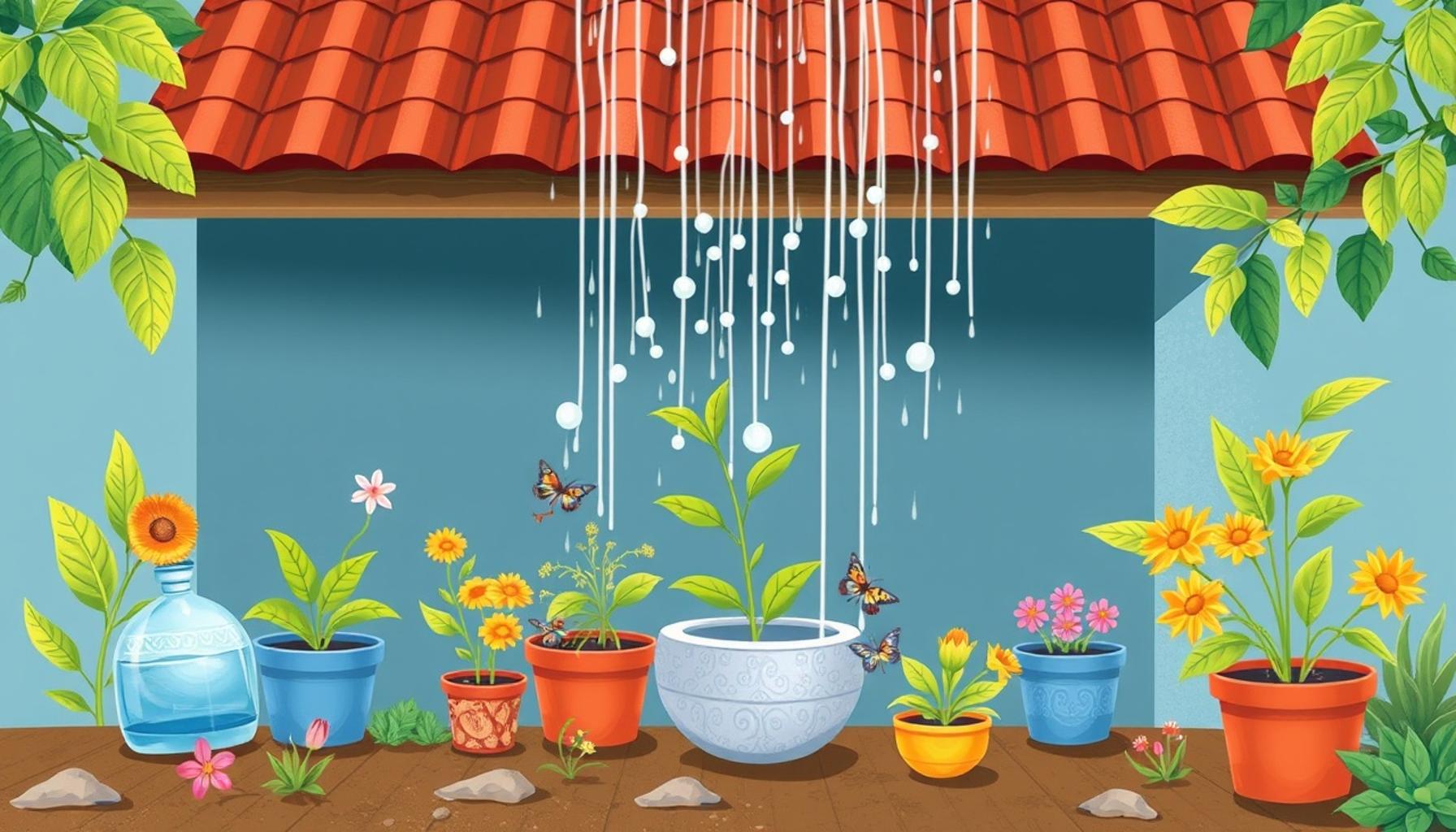
Keep a keen eye on local weather forecasts, as natural rainfall can significantly impact your watering strategies. Gathering rainwater not only conserves resources but also serves as an excellent nutrient-rich liquid for your garden.
- Adjust watering after rain: If the forecast indicates rainfall in your gardening week, consider reducing your usual watering amount to prevent saturation and root rot.
- Capture rainwater: Installing rain barrels can help ensure that you have a backup plan should dry spells occur. This eco-friendly solution can provide plants with organic and chemical-free water.
Being adaptable to environmental influences is a crucial component of effective plant care. By integrating these considerations into your watering schedule, you can create an optimally hydrated garden environment that thrives through varying seasons and conditions.
LEARN MORE: Click here for expert tips
Conclusion: Mastering the Art of Timely Watering for Flourishing Plants
Successfully maintaining a vibrant garden hinges on the optimal timing of your watering routine. As explored in this article, understanding the interplay between environmental factors—such as temperature fluctuations, wind conditions, humidity levels, and rainfall—empowers you to tailor your practices to meet the unique needs of your plants. By being mindful of seasonal changes and embracing nature’s elements, you can cultivate a thriving green space.
Moreover, incorporating a few key strategies can significantly impact your watering effectiveness. Regularly monitoring weather patterns, maintaining a weather journal, and using tools like soil moisture meters can help you make informed decisions that keep your plants hydrated without wasting water. Additionally, utilizing natural resources like rainwater not only nourishes your plants but also promotes sustainable gardening practices.
Ultimately, the quest for healthier growth begins with the simple act of watering wisely. By recognizing that hydration is an art influenced by various external factors, you empower yourself to become a more knowledgeable and responsible gardener. As you adapt your watering schedule to changing conditions, your plants will reward you with robust growth and vibrant blooms, transforming your garden into an oasis of beauty and vitality.
In conclusion, embrace these insights and embark on your journey to optimal watering. Remember, the health of your plants—and the visual delight of your garden—largely depends on your ability to choose the right time to quench their thirst.