
The Role of Soil Health in Pest Management: Tips for Beginners to Enhance Their Garden’s Resilience
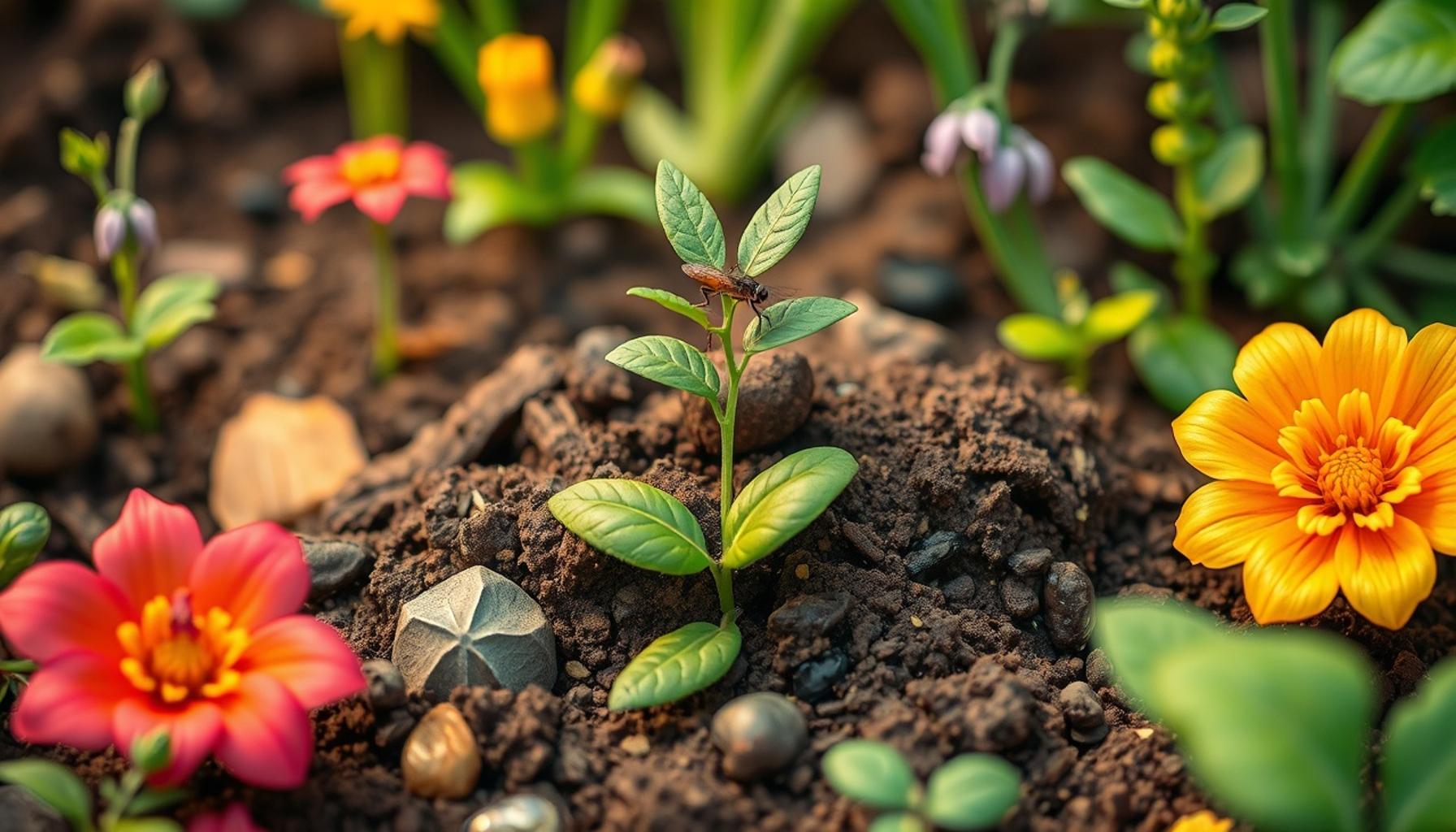
Diving into the world of gardening can be both rewarding and challenging. One fundamental aspect that often gets overlooked is the significance of soil health. A gardener’s success isn’t solely derived from choosing the right plants or employing effective watering techniques; it fundamentally starts from the ground beneath their feet. Healthy soil is critical not just for robust plant growth, but it also fortifies a garden’s defense against pests, allowing plants to thrive with minimal intervention. Understanding how to harness the benefits of healthy soil can reshape the agricultural practices we deploy.
Why Focus on Soil Health?
The implications of soil health are vast and touch nearly every facet of gardening. A vibrant garden begins with nutrient-rich soil that fosters an ecosystem conducive to plant health. Healthy soil can:
- Support Beneficial Organisms: Healthy soil is home to numerous beneficial organisms, like earthworms and predatory insects, which naturally control pest populations. For instance, ladybugs are attracted to gardens rich in diverse plant life and help manage aphid outbreaks.
- Provide Essential Nutrients: Nutrient-rich soil translates to stronger plants. When plants receive optimal nutrients such as nitrogen, phosphorus, and potassium, they are better equipped to resist diseases and pests. For example, tomatoes grown in well-balanced soil not only yield abundantly but also exhibit improved disease resistance.
- Improve Water Retention: Healthy soil fosters a better structure capable of retaining moisture. This is crucial, especially in regions prone to drought, as it reduces plant stress and minimizes the need for frequent irrigation, thereby conserving water resources.
Key Elements of Healthy Soil
A gardener aiming to cultivate a flourishing garden must be aware of the key components of soil health. Focusing on the following aspects can lead to a robust ecosystem:
- Soil Structure: Well-structured soil resembles a crumbly texture, allowing air and water to circulate freely. This promotes deeper root systems which can access more nutrients and withstand environmental stressors.
- Microbial Life: The soil houses millions of microbes that play pivotal roles in nutrient cycling and pest suppression. The presence of a varied microbial population can significantly impact the health of plants, often acting as a barrier against harmful pests.
- Nutrient Balance: Soil testing is critical. Regular evaluations of soil pH and nutrient levels allow gardeners to make informed amendments, ensuring that plants receive the essential nutrients they require without over-fertilization, which can inadvertently create other issues.
For those just stepping into gardening, enhancing soil health might initially seem daunting; however, simple practices can lead to transformative outcomes. Adding organic matter like compost, practicing crop rotation, and minimizing soil disturbance can kickstart this journey. By prioritizing soil health, gardeners not only cultivate a thriving environment for their plants but also lay the groundwork for sustainable pest management strategies that resonate with natural ecosystems.
DISCOVER MORE: Click here to get started on your gardening journey!
Understanding Soil Components and Their Impact on Pest Management
Every gardener, whether seasoned or just embarking on their green journey, should recognize that the foundation of a flourishing garden lies in its soil. Soil health is not merely a trendy topic in sustainable gardening; it is a critical element that determines the overall vigor of plants and their ability to fend off pests. By understanding the components of soil health, beginners can improve pest management and cultivate resilient gardens.
The vitality of soil is driven by several interconnected factors. Among these, soil fertility, microbial diversity, and structure play pivotal roles. Here’s a deeper look into how each of these elements contributes to enhanced pest management:
- Soil Fertility: Fertile soil is teeming with essential nutrients that contribute to plant growth and health. A well-balanced nutrient profile not only promotes lush growth but also encourages plants to produce natural defenses against potential pests. For instance, nitrogen-rich soils can enhance leafy growth, making plants less susceptible to infestations that target weak or stressed plants.
- Microbial Diversity: The microbial community within the soil acts as a natural pest management system. Different microbes such as bacteria, fungi, and protozoa work symbiotically to break down organic matter, making nutrients readily available for plants. Importantly, some beneficial fungi and bacteria can outcompete harmful pathogens, effectively reducing pest populations in the garden. Integrating practices such as composting will help support this microbial diversity.
- Soil Structure: The physical arrangement of soil particles determines its porosity and ability to hold water. Healthy soil structure enhances drainage and aeration, creating a welcoming environment for deep root systems. Strong roots lead to robust plants that withstand environmental stressors like drought or excess moisture, which can trigger pest outbreaks. Regularly aerating soil and minimizing compaction are best practices to maintain good soil structure.
Moreover, the concept of integrated pest management (IPM) can greatly benefit from a focus on soil health. IPM promotes the use of natural pest deterrents while maintaining environmental integrity. By strengthening the soil ecosystem, gardeners can create conditions that naturally resist pest infestations. Some techniques include:
- Using Mulch: Organic mulches not only improve soil health by adding nutrients as they decompose, but they also suppress weed growth that could harbor pests.
- Cultivating Companion Plants: Growing compatible plant species together can deter specific pests. For example, planting marigolds alongside vegetables may deter nematodes and other pests.
- Practicing Crop Rotation: By rotating crops each season, gardeners can disrupt the life cycles of pests and diseases that tend to reoccur in specific soil types.
Each of these strategies underscores a fundamental principle: healthy soil fosters resilient plants that can better withstand pest pressures. For beginners, investing time in enhancing soil health will yield high dividends not only in robust plant growth but also in the potential for reduced reliance on chemical pest control methods. Nurturing soil health establishes a thriving ecosystem that can support both plants and beneficial organisms, creating a balanced environment that naturally regulates pests.
| Soil Health Benefits | Pest Management Impact |
|---|---|
| Enhances Nutrient Availability | Reduces Pest Infestations |
| Promotes Beneficial Microorganisms | Increases Garden Resilience |
Soil health forms the foundation of an effective pest management strategy in any garden. By focusing on enhancing soil health, gardeners can create a robust ecosystem that naturally limits pest outbreaks. For instance, improving soil structure and composition can lead to greater nutrient availability, which enhances plant growth and vigor. Stronger plants are less susceptible to pests, thus reducing the frequency and severity of infestations.Furthermore, maintaining a balanced soil environment promotes beneficial microorganisms. These organisms play a crucial role in pest management by preying on harmful insects or their larvae. A thriving microbial community can prevent pest populations from growing by establishing a functional balance within the ecosystem. Additionally, integrating organic matter, such as compost, nourishes the soil, supporting overall health while fostering resilience against various threats, including pests. Thus, understanding and caring for soil health is not only a basic gardening practice but a strategic approach that aids in sustainable pest management, ultimately ensuring a flourishing garden. This holistic practice encourages new gardeners to engage deeply with their gardening environment, reinforcing their connection to the land while bolstering their gardens’ defenses.
DISCOVER MORE: Click here for vibrant gardening tips!
Practical Actions to Enrich Soil and Combat Pests
Enhancing soil health is not only fundamental for robust plant growth but also serves as an effective strategy for pest management. For beginners looking to foster an ecosystem that inherently resists pest invasions, several actionable steps can be taken, each yielding significant merits in both productivity and sustainability.
One of the most beneficial approaches is the integration of organic amendments into the soil. By incorporating materials such as well-rotted compost, manure, or organic matter, gardeners can significantly improve soil structure, fertility, and microbial activity. These amendments not only introduce a rich supply of nutrients but also enhance the soil’s moisture-retaining capacity. According to studies by the United States Department of Agriculture (USDA), gardens enriched with organic matter show increased resilience against pests and diseases, as healthy plants are more resistant to infestations.
Cover cropping is another effective practice for beginners. This sustainable farming technique involves planting specific crops, such as clover or rye, during the off-season. These cover crops improve soil health by preventing erosion, adding nutrients when tilled back into the soil, and mitigating pest populations by disrupting their lifecycle. Additionally, certain cover crops can attract beneficial insects that prey on common pests, offering a natural way to manage potential threats.
Another important aspect is maintaining soil moisture. Consistent watering practices not only support plant growth but also help to prevent stressors that may attract pests. Utilizing drip irrigation systems can efficiently deliver water directly to the roots, minimizing evaporation and water runoff. Regular monitoring of moisture levels in the garden can also identify drought conditions that may lead to weakened plants prone to pest problems.
- Encouraging Biodiversity: Planting a variety of species not only makes for an aesthetically pleasing garden but also attracts a range of beneficial organisms that can help manage pests naturally. For instance, butterflies, bees, and ladybugs can thrive in diverse environments, reducing the reliance on chemical treatments. Native plants are particularly valuable as they adapt well to local climates and soil types, fostering resilience throughout the garden.
- Avoiding Chemical Pesticides: The use of chemical pesticides can compromise soil health by killing essential microorganisms that contribute to overall soil vitality. By opting for organic alternatives, such as neem oil or insecticidal soaps, beginners can protect both their plants and the beneficial life within the soil.
Furthermore, it is vital to monitor your garden regularly. Early detection of pest symptoms allows for swift interventions. Inspecting the undersides of leaves or the soil surface for signs of pests, like aphids or whiteflies, gives the gardener a head start in addressing potential infestations before they escalate.
Utilizing these approaches empowers gardeners to create a robust defense against pests while nurturing a healthy soil ecosystem. Each step taken towards improving soil health can lead to a garden environment that is not only productive but thriving, where plants are equipped to naturally ward off pests and disease. By focusing on these sustainable practices, beginners can experience the benefits of a resilient garden that minimizes the need for chemical interventions and fosters a more enriching growing experience.
DISCOVER MORE: Click here to learn how to enhance your soil quality
Conclusion
In conclusion, recognizing the pivotal role of soil health in effective pest management is essential for every beginner gardener. By enhancing soil vitality through well-informed practices, not only can one nurture resilient plants, but also create a natural barrier against pests. Incorporating organic amendments, implementing cover cropping, and maintaining appropriate soil moisture are all proactive steps that bolster the ecosystem within your garden.
Additionally, biodiverse planting and avoiding harmful chemical pesticides can further support beneficial organisms that act as nature’s pest controllers. The integration of these techniques not only reduces reliance on synthetic interventions but enriches the overall garden environment. A strong, healthy soil foundation not only invites a diversity of life but also fosters plants that possess enhanced resistance to disease and pests.
As you embark on this gardening journey, remember that regular monitoring and early detection of pest activity are equally critical to maintaining your garden’s resilience. These strategies will empower you to address issues swiftly and effectively. By prioritizing soil health, you take significant strides toward cultivating a thriving garden that endures the challenges posed by pests, all while embracing sustainable practices that are good for both your plants and the planet.
As you explore these tips, you will not only enjoy a more fruitful harvest but also contribute to a healthier ecosystem. The adventure of gardening awaits—embrace it with the knowledge that healthy soil leads to a flourishing garden!