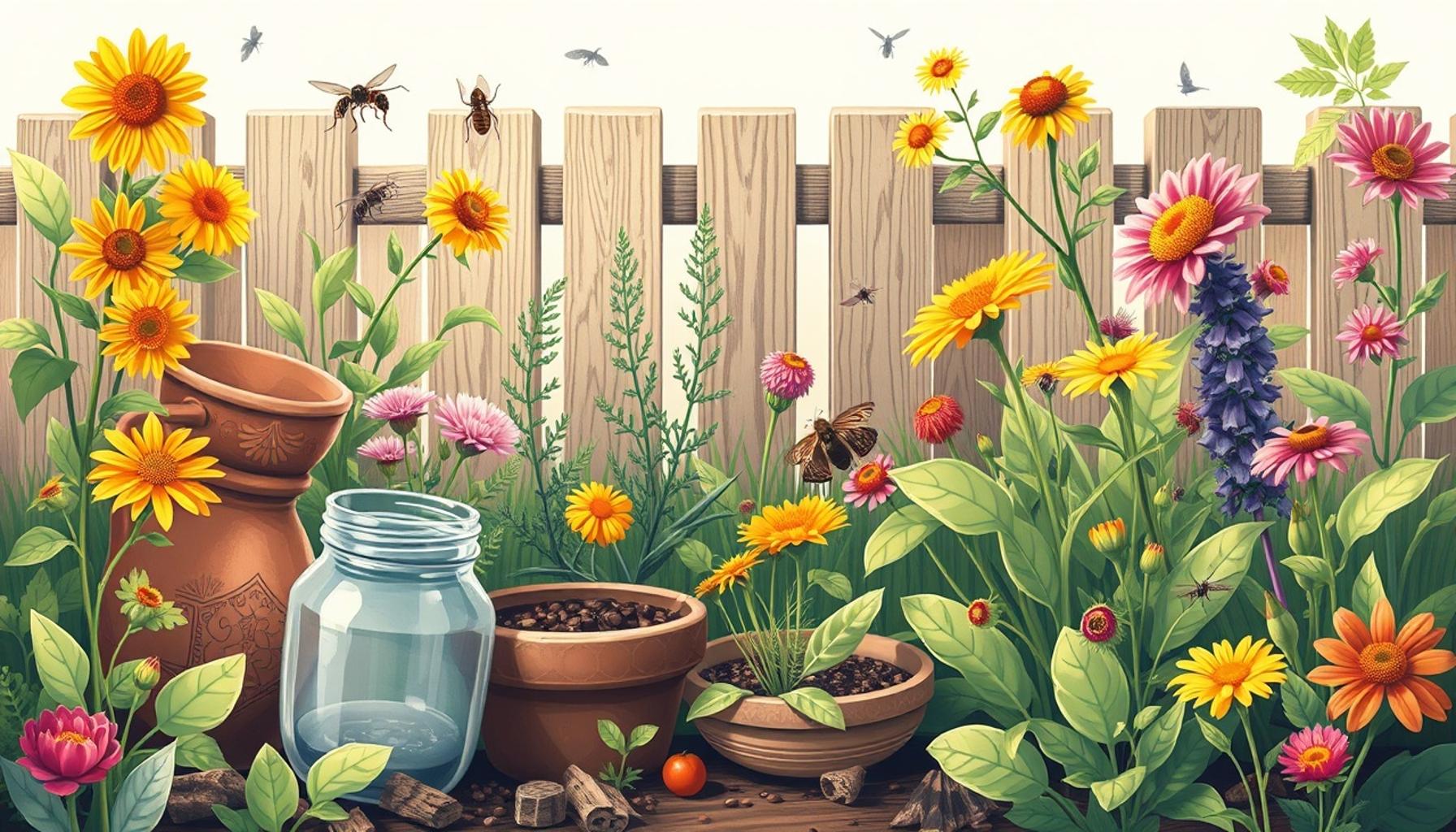
Creating a Pest-Resistant Garden: Companion Planting Techniques for Beginners

Understanding the Benefits of Companion Planting
Gardening can be a delightful endeavor, but dealing with pests often turns it into a real challenge. Fortunately, companion planting offers an innovative way to safeguard your plants while enhancing their growth. This practice pairs certain plants together to attract beneficial insects, deter pests, and promote a thriving garden ecosystem. With gardening being a popular hobby in the United States—from urban balcony gardens to sprawling rural farms—understanding companion planting can significantly enhance your gardening experience.
So, why consider companion planting? Here are some compelling reasons to dive deeper into this gardening technique:
- Pest Disruption: Some plants emit scents that can repel harmful insects. For instance, planting garlic among roses not only enriches the soil with its nutrients but its strong odor can ward off aphids and spider mites.
- Enhanced Growth: Companion plants often share nutrients and improve soil quality for each other. For example, clover can fix nitrogen levels in the soil, benefiting neighboring crops like corn.
- Increased Biodiversity: Diversifying plant selections creates a balanced environment that is less prone to disease. A mixed garden is less likely to experience a sudden pest outbreak since different plants can serve as biological deterrents to one another.
As a beginner, you don’t need to feel overwhelmed by the prospect of creating a pest-resistant garden. Starting with easy-to-follow combinations can set you up for success. Consider the following:
- Marigolds: These brightly colored flowers can deter nematodes and aphids while drawing in pollinators like bees, enhancing the overall vitality of your garden.
- Basil: Often paired with tomatoes, this aromatic herb is not only a culinary favorite but enhances flavor while also repelling flies and mosquitoes.
- Cilantro: This herb attracts predatory insects, such as ladybugs, which feast on common pests like aphids and whiteflies, thereby maintaining a healthy ecosystem.
Partnering plants not only repels unwanted visitors but also creates a visually appealing space. A garden filled with vibrant colors and diverse species draws the eye, making it an inviting place. By strategically selecting companion plants, you can cultivate a thriving, pest-resistant garden that is both beautiful and productive. If you’re ready to dig in, there’s a whole world of companion planting waiting to be explored. Whether you’re growing in a small urban plot or a large backyard, the synergy created through companion planting can help you maximize your garden’s potential.
DON’T MISS: Click here for expert tips on setting up your own sprinkler system
Getting Started with Companion Planting Techniques
Creating a pest-resistant garden through companion planting may seem daunting at first, but it can be an engaging and rewarding process for beginners. The key is to understand which plants work harmoniously together, fostering a beneficial environment that naturally keeps pests at bay. Here are some essential tips and combinations to get you started on your journey toward a flourishing, pest-resistant garden.
Before diving into specific pairings, it’s crucial to familiarize yourself with the concept of allelopathy—the chemical interaction between plants that can promote growth or inhibit pests. Some plants produce natural chemicals that repel certain insects, while others might attract beneficial ones. By harnessing these relationships, you can create a garden that is as strategic as it is beautiful.
Essential Plant Combinations for Beginners
When choosing companion plants, consider factors like growth habits, sunlight requirements, and water needs. Here’s a list of tried-and-true combinations that align these factors and help create a robust ecosystem in your garden:
- Tomatoes and Basil: This classic pairing not only enhances the flavor of the tomatoes but also drives away flies and mosquitoes. The aromatic oils from basil create an inviting aroma for humans while being an undesirable habitat for certain pests.
- Carrots and Onions: Planting carrots alongside onions may sound odd, but this relationship works wonders. Onions emit scents that can help deter carrot flies, allowing your carrots to grow undisturbed below the soil’s surface.
- Beans and Corn: Utilizing the “Three Sisters” method, corn provides a natural support for climbing beans, while beans help improve soil nitrogen levels. Adding squash to the mix not only creates a thriving ecosystem but also adds natural ground cover to suppress weeds.
Incorporating these pairings into your garden will not only improve plant health but will also reduce the need for synthetic pesticides, making your gardening experience more sustainable and eco-friendly. Understanding the local environment is another important aspect; factors such as climate, soil quality, and pest prevalence can influence your choice of companion plants. By adapting these systems to suit your area, you can foster a truly resilient garden.
As you embark on your companion planting journey, remember that observation is key. Keep track of the plants’ growth patterns and interactions, which can provide insights into the effectiveness of your pairings. Opting for organic practices while cultivating plant alliances will ensure a harmonious balance that yields delicious produce for the table.
Creating a pest-resistant garden through companion planting is also an opportunity to learn about the delicate relationships existing within nature. Taking the time to understand these plant partnerships will not only help you become a more competent gardener but also transform your garden into a lush oasis free from the disruptive forces of pests.
Understanding Companion Planting
Companion planting is a method where different plants are grown together to create a mutually beneficial ecosystem. This technique not only helps in deterring pests but also enhances the overall growth and flavor of your garden produce. By selecting the right plant combinations, you can create a harmonious atmosphere where plants thrive while naturally warding off unwanted insects.
Types of Companion Planting
There are various categories within companion planting. Some plants release natural compounds that repel pests, while others attract beneficial insects such as pollinators or predatory insects that prey on common pests. For instance, planting marigolds alongside vegetables can deter nematodes and aphids due to their potent scent. Similarly, basil paired with tomatoes can enhance the growth of the latter and repel harmful insects.
Companion Planting Combinations to Consider
Several essential pairings can maximize your garden’s resilience to pests:
- Tomatoes and Basil: This duo not only boosts each other’s flavors but also minimizes the chance of tomato hornworms.
- Cabbage and Dill: Dill attracts beneficial wasps that help control cabbage pests.
- Carrots and Onions: The scent of onions can confuse and repel carrot flies.
By employing these companion planting techniques, beginners can effectively create a pest-resistant environment in their gardens, allowing for healthier plants and better harvests.
Creating a Pest-Resistant Garden: Advantages of Companion Planting
| Category | Benefits |
|---|---|
| Natural Pest Control | Companion planting promotes the use of natural repellents helping to minimize the use of chemical pesticides. |
| Biodiversity | Increasing plant diversity fosters a balanced ecosystem that supports a variety of beneficial insects. |
Integrating companion planting into your gardening practices encourages healthy plant growth and increases the yield of your crops, making it an essential technique for beginner gardeners. The wealth of knowledge surrounding these methods continues to grow, offering new insights and possibilities to explore in the realm of gardening.
DIVE DEEPER: Click here to learn more about soil preparation
Expanding Your Knowledge: More Companion Plant Pairings
As you grow more comfortable with companion planting techniques, consider exploring additional plant combinations that can enhance your pest-resistant garden. Beyond initial pairings, many other plants exhibit beneficial relationships that can help deter pests and boost overall plant health. Here are several noteworthy combinations to expand your gardening repertoire:
- Marigolds and Vegetables: Marigolds are well-known for their ability to repel nematodes and a variety of garden pests, including aphids and whiteflies. Planting marigolds alongside tomatoes, peppers, and cucumbers can shield these crops while also attracting beneficial insects. The bright flowers can act as a natural pesticide while simultaneously beautifying your garden.
- Borage and Strawberries: Borage, with its striking blue flowers, is an excellent companion for strawberries. Not only does borage attract bees, enhancing pollination, but it also deters the pesky strawberry aphid. Additionally, the borage plant improves the flavor and growth of strawberries, making it a win-win for novice gardeners.
- Radishes and Cabbage: When planted near cabbage, the fast-growing radishes can serve as a decoy for cabbage root maggots. Gardener’s need only consider the root development; while the radishes grow quickly, their presence can distract pests from the slower-growing cabbage family, including broccoli and kale.
Understanding the multitude of plant relationships can greatly affect your garden’s resilience against pests. To enhance this aspect even further, consider integrating herbs into your companion planting schemes. Herbs like thyme and sage not only bring culinary benefits but also release essential oils that repel pests like beetles and moths. Integrating herbs within your vegetable plots can create a diverse ecosystem that maintains plant health while offering culinary ingredients at your fingertips.
Utilizing Natural Attractants
In addition to the dynamic duo of companion plants, it’s vital to incorporate natural attractants in your garden setup. Certain plants are superb at drawing in beneficial insects that prey on pests. For example, planting yarrow and dill can attract ladybugs, lacewings, and parasitic wasps, all of which are heroes in the fight against destructive insects. Using these plants alongside your main crops effectively creates a sanctuary for these helpful critters.
Another effective strategy is to employ a variety of flowering plants that bloom at different times throughout the growing season. By doing so, you ensure that beneficial insects have food sources available from early spring through late fall, augmenting their population in your garden. Consider flowers like zinnias, sunflowers, and cosmos, which can flourish alongside your vegetables while continuing to woo beneficial insects.
Seasonal considerations play a crucial role in companion planting as well. Aligning your plant schedules can maximize plant health and pest resistance. For instance, interplanting early spring crops like peas with fast-growing summer plants can stretch the pest-deterring benefits throughout the growing calendar. The more you observe how seasons affect plant interactions, the more skilled you’ll become in utilizing these natural techniques.
The journey of creating a pest-resistant garden is not solely about following a set of rules; it’s about cultivating a deep understanding of nature’s relationships. As you experiment with different plant combinations and attractants, be prepared to adapt and learn. This process will develop your gardening skills while fostering an ecosystem rich in biodiversity, leading to a healthy and vibrant garden.
DIVE DEEPER: Click here to discover more about homemade remedies for pest control
Conclusion: Cultivating a Thriving, Pest-Resistant Garden
In embarking on the adventure of creating a pest-resistant garden through companion planting, you embrace not just a gardening technique, but a profound relationship with nature. Throughout this journey, you’ve learned how to harmonize plants that thrive together while naturally safeguarding each other from pests. This invaluable knowledge sets you on a path toward cultivating a thriving ecosystem in your backyard.
As illustrated, combinations like marigolds and tomatoes, or borage and strawberries, exemplify how certain plants can work together to repel pests while enhancing growth. By strategically selecting these companions and incorporating flowering plants that attract beneficial insects, your garden becomes a sanctuary for pollinators and natural pest controllers. Furthermore, your awareness of seasonal variations only deepens your understanding of when and how these plants best interact.
The commitment to experimenting with companion planting not only maximizes plant health but profoundly enriches your gardening experience. As you gain confidence, don’t hesitate to innovate and adjust your methods to suit your plot’s unique conditions. Remember that every garden is a living experiment—one that grows and evolves with you.
The journey holds the promise of an abundant harvest and the satisfaction of knowing that your garden is resilient and eco-friendly. Take the time to continue learning about companion planting techniques, delve into the dynamics of plant relationships, and watch as your garden thrives in ways you never thought possible. The world of gardening awaits, filled with potential just beneath the soil.