The Impact of Soil Health on Pest Control in Beginner Gardening
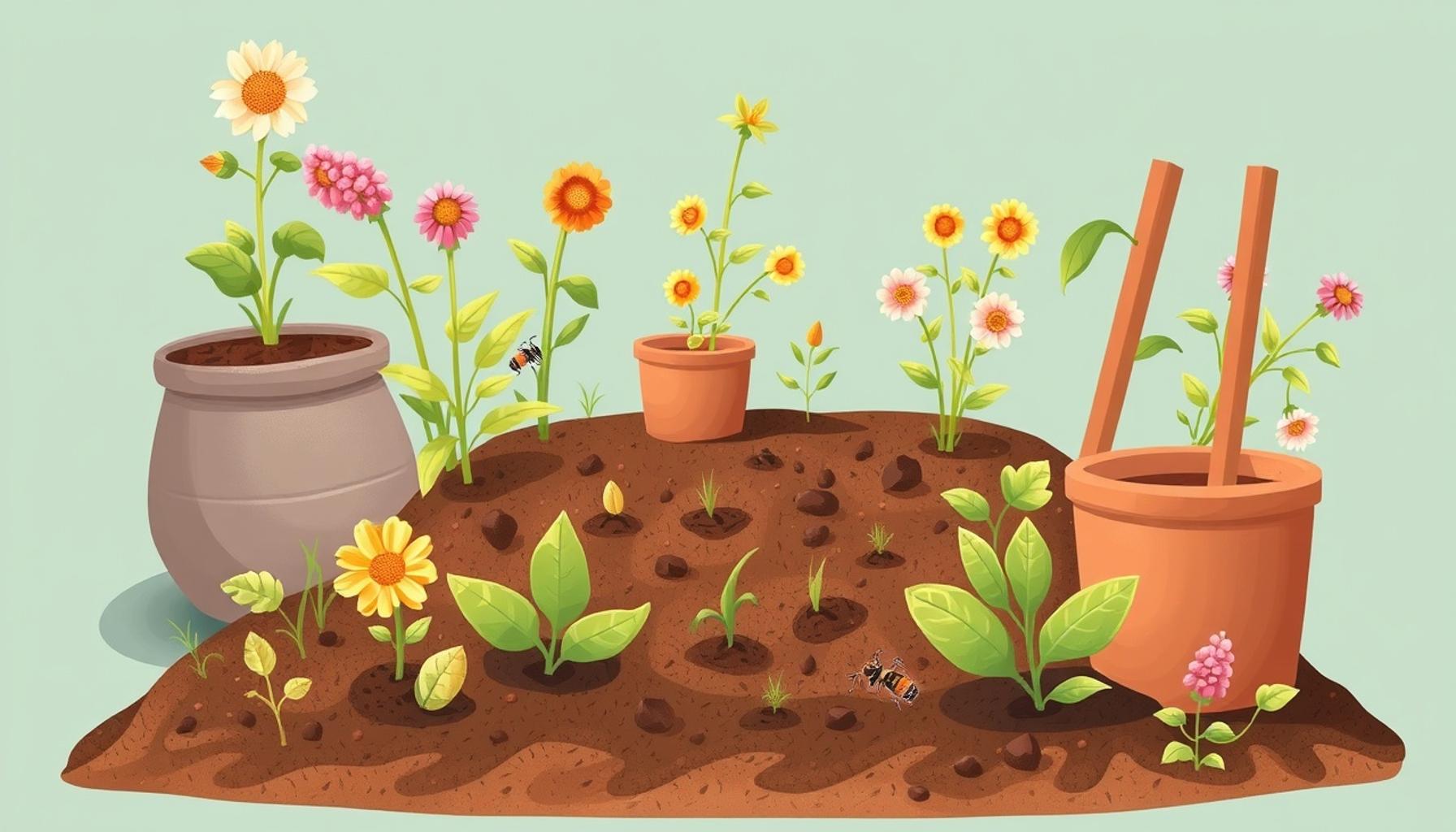
The Importance of Soil Health in Gardening
In any gardening endeavor, soil health should be regarded as the backbone of a thriving ecosystem. A robust, nutrient-rich soil not only supports plant growth but also significantly contributes to an intricate network of interactions that can benefit gardeners. While beginners may initially direct their attention to selecting seeds and applying fertilizers, understanding soil health is essential for creating a vibrant garden environment and effectively managing pests.
The Connection Between Soil and Pests
The health of your soil is equivalent to the health of a bustling city; a vibrant community of microorganisms and wildlife calls it home. This underground network encompasses:
- Earthworms, which are nature’s plowing machines. These remarkable creatures aerate the soil as they tunnel through it, helping to facilitate the movement of water and nutrients to plant roots while also improving soil structure.
- Microorganisms—essentially the unsung heroes of the soil—include bacteria, fungi, and protozoa that break down organic matter such as leaf litter and decomposed plants. This process enriches the soil with essential nutrients that promote plant growth.
- Natural predators such as ladybugs and lacewings, that play a crucial role in keeping pest populations in check. By establishing a diverse ecosystem, gardeners can leverage these beneficial insects to control aphids, mites, and other garden nuisances without resorting to chemical interventions.
When soil is compromised, for instance due to compaction or lack of organic matter, plants become more vulnerable to pests and diseases. This relationship underscores the importance of nurturing soil health as a foundational principle of effective pest management. Understanding this connection can be a game-changer for novice gardeners, promoting healthier plants and a more balanced ecosystem.
Key Benefits of Healthy Soil
Investing time and resources into maintaining soil health can yield remarkable benefits that extend far beyond simply growing plants:
- Improved plant resilience: Healthy soil fosters robust plant systems that can better withstand pests, drought, and other environmental stresses. For example, plants with deeper root systems can access water more efficiently during dry spells.
- Enhanced growth: A rich soil ecosystem allows for better nutrient absorption, resulting in more vigorous plant growth. This means bigger, tastier fruits and vegetables that can also resist diseases.
- Reduced dependency on chemical pesticides: By promoting soil health, gardeners can create a naturally balanced environment that minimizes the need for chemical interventions, thus embracing a more sustainable and eco-friendly approach.
For those embarking on their gardening journeys, recognizing the foundational role of soil can be both enlightening and empowering. By focusing on enhancing soil health, budding gardeners can improve their chances of success and foster a sustainable relationship with nature that supports their goals. The world of gardening offers endless opportunities for exploration, and understanding the intricacies of soil is a vital stepping stone towards nurturing a flourishing garden.
DISCOVER MORE: Click here for natural pest control tips</p
Understanding Soil Composition and Its Role in Pest Management
To fully appreciate the impact of soil health on pest control, beginner gardeners must first understand the essential components that make up soil. The soil is not merely dirt; it is a complex mixture of minerals, organic matter, air, and water. Each of these elements plays a critical role in fostering an environment where plants can thrive and pests can be kept at bay.
Soil Composition can be broadly categorized into three main components: sand, silt, and clay. The balance of these components defines the soil’s texture and influences its capacity to retain water and nutrients—critical factors that directly affect plant health.
- Sand: Coarse and gritty, sand has large particles and provides excellent drainage but can lead to nutrient leaching if not managed properly.
- Silt: Finer than sand but coarser than clay, silt is nutrient-rich and retains moisture effectively, making it beneficial for plant growth.
- Clay: Tight and compact, clay soils retain water well but can become heavy and poorly aerated, leading to root suffocation and increased susceptibility to pests.
An ideal garden soil will be a balanced mix of all three components, creating a conducive environment for plants and minimizing issues related to pests and diseases. When soil is unbalanced or unhealthy, it not only stunts plant growth but also creates a breeding ground for pests, as weakened plants become more attractive to infestations.
The Role of Organic Matter in Soil Health
Organic matter is another critical player in soil health that novice gardeners should prioritize. Comprising decomposed plant and animal material, organic matter enriches the soil by enhancing its structure, nutrient levels, and water retention capabilities. Incorporating organic matter into the soil can dramatically transform its quality, leading to an abundance of beneficial microorganisms that aid in pest control.
Here are some key benefits of organic matter in relation to pest management:
- Nutrient enrichment: Organic matter provides essential nutrients that bolster plant health. Healthy plants are more resistant to pests and diseases, reducing the likelihood of infestations.
- Microbial activity: A healthy amount of organic matter supports a vibrant microbial community, which aids in the decomposition of organic material and cycles nutrients back into the soil. Many of these microorganisms also function as natural pest deterrents.
- Soil structure improvement: The addition of organic matter increases soil aeration and drainage, making it less hospitable to pests such as nematodes and soil-dwelling insects that thrive in compact or waterlogged conditions.
For beginner gardeners, integrating organic matter, such as compost or well-rotted manure, into their gardening practices can lead to healthier soil and reduced pest populations. This holistic approach to gardening not only benefits plants but also fosters a balanced ecosystem that naturally curtails pest invasions. Understanding and nurturing soil health can indeed reshape the gardening experience, paving the way for lush, thriving gardens free from excessive reliance on chemical treatments.
The Role of Soil Microorganisms in Pest Control
Soil health is deeply intertwined with the presence of microorganisms, including bacteria, fungi, and nematodes, that play a crucial role in pest control. A strong microbial community can enhance plant health and resilience against pests. For instance, certain beneficial bacteria can produce natural insecticides that repel harmful pests. These microorganisms work symbiotically with plant roots, improving nutrient uptake and enhancing chemical defenses within the plants themselves.
Utilizing Organic Matter for Fertility and Pest Management
Incorporating organic matter, such as compost or well-rotted manure, into the soil enriches its structure and nutrient availability. This organic material encourages the proliferation of beneficial organisms, which in turn fosters a balanced ecosystem. As a result, healthy plants cope better with pest pressures. Furthermore, organic matter elevates soil moisture retention, helping plants to endure stress, making them less vulnerable to infestations.
Soil pH and Its Influence on Pest Populations
Maintaining the proper soil pH is essential for optimal plant growth and pest control. Soil pH affects nutrient availability and can influence which pests thrive or decline. For instance, certain pests are more abundant in acidic soils, while others prefer alkaline conditions. By monitoring and adjusting pH levels, beginner gardeners can create unfavorable conditions for specific pests, thereby reducing their populations naturally.
Crop Rotation as a Method to Enhance Soil Health
Crop rotation is a powerful practice in gardening that helps maintain soil health and manage pest populations. By rotating different families of plants, gardeners can break the life cycles of pests and diseases that might thrive in a monoculture environment. This approach inadvertently improves soil structure and nutrient dynamics, leading to healthier crops with greater resilience to pest threats.
Table: Advantages of Healthy Soil for Pest Control
| Category | Key Features |
|---|---|
| Enhanced Nutrient Uptake | Soil rich in organic material provides essential nutrients that strengthen plants. |
| Natural Pest Repellents | Beneficial microorganisms can produce natural insecticides to deter harmful pests. |
These factors illustrate how improving soil health can drastically influence pest management strategies in beginner gardening. Understanding how soil quality affects pest populations arms new gardeners with the knowledge necessary to cultivate thriving gardens, brimming with life and productivity.
DON’T MISS: Click here to discover the best seasonal plants
The Importance of Soil pH in Pest Management
Another critical aspect of soil health that beginner gardeners should consider is soil pH. The acidity or alkalinity of the soil can significantly influence plant health and, consequently, pest interactions. Soil pH is measured on a scale of 0 to 14, with values below 7 indicating acidic soil and those above 7 indicating alkaline conditions. Most garden plants thrive in soils with a pH range of 6.0 to 7.5, which provides optimal nutrient availability.
When soil pH strays from this ideal range, plants can suffer from nutrient deficiencies, making them more vulnerable to pests and diseases. For example, if the soil is too acidic, essential nutrients like phosphorus may become less available, stunting plant growth. Meanwhile, alkaline soils can lead to deficiencies in micronutrients such as iron, resulting in poor health and increased susceptibility to pests.
To maintain healthy soil pH, it is advisable for beginner gardeners to regularly conduct soil tests. These tests can offer valuable insights into the soil’s acidity and guide amendments needed to restore balance. Common amendments include lime for acidic soils and sulfur for alkaline soils, both of which can create a more hospitable environment for plants less prone to pest infestations.
The Impact of Soil Structure on Pest Populations
Beyond the composition and pH of the soil, soil structure plays a vital role in pest control. Soil structure refers to the arrangement of soil particles and the spaces between them, affecting air and water movement as well as root penetration. Healthy soil structure can deter pests by promoting a robust plant root system, ensuring plants can better access nutrients and water. In contrast, compacted soil can hinder root development and create an environment where pests thrive.
Pests such as wireworms and root maggots prefer compacted soils where their larvae can easily find shelter. Inadequate aeration also leads to stagnant water, creating an attractive breeding ground for mosquitoes and other harmful insects. Therefore, loosening soil structure through practices like crop rotation, raised beds, and cover cropping can play a significant role in pest management.
Additionally, incorporating techniques such as no-till gardening can preserve the existing soil structure. This method allows beneficial organisms, including earthworms and beneficial nematodes, to flourish, promoting natural pest control through healthy soil ecosystems.
- Crop Rotation: Changing the types of crops grown in specific areas can disrupt the life cycles of pests, preventing them from establishing a foothold in the garden.
- Raised Beds: These can improve drainage and soil aeration, making the environment less conducive to pest activity.
- Cover Cropping: Implementing cover crops can enhance soil structure while suppressing weed growth, further limiting habitats for pests.
For beginner gardeners, understanding and implementing effective management of soil structure not only aids in maintaining healthy plants but also curbs the population of harmful pests. By committing to practices that foster strong soil health, gardeners can create a resilient ecosystem capable of minimizing pest pressures naturally.
DISCOVER MORE: Click here to learn about companion planting
Conclusion
In summary, soil health serves as the foundation for successful gardening, directly influencing pest control and overall plant vitality. Beginner gardeners should recognize the critical role that both soil pH and soil structure play in creating an environment that fosters healthy plants while deterring pests. By maintaining an optimal soil pH, gardeners can ensure that essential nutrients are accessible to their plants, promoting stronger growth and resilience against pest attacks.
Furthermore, managing soil structure through techniques like crop rotation, raised beds, and cover cropping can drastically improve the aeration and drainage of soil, making it less hospitable for harmful pest populations. This hands-on approach not only enhances nutrient uptake but also builds a thriving ecosystem in the garden where beneficial organisms can thrive, effectively contributing to natural pest management.
For those just starting their gardening journey, embracing the principles of soil health can seem daunting. However, investing time in understanding and nurturing the soil will yield long-term benefits both in yield and in reducing reliance on chemical pest control measures. With the right practices, beginner gardeners are empowered to create a flourishing garden that is resilient, productive, and strikingly beautiful. As you dig deeper into your gardening adventure, remember that the secret to a thriving garden lies in the rich, balanced soils beneath your feet.