The Importance of Soil Type in Plant Selection: A Guide for New Gardeners
The Significance of Soil Types in Gardening
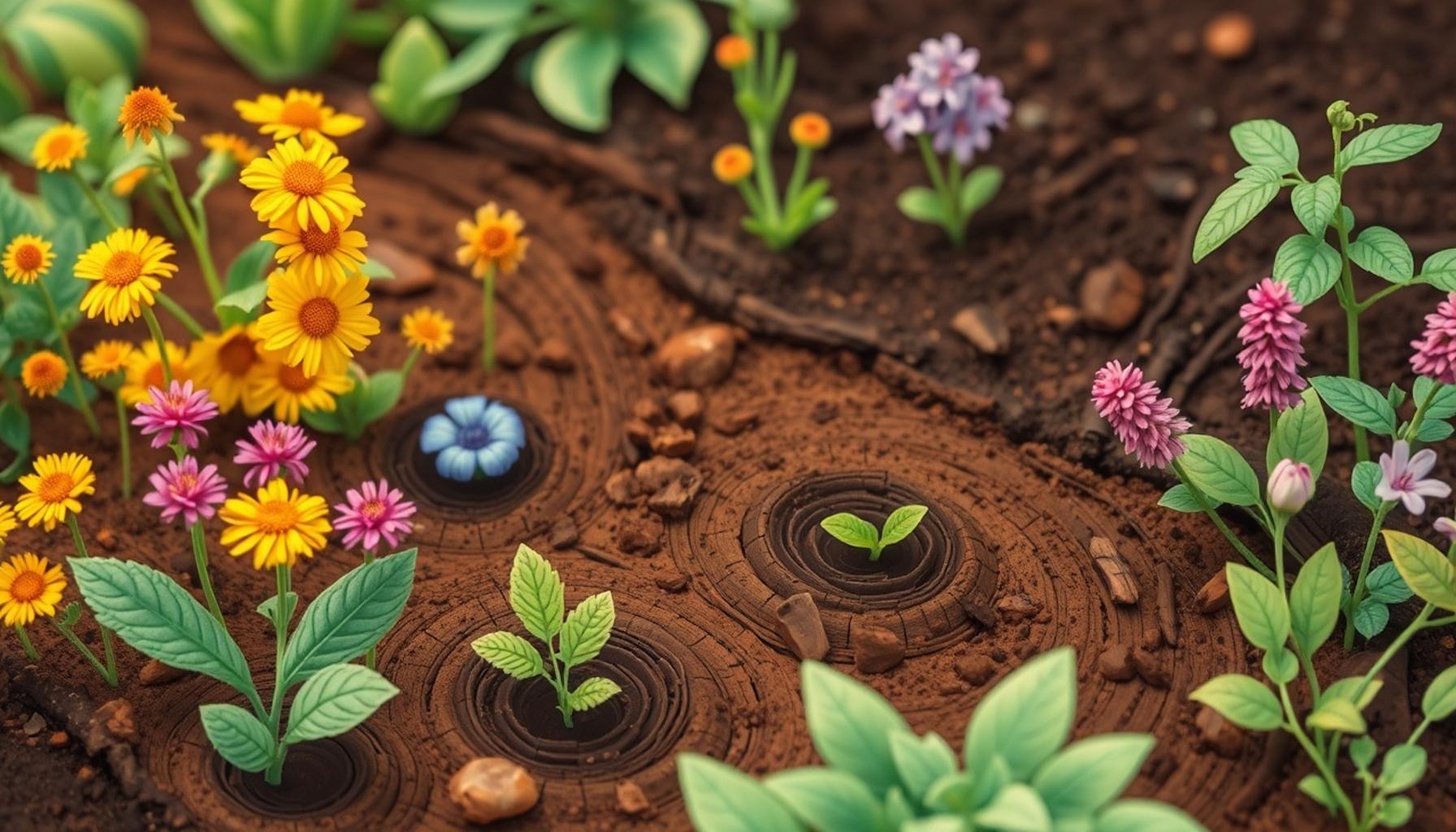
Soil is more than just dirt; it is a vital ecosystem that plays a crucial role in plant health. When selecting plants for your garden, understanding the importance of soil type can make all the difference between a thriving garden and a lackluster patch of earth. Each soil type presents unique attributes that can either facilitate or hinder the growth of various plant species.
Different plants have specific soil preferences that greatly affect their growth patterns. To illustrate, here are key soil types, their characteristics, and suitable plants:
- Sandy Soil: This soil type is well-drained yet often nutrient-poor. It warms up quickly in the spring, making it perfect for heat-loving plants like cacti and succulents. Also, herbs such as rosemary and lavender thrive in sandy soil, as they prefer drier conditions.
- Clay Soil: Known for its heavy and dense properties, clay soil retains moisture well, which can be a double-edged sword. While it can support moisture-loving plants like irises, it can be challenging for other plants due to its tendency to become compact and waterlogged. Amendments such as compost can help improve its structure and fertility.
- Silty Soil: Rich in nutrients and excellent at retaining moisture, silty soil provides a fertile environment suiting a variety of plants, including vegetables like tomatoes and peppers, as well as ornamentals like astilbe. Its fine texture allows for easy root penetration, making it a gardener’s favorite.
- Loamy Soil: A balanced blend of sand, silt, and clay, loamy soil is highly fertile and considered the golden standard for most gardening endeavors. It offers excellent drainage while still retaining nutrients, making it ideal for growing vegetables, flowers, and shrubs alike. Plants like azaleas and zinnias flourish in loamy conditions.
New gardeners often overlook the characteristics of their soil, leading to poor plant choices and disappointing outcomes. Understanding your soil type begins with testing its pH level and nutrient composition. Local extension services often provide soil testing kits or resources, guiding you to align those results with appropriate plants for your garden.
Furthermore, cultural practices such as adding organic matter and mulching can enhance any soil type, improving its fertility and moisture retention. For example, adding compost not only enriches nutrient levels but also helps improve drainage in clay soils or adds structure to sandy soils.
In this guide, we explore the intricacies of soil types and offer insights on how to choose the right plants adaptable to your garden’s specific conditions. By understanding the relationship between soil type and plant selection, you can cultivate a flourishing garden that thrives throughout the seasons, creating a vibrant habitat for plants and a sanctuary for wildlife.
DIVE DEEPER: Click here to learn more about soil preparation
Understanding Soil Types and Their Implications for Gardeners
As you embark on your gardening journey, one of the most crucial factors to consider is your garden’s soil type. Each soil type is characterized by its composition, drainage capabilities, and nutrient content, all of which influence the types of plants that can flourish. By recognizing the properties of different soil types, new gardeners can make informed decisions that lead to healthier plants and a more vibrant garden.
The four primary soil types—sandy, clay, silty, and loamy—each have distinct traits that dictate their suitability for various plant species. Understanding these differences not only enhances your gardening success but also provides insight into the necessary amendments to cultivate a thriving garden.
Exploring Soil Types
- Sandy Soil: Often described as gritty and loose, sandy soil is known for its quick drainage. This type of soil heats up rapidly, making it an excellent habitat for heat-loving plants. However, its inability to retain nutrients poses limitations. When working with sandy soil, consider incorporating organic material like compost to enhance nutrient retention. Suitable plants that flourish in sandy soil include cacti, succulents, and herbs such as thyme and sage.
- Clay Soil: If your garden features clay soil, expect a dense texture that can retain moisture well. This characteristic is beneficial for plants requiring frequent watering, such as willows and iris. However, the compaction of clay can discourage root growth and restrict oxygen flow, so amendments like sand and compost are essential to improve aeration. Plants like astilbe and bee balm thrive in these conditions when properly cared for.
- Silty Soil: Regarded as the gardener’s dream, silty soil boasts a fine texture that is fertile and retains moisture effectively. This makes it an ideal medium for growing a wide variety of plants, from vegetables like carrots and lettuce to ornamental plants such as peonies and daylilies. To maintain its health, ensure proper drainage and avoid compaction.
- Loamy Soil: Often considered the “golden standard” for gardening, loamy soil is a perfect blend of sand, silt, and clay, offering balanced drainage and nutrient retention. This ideal composition supports a vast range of plants, including colorful flowers like marigolds and delicious vegetables like zucchini. New gardeners should aim for loamy soil to optimize plant growth and garden productivity.
To successfully navigate your gardening path, begin by assessing your soil type. A simple soil test can reveal its pH and nutrient levels, guiding you toward plant selections tailored to your garden’s unique conditions. Local extension offices often provide resources and soil testing opportunities, ensuring you have the necessary information for optimal plant growth.
In summary, understanding the intricacies of soil types is essential for any new gardener looking to cultivate a beautiful and productive garden. By recognizing the appropriate plant selections based on soil conditions, achieving your gardening goals becomes an attainable reality.
The Influence of Soil Types on Plant Growth
Understanding the characteristics of different soil types is essential for new gardeners seeking to create vibrant and flourishing gardens. The primary soil types—sandy, clay, silt, loam, and chalky—each have unique properties affecting water retention, nutrient availability, and root development. Sandy soil, for example, is well-draining but often lacks nutrients. This type of soil is fantastic for plants like succulents and cacti that require sharp drainage. In contrast, clay soil retains moisture remarkably well but can be compacted, restricting root growth. Therefore, understanding what plants thrive in this environment can save gardeners from distress and losses.Loamy soil is often considered the gardener’s dream due to its balanced mixture of sand, silt, and clay. This combination allows for excellent drainage while still retaining nutrients and moisture, making it ideal for a wide variety of plants. Similarly, silt soil, which retains moisture but drains well, can support plants such as vegetables and flowers that require ample nutrition.Moreover, the pH level of the soil significantly affects plant selection. Acidic soils are better suited for certain berries and evergreens, while alkaline soils support broadleaf trees and many herbs. Utilizing soil tests can provide valuable insights into the composition and pH level, enabling gardeners to make informed decisions about which plants to cultivate effectively.
Compaction and Aeration
Another critical aspect to consider is soil compaction, which can hinder plant growth due to reduced aeration. Compacted soil restricts root expansion and limits access to nutrients and water. New gardeners should focus on practices such as adding organic matter or utilizing mulch to improve soil structure, enhancing both aeration and fertility.In conclusion, grasping the importance of soil type allows new gardeners to make tailored decisions when selecting plants that will succeed in their unique environment. Factors such as drainage, nutrient composition, and pH levels all play a significant role in cultivating a thriving garden. By prioritizing these aspects, novice gardeners can transform their gardening experiences into rewarding ventures filled with lush, vibrant plants.
DIVE DEEPER: Click here to learn how to troubleshoot drainage issues
Assessing Soil Quality for Optimal Plant Performance
Once you’ve identified your soil type, the next essential step is assessing its quality. Soil quality can vary based on several factors, including organic matter content, nutrient levels, and pH. These elements play a crucial role in plant health, so understanding them can drastically influence your garden’s success.
The Role of Organic Matter
Organic matter is the lifeblood of healthy soil. Composed of decomposed plant and animal material, it enhances soil structure, water retention, and fertility. Gardens rich in organic matter tend to support a more active microbial community, which is instrumental in breaking down nutrients and making them accessible to plants. One way to improve the organic matter in your garden is by incorporating well-rotted compost or mulch. Local parks or community gardens often provide free mulch, a sustainable option for adding organic materials to your soil.
Nutrient Levels and Amendments
Each plant species has unique nutrient requirements—some thrive on high nitrogen levels while others prefer phosphorus-rich soil. Conducting a soil test will reveal the current nutrient profile of your soil, allowing you to tailor your garden planning effectively. Home test kits are available at gardening centers and can provide both a pH reading and nutrient analysis. After getting your results, you may need to consider organic fertilizers or amendments based on what your soil lacks. For example, if your soil is deficient in potassium, then adding wood ash or greensand can help boost levels.
Understanding Soil pH
Soil pH is an essential factor that affects nutrient availability. Most garden plants thrive in moderately acidic to neutral conditions (pH 6.0 to 7.0). If your soil falls outside this range, it may limit a plant’s ability to take up nutrients, potentially leading to poor growth or even plant failure. To alter pH, you can use products like lime to increase acidity or sulfur to lower it. It’s a good idea for new gardeners to familiarize themselves with the specific pH preferences of their chosen plant varieties.
<h3Choosing Companion Plants
Another element to consider when selecting plants is the concept of companion planting. Certain plants can benefit one another by enhancing growth, deterring pests, or improving soil health. For example, beans enrich the soil with nitrogen, which is beneficial for plants like corn and squash. Utilizing knowledge about soil types along with compatible species can maximize yield and minimize pest issues, setting gardeners up for greater success.
Utilizing Local Resources
New gardeners can also enhance their understanding and skills by utilizing local resources. Many local extension offices provide workshops, soil testing services, and gardening advice tailored to your specific region. Engaging with gardening clubs or community gardens can also offer invaluable insights and support, making the gardening experience not only educational but also community-oriented.
As you advance in your gardening journey, remember that nurturing your soil will ultimately lead to robust, healthy plants. By taking the time to assess and amend your soil, you can establish a thriving garden that not only brings beauty but also sustenance to your life. In the ever-changing dynamics of nature, soil stands as the steadfast foundation upon which your gardening endeavors will grow. Happy gardening!
DISCOVER MORE: Click here to learn how to create a wildlife-friendly garden
Conclusion: Cultivating Success Through Soil Knowledge
In the world of gardening, understanding soil type is not just a technical detail—it’s the very foundation of a thriving garden. As highlighted throughout this guide, the relationship between soil quality and plant performance cannot be overstated. With diligent assessment of organic matter, nutrient levels, and pH, new gardeners can make informed decisions that lead to healthy and productive plants.
Moreover, recognizing the unique requirements of each plant species allows gardeners to create a tailored environment that meets their needs. Embracing practices such as companion planting not only enhances growth but fosters a dynamic ecosystem within your garden. By aligning plant choices with soil characteristics, you will cultivate not just beauty but a resilient garden over time.
Utilizing local resources—be it soil testing services, gardening clubs, or workshops—can further enrich your knowledge and confirm your choices. In a country as diverse as the United States, where soil types and climate conditions vary widely, local insights can play a crucial role in navigating the complexities of gardening.
As a new gardener, let your enthusiasm for cultivating blossoms lead you to explore the depths of your soil. By equipping yourself with this knowledge, you’re laying down roots for future success. Remember, the journey of gardening is one of continuous learning, and your soil will always remain your most treasured ally. Dive deep into the wonders of your garden, and may your green thumb flourish!