Exploring Edible Plants: A Beginner’s Guide to Growing Your Own Vegetables
Discover the World of Edible Plants
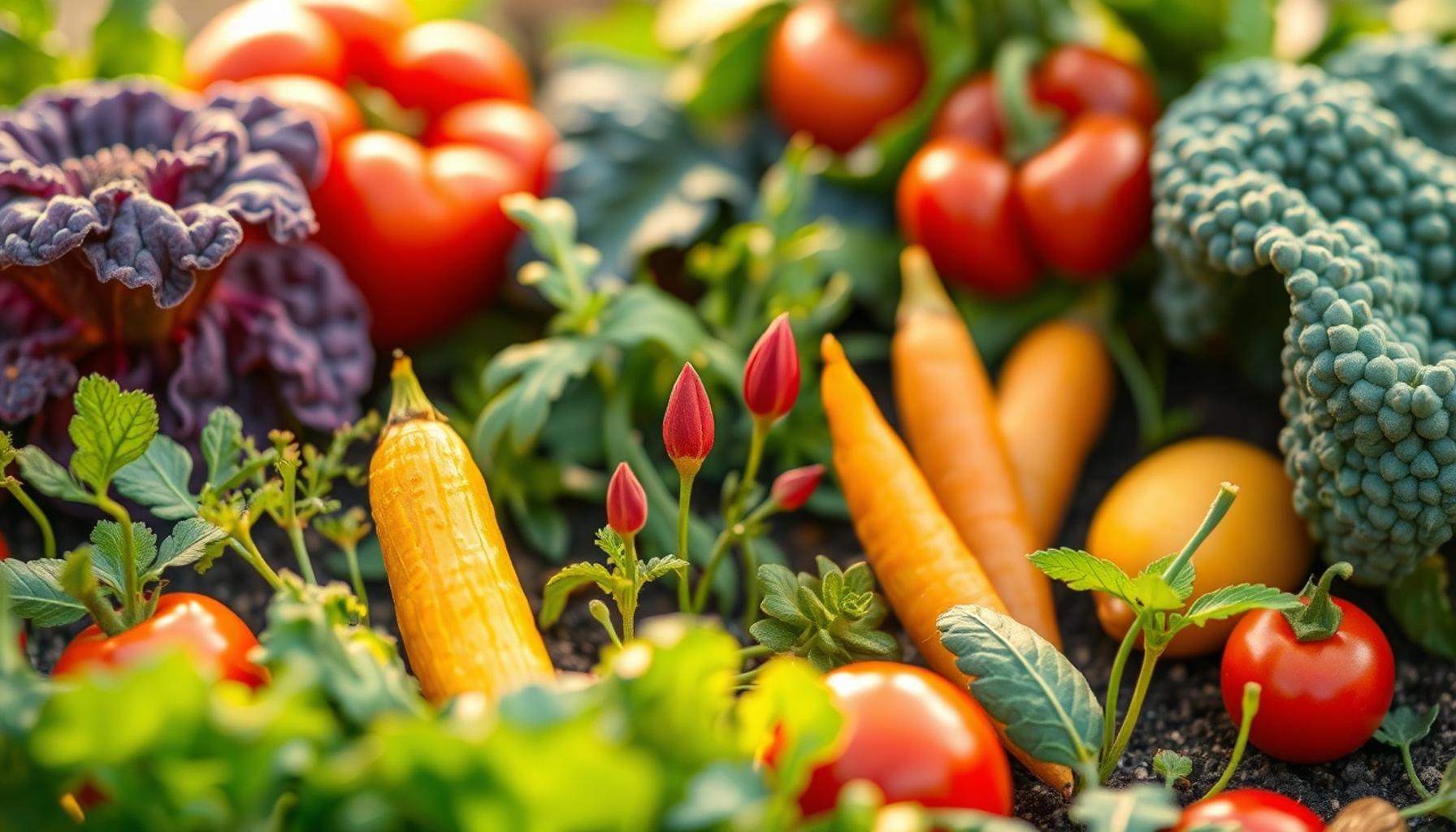
Have you ever considered growing your own vegetables? With more people seeking sustainable lifestyles, the trend of cultivating edible plants has gained momentum. As a beginner, you can embark on an exciting journey of planting and harvesting fresh produce right from your own backyard. This rewarding experience not only brings enjoyment but also provides a sense of accomplishment.
Growing your own vegetables isn’t just practical; it’s a fulfilling endeavor with multiple benefits. Here are a few advantages that might pique your interest:
- Freshness: Nothing compares to the taste of freshly picked vegetables. Whether it’s a sun-ripened tomato or crisp lettuce, homegrown produce offers flavors that grocery store varieties often lack.
- Healthier Choices: Homegrown produce allows you to control what goes into your food, reducing risks from pesticides and chemicals commonly used in commercial farming. You can employ organic growing methods, ensuring the highest quality for your family.
- Cost-Effective: By growing staple vegetables like potatoes and carrots, you can significantly reduce your grocery bills. Over time, the initial investment in seeds, soil, and tools pays off with every harvest.
In the United States, diverse climates support a wide array of edible plants, making it possible for nearly anyone to cultivate vegetables. Whether you’re in the bustling streets of New York City, which enjoys the benefits of container gardening, or the wide-open spaces of Texas, where traditional row gardening flourishes, there’s a vegetable suited for every locale. Consider these popular choices that thrive across regions:
- Tomatoes: Known as the garden superstar, tomatoes are perfect for beginners and can be grown in various soil types and conditions. They are essential in numerous dishes, from salads to sauces, making them a staple in many American kitchens.
- Spinach: Not only is this leafy green fast-growing, but it’s also loaded with vitamins A, C, and K. Spinach can be sown multiple times a year, providing ongoing harvests throughout the growing season.
- Green Beans: These hardy plants are great for vertical gardening, making them an excellent choice for limited spaces. They also thrive in many climates and can be harvested multiple times, offering a continuous supply of fresh produce.
As you delve into this guide, you’ll learn essential techniques and tips on cultivating your own vegetables. Topics may include how to prepare the soil, properly water your plants, and fend off common pests and diseases. This knowledge not only empowers you but also leads to healthier eating habits. Prepare to uncover the joy of gardening and the satisfaction of enjoying your personal harvest. So grab your gardening gloves and get started; your journey into the world of edible plants awaits!
DISCOVER MORE: Click here to learn about the perfect harvest timing
Getting Started: Essential Steps for New Gardeners
As you embark on your journey of growing your own vegetables, it is essential to understand the foundational steps that will set you up for success. Gardening is not merely about planting seeds; it involves critical planning and preparation to create an environment that nurtures your plants. Here are some key actions that every beginner should consider:
- Choosing the Right Location: The first step in cultivating edible plants is identifying the ideal spot in your yard or balcony. Look for a location that receives at least 6-8 hours of sunlight daily. Vegetables like tomatoes and peppers thrive in sunny conditions, while leafy greens may tolerate partial shade.
- Soil Preparation: Healthy plants start with quality soil. Test your garden soil’s pH and nutrient levels. Most vegetables prefer a pH between 6.0 and 7.0. You can amend your soil by adding organic matter such as compost or well-rotted manure, which enhances soil structure and provides essential nutrients.
- Research Suitable Vegetables: Not all vegetables are created equal, especially when it comes to your local climate. Consult local gardening guides or join gardening groups to learn which vegetables are best suited for your area. Examples might include cucumbers in the warmer regions or hardy root vegetables, such as carrots and beets, in cooler climates.
Understanding the growing seasons is also crucial as it helps you plan when to sow your seeds or plant seedlings. In most parts of the United States, the last frost date can significantly affect your planting schedule. A general rule of thumb is to start seeds indoors about 6-8 weeks before the last expected frost date for a head start on growth.
Gathering Your Tools
A well-equipped gardener is a successful gardener. As a beginner, consider investing in some essential gardening tools that will make the process smoother:
- Hand Trowel: This small tool is perfect for digging holes, transplanting seedlings, and mixing in soil amendments.
- Garden Fork: Useful for loosening compacted soil and incorporating organic matter into your garden bed.
- Watering Can or Hose: Providing adequate moisture is critical. A watering can with a spout or a hose with a spray attachment will help you reach every corner of your garden.
- Gardening Gloves: Protect your hands while working with soil and sharp tools. Comfortable gloves can help prevent blisters and allow you to care for your plants with ease.
Once you have your location set and tools ready, the excitement of planting your first seeds or seedlings is palpable. Patience and consistent care play significant roles in your gardening success. Make it a habit to check your plants regularly for signs of growth or distress, and enjoy the process of nurturing what you’ve planted.
In the next sections, we will explore advanced techniques such as crop rotation, companion planting, and pest management that will further enhance your gardening journey. Let your adventure with edible plants unfold as you cultivate a thriving vegetable garden!
Growing your own vegetables can be a profoundly rewarding experience, offering both health benefits and a deeper connection to nature. As you navigate the world of edible plants, it’s essential to understand various elements that contribute to successful gardening. For instance, knowing the right season for planting different vegetables can significantly impact yield and flavor.One of the most compelling reasons to embark on this journey is the ability to cultivate organic produce right in your backyard. Unlike store-bought vegetables, homegrown options are free from harmful pesticides and chemicals, ensuring that your meals are healthier for you and your family. Furthermore, the flavor of fresh vegetables is often far superior to their supermarket counterparts, enhancing the overall quality of your meals.Additionally, growing your own vegetables promotes sustainability. By adopting practices such as composting and utilizing rainwater, you can reduce your carbon footprint and contribute to environmental conservation. This sustainable approach not only supports your local ecosystem but also encourages a more conscious lifestyle.In terms of accessibility, it’s important to recognize that you don’t need a large plot of land to start your gardening adventure. Container gardening has become increasingly popular, allowing individuals living in apartments or houses with limited yard space to cultivate their edible plants. With a variety of pots and vertical gardening tools available, anyone can transform a small balcony or patio into a thriving vegetable garden.As you prepare to delve deeper into the world of edible plants, consider joining local gardening clubs or online forums. Connecting with like-minded individuals can provide invaluable insights and shared experiences that enrich your gardening journey. Embrace the exploration of flavors, textures, and the joy of growing your own food — it’s a rewarding endeavor that benefits not only you but also the community around you.
DIVE DEEPER: Click here to learn how to fix drainage issues
Planting Techniques: Nurturing Your Vegetable Garden
With the groundwork laid for your vegetable garden, it’s time to delve into the specific planting techniques that will boost your chances of cultivating a thriving array of edible plants. Understanding the right methods and timing for planting can make a significant difference in your harvest yields. Here are several critical aspects to consider:
Direct Seeding vs. Transplanting
One of the first decisions to make is whether to opt for direct seeding or transplanting seedlings. Direct seeding involves sowing seeds directly into the soil, which is typically ideal for crops like carrots, radishes, and beans. This method allows your vegetables to establish roots in their natural environment right from the start. However, some seeds require a specific temperature to germinate, so timing is crucial.
On the other hand, transplanting is effective for heat-loving crops like tomatoes, peppers, and cucumbers. By starting seedlings indoors or purchasing young plants from a local nursery, you can accelerate growth and give your plants a head start on the growing season. Aim to transplant after the last frost date to avoid any potential damage from cold temperatures.
Understanding Planting Depth and Spacing
Understanding the proper planting depth and spacing for your seeds or seedlings is fundamental to achieving the best garden results. Most seed packets or plant tags will provide specific instructions, but as a rule of thumb:
- Small seeds, such as lettuce and carrots, should be sown shallowly, usually no more than 1/4 inch deep.
- Medium-sized seeds like peppers and squash should be planted about 1/2 inch to 1 inch deep.
- For larger seeds such as beans and corn, aim for a depth of around 1 to 2 inches.
Spacing also plays a crucial role in plant health. Crowded plants compete for sunlight, water, and nutrients, which can stunt growth and increase susceptibility to diseases. Check the seed packets for recommended spacing, but as a general guideline, provide approximately:
- 8-12 inches between rows for larger plants (like tomatoes and peppers).
- 4-6 inches between smaller plants (like lettuce and radishes).
Watering Wisely
Once your seeds are in the ground, consistent watering is essential. Young plants are particularly vulnerable to drying out. Aim to provide about an inch of water per week, either through rainfall or supplemental watering. A good rule of thumb is that deep soaking is preferable over light, frequent watering because it encourages deeper root growth.
During dry spells, consider implementing a drip irrigation system or soaker hoses to deliver water directly to the roots, reducing evaporation and allowing efficient moisture management. Always check the soil before watering; if the top inch is dry, it’s time to give your plants a drink.
Mulching for Moisture and Weed Control
Another beneficial technique is the use of mulch. Applying a layer of organic mulch, such as straw, grass clippings, or shredded leaves, helps retain soil moisture, suppress weeds, and moderate soil temperature. Mulching also adds organic matter to the soil as it decomposes, contributing to overall soil health.
By following these planting techniques and becoming familiar with the best practices for nurturing your vegetable garden, you will find joy in watching your plants thrive. Keep your curiosity alive, learn from your experiences, and share your knowledge with fellow gardening enthusiasts to enhance your understanding of this rewarding endeavor.
LEARN MORE: Click here to enhance your gardening skills
Conclusion: Embrace the Journey of Gardening
As you embark on the exciting journey of growing your own vegetables, remember that cultivating a thriving garden is as much about the process as it is about the harvest. Each step you take—from selecting the right seeds and understanding planting techniques to ensuring proper watering and mulching—opens up a world of culinary possibilities and a deeper connection to the food you consume.
Exploring edible plants not only enhances your kitchen but fosters a profound appreciation for nature’s bounty. Engaging with the growing cycle allows you to witness the transformation from seed to table, enriching your meals with fresh, organic produce harvested at its peak flavor. It also presents an opportunity for sustainability, reducing your ecological footprint while promoting biodiversity in your local environment.
Moreover, gardening offers valuable lessons in patience and resilience. You will inevitably encounter challenges such as pests or unpredictable weather, but overcoming these obstacles can be rewarding and informative. Sharing your experiences with fellow gardening enthusiasts and delving into online resources and local workshops can further enhance your skills and knowledge.
So, whether you have a spacious backyard or a cozy balcony, don’t hesitate to dive into the world of home gardening. Every plant nurtured is a step toward not just improving your meals but also enriching your life with newfound skills and wellness. Start small, stay curious, and let each vegetable you grow be a testament to your dedication. Happy gardening!