Menu

The Importance of Soil Preparation for a Healthy Garden: Tips for Beginners

Soil preparation is crucial for creating a thriving garden, particularly for beginners. Understanding soil structure, pH balance, and organic matter enhancement can foster healthy plant growth and yield. By prioritizing these practices and ongoing soil care, gardeners can establish a vibrant ecosystem that supports sustainable gardening success.

The Role of Soil Organisms in Plant Preparation and Health

Soil organisms are essential for plant health and preparation, influencing nutrient cycling, soil structure, and disease resistance. Bacteria, fungi, protozoa, and earthworms work together to enhance soil fertility and biodiversity, promoting sustainable agriculture and resilience against environmental stresses. Understanding these interactions is vital for cultivating healthy ecosystems.

How to Test and Improve Soil Quality Before Planting

Evaluating and enhancing soil quality is vital for successful gardening and farming. Key aspects include soil texture, pH levels, and nutrient content. Implementing testing methods and improvement techniques, such as adding organic matter and practicing crop rotation, will foster a thriving garden or farm, ensuring optimal plant health and yields.

Soil Cover Strategies: How to Protect and Improve the Land Before Planting

Effective soil cover strategies play a crucial role in protecting and enhancing land quality before planting. Techniques like cover crops, mulching, and conservation tillage improve soil health, reduce erosion, and increase fertility, leading to sustainable agriculture. Adopting these methods ensures resilience against climate challenges while boosting crop yields.

Essential Tools for Soil Preparation: A Guide for Beginner Gardeners

This comprehensive guide highlights essential tools for soil preparation, emphasizing their role in promoting healthy plant growth for beginner gardeners. Key tools like hand trowels, garden forks, and soil test kits enhance productivity and ensure nutrient-rich soil, setting the foundation for a flourishing garden.

Soil Cultivation Techniques: How to Turn and Aerate the Soil to Improve Plant Growth

Soil cultivation techniques, including turning and aerating, are essential for promoting plant growth. Enhanced aeration increases oxygen availability, improves water absorption, and ensures nutrient mixing. Utilizing methods like manual turning, rototillers, and compost application enriches soil health, creating an optimal environment for thriving gardens and sustainable gardening practices.

How to Use Homemade Remedies for Effective Pest Control in Small Gardens

Discover how to utilize homemade remedies for effective pest control in small gardens. Embrace eco-friendly solutions like garlic spray, neem oil, and hot pepper mixtures to protect your plants while promoting a healthier garden ecosystem. These cost-effective approaches foster sustainability, ensuring your garden thrives naturally.

Creating a Wildlife-Friendly Garden: Balancing Pest Control and Biodiversity

Gardening can effectively support biodiversity while managing pests through wildlife-friendly practices. By incorporating native plants and diverse habitats, gardeners create natural pest control systems, enhancing ecosystem health. Emphasizing sustainable techniques fosters a harmonious balance, enriching both your garden and local wildlife, while promoting vibrant, eco-friendly spaces.

How to Choose Suitable Plants for Beginners: 10 Easy-Care Varieties for Your Home Garden

Starting a home garden can be fulfilling, especially for beginners. By selecting suitable, easy-care plants, such as snake plants, marigolds, and basil, novice gardeners can enjoy a successful experience. Understanding light, watering, and climate needs will enhance both plant growth and personal satisfaction, creating a charming home oasis.

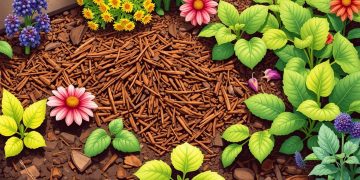
Integrating Organic Mulches for Pest Prevention in Home Gardens

Discover the benefits of integrating organic mulches for pest prevention in home gardens. These natural materials enhance soil health, establish physical barriers against pests, and encourage biodiversity, leading to resilient ecosystems. Embrace sustainable gardening practices to protect your plants while fostering a thriving garden environment.