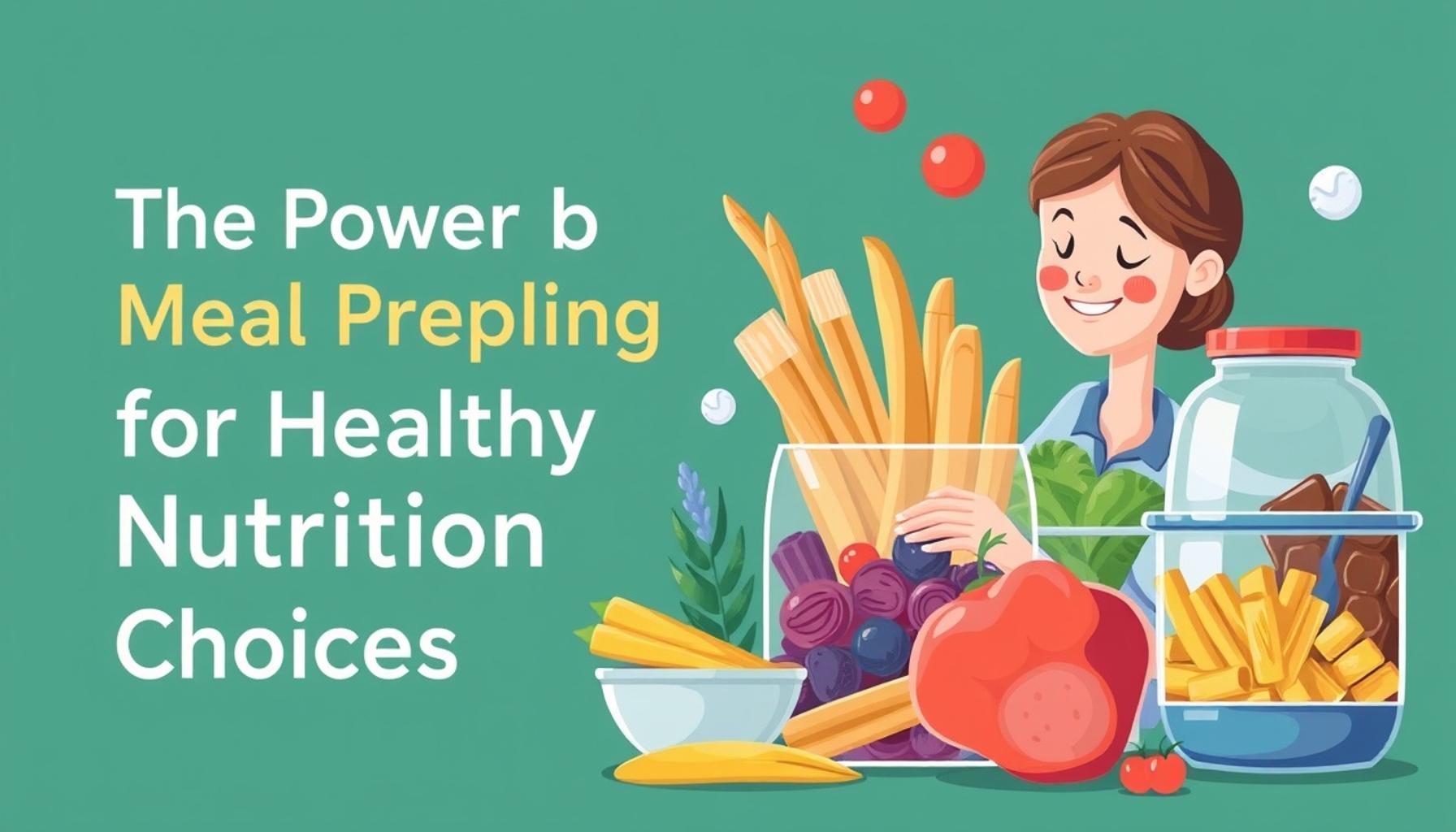
The Power of Meal Prepping for Healthy Nutrition Choices
The Transformation of Meal Prepping
In today’s fast-paced world, making healthy nutrition choices can often feel overwhelming. Thankfully, meal prepping offers a solution that can revolutionize the way we approach food. By organizing and preparing meals in advance, individuals can simplify their decision-making process and enhance their overall diet quality.
Why is Meal Prepping So Effective?
Meal prepping has gained traction for myriad reasons, and its effectiveness is backed by both anecdotal evidence and scientific research. Here are some key benefits:
- Time-saving: By selecting one day each week, such as Sunday, to prepare meals in bulk, individuals can avoid the daily cooking stresses that often lead to unhealthy choices. A few hours spent in the kitchen can yield meals for an entire week, covering breakfast, lunch, and dinner.
- Cost-effective: Meal prepping allows for greater efficiency in using ingredients, reducing food waste significantly. For example, buying a large quantity of chicken breast can be less expensive than purchasing single-serving packages. By planning meals around key ingredients, individuals not only save money but also minimize spoilage.
- Health-focused: Meal prepping empowers individuals to take charge of their health by controlling what goes into their meals. By preparing dishes at home, people can avoid unhealthy takeout options, ensuring they source fresh ingredients and limit sugar, salt, and unhealthy fats.
- Stress reduction: Having meals ready to go alleviates the chaos often experienced during mealtimes. Instead of scrambling to throw together a meal after a long day, pre-prepared meals enable individuals to unwind and enjoy their food without the worry that often accompanies food decisions.
The Impact of Meal Prepping on Diet Quality
According to research, individuals who meal prep tend to consume more fruits and vegetables than their non-prep counterparts, contributing to a balanced diet. Statistics show that meal preppers not only report better nutritional intake but also often meet their daily dietary needs. For instance, a study published in the Journal of Nutrition found that those who regularly engaged in meal prepping were more likely to adhere to recommended daily servings of fruits and vegetables.
Adapting Meal Prepping to Your Lifestyle
As you delve deeper into meal prepping, consider how this practice can be tailored to fit your lifestyle and preferences. Do you have dietary restrictions? Are you trying to be more plant-based? Meal prepping can easily accommodate any dietary approach, whether that means batching vegan quinoa bowls or prepping low-carb cauliflower rice dishes.
Start by planning a grocery list based on the meals you want to prepare for the week. Incorporating new recipes can also make this endeavor exciting. Websites, apps, and social media groups dedicated to meal prepping can provide a wealth of inspiration and tips for all skill levels.
The power of meal prepping lies in its adaptability. By taking proactive steps to manage your meals, you can transform your health and well-being. So, are you ready to embrace meal prepping and take your nutrition to the next level?
Unlocking the Benefits of Meal Prepping
As you embark on the journey of meal prepping, it’s crucial to recognize how this practice can effectively address common dietary challenges. Many people struggle with maintaining a healthy diet due to time constraints, lack of planning, or simply the overwhelming number of food choices available. By implementing meal prepping into your weekly routine, you can systematically combat these hurdles, paving the way for a more nutritious lifestyle.
Essential Components of a Successful Meal Prep
To truly harness the power of meal prepping, it’s important to establish a systematic approach. Here are some fundamental components that contribute to successful meal preparation:
- Planning Ahead: The backbone of meal prepping lies in thorough planning. Start by selecting a day to map out your meals for the week. Create a schedule that includes breakfast, lunch, dinner, and snacks. The more detailed your plan, the easier it will be to stick to healthy eating habits.
- Grocery Shopping: Once your meal plan is established, compile a comprehensive grocery list to ensure you have all the necessary ingredients. Buying in bulk and incorporating fresh produce will not only save you money but will also set you up for success in preparing nutritious meals.
- Batch Cooking: Dedicate a few hours on your designated meal prep day to cook in bulk. Prepare staple ingredients like grains, proteins, and roasted veggies that can be reused throughout the week. This approach not only saves time but also encourages a variety of meals without excess work.
- Portion Control: Taking the time to portion out meals into individual containers can help with controlling portion sizes and reducing the temptation to indulge in larger servings. This method can also assist in keeping track of caloric intake, a key factor for weight management enthusiasts.
The Psychological Benefits of Meal Prepping
Beyond the physical advantages, meal prepping can significantly enhance your mental well-being as well. A study conducted by the International Journal of Behavioral Nutrition and Physical Activity highlighted that individuals who engage in meal prepping often experience reduced levels of stress and anxiety related to food choices. Greater organization in the kitchen creates a sense of control, allowing you to focus on the nutritional content of your meals while reducing the cognitive load associated with meal time decisions.
Additionally, meal prepping introduces a newfound sense of creativity in the kitchen. Experimenting with different ingredients, spices, and cooking methods can lead to exciting discoveries that elevate your culinary skills. Embracing this creative process can further enhance your relationship with food, making the act of preparing meals a delight rather than a chore.
As you start to uncover the benefits of meal prepping, you’ll likely find that it cultivates better eating habits, boosts your confidence in the kitchen, and ultimately leads to healthier nutrition choices.
| Category | Benefits |
|---|---|
| Time Management | Meal prepping allows you to dedicate a specific time each week for meal preparation, significantly reducing the time spent on cooking during busy weekdays. |
| Cost Efficiency | By planning meals in advance, you can buy ingredients in bulk and avoid last-minute food purchases, which often lead to overspending and food waste. |
The concept of meal prepping is not just about convenience; it’s a powerful method that can enhance your health and well-being. By investing some time on weekends or a designated day, individuals can create a variety of nutritious meals ready to go throughout the week. This approach promotes healthier eating habits by steering clear of unhealthy snacking and takeout options that often arise from time constraints.Moreover, meal prepping encourages creativity in the kitchen. By experimenting with different ingredients, recipes, and flavors, individuals can develop a more diverse diet rich in nutrients. When meals are prepared in advance, it also paves the way for better portion control, which is essential for maintaining a balanced diet.
Transforming Your Relationship with Food
Meal prepping is not just about convenience; it’s a powerful tool that can fundamentally transform your relationship with food, encouraging a more mindful and healthy approach to eating. One significant aspect of this transformation is the shift in how you perceive your food choices. Instead of viewing meals as mere sustenance or an afterthought during your busy week, meal prepping enables you to see food as an opportunity for nourishment, variety, and enjoyment.
Mindful Eating Through Preparation
Mindful eating is the practice of being fully present and engaged while consuming your meals. By preparing meals ahead of time, you can focus on enhancing the nutritional value and flavor of your dishes rather than resorting to quick, unhealthy options that may not satisfy you. This intentionality leads to a stronger connection with what you eat and helps prevent mindless snacking and overeating. According to a study published by the Academy of Nutrition and Dietetics, mindfulness can lead to healthier dietary choices, ultimately supporting overall well-being.
Moreover, when you take control of your meal prep, you gain the opportunity to incorporate a wider variety of foods into your diet. Striving to include different fruits, vegetables, and whole grains can help keep your meals not only nutritious but also exciting. The potential to discover new flavor combinations and culinary techniques can reignite your passion for cooking, encouraging you to bond with food in a more positive way.
Meal Prepping for Diverse Dietary Needs
One of the greatest advantages of meal prepping is its adaptability to various dietary preferences and restrictions. For example, whether you’re vegan, gluten-free, or simply trying to cut down on sugar, you can customize your meal prep to suit your needs. In fact, according to a survey by the International Food Information Council, 71% of consumers support the idea of home cooking because it helps them manage their dietary preferences. Meal prepping allows you to precisely control the ingredients and portions to fit your unique dietary goals.
Additionally, with health-promoting diets like the Mediterranean or DASH diet gaining popularity due to their heart-healthy benefits, meal prepping can seamlessly incorporate these principles into your weekly routine. Structuring your meals around whole foods, lean proteins, healthy fats, and plenty of fruits and vegetables ensures you’re not only eating for taste but also bolstering your health.
The Economic Benefits of Meal Prepping
Aside from the health benefits, meal prepping can have a positive impact on your wallet as well. Grocery bills can quickly spiral out of control, especially when buying pre-packaged meals or unhealthy snacks. However, meal prepping allows you to purchase ingredients in bulk, reducing costs significantly. According to the USDA, families can save an average of 30% annually on food costs by planning and preparing meals ahead of time.
Furthermore, by reducing food waste through careful meal planning, households can also contribute to a more sustainable environment. According to the National Resource Defense Council, the average American wastes about 40% of their food supply, which is not only economically unwise but also detrimental to the planet. Meal prepping encourages using leftover ingredients creatively, ensuring you get the most out of your grocery shopping.
In the end, the power of meal prepping extends beyond simply providing convenience. It facilitates a comprehensive approach to nutrition, engages you in mindful eating, and empowers you to make informed choices about your food. It’s a holistic method that promotes well-being, sustainability, and economic savings—all avenues towards establishing a healthy lifestyle. By embracing meal prepping, you’re not just preparing food; you’re fostering a deeper connection with your nutritional choices.
Conclusion: Unlocking a Healthier Future Through Meal Prepping
In conclusion, meal prepping emerges as a transformative strategy that empowers individuals to take charge of their nutrition and overall health. By investing a bit of time each week to plan and prepare your meals, you not only establish a foundation for mindful eating but also cultivate a deep appreciation for the food you consume. This practice encourages you to make thoughtful choices, enabling the inclusion of diverse ingredients that excite your palate while providing essential nutrients.
The flexibility of meal prepping allows it to cater to various dietary needs, whether you’re following specific nutritional plans or striving for a balanced lifestyle. It aligns seamlessly with an array of dietary goals—from weight management to optimizing heart health—illustrating its relevance in today’s diverse culinary landscape. Additionally, the economic benefits associated with meal prepping cannot be overlooked; when done effectively, this practice can significantly reduce food costs while contributing to environmental sustainability through minimized waste.
The power of meal prepping is indeed multifaceted. It fosters a holistic approach to health that encompasses body, mind, and even your finances. As you embark on your journey toward healthier nutrition choices, consider making meal prepping a staple in your routine. It’s not just about what you eat; it’s about creating a lifestyle where food becomes a source of joy, nourishment, and community. Dive deeper into this rewarding practice, and unlock the myriad benefits that meal prep has to offer. By taking these steps, you’re one meal at a time paving the path to a healthier and more mindful existence.