Navigating Nutrition Labels: Making Informed Food Choices
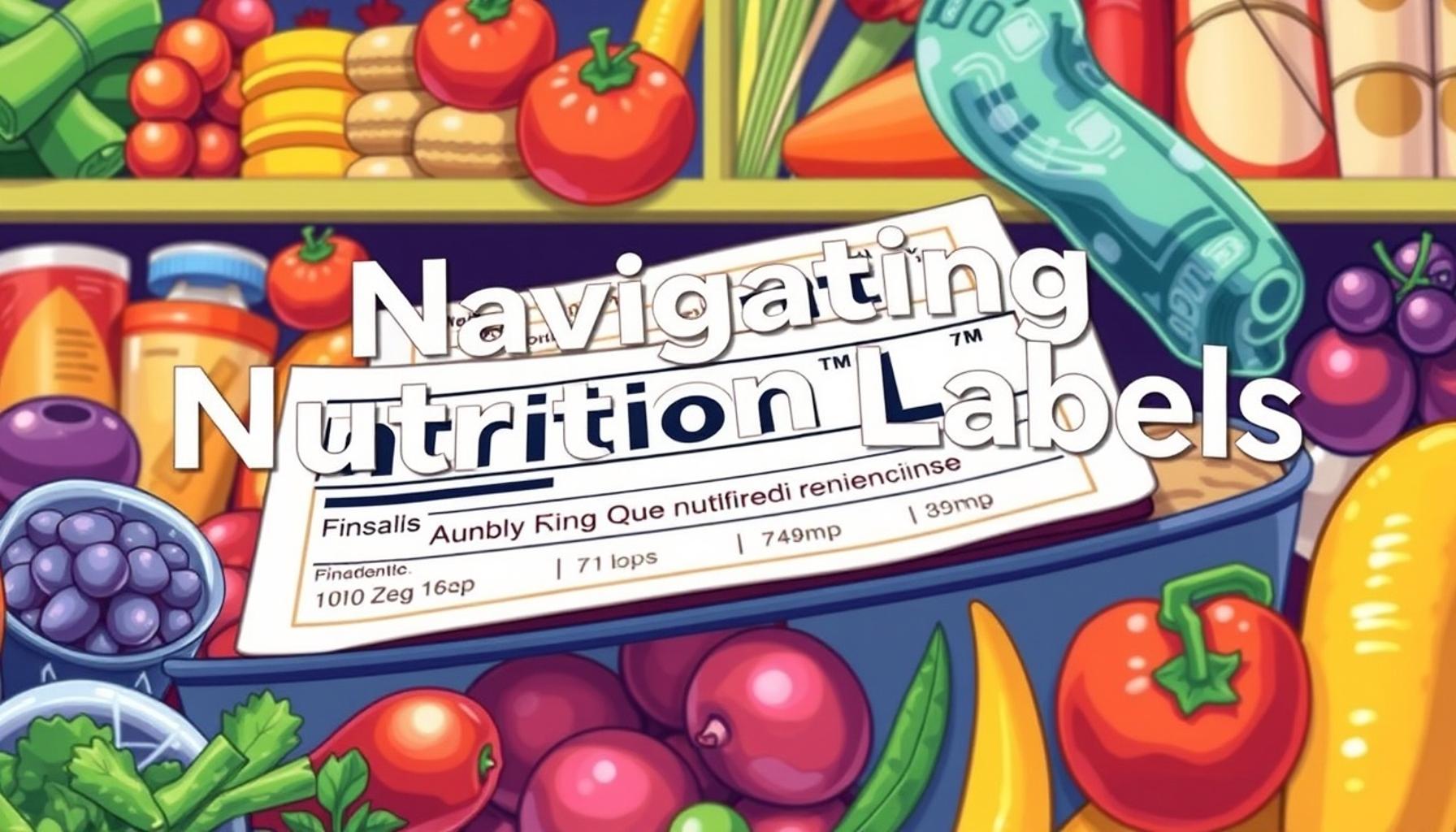
In today’s fast-paced world, the importance of maintaining a balanced diet cannot be overstated. As grocery store aisles become increasingly cluttered with various food products, understanding nutrition labels can significantly impact your health. With a wealth of information packed into these labels, mastering their contents can lead to informed food choices that align with your health goals.
Why Nutrition Labels Matter
Nutrition labels serve as a roadmap to healthier eating habits. They equip consumers with essential information that helps to:
- Choose healthier options: By comparing labels, you can identify products with lower sugar, sodium, and unhealthy fat content. For instance, if you’re selecting between two brands of yogurt, looking at the nutrition label can help you opt for one with fewer added sugars and higher protein.
- Avoid allergens and harmful ingredients: Nutrition labels are crucial for people with food allergies or dietary restrictions. If you are allergic to peanuts, a quick glance at the ingredients list can provide peace of mind about your choices, helping to avoid potentially life-threatening reactions.
- Control portion sizes and caloric intake: With the rising rates of obesity and diet-related illnesses, being aware of serving sizes can greatly assist in portion control and caloric management. If a cereal box lists a serving size of one cup, but you typically pour two cups into your bowl, understanding the calorie difference can help you adjust your portions and ultimately manage your weight more effectively.
Despite these benefits, many shoppers still overlook this invaluable resource. Recent studies show that 73% of American adults are attempting to eat healthier, indicating a strong desire for nutritious food but highlighting a significant gap in label comprehension. With proper understanding, you can harness this opportunity for better health.
Key Components of Nutrition Labels
To navigate nutrition labels effectively, it is essential to familiarize yourself with their various components:
- Serving Size: This is one of the most critical aspects of a nutrition label. It defines what constitutes a single serving for the product. For example, if a nutrition label states a serving size of 20 chips, understanding that consuming twice that amount means doubling your caloric intake is vital for mindful eating.
- Calories: This figure specifies the energy you’ll gain from one serving. Keeping an eye on this is especially important for those aiming to lose or maintain weight. Diligently tracking your daily caloric intake can lead to a healthier lifestyle.
- Total Fat and Saturated Fat: Knowing how much fat you’re consuming is crucial, particularly for heart health. A diet high in saturated fat can raise cholesterol levels and increase the risk of heart disease.
- Sugars and Added Sugars: For those monitoring their sugar intake due to health conditions such as diabetes, the distinction between total sugars and added sugars is essential. Added sugars, compared to natural sugars found in whole foods, can contribute to various health issues when consumed excessively.
By understanding these key elements of nutrition labels, you can not only make better choices for your health but also learn to identify what to avoid. This knowledge is a powerful tool in the quest for a healthy lifestyle.
Take Charge of Your Health
With just a little bit of knowledge, grocery shopping can transform from a daunting task into a confident pursuit of health. Equip yourself with the skills to read nutrition labels effectively. By doing so, you can align your food choices with your health goals, enabling a proactive approach to wellness. Dive deeper into the information provided on labels and explore healthier alternatives in your grocery shopping, ensuring that every meal contributes positively to your overall well-being.
Understanding the Impact of Nutrition Labels
Navigating nutrition labels is more than just a skill; it’s a necessary tool for modern consumers aiming to make informed and healthy food choices. In a landscape filled with dietary fads and fast food convenience, understanding these labels can serve as your compass in the grocery store. Knowledge is power, and becoming familiar with what’s packaged into that tiny space on the side of a food container can dramatically alter your relationship with food.
Research consistently reveals that proper label comprehension can lead to better health outcomes. According to a study by the American Journal of Public Health, individuals who regularly read nutrition labels are more likely to choose healthier foods. But what exactly should you be paying attention to? A comprehensive examination of vital components can empower you to take control of your eating habits.
Essential Elements to Focus On
When it comes to nutrition labels, there are several key components to keep an eye on:
- Ingredients List: This is where the truth lies. Ingredients are listed in descending order by weight, meaning the first few items are what the food predominantly consists of. If sugar, high-fructose corn syrup, or hydrogenated oils appear at the top, proceed with caution. Your intuition may guide you to healthier options, but this ingredient list can shine a light on unexpected culprits lurking in processed foods.
- Dietary Fiber: A high fiber content is often associated with better digestive health and can promote feelings of fullness. Aim for products with at least 3 grams of dietary fiber per serving, which can play a crucial role in maintaining a balanced diet.
- Sodium: Given the rising prevalence of hypertension in the U.S., being conscious of sodium intake is imperative. A product with more than 500 mg of sodium per serving is generally considered high. Limiting high-sodium foods can contribute to better heart health.
- Vitamins and Minerals: Certain nutrients like calcium, iron, and vitamins A and C are essential for overall health. Labels that provide substantial percentages of Daily Value (DV) for these nutrients can guide you in selecting products that fortify rather than deplete your body.
The amalgamation of these elements creates a fuller picture of the nutritional value of a product. By looking beyond calories and focusing on the quality of ingredients and nutrients, you can make choices that better align with your personal health goals.
Yet, it’s not just about avoiding unhealthy products. Emphasizing foods that are nutrient-rich can enhance vitality and well-being. Entire aisles in grocery stores are now dedicated to health-conscious alternatives, but without the ability to read labels effectively, consumers may inadvertently fall prey to marketing tactics that mislead them into believing a product is healthier than it is.
The Power of Informed Choices
As you hone your skills in reading and understanding nutrition labels, you’ll find that grocery shopping becomes less of a chore and more of an empowering experience. The navigation of these labels transforms consumer choices into intelligent decisions, and with a bit of practice, you can thrive in a world that continually promotes quick fixes over nurturing your body the right way.
Understanding nutrition labels can empower consumers to make informed food choices. These labels provide essential information that guides individuals in selecting healthier options tailored to their dietary needs. By breaking down the components, it becomes clear how these labels can turn the daunting task of grocery shopping into an informed and confident experience.
Nutrition labels typically display several key components, including serving sizes, calorie counts, and nutrient information. A glance at this information can help identify products that align with dietary goals, such as low sodium or high fiber content. Furthermore, the ingredients list typically present on the label, while often overlooked, is a treasure trove of data that signals the presence of preservatives, allergens, or artificial ingredients. This knowledge equips consumers with the ability to scrutinize their food choices effectively.
| Nutritional Category | Key Features |
|---|---|
| Calories | Indicates the energy content of food, allowing for better energy management. |
| Nutrients | Gives details on fats, carbohydrates, sugars, vitamins, and minerals, promoting balanced diets. |
Moreover, the concept of daily values (DVs) displayed on these labels allows consumers to assess how a particular food fits into their overall daily nutrition goals. By using the %DV, individuals can quickly compare other food options and determine which products offer more nutrients your body needs. This can make a significant difference, particularly for those managing conditions such as diabetes or heart disease.
Arming yourself with the knowledge gained from nutrition labels can lead to healthier choices that may improve overall well-being. Encouraging a habit of checking nutrition labels will not only bring awareness to dietary choices but empower consumers in making smart, informed decisions every day.
Deciphering Nutritional Claims and Misleading Terms
Understanding components like ingredients and macronutrients is essential, but consumers must also navigate through a plethora of claims that adorn food packaging. Terms like “organic,” “natural,” or “whole grain” can influence your purchase decisions, but they don’t always convey the whole truth. This is where critical thinking becomes crucial in navigating nutrition labels.
The term “natural” is particularly nebulous. According to the U.S. Food and Drug Administration (FDA), there is no official definition for “natural” in terms of food labeling. This can lead consumers to believe that a product is healthier than a similarly positioned item simply because of its labeling. In many instances, products labeled as “natural” can still contain preservatives or high levels of sugars. Therefore, it’s vital to look beyond these enticing labels and focus on the ingredients list for clarity.
Understanding Added Sugars
In recent years, there has been a growing focus on the impact of added sugars in our diets. Currently, the FDA mandates that food manufacturers disclose the amount of added sugars on nutrition labels. This change aims to help consumers distinguish between intrinsic sugars found in whole foods, like fruits, and added sugars that can contribute to various health issues, including obesity and Type 2 diabetes.
When scanning nutrition labels, look for items that have zero grams of added sugar or are naturally sweetened. The American Heart Association recommends a daily added sugar limit of no more than 9 teaspoons for men and 6 teaspoons for women. Foods high in added sugars are often calorie-dense but nutrient-poor, making it essential to scrutinize the label carefully for both your waistline and overall health.
The Importance of Serving Sizes
A common pitfall while reading nutrition labels involves overlooking serving sizes. What seems like a healthy food option can quickly become unhealthy when the serving size is misjudged. Nutrition facts are calculated per serving, not per package. For example, a snack that seems low in calories might actually contain multiple servings in one bag, making it easy to consume far more than initially intended.
The misinformation around serving sizes can contribute to misleading perceptions of how healthy a food item really is. Always check how many servings are in a container and adjust your calculations accordingly when considering the total caloric intake.
- Watch for serving sizes: Familiarize yourself with common portion sizes to better understand what you’re actually consuming.
- Track your servings: Use measuring tools initially to avoid overestimating portion sizes.
- Educate yourself: Compare serving sizes among different products to dictate which options best suit your dietary needs.
With the right knowledge, these insights enable consumers to make better-informed decisions. In a world where advertising can significantly influence our choices, becoming a savvy reader of nutrition labels is critical. The journey toward healthier food choices begins with the understanding that not all marketing claims are equal, and that true health is reflected in what we choose to nourish our bodies with.
Final Thoughts on Navigating Nutrition Labels
As the landscape of food choices continues to evolve, understanding how to effectively navigate nutrition labels becomes increasingly vital. With the rise of health-conscious consumers, food manufacturers have filled their packaging with a myriad of claims and terms that can easily mislead. By honing your ability to discern factual information from marketing hype, you empower yourself to make truly informed food choices.
Remember, while enticing phrases like “organic” or “gluten-free” may catch your eye, the real insights lie in examining the ingredients list and understanding the serving sizes. As you delve into the nutritional content, remain vigilant about added sugars, which can stealthily elevate calorie counts and impact overall health. By prioritizing whole foods and scrutinizing labels critically, you not only benefit your well-being but also cultivate a more rewarding shopping experience.
As consumers, it’s our responsibility to educate ourselves continually. With access to resources that explain food labeling guidelines and nutritional guidelines—such as those set by the FDA and the American Heart Association—knowledge truly is power. The journey does not end with understanding labels; it extends into the realm of making thoughtful and strategic food choices for ourselves and our families. By adopting a discerning approach, you are not only navigating the complexities of nutrition labels but also contributing to a broader dialogue about healthy eating practices.
In conclusion, stay curious, ask questions, and challenge the packaging narratives to ensure that what you choose to place on your table is aligned with your health goals. So, gear up, read between the lines, and take the first step towards a healthier lifestyle today.