Seasonal Eating: Benefits of Choosing Local and Fresh Foods
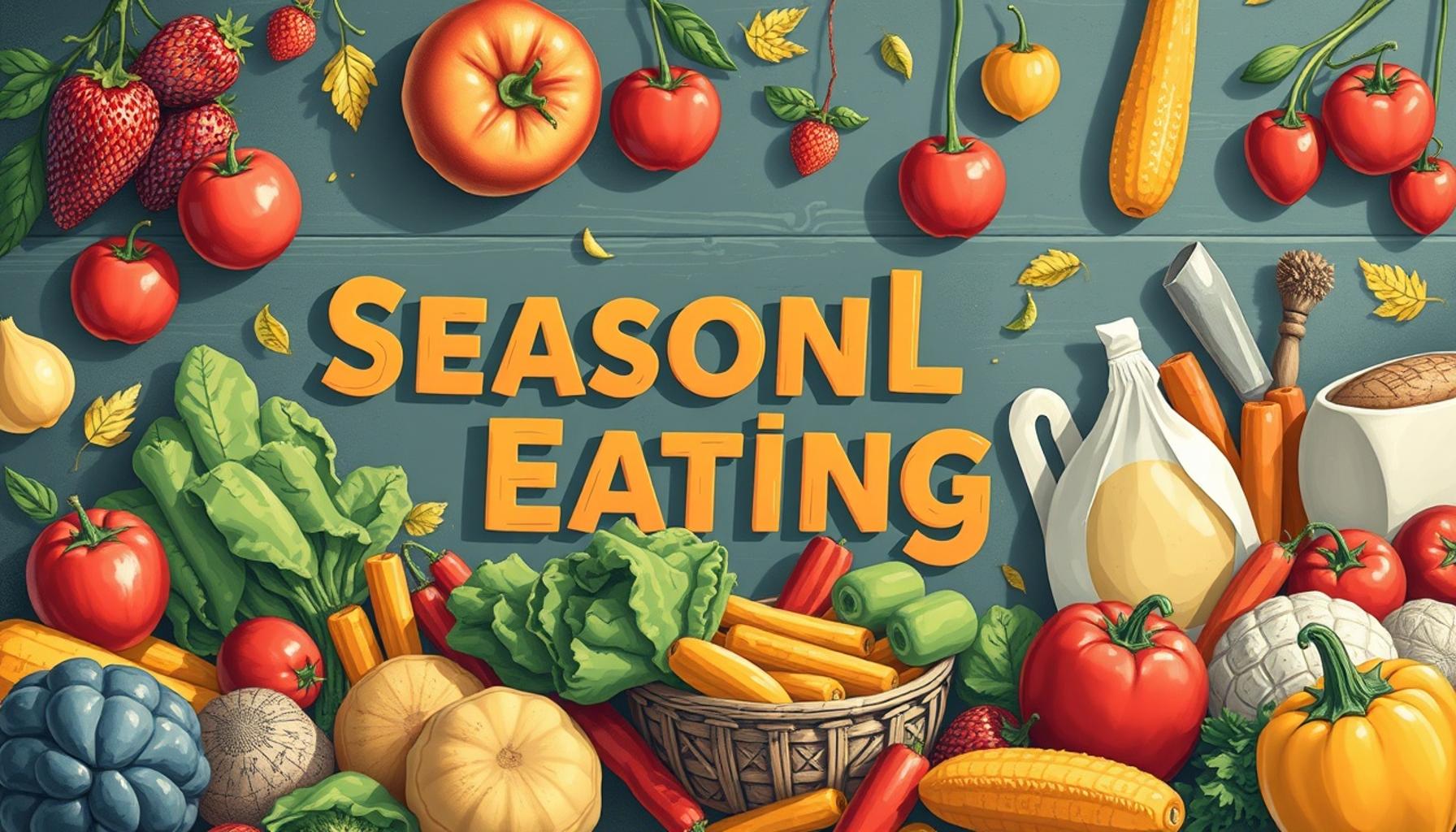
The Benefits of Embracing Seasonal Eating
Seasonal eating is a practice deeply embedded in cultures around the world. By selecting local and fresh foods that are in season, individuals not only enhance the taste of their meals but also foster a meaningful bond with the rhythms of nature. This approach emphasizes consuming fruits and vegetables at their peak freshness, which translates into numerous benefits for both the consumer and the environment.
One of the most noticeable advantages of seasonal eating is the enhanced flavor of the produce. When fruits and vegetables are harvested at the right moment, they are capable of delivering a depth of flavor that is simply unmatched. For example, a vine-ripened summer tomato bursts with sweet juices, compared to a hothouse option that might lack zest. This natural sweetness can transform a simple salad or pasta dish into something extraordinary.
Better nutrition is another essential benefit of consuming seasonal produce. Research shows that fruits and vegetables lose nutrients over time, particularly when they are stored for extended periods or transported over long distances. Freshly harvested products tend to retain critical vitamins and minerals, thus supporting our overall health. For instance, leafy greens like kale and spinach, which are abundant in winter, are loaded with iron and calcium and are essential for maintaining energy levels during the colder months.
Additionally, seasonal eating positively affects our environment. When we choose locally sourced foods, we reduce the need for transporting goods across long distances, which often involves significant fuel consumption and greenhouse gas emissions. This choice contributes to a smaller carbon footprint, aiding in the fight against climate change. Many cities across the United States are fortunate enough to host vibrant farmers’ markets brimming with seasonal delights, enabling consumers to make conscientious choices that support local agriculture.
Across the United States, farmers’ markets and community-supported agriculture (CSA) programs play a pivotal role in connecting consumers with seasonal produce. For instance, in California’s Central Valley, one can find an array of vibrant oranges, artichokes, and avocados in winter, while summer might bring a bounty of berries and stone fruits. This community-oriented approach not only helps sustain local farms, but it also provides a platform for consumers to learn about the origins of their food, thereby fostering a deeper appreciation for agriculture.
With each changing season, the variety of available produce evolves dramatically. Customers can indulge in fresh strawberries and asparagus in spring, relish the abundance of sweet corn and tomatoes in summer, enjoy crisp apples and pumpkin in the fall, and savor hearty root vegetables and greens in winter. By aligning your meals with what’s in season, you embark on a delicious culinary journey that reflects nature’s changing palette.
To incorporate seasonal eating into your lifestyle, consider joining local CSA programs or exploring nearby farmers’ markets to discover what’s currently available. Engage with the farmers, learn their stories, and ask for recommendations on how to best prepare the fresh produce you purchase. By making conscious choices and embracing the local harvest, you will unlock an incredible world of flavors while contributing positively to your community and the environment.
The Flavor Explosion of Seasonal Foods
Embracing seasonal eating is not just about nutrition; it also opens the door to a delightful culinary experience that resonates with the changing seasons. When we opt for fruits and vegetables that are in season, we are treated to a symphony of flavors that can significantly enhance our meals. Foods harvested at their peak ripeness are known for their robust taste profile, which sets them apart from their out-of-season counterparts that may have been artificially ripened or shipped long distances.
Take, for instance, summer berries. Strawberries, blueberries, and raspberries are sweeter, more flavorful, and juicier when they are picked during their prime season. This seasonality translates into scrumptious pies, refreshing smoothies, and vibrant salads that burst with freshness. In contrast, berries purchased off-season from the grocery store often lack the same taste intensity, leading to disappointing culinary encounters.
Nutritional Powerhouses of Each Season
In addition to improved flavor, seasonal fruits and vegetables provide a wealth of nutritional benefits. Each season brings its own unique set of produce that aligns with our body’s needs:
- Spring: Lighter vegetables like asparagus and peas are rich in vitamins A, C, and K, perfect for rejuvenating the body after winter’s heavy meals.
- Summer: Sunny days yield a bounty of corn, tomatoes, and cucumbers, all packed with hydration and essential antioxidants that help combat the heat.
- Fall: The arrival of pumpkins, sweet potatoes, and apples fills our plates with fiber and vitamins that support our immune systems as colder temperatures set in.
- Winter: Root vegetables such as carrots, beets, and hearty greens like kale provide crucial nutrients that help sustain energy levels during the colder months.
Incorporating these seasonal nutrients into your diet ensures that you are not only enjoying flavorful meals but also supporting your health as the seasons shift. Moreover, these fresh options can be easily incorporated into your daily meals, whether in stir-fries, soups, or simple roasted dishes that allow the natural flavors to shine.
The act of selecting seasonal produce also invites an opportunity for education and engagement with food systems. When you shop at local farmers’ markets or participate in community-supported agriculture (CSA), you aren’t just buying food; you are fostering relationships with local farmers and gaining insights into sustainable farming practices. This awareness not only enriches your understanding of food but also allows you to appreciate the effort that goes into producing it.
As you delve deeper into the world of seasonal eating, you may find that your culinary experience is transformed. The connection between food, seasonality, and health in this practice can enhance not just your meals but also your overall quality of life. By making informed choices and prioritizing seasonal ingredients, you embark on a flavorful journey that highlights the beauty and bounty of nature’s cycles.
| Advantage | Details |
|---|---|
| Nutritional Value | Local and fresh foods retain more nutrients, offering higher vitamin content than imported produce. |
| Environmental Impact | Opting for seasonal foods reduces carbon footprint due to lower transportation emissions and supports sustainable farming practices. |
Incorporating local and fresh foods into your diet not only enhances your health but also promotes eco-friendly practices. The nutritional value of seasonal foods cannot be overlooked; local produce is often harvested at peak ripeness, resulting in a higher vitamin content compared to their shipped counterparts. Additionally, the choice to source food locally significantly contributes to the preservation of environmental sustainability. It fosters an agricultural ecosystem that thrives on community support, protecting biodiversity and maintaining the vitality of soil. As you explore the myriad benefits of this practice, consider the exciting flavors and enhanced nutrition that accompany eating with the seasons. The choices you make not only cater to your palate but also create a ripple effect, promoting a more sustainable future for all.
The Environmental Impact of Seasonal Eating
By choosing to embrace seasonal eating, not only do you enhance your personal health, but you also contribute positively to the environment. Seasonal produce typically requires fewer resources to grow and transport compared to out-of-season foods. When foods are sourced locally, they have a smaller carbon footprint, which is a crucial factor in combatting climate change.
Data shows that foods transported over long distances generate a significant amount of greenhouse gas emissions. The average American meal travels over 1,500 miles from farm to table. In contrast, seasonal, locally-sourced foods can often be picked and enjoyed within days, dramatically reducing the amount of energy consumed and emissions produced. For example, a tomato grown in California and sent to the East Coast can take several days of transit, leading to loss of freshness and quality, while a local heirloom tomato picked at the peak of ripeness is not just tastier but also far more sustainable.
Supporting Local Economies
Another compelling reason to adopt seasonal eating is its potential to bolster local economies. When you purchase from local farmers’ markets or join a community-supported agriculture (CSA) program, you are investing directly in your community. According to the USDA, local food systems can significantly boost local economies and create jobs in agriculture, food preparation, and retail.
The ripple effect of spending on local food encourages farmers to invest in their operations, which can lead to more job opportunities in the agricultural sector. Furthermore, these small-scale farmers often use sustainable practices that contribute to soil health, biodiversity, and better ecosystem management. For instance, local farms that practice crop rotation and use organic methods enhance the resilience of the land over time, essential for producing high-quality food without depleting resources.
Culinary Creativity and Seasonal Food Preservation
Seasonal eating also invites culinary creativity. The challenge of using limited seasonal ingredients can inspire home cooks to experiment and innovate, leading to the discovery of new recipes and flavors. Local food festivals and community events often celebrate the harvest season by encouraging residents to share their creations, building a sense of community while embracing the joys of fresh produce.
Additionally, many individuals who engage in seasonal eating may also explore food preservation methods such as canning, pickling, and fermenting. Techniques like these not only extend the life of seasonal produce but also enhance its flavors and textures, allowing for a vibrant addition to meals all year. For instance, homemade tomato sauce preserved from summer’s peak harvest can become a staple in winter dishes, maintaining a connection to the warm months.
Embracing seasonal eating ultimately creates a cycle of health, flavor, sustainability, and community engagement. The act of selecting fresh, local foods nurtures not just our bodies, but the land and the local economy as well. As winter transforms to spring, and summer fades to autumn, the evolving journey of seasonal eating invites us to celebrate nature’s rhythms, cultivate new skills, and discover the rich tapestry that local food offers.
Conclusion: The Rich Rewards of Seasonal Eating
In conclusion, embracing seasonal eating is not merely a trend but a transformative lifestyle choice that reaps wide-ranging benefits for health, the environment, and local economies. By choosing fresh, locally-sourced foods, individuals can improve their well-being through nutrient-dense options that are at their peak flavor and potency. Supporting local farmers not only enhances community ties but also stimulates economic growth, allowing local businesses to thrive and encouraging sustainable agricultural practices.
The environmental impact of our food choices cannot be overstated. Consuming seasonal produce with a shorter supply chain significantly reduces greenhouse gas emissions associated with long-distance transportation. By opting for what’s available locally, consumers are actively participating in a vital movement to combat climate change while enjoying fresher and tastier meals that celebrate the unique flavors of each season.
The culinary journey of seasonal eating also invites creativity, prompting home cooks to innovate and explore new ways to enjoy fruits and vegetables in harmony with nature’s rhythms. From pickling summer’s bounty to savoring winter stocks, the preservation of seasonal foods ensures a connection to the harvest all year round.
Ultimately, seasonal eating is a holistic approach that reaffirms our relationship with food, fostering a healthier planet and community. As consumers become more mindful of their choices, they find themselves partaking in an enriching experience that champions not just personal health, but also sustainability and local solidarity. By making a conscious shift to seasonal and local options, we not only nourish ourselves but also invest in the future of our food systems.