Cultural Influences on Nutrition Choices and Healthy Eating
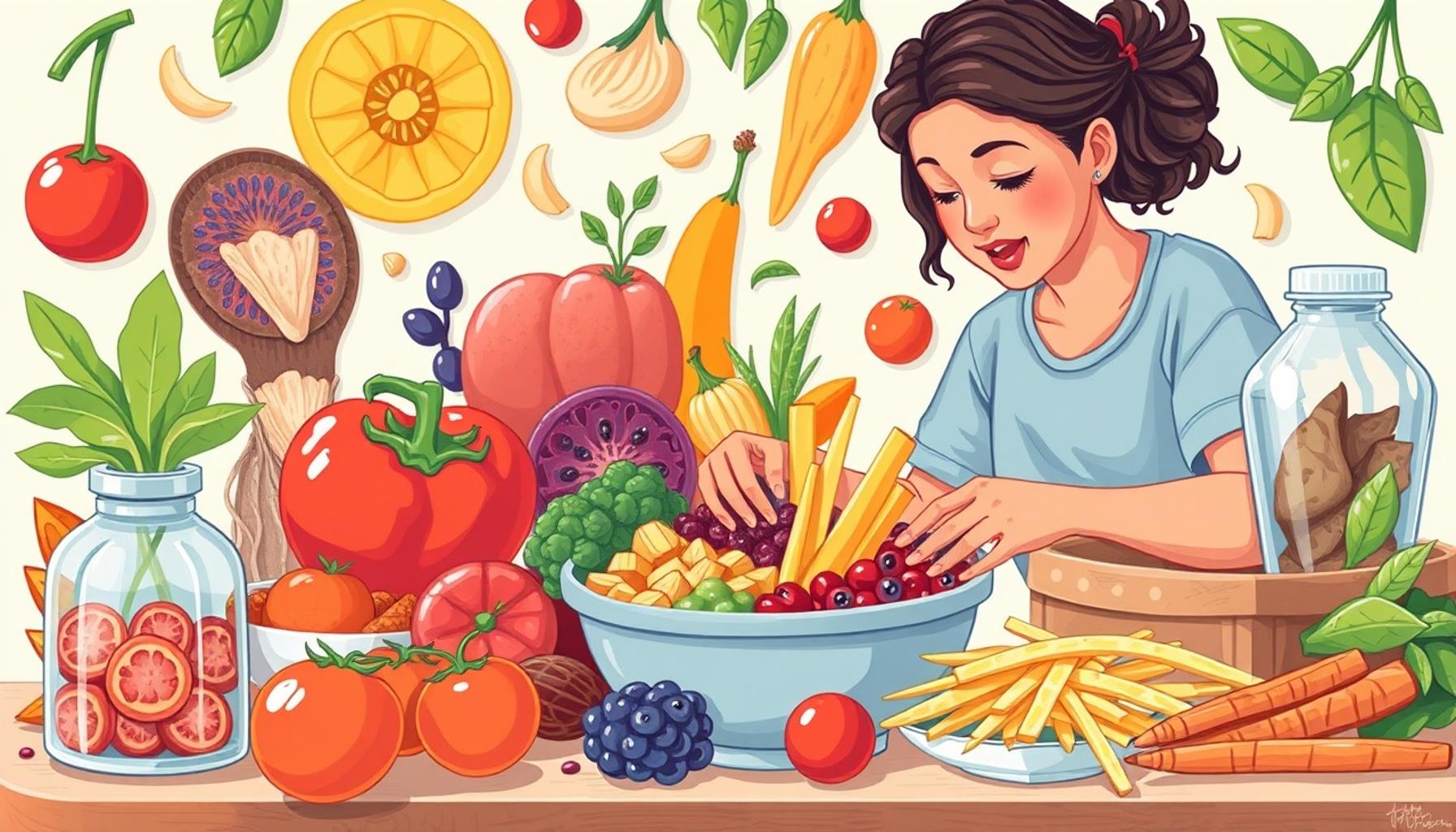
The Complex Tapestry of Food Choices
The way we eat is often a reflection of our cultural backgrounds and societal norms. From family traditions that guide meal preparation to community gatherings that celebrate culinary heritage, nutritional choices are deeply intertwined with our identities. Not only do these cultural influences shape what we eat, but they also inform our perceptions of health and wellness, influencing how we approach diet and nutrition.
There are numerous factors that contribute to these dietary patterns, and understanding them can help illuminate the broader picture of nutritional habits:
- Tradition: Family recipes, often passed down through generations, form the backbone of many cultural diets. For example, Italian families may preserve ancestral pasta recipes, celebrating their heritage while promoting a sense of belonging.
- Religion: Many cultures adhere to dietary restrictions based on spiritual beliefs. For instance, Jewish dietary laws (Kashrut) dictate specific food preparation methods, while Muslim communities practice Halal, which influences what they eat and how it is sourced.
- Geography: The physical landscape heavily impacts food choices. In coastal regions, seafood is often a staple, while agricultural areas might emphasize fresh, local produce. This reliance on geographic availability not only influences taste but also promotes sustainability and a sense of community amongst local producers.
- Socioeconomic Status: Access to nutrition education and resources can drastically shape food choices. In many U.S. urban areas, food deserts limit access to fresh fruits and vegetables, forcing residents to rely on processed food options, impacting public health outcomes.
In the United States, the melting pot of cultures brings a rich tapestry of food customs that influence healthy eating. From Mexican fiestas bursting with vibrant flavors to soul food celebrations that highlight African-American culinary traditions, each culture contributes unique elements that enhance our culinary landscape. However, this diversity can lead to questions about what constitutes healthy eating. For instance, how can traditional recipes be adapted to include a balance of nutrients while honoring their rich flavors and significance?
As we explore the intricate relationship between culture and nutrition, it’s essential to consider the implications for public health. Understanding these cultural influences not only aids in crafting more effective dietary recommendations, but it can also inform interventions tailored to meet the needs of distinct communities. By recognizing these nuances, healthcare practitioners can foster a more inclusive approach to nutrition.
Join us as we delve deeper into this fascinating exploration of cultural influences, nutrition, and healthy eating. Discover how our backgrounds shape our plates and the critical role culture plays in our food choices, and consider how these factors might affect your own dietary decisions.
Traditions and Tastes: The Interplay of Culture and Nutrition
Understanding the cultural influences on nutrition choices and healthy eating begins with recognizing the diverse tapestry of culinary traditions that define communities across the United States. Each culture has created a unique approach to food that reflects its history, values, and lived experiences, making these influences a vital component of dietary practices.
One of the most profound aspects of nutrition choices is the way tradition plays a dominant role. Each culture boasts its own set of recipes, cooking techniques, and meal rituals that not only depict their history but also impart lessons of heritage to younger generations. For instance, in the African American community, soul food has evolved as both a celebration of family and a testament to resilience. Dishes like collard greens, black-eyed peas, and cornbread are replete with significance, creating connections to ancestral homelands while also promoting communal health. In contrast, Mediterranean diets highlight the importance of fresh produce, whole grains, and olive oil, reflecting a lifestyle steeped in values of longevity and vitality. These cultural rituals surrounding food not only influence what we eat but also how we perceive health itself, emphasizing the communal aspect of nourishment.
Religion also significantly shapes dietary choices. Various faiths impose specific guidelines that dictate what adherents can consume. For instance, Hindu beliefs often promote vegetarianism as a means of honoring all life, resulting in rich culinary traditions that include a variety of legumes, grains, and vegetables. Conversely, the dietary restrictions of kosher laws in Jewish communities distinctly influence eating habits, emphasizing the importance of mindful sourcing, preparation, and consumption. These religious dietary practices serve both spiritual and nutritional purposes, urging followers to consider the implications of their food choices on their health and well-being.
The geography of a community further enriches its nutritional landscape. In regions where fishing is abundant, such as the Pacific Northwest, the nutritional profile prominently features seafood, which is often associated with heart health. Conversely, areas with fertile farming land, like the Midwest, prioritize agricultural produce and processed foods made from local grains, contributing to distinctive eating patterns. This reliance on local foods not only supports sustainable practices but also strengthens community ties, encouraging shared meals that celebrate the bounty of the land.
- Food Deserts: In many urban areas, particularly those with low socioeconomic status, access to fresh fruits and vegetables is significantly limited. Food deserts exacerbate health disparities, as residents often turn to quick, processed food options filled with unhealthy additives, impacting their overall well-being.
- Culinary Fusion: The vibrant cultural melting pot of the United States results in a culinary fusion that both celebrates diversity and raises questions about nutritional adequacy. Tacos made with organic ingredients or a quinoa-based sushi roll exemplify how traditional dishes can evolve to meet modern health standards while retaining cultural significance.
The implications of these multifaceted cultural influences are critical when considering public health strategies. By understanding how cultural backgrounds shape dietary practices, healthcare professionals can create interventions that honor these traditions while promoting healthier food choices. As we continue to explore the relationship between culture and nutrition, the knowledge gained can pave the way for a more inclusive and effective approach to healthy eating across diverse communities.
| Cultural Factors | Nutrition Choices |
|---|---|
| Tradition and Heritage | Family recipes and cooking methods passed down through generations influence meal preparation and consumption, often prioritizing comfort over nutritional value. |
| Religious Practices | Dietary restrictions based on religious beliefs, such as vegetarianism in Hinduism or kosher practices in Judaism, shape food choices significantly. |
| Social Influences | Peer pressure and social norms can either encourage healthier eating habits or lead to unhealthy dietary choices, depending on the group dynamics. |
As cultures evolve, the intersections of tradition, modernity, and globalization create complex patterns in dietary preferences. The foods that a community deems healthy often reflect their socioeconomic status, access to resources, and evolving tastes. For instance, urbanization has changed how traditional foods are prepared and consumed, leading to a unique blend of convenience and heritage. The increase in fast food options often means a shift away from traditional diets. Interestingly, studies indicate that people from collectivist cultures tend to prioritize communal meals, impacting portion sizes and the types of foods consumed. Understanding these dynamics is crucial in promoting healthier eating habits while respecting cultural identities.
The Role of Socioeconomic Factors in Dietary Choices
While traditional values and beliefs significantly impact nutrition choices, socioeconomic factors also play a critical role in shaping dietary habits. Income and education levels often dictate access to healthy food options, influencing how communities interact with nutrition. For example, families with limited financial resources may rely on inexpensive processed foods that often contain high levels of sugar and unhealthy fats, leading to diets that are nutritionally deficient. This scenario is especially prevalent in low-income neighborhoods, where food deserts limit available choices, leaving residents with few options beyond convenience stores dominated by unhealthy snacks and beverages.
The economic implications of food accessibility are evident in areas across the United States. In cities like Detroit and Philadelphia, numerous studies have shown that the lack of grocery stores offering fresh produce has led to an increase in diet-related diseases, such as obesity and diabetes, disproportionately affecting lower-income populations. Furthermore, educational background contributes to nutrition choices; those with higher levels of education are often more aware of the health benefits of consuming whole foods over processed alternatives. They are more inclined to seek out local farmers’ markets and participate in community-supported agriculture programs, which in turn promote healthier eating habits within their families and neighborhoods.
Peer Influence and Community Norms
A community’s collective perception of food can further shape individual dietary choices through peer influence and social norms. In many cultures, sharing meals is not merely a necessity but a cherished social activity. What is served at gatherings, celebrations, and everyday meals can either encourage or discourage healthy eating practices. For instance, research indicates that communities that frequently engage in shared meals tend to have healthier eating habits, as individuals are motivated to align their choices with those of their peers.
Additionally, the emergence of food trends, whether through social media or popular culture, can influence community norms around nutrition. The rising popularity of plant-based diets, for example, has surged as a result of influential public figures and documentaries highlighting the health and environmental benefits of such eating habits. This exposure can lead to collective shifts in dietary practices, prompting individuals to reconsider their food choices and, ultimately, improve their nutritional intake.
The Intersection of Cultural Identity and Food Choices
Moreover, cultural identity plays a pivotal role in shaping dietary preferences and nutrition choices. For many individuals, food becomes a central aspect of their cultural identity, integral to family gatherings and celebrations. This deep-rooted connection to food can sometimes challenge mainstream dietary recommendations. For instance, traditional dishes rich in flavor may rely on certain cooking fats or processing methods that are often deemed unhealthy by contemporary standards. Consequently, individuals may find themselves torn between the emotional comfort of traditional foods and the desire for healthier options.
Programs aimed at encouraging healthy eating must recognize these cultural identities and the significance of traditional foods. By integrating familiar ingredients or traditional cooking methods with nutritionally sound practices, there exists an opportunity to create dietary habits that resonate with cultural heritage while promoting overall health. Initiatives that invite cultural expression through cooking classes, community gardens, and nutrition workshops allow individuals to embrace their food cultures while also learning how to incorporate healthier practices into their routines.
- Community Engagement: Engaging local community leaders and groups can foster a sense of ownership and pride, motivating individuals to make healthier choices that reflect their cultural values.
- Support Systems: Establishing support networks for families transitioning to healthier eating can ease the burden of change and encourage collective mindfulness surrounding food choices.
Ultimately, the intricate web of factors contributing to nutrition choices and healthy eating is deeply influenced by cultural, socioeconomic, and community dynamics. Addressing these interconnected elements will be key in establishing effective public health initiatives that inspire inclusive, sustainable dietary practices across diverse populations.
Conclusion: Navigating the Complex Landscape of Nutrition Choices
As we unravel the intricacies of cultural influences on nutrition choices and healthy eating, it becomes increasingly clear that food is not merely sustenance but a rich tapestry woven with threads of tradition, identity, and socioeconomic factors. Individuals make dietary choices through a lens shaped by cultural heritage, community norms, and personal experiences. The dynamic interplay of these elements highlights the necessity for tailored approaches when addressing public health and nutrition.
Addressing socioeconomic disparities, such as access to healthy food options in underserved communities, is paramount. Strategies that consider local contexts, like community gardens and nutrition education programs, can significantly impact dietary practices, making healthier choices more attainable. Furthermore, recognizing the profound role that cultural identity plays in shaping food preferences can pave the way for more empathetic initiatives. These initiatives should invite individuals to celebrate their cultural histories while integrating healthier practices that align with contemporary nutritional guidelines.
To foster lasting change, we must cultivate a supportive environment that prioritizes education, community engagement, and shared values around food. Mobilizing local leaders and harnessing social networks can facilitate collective action, encouraging individuals to embrace healthier lifestyles in ways that honor their cultural roots. In a nation as diverse as the United States, adopting such multifaceted approaches will not only combat diet-related diseases but also build a foundation for health that is inclusive, sustainable, and deeply connected to the cultural identities that individuals cherish.
Ultimately, the journey toward improved nutrition choices and healthy eating is a shared responsibility. By understanding and respecting the rich cultural narratives intertwined with our food systems, we can empower individuals and communities to cultivate a healthful future that nourishes both body and soul.