The Importance of Proper Irrigation for Home Crops: Tips for Beginners
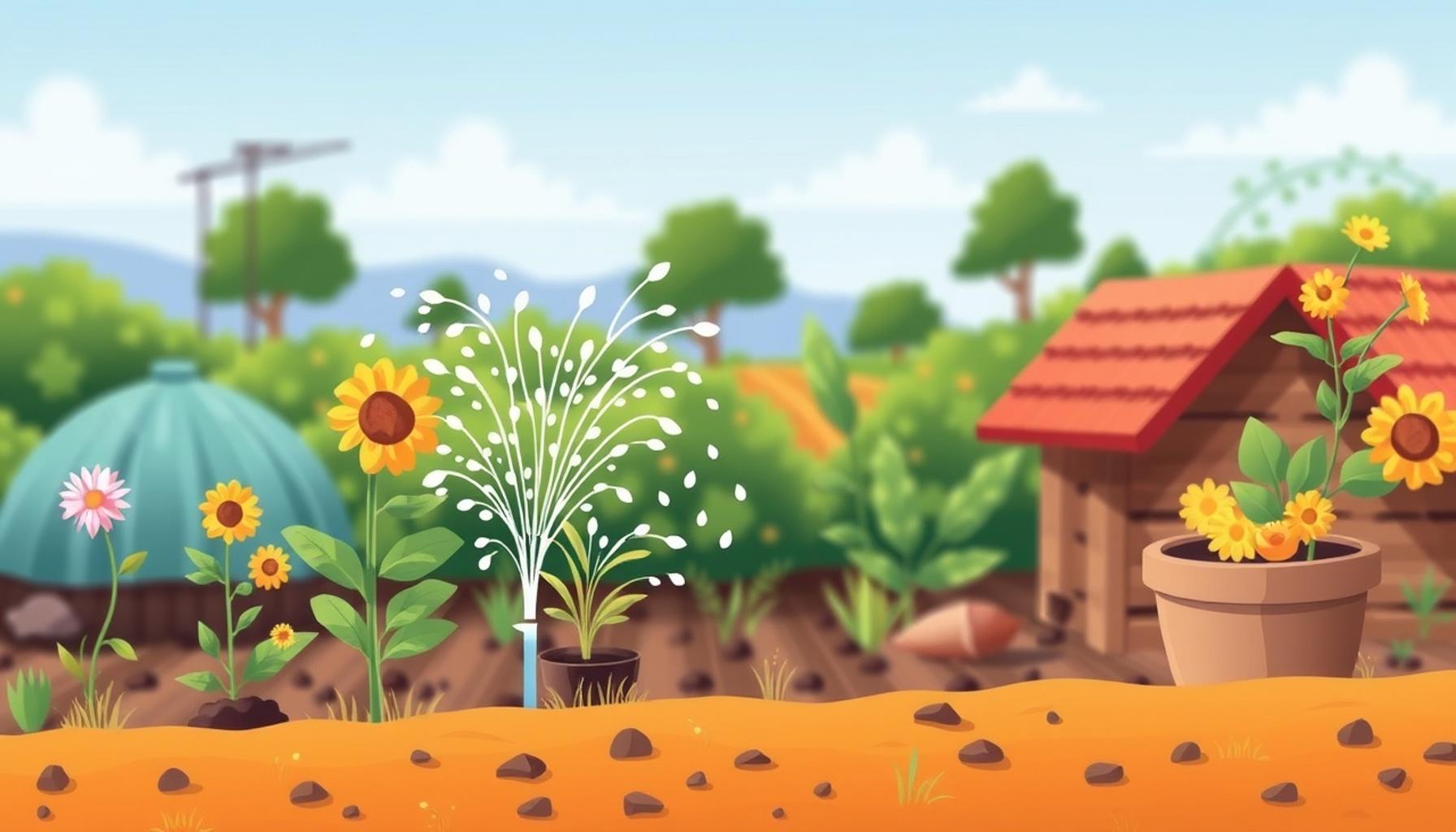
Understanding the Role of Irrigation in Home Gardening
Water plays a pivotal role in sustaining plant health. Proper irrigation not only facilitates growth but also enhances the overall productivity of your home garden. For those venturing into gardening, mastering the techniques of irrigation is essential to cultivating vibrant crops and ensuring a bountiful harvest throughout the growing season. The effectiveness of your irrigation system can mean the difference between thriving plants and disappointing results.
When it comes to irrigation, finding the right balance is crucial. Here are some key considerations:
- Prevent Overwatering: Excessive water can lead to root suffocation, disrupting the plants’ ability to absorb essential nutrients. Symptoms of overwatering include yellowing leaves and a damp, soggy root zone. Implementing proper drainage or using moisture meters can help manage water levels effectively.
- Avoid Underwatering: Insufficient water can stunt plant growth and lead to poor yields. Plants suffering from drought stress may show signs such as wilting, brown edges on leaves, and reduced fruit set. Regularly monitoring soil moisture or using a watering schedule can help ensure consistent hydration.
- Save Water: Implementing efficient irrigation systems not only conserves water but can also lead to significant savings on your utility bills. Drip irrigation and rainwater collection systems are excellent ways to minimize waste while promoting sustainable gardening practices.
Types of Irrigation Systems
Understanding the variety of irrigation systems available can empower you to make the best choice for your garden’s needs. Here are some popular options to consider:
- Drip Irrigation: This system delivers water directly to the base of each plant, reducing evaporation and runoff. It’s especially effective for gardens with a variety of plant sizes, as it provides precise control over the amount of water each plant receives.
- Soaker Hoses: These porous hoses are great for flower beds and vegetable patches. They allow water to seep out gradually, providing a slow and even moisture level to the surrounding soil, which is critical for plant health.
- Sprinkler Systems: Ideal for larger garden areas, these systems distribute water in a circular pattern, covering a broad expanse. Many modern sprinklers offer programmable features that can rain on specific schedules, allowing for optimal moisture during critical growth periods.
As you embark on your gardening journey, understanding when and how to irrigate is vital. Factors such as climate, plant type, and soil condition will influence your watering practices. Regularly evaluating your plants’ hydration needs enables you to adjust your irrigation approach accordingly. By prioritizing proper irrigation, you can foster healthy plants and cultivate a lush, productive garden that yields fresh produce right from the comforts of your home.
DISCOVER MORE: Click here to learn about enriching your soil naturally
Choosing the Right Irrigation Method for Your Garden
For beginners in home gardening, selecting the appropriate irrigation method can feel overwhelming, but it doesn’t have to be. Understanding the unique needs of your plants, coupled with the characteristics of your garden space, will provide clarity on which irrigation system is best suited for your crops. A thoughtful approach to irrigation not only conserves water but also enhances the growth potential and vitality of your plants.
As you navigate your options, consider the following key factors that will inform your decision:
- Plant Type: Different crops have varying water requirements. Leafy greens, for example, thrive on consistent moisture, while drought-tolerant plants, such as succulents, require less frequent watering. Conducting research on the specific needs of your chosen plants will guide you in your irrigation planning.
- Soil Composition: The soil type in your garden significantly influences how water is absorbed and retained. Sandy soils drain quickly, necessitating more frequent watering, whereas clay soils hold moisture longer but can lead to root rot if overwatered. A simple soil test can reveal what adjustments you may need to make.
- Climate Zone: Your local climate dictates not only how much water your plants need but also the timing of irrigation. For instance, gardens in arid regions may require watering in the early morning or late evening to reduce evaporation, while cooler climates may permit midday watering.
Step-by-Step Guide to Setting Up Your Irrigation
Once you’ve assessed the specifics of your garden, the next step is to implement the irrigation system that complements your plants and environment. Here’s a straightforward guide to getting started:
- Evaluate Water Sources: Determine where your water will come from—this could be a municipal source, well water, or even rainwater collected in barrels. Ensure the source is reliable and adequate for your garden’s needs.
- Plan Layout: Map out your garden layout, identifying where each plant will be located. This will help in deciding how to position your irrigation system, whether it be drip lines or sprinklers.
- Install Your System: Follow installation instructions for your chosen method carefully. For drip systems, ensure the emitters are placed effectively for adequate coverage, while sprinklers should be positioned to avoid waste through overspray.
- Regularly Monitor Performance: After installing the irrigation system, keep an eye on its performance. Adjust schedules based on weather conditions, the growth stage of your plants, and any other variables that come into play during the growing season.
By prioritizing the correct irrigation practices, you can create a sustainable environment for your plants that promotes an abundance of growth. Take the time to assess and implement your irrigation system thoughtfully, as this investment will pay off in the form of lush, healthy crops—making your home garden not just a hobby, but a thriving source of nourishment.
The Role of Soil Type in Irrigation Efficiency
Understanding your soil type is crucial for effective irrigation. Different soils retain moisture at varying rates, which impacts how frequently and how much you should water your crops. For instance, sandy soils drain quickly and require more frequent irrigation, whereas clay soils retain water but can become easily compacted. Conduct a simple soil test to determine your soil’s composition. This will provide insights into its drainage capabilities and nutrient retention, allowing you to adjust your irrigation practices accordingly.
Techniques for Efficient Water Use
Implementing efficient irrigation techniques can save water and improve crop yield. Consider using drip irrigation, which delivers water directly to the roots of plants, minimizing evaporation and runoff. Additionally, investing in soaker hoses can facilitate deep watering for both vegetable gardens and flower beds. Using mulch around your plants can also help retain soil moisture and regulate temperature while preventing weed growth. It’s essential to monitor your watering schedule and adjust based on seasonal changes and weather conditions.
Timing Your Irrigation Wisely
The timing of irrigation is just as important as the amount of water applied. Watering early in the morning or late in the afternoon helps reduce evaporation caused by heat. Midday watering can lead to more water loss, so it’s best to avoid that when possible. Also, consider the growth stages of your crops. Seedlings and young plants generally need more frequent watering, while established crops may require less.
Incorporating Rainwater Harvesting
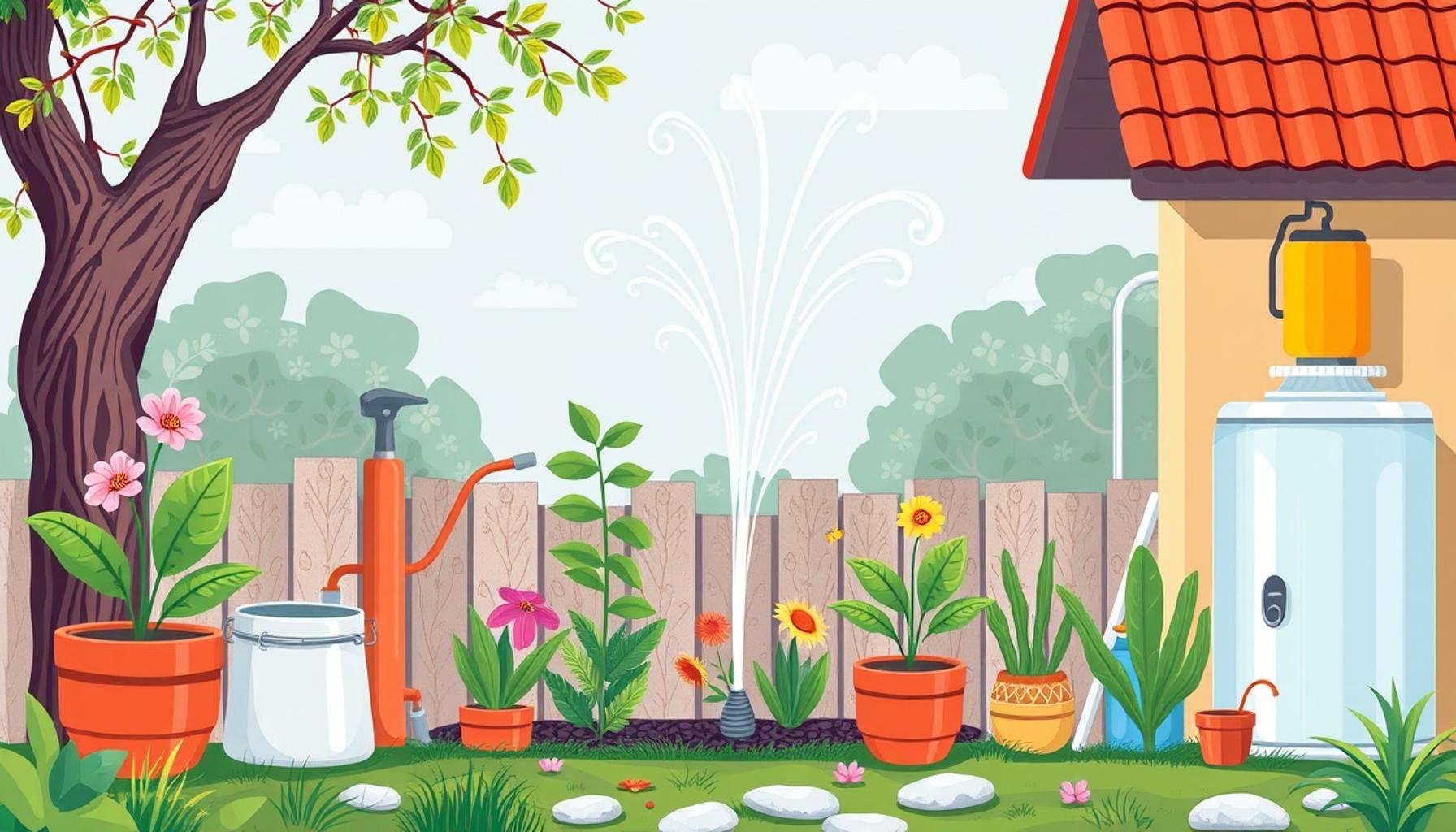
Rainwater harvesting is an eco-friendly method that can enhance irrigation for home crops. By installing a rain barrel, you can collect and store rainwater to use for irrigation during drier periods. This approach not only conserves water but also reduces dependency on municipal water systems, making your home garden more sustainable. Plus, rainwater is typically free from the chemicals found in tap water, promoting healthier plant growth.
Monitoring Plant Health
Regularly check the health of your plants to ensure they are receiving the proper amount of water. Yellowing leaves may indicate overwatering, while wilting can be a sign of drought stress. Plant health monitoring tools, such as moisture meters, can help you gain insight into your plants’ needs. Adjust your irrigation practices based on this feedback to maintain optimal growing conditions.
Conclusion
Understanding the importance of proper irrigation techniques is fundamental for anyone looking to cultivate healthy home crops. By tailoring your approach based on your soil conditions, using efficient watering methods, timing irrigation effectively, and incorporating rainwater harvesting, you can greatly improve not only the yield of your crops but also contribute to the overall health of our environment. As you begin to master these practices, you’ll find that proper irrigation is both an art and a science that pays off with bountiful harvests.
DISCOVER MORE: Click here for expert tips on plant selection
Common Challenges in Home Irrigation and Solutions
Even with careful planning and installation, home irrigation systems can pose challenges that require attention. Beginners may encounter several issues that can impede plant health and watering efficiency. Fortunately, understanding these common problems allows gardeners to troubleshoot effectively and maintain a thriving crop.
Water Overload or Underwatering
One of the most prevalent issues in home irrigation is the balance between overwatering and underwatering. Signs of overwatering often include yellowing leaves and root rot, while underwatered plants might exhibit wilting or dry leaves. To strike a balance, it’s crucial to monitor your plants closely and adjust your watering schedules accordingly.
Utilizing a moisture meter can provide precise readings of soil moisture levels, guiding you to the ideal watering frequency. Additionally, mulch will aid in moisture retention in the soil, minimizing the frequency of irrigation needed, especially in warmer months.
Clogged Drippers and Filters
Drip irrigation systems, while efficient, can also suffer from clogged emitters or filters, which restrict water flow and affect the distribution of moisture. Regular checks and maintenance are essential for ensuring optimal performance. Flushing the system every few weeks can help clear any debris buildup.
Using high-quality filters and keeping your water source clean can also prevent clogging. Installing a filter at the water entry point is a proactive measure for protecting your emitter systems.
Improper Timing of Irrigation
The timing of watering is critical for effective irrigation. Irrigating too late in the day can lead to higher evaporation rates, while early morning watering can cause issues with humidity and fungal diseases. Aim to water during the cooler parts of the day for optimal efficiency. According to the USDA, the best time for irrigation is typically from 6 AM to 10 AM, as this allows plants to absorb water without the sun rapidly evaporating it.
Seasonal Adjustments
Home gardeners should remain agile and make seasonal adjustments in their irrigation strategies. For instance, during the summer months, increased evaporation and plant growth may necessitate more frequent watering. Conversely, in winter, many perennial crops require far less water. Beginners can reference local agricultural extension services for tailored watering schedules based on seasonal changes.
Utilizing Technology in Irrigation
The advent of smart irrigation technology has provided home gardeners with innovative solutions to common irrigation problems. Smart controllers use weather data to automate and optimize watering schedules, ensuring plants receive water precisely when needed. Sensors can be integrated to gauge soil moisture levels in real time, allowing for intelligent watering without constant manual checks.
Additionally, mobile apps help track watering history and forecast future needs based on real-time weather conditions, providing users comprehensive support for staying ahead of their gardening requirements.
By being aware of potential irrigation challenges and implementing effective strategies, beginners can effectively cultivate their crops, ensuring a bountiful harvest and a satisfying gardening experience. Taking time to educate oneself about irrigation will pay dividends with healthier plants and a thriving home garden.
DISCOVER MORE: Click here to learn about beneficial insects!
Final Thoughts on Proper Irrigation for Home Crops
As we’ve explored, proper irrigation is essential for maintaining healthy home crops and maximizing your gardening potential. By understanding the basics of irrigation systems, recognizing common challenges, and employing effective solutions, beginners can create vibrant gardens that thrive throughout the seasons. The ability to balance water supply with plant needs is not just about growth; it’s about cultivating a deeper connection with nature.
Utilizing tools such as moisture meters and smart irrigation technology can significantly enhance your watering efficiency, paving the way for smarter and more sustainable gardening practices. Emphasizing the importance of irrigation timing, seasonal adjustments, and regular maintenance will ensure each plant’s unique needs are met, leading to a more fruitful harvest.
Moreover, further education can open new avenues for success in your gardening journey. Consider consulting local agricultural extension services or engaging with gardening communities to share experiences and gather insights. Exploring different irrigation techniques can also broaden your horticultural skills and contribute to a more resilient environment.
Ultimately, thoughtful irrigation is the backbone of a flourishing home garden. With ongoing learning, observation, and adaptation, you’ll not only reap bountiful crops but also enrich your gardening experience. Embrace the art of irrigation today, and watch your home garden thrive like never before.