
The Importance of Hydration: Choosing the Right Beverages for Health
Understanding Hydration
Every day, our bodies crave adequate hydration to function optimally. Water acts as a vital medium for countless biochemical processes within us, from nutrient transportation to waste elimination. While many people think of hydration only when they feel thirsty, it’s essential to recognize that staying properly hydrated is a continuous process, influenced by factors like climate, physical activity, and even our dietary choices.
Staying hydrated is crucial for numerous bodily functions, including:
- Regulating body temperature: When we are adequately hydrated, our bodies can cool down through sweating, adjusting to changes in activity and environmental temperatures. For example, athletes and those working outdoors in hot weather need to replenish fluids regularly to prevent heat-related illnesses.
- Boosting cognitive performance: Dehydration can impair concentration and memory storage. Studies have shown that even mild dehydration can impact attention and cognitive skills, which is particularly relevant for students or professionals who rely heavily on mental acuity.
- Supporting digestive health: Adequate fluid intake is necessary for producing digestive juices and promoting regular bowel movements. A diet low in hydration can lead to constipation and digestive discomfort, affecting overall health.
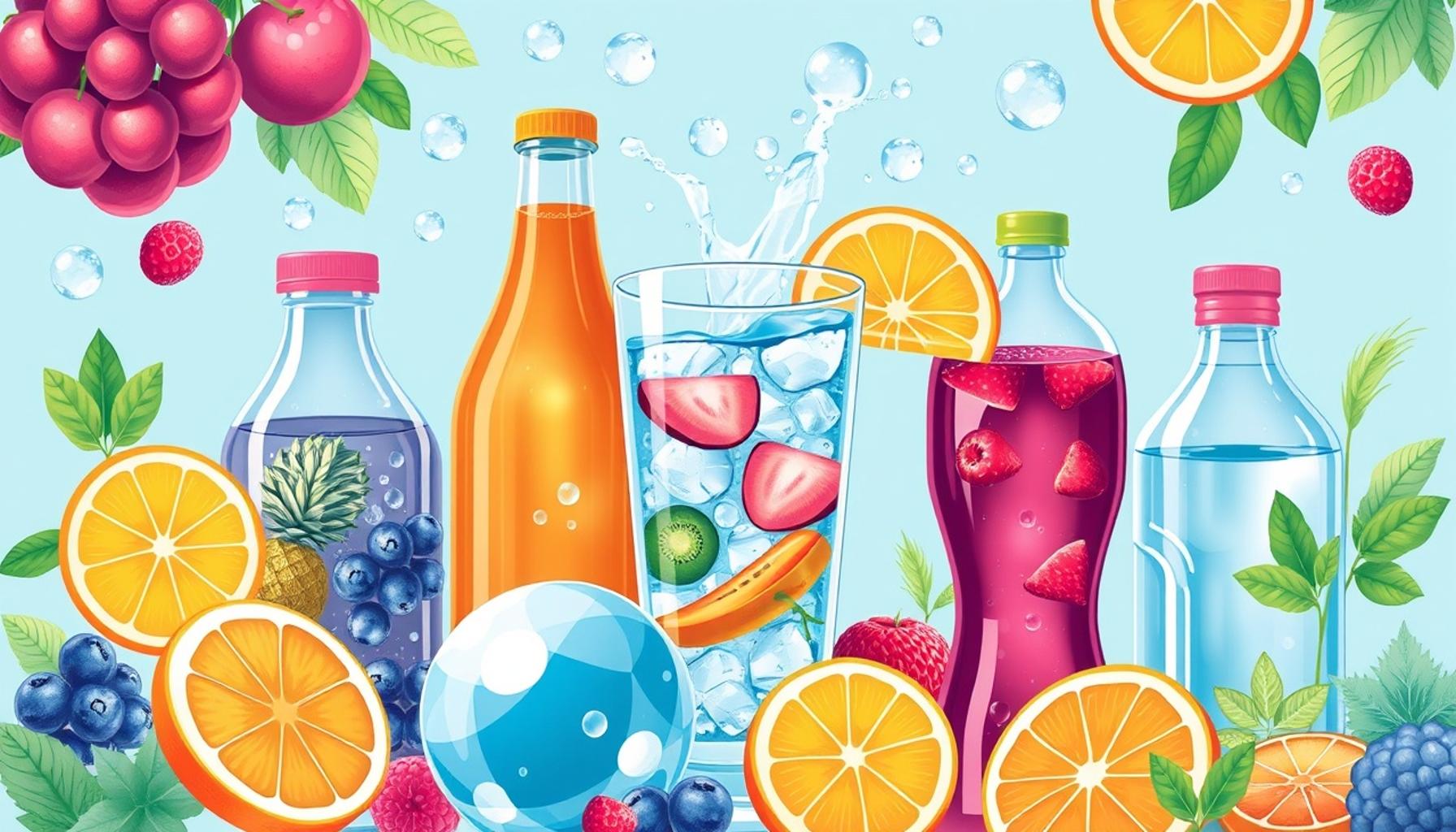
In a world filled with options, it’s essential to discern which drinks truly support our health. Consider these popular beverage categories and their health impacts:
- Water: The gold standard for hydration. It contains no calories and is absorbed efficiently by the body, making it ideal for maintaining fluid balance. Carrying a reusable water bottle can serve as a reminder to sip regularly throughout the day.
- Sports Drinks: Designed for energy replenishment during intense exercise, these beverages often contain electrolytes but can be high in sugar. For moderate activity, plain water is typically sufficient, so it’s important to evaluate if these drinks are necessary.
- Juices: Freshly squeezed juice can be nutritious, offering vitamins and antioxidants. However, many commercial juices are loaded with added sugars, which can negate their health benefits, making it vital to read labels and choose wisely.
- Sodas: These carbonated beverages may seem refreshing, but their high caffeine and sugar content can lead to dehydration and other health issues, including weight gain and metabolic concerns. Opting for sugar-free or low-calorie alternatives may be a healthier choice.
With increasing awareness about hydration, consumers are encouraged to explore not just their thirst-quenching choices, but also the long-term health benefits these beverages could offer. For instance, herbal teas provide a flavorful hydration option while offering additional health benefits such as anti-inflammatory properties. The quest for optimal hydration extends beyond simple thirst; it is about supporting our overall health and well-being.
Why It Matters
Inadequate hydration can lead to fatigue, headaches, and a range of health issues. Chronic dehydration has been linked to kidney stones and urinary tract infections, illustrating the importance of consistent fluid intake. As we delve deeper into the world of beverages, we uncover their role in maintaining good health. Our exploration begins with understanding hydration’s true importance and how to make informed choices. By taking into account individual needs and lifestyle factors, each person can make better decisions that align with their health goals, ultimately leading to a more energized and vibrant life.
The Role of Beverages in Hydration
As we navigate the multitude of beverage options available in today’s market, understanding the role these drinks play in hydration becomes paramount. With choices ranging from flavored waters to energy drinks, it’s essential to delve into what constitutes a truly beneficial option for your health. Many might be surprised to learn that hydration is not solely about drinking water; it encompasses a wider spectrum of beverages, each with its unique benefits and drawbacks.
To make informed choices, it’s crucial to evaluate beverages based on their hydration capabilities, nutritional content, and potential health implications. Here’s a breakdown of common beverage categories:
- Infused Waters: A refreshing alternative, infused waters enhance plain water with fruits, vegetables, and herbs. They not only provide hydration but also deliver trace vitamins and minerals. This can be an inviting way to increase your water intake without added sugars or calories, appealing to those who find plain water monotonous.
- Teas: Both hot and iced herbal teas are excellent hydration choices. Many teas, such as chamomile and peppermint, offer soothing effects and can aid in digestion. Additionally, green tea is rich in antioxidants, making it a compelling option for those seeking both hydration and health benefits. However, it’s essential to keep an eye on caffeine levels in certain teas, which can have a diuretic effect if consumed in excess.
- Milk and Plant-Based Beverages: Dairy products are not only hydrating but are also packed with calcium and vitamin D, promoting bone health. Plant-based alternatives, such as almond or soy milk, can provide hydration while being suitable for lactose-intolerant individuals. However, some commercial versions may contain added sugars, so reading labels is crucial.
- Electrolyte Drinks: Popular among athletes, these beverages replenish essential minerals lost during vigorous activity. However, they can also be high in sugar and calories, so it’s vital to reserve their use for high-intensity workouts rather than casual exercise or daily hydration needs.
With the growing emphasis on health and wellness, it is more important than ever for individuals to critically evaluate their beverage choices. The prevalence of sugary drinks in the American diet is alarming, with the average U.S. citizen consuming over 100 calories from sugary beverages daily. This can lead to weight gain and health issues, including type 2 diabetes and heart disease. Choosing alternatives that provide hydration without excess calories is not just a trend; it’s a necessary shift for maintaining optimal health.
Navigating the Beverage Landscape
Navigating the beverage landscape requires more than just quenching thirst; it involves understanding the long-term impacts of our choices. Consumers should aim for a balanced approach, integrating various sources of hydration into their diet while being mindful of ingredients and health implications. This nuanced understanding will empower individuals to make better life choices and promote overall wellness through effective hydration. It’s time to rethink the way we drink and embrace a path toward healthier choices.
| Beverage Type | Health Benefits |
|---|---|
| Water | Essential for bodily functions, maintains hydration, and aids in nutrient absorption. |
| Herbal Teas | Rich in antioxidants, supports digestion, and can provide calming effects. |
| Fruit Juices | Loaded with vitamins and minerals; however, watch sugar content for best health practices. |
| Coconut Water | Natural electrolyte source, excellent for hydration, particularly during physical activity. |
| Infused Water | Enhances flavor without added sugars, promotes increased water intake and busts boredom with hydration. |
Hydration is not just about drinking water; it involves making informed choices about the beverages you consume. Each of these beverage types offers distinct benefits that contribute to overall health. For instance, while water is vital for survival and bodily functions, incorporating herbal teas can enhance relaxation and digestion, making hydration a multifaceted approach rather than a one-size-fits-all solution. Moreover, being conscious of beverage options like fruit juices and coconut water can provide essential nutrients without compromising health. By exploring various types of drinks, individuals can maintain hydration levels and promote a healthier lifestyle.
Understanding the Impact of Beverage Choices on Health
As we continue to explore the significance of hydration, it’s vital to understand how the beverages we choose can markedly influence our overall well-being. Opting for the right drinks goes beyond merely satisfying thirst; it can also enhance physical health, mental clarity, and emotional balance. Surprisingly, research has shown that the concept of hydration spans beyond hydration itself, directly impacting factors such as energy levels, mood stability, and even cognitive function.
One critical aspect to consider is the role of added sugars in many popular beverages. According to the CDC, nearly 60% of all added sugars in the diet come from beverages, contributing significantly to chronic health problems. Consuming drinks high in sugar, like sodas and sweetened coffee beverages, not only leads to weight gain but can also result in increased risks of hypertension and elevated cholesterol levels. For those looking to maintain a balanced diet, it’s wise to limit such options and seek alternatives that prioritize hydration and nourishment without the hidden dangers of excess sugar.
Rethinking Sports and Energy Drinks
Sports and energy drinks have gained immense popularity, especially among adolescents and active adults. While these beverages may provide quick energy and electrolyte replenishment, many brands contain high sugar levels that can counteract their intended benefits. A report from the American Heart Association indicated that consuming these drinks in moderation is crucial; otherwise, they can lead to unhealthy weight gain and metabolic issues.
Moreover, consider the potential ramifications of caffeine-containing energy drinks. While caffeine can offer a momentary boost in alertness, excessive consumption often leads to jitteriness and sleep disturbances. It is vital for consumers to scrutinize the labels of these drinks to make informed decisions regarding caffeine intake. Opting for alternatives, such as coconut water or homemade electrolyte solutions without added sugars, can be healthier and similarly beneficial in rehydrating the body post-exercise.
The Growing Trend of Functional Beverages
Another trend gaining momentum is that of functional beverages—drinks fortified with vitamins, minerals, and bioactive compounds that claim to offer specific health benefits. Popular examples include kombucha, a fermented tea rich in probiotics, and enhanced waters with added vitamins and minerals designed to support hydration and overall health. While some of these drinks can indeed contribute beneficial nutrients, consumers should approach them with caution. Carefully scrutinizing ingredient lists is paramount to avoid additives or excessive sugars that could negate their health benefits.
Studies suggest that functional beverages can provide an avenue for enhancing hydration while also addressing specific health needs. For example, drinks boosted with B vitamins may benefit those experiencing fatigue, while adaptogenic herbal beverages have been promoted for stress management. Nevertheless, it’s essential to remember that these beverages should complement a balanced diet and should not replace whole food sources of nutrients.
Moreover, a robust understanding of local tap water quality is indispensable for hydration choices. In certain regions, drinking tap water may not only be safe but also environmentally friendly, reducing plastic waste associated with bottled beverages. Testing water quality and ensuring it meets regulatory standards can empower individuals to prioritize this viable hydration source.
Ultimately, the journey toward optimal hydration involves keen awareness of how various beverages influence our health. By making thoughtful choices, individuals can enhance their hydration strategies and lay a substantial foundation for long-term physical well-being.
Conclusion: Empowering Your Hydration Choices
In conclusion, the importance of hydration cannot be overstated, as it plays a pivotal role in our overall health and well-being. The choices we make when selecting beverages significantly affect not just hydration, but also our energy levels, mood stability, and cognitive function. By being aware of the added sugars present in many popular drinks and understanding their potential health risks, we can make informed decisions that benefit our long-term wellness.
It is crucial to evaluate the role of sports and energy drinks, which may serve specific purposes but often come laden with sugars and calories that can detract from their intended benefits. Exploring wholesome alternatives like coconut water or naturally flavored waters can enhance our hydration without compromising our health. Furthermore, the rise of functional beverages presents both exciting opportunities and potential pitfalls, as they can enrich our diets, provided we choose wisely and remain vigilant about additives.
Ultimately, empowering ourselves to embrace water—preferably purified or tap water, when safe—forms the cornerstone of a prudent hydration strategy. By scrutinizing ingredient labels, being mindful of our daily beverage intake, and prioritizing hydration-friendly choices, we set the stage for a healthier, more vibrant life. Now is the time to take charge of your hydration journey and make the decisions that will nourish your body, promote well-being, and sustain energy through all of life’s pursuits.