Storage and Preservation of Harvest: Keeping Your Food Fresh for Longer
Understanding Ideal Conditions for Food Storage
Food freshness heavily depends on the environment in which it is stored. Temperature and humidity are key factors that can dramatically affect the shelf life of various food items. For instance, most root vegetables thrive in cool, dark, and humid spaces, with temperatures between 32°F to 40°F. A basement or dedicated root cellar can serve as the perfect environment for potatoes and carrots, keeping them crisp for many months.
Conversely, fruits such as apples and pears require a slightly warmer environment, ideally around 50°F to 60°F, and should be stored in a well-ventilated area to prevent moisture buildup, which can lead to spoilage. Understanding these ideal conditions will significantly enhance your ability to keep your food fresh.
Utilizing Proper Containers
The choice of storage container is equally as critical as the environmental conditions. Airtight containers are essential in warding off pests and preventing spoilage caused by exposure to air. Glass jars with rubber seals are an excellent option for dry goods like grains and beans. Similarly, vacuum-sealed bags can extend the life of meats and cheeses, keeping them fresh for months when stored in the freezer.
For fruits and vegetables, breathable bags made of natural fibers can help maintain humidity while preventing moisture accumulation. Investing in good-quality containers not only protects against spoilage but is also more economical in the long run.
Exploring Preservation Methods
When it comes to preserving the bounty of your harvest, methods like canning, freezing, and drying offer versatile options suited for various types of produce. Canning, for instance, involves sealing food in jars and heating them to kill bacteria, thereby allowing the food to be stored safely for years. It’s particularly effective for tomatoes, pickles, and jams, enabling you to enjoy the taste of summer long into winter.
Freezing is one of the simplest methods of preservation; many fruits and vegetables can be blanched and stored in freezer bags for later use. This method retains the nutritional value and flavor of produce like green beans and strawberries. Lastly, drying is an excellent choice for herbs and fruits, such as apples, which can be transformed into healthy snacks that last for months without refrigeration.
Considerations for Effective Food Storage
Various factors also influence the effectiveness of your food storage strategies. Types of produce significantly affect how they should be stored; berries, for example, have a very short shelf life and require quick consumption or preservation. Understanding the storage timeframes for different foods can be a game-changer in meal planning, allowing you to utilize items that are nearing spoilage first.
Moreover, the importance of labeling cannot be overstated. Using clearly marked labels on jars and containers aids in tracking what needs to be consumed first, ensures you’re aware of the contents, and helps prevent food waste. Adding the date of storage can give you a quick visual cue about freshness.
Empower Your Kitchen with Knowledge
Whether you’re cultivating a vegetable garden or sourcing local produce from farmers’ markets, knowing how to effectively store and preserve your food ensures you get the most out of your efforts. Mastering these techniques will enhance not only your culinary experiences but also your budgetary concerns in today’s increasingly fluctuating grocery landscape. By extending the shelf life of your harvest, you are not only preserving flavor and nutrition but also taking a stand against food waste and contributing positively to environmental sustainability.
DISCOVER MORE: Click here to learn about soil preparation
Utilizing Proper Containers
The choice of storage container is equally as critical as the environmental conditions. Airtight containers are essential in warding off pests and preventing spoilage caused by exposure to air. Glass jars with rubber seals are an excellent option for dry goods like grains and beans, as they not only protect the contents from air contact but also prevent odors from transferring between stored items. Similarly, vacuum-sealed bags can extend the life of meats and cheeses, keeping them fresh for months when stored in the freezer. This method not only inhibits freezer burn but also allows for optimal space utilization in frozen storage.
For fruits and vegetables, it’s essential to choose breathable bags made of natural fibers. These bags help maintain humidity while preventing moisture accumulation, which can lead to mold and decay. Investing in good-quality containers not only protects against spoilage but is also more economical in the long run. Below are some key container options that can cater to your diverse storage needs:
- Glass Containers: Ideal for dry goods, these can be transparent, allowing you to see what you have on hand. They also do not interact with food, ensuring no contamination.
- Plastic Bins: Lightweight and stackable, these bins can be excellent for bulk items and pantry organization.
- Silicone Bags: Reusable and flexible, these are great for storing snacks and leftovers and can be used in both refrigerator and freezer environments.
- Jars: Perfect for canning, they can also be reused for storing items like pasta, cereals, and spices.
- Vacuum Sealers: These devices are essential for long-term storage, particularly for meats and prepared meals, as they remove air and seal food to preserve flavor and texture.
Exploring Preservation Methods
When it comes to preserving the bounty of your harvest, methods like canning, freezing, and drying offer versatile options suited for various types of produce. Canning, for instance, involves sealing food in jars and heating them to eliminate bacteria, thereby allowing the food to be stored safely for years. This method is particularly effective for tomatoes, pickles, and jams, enabling you to savor the flavors of your garden long into winter.
Freezing is one of the simplest methods of preservation. Many fruits and vegetables can be blanched—briefly boiled and then rapidly cooled—and stored in freezer bags for later use. This method retains the nutritional value and flavor of produce like green beans and strawberries while allowing for easy incorporation into meals throughout the year. Lastly, drying is an excellent choice for herbs and fruits, such as apples, which can be transformed into healthy snacks that last for months without refrigeration. Investing time in these preservation methods not only reduces food waste but also empowers you to enjoy your harvest in versatile and delicious ways.
| Category | Details |
|---|---|
| Refrigeration Techniques | Proper refrigeration extends freshness and nutritional value of fruits and vegetables. |
| Fermentation | This method enhances flavor and preserves food while increasing probiotics. |
| Canning Methods | Canned goods can last up to several years without spoiling, making them a reliable source of nutrients. |
| Root Cellaring | This traditional method uses cool, dark spaces to extend the life of root vegetables and fruits. |
| Freezing Techniques | Freezing preserves the taste and texture of seasonal produce, making it available year-round. |
The storage and preservation of harvests encompasses various methods that not only maintain the quality of food but also provide immense health benefits. Utilizing techniques like fermentation can transform foods both in flavor and nutrition. Additionally, the availability of canned goods ensures that nutrients are preserved for long durations, making healthy eating more accessible. Adopting modern freezing techniques allows us to enjoy seasonal produce throughout the year, providing convenience along with sustainability. Each method plays a distinct role in ensuring that your food remains fresh and tasty, encouraging exploration and experimentation in the kitchen.
DON’T MISS: Click here to discover essential harvesting tools
The Role of Temperature Control
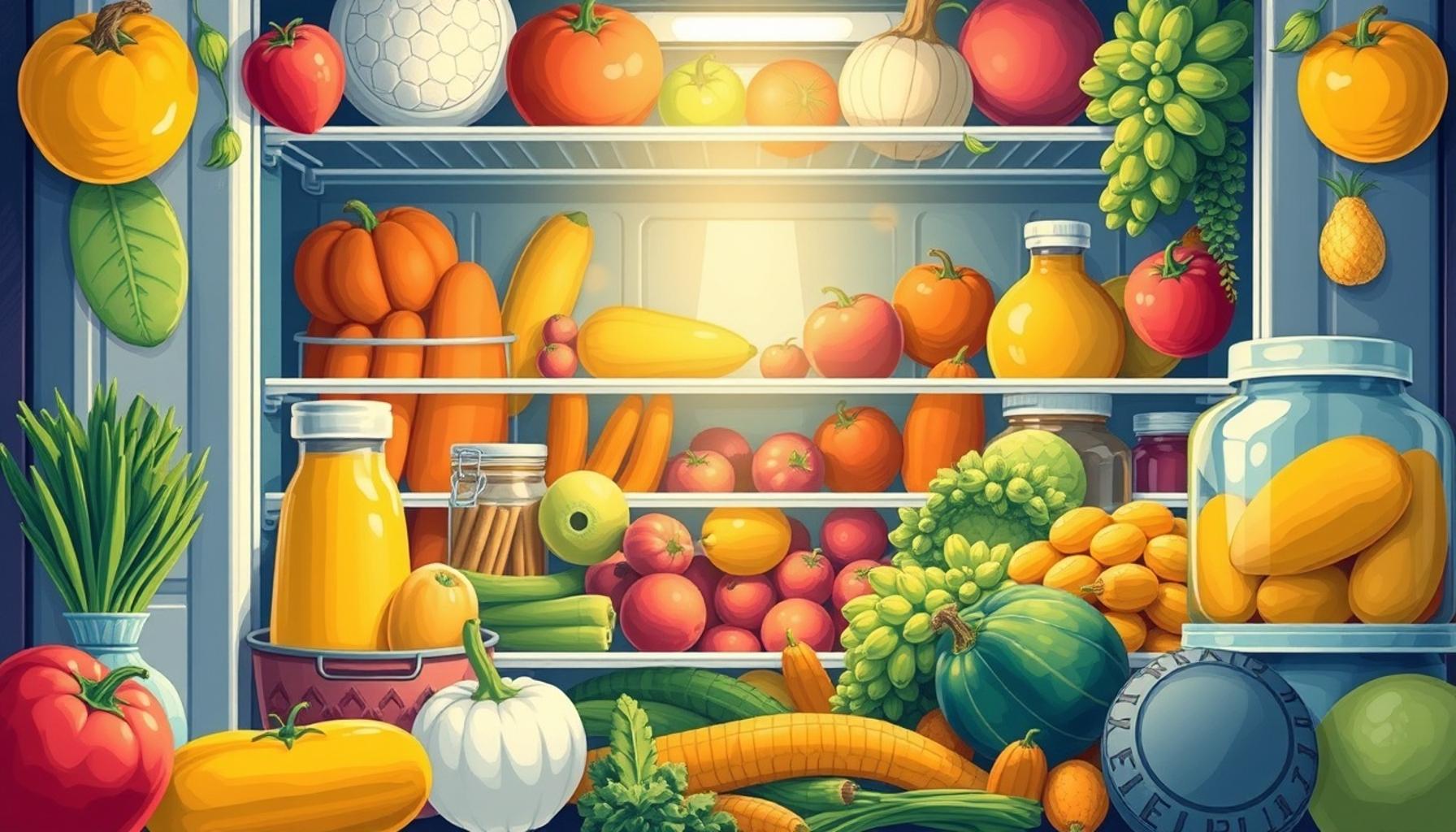
Temperature plays a pivotal role in maintaining the freshness of your harvest. By understanding the ideal temperature ranges for various foods, you can significantly prolong their shelf life. For instance, the optimal temperature for storing most fruits is between 30°F to 40°F, whereas vegetables tend to thrive in slightly cooler conditions, around 32°F to 36°F. Keeping your refrigerator set appropriately can lead to better preservation, so investing in a refrigerator thermometer is a simple way to ensure your produce is stored in the right conditions.
Moreover, certain fruits and vegetables release ethylene gas, which can accelerate ripening and spoilage. Placing ethylene-producing items, such as apples, bananas, and avocados, away from sensitive produce like leafy greens and berries can help prevent premature decay. A dedicated crisper drawer can provide the necessary humidity levels to keep these items fresher for longer, reducing waste and maximizing the enjoyment of your harvest.
Embracing Fermentation Techniques
Another innovative preservation technique gaining popularity is fermentation. This age-old method not only extends the shelf life of your food but also enhances its flavor and nutritional profile. Fermented foods like sauerkraut, kimchi, and yogurt deliver probiotic benefits that support gut health, making them a wise addition to your diet. To ferment vegetables, simply immerse them in a salt brine and let nature take its course. With various flavors and textures to explore, fermentation offers a world of culinary creativity while preserving your harvest.
Fermentation is especially advantageous for seasonal produce, allowing you to enjoy the vibrant flavors of summer cucumbers well into winter months. For those new to fermenting, simple recipes abound online, demystifying the process and guiding you on your journey of food preservation through fermentation. There are even DIY fermentation kits readily available, making it accessible for home cooks eager to expand their kitchen skills.
Maximizing Shelf Life with Smart Practices
In addition to utilizing proper storage containers and preservation techniques, implementing smart food management practices can further maximize the lifespan of your harvest. Be diligent about regularly checking your stored produce and removing any items that show signs of spoilage, as one rotten apple can spoil the entire batch. Furthermore, adopting the principle of “first in, first out” (FIFO) encourages you to use older stock before newer purchases, reducing waste.
Labeling containers with dates can also ease the organization of your pantry or refrigerator. This simple step ensures ingredients are consumed in a timely manner, allowing you to enjoy your harvest at its freshest. Additionally, incorporating vacuum-sealed meals into your meal prep routine not only creates convenience but also ensures you’re using the freshest ingredients before they spoil.
Utilizing Your Freezer Efficiency
Lastly, utilizing your freezer efficiently can be a game-changer for preserving your harvest. Freezing not only halts spoilage but also retains the peak freshness and nutrition of your food. For best results, ensure that food is stored in portions that suit your meal needs, making it easier to thaw only what you need, which prevents waste. Avoiding overcrowding in the freezer and leaving space for air to circulate is essential. Recognizing that certain items can be frozen raw, such as vegetables or sauces, can offer spontaneity in meal preparation while keeping your ingredients fresh.
DISCOVER MORE: Click here to learn about beneficial insects in pest management
Conclusion
In conclusion, the storage and preservation of your harvest are critical elements that not only ensure the longevity of your food but also enhance its nutritional value and flavor. By understanding the importance of temperature control, utilizing methods like fermentation, and adopting smart food management practices, you can effectively extend the shelf life of your fresh produce. The power of simple adjustments, from the way you organize your refrigerator to incorporating freezing techniques, can significantly reduce waste and keep your ingredients at their peak.
Furthermore, with the rise in interest towards sustainable living, mastering food preservation techniques such as fermentation allows you to connect with your food in a more meaningful way, enriching your diet with probiotics and unique flavors. As you incorporate these practices into your routine, consider how they not only benefit your kitchen but also contribute to less food waste and a healthier lifestyle.
Ultimately, a little knowledge and preparation can go a long way in keeping your food fresh for longer. So don’t hesitate to explore and experiment with the various preservation methods available. Each effort you make towards effective food storage is a step towards better health, reduced waste, and greater enjoyment of the bounties that nature provides. As you embark on your journey of food preservation, remember that the goal is not just to keep your harvest fresh, but to savor and appreciate the fruits of your labor all year round.