
Navigating Food Labels: Making Informed Nutrition Choices
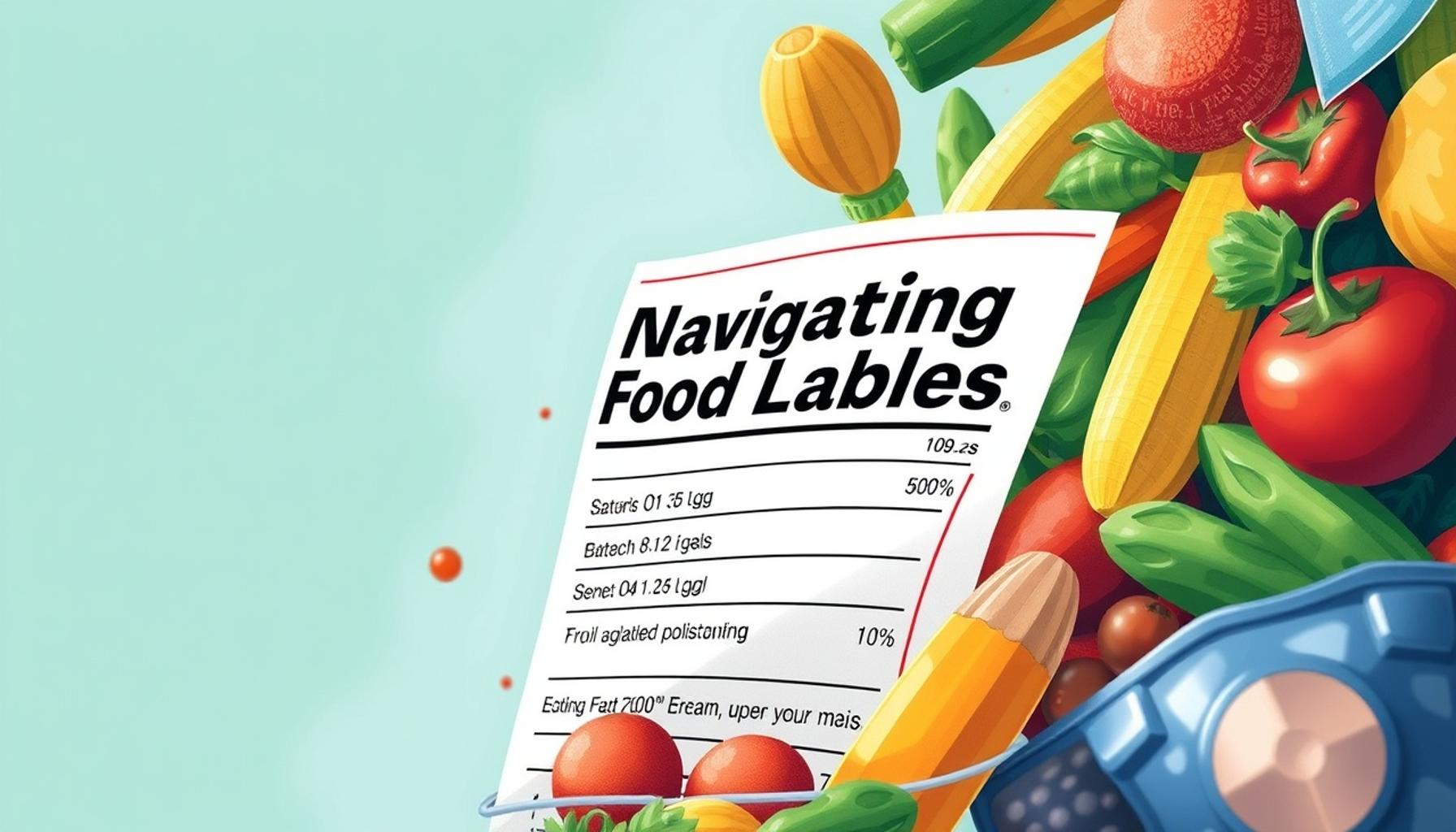
Decoding Food Labels: Your Guide to Healthier Eating
In an era where health consciousness is on the rise, navigating the complexities of food labels can be an essential tool for consumers seeking better nutrition. As grocery stores continue to flood the market with a wide variety of products, understanding how to read and interpret these labels effectively can directly influence your health and wellness journey.
Food labels are designed to provide a wealth of information, including:
- Nutrition Facts: This section typically includes critical details such as serving sizes, total calories, total fat content, sugars, carbohydrates, proteins, vitamins, and minerals. For instance, a box of cereal may indicate a serving size of 1 cup, with 150 calories, 3 grams of fat, and 12 grams of sugar. Being aware of these details enables consumers to compare products and make choices that align with their dietary needs.
- Ingredients List: The ingredients list reveals the composition of a product, allowing consumers to identify potential allergens, additives, and preservatives. Ingredients are listed in descending order by weight, meaning the first few items are the most significant. If a product lists sugar among the first three ingredients, it might be wise to reconsider your choice.
- Percent Daily Values: This section shows how much a nutrient in a serving contributes to a daily diet, typically based on a 2,000-calorie diet, which is a standard used in the United States. For instance, if a product states it contains 15% of your daily value of calcium, that means one serving contributes significantly towards your daily calcium intake.
Beyond these basic components, food labels also feature various health claims that can influence purchasing decisions. For example:
- Organic: Organic products are cultivated without the use of synthetic pesticides or fertilizers, making them preferable for many health-conscious consumers. The organic label also often signifies non-genetically modified organisms (GMOs), which have become a point of contention for some individuals.
- Gluten-Free: These products cater to individuals with celiac disease or gluten sensitivities. The gluten-free label assures consumers that the product contains less than 20 parts per million of gluten, the threshold generally accepted by food safety authorities.
- Low-Calorie: Many brands promote low-calorie options to attract consumers looking to manage their weight without sacrificing flavor. However, it is crucial to evaluate whether these products sacrifice nutritional quality to achieve lower caloric counts.
In addition to nutritional content and health claims, familiarizing yourself with food labels can help you become more aware of what you are putting into your body. By critically evaluating the information presented, you can often distinguish between genuine health benefits and marketing tactics that may mislead you.
For example, terms like “natural” or “light” do not have standard definitions in food labeling regulations, meaning they can be used loosely by manufacturers. This emphasizes the importance of understanding the full context behind a product and not relying solely on buzzwords. By mastering the art of reading food labels, you’ll be equipped to make informed decisions that align with your nutritional goals and overall wellness, fostering a healthier lifestyle one grocery trip at a time.
Understanding Nutrition Facts: The Backbone of Smart Choices
The Nutrition Facts panel is arguably the cornerstone of food labels, providing essential information that enables consumers to make well-informed dietary decisions. Understanding this panel requires more than just a cursory glance; it necessitates a deeper engagement with the numbers and terms presented. Most notable is the serving size, which is a crucial metric that dictates the context for all other information displayed. For instance, if a snack bag lists a serving size of 1 ounce, but consumers typically consume double that amount, they must adjust their calculations accordingly. This awareness can significantly impact overall caloric and nutrient intake.
Additionally, the caloric content is prominently displayed, allowing consumers to gauge how much energy they consume from a product. It’s important to remember that not all calories are created equal. Products that are high in added sugars and unhealthy fats, though potentially low in calories, may not provide the nutrient density needed for a balanced diet. This leads readers to the macronutrients section, encompassing total fats, carbohydrates, and proteins, each of which serves vital roles in bodily functions.
Moreover, when it comes to fats, it’s crucial to distinguish between different types: saturated fats, trans fats, and unsaturated fats. The USDA recommends limiting saturated fats—often found in animal products and processed foods—and entirely avoiding trans fats, which have been linked to various heart diseases. Understanding these distinctions empowers consumers to make healthier choices without compromising on flavor.
- Carbohydrates: Not all carbs are equal; they encompass sugars, fiber, and starches. With fiber being a winner in this category, aiming for higher fiber intake can enhance digestive health and promote satiety.
- Added Sugars: The FDA encourages consumers to limit added sugars to less than 10% of total daily calories. Checking the sugar section can reveal surprising amounts of hidden sugars in otherwise healthy snacks.
- Proteins: This is essential for muscle repair and growth. Consumers should pay attention to the protein content, especially if they are engaged in regular exercise.
Beyond macronutrients, the importance of vitamins and minerals is also underscored in the nutrition facts panel. This section contains specific Daily Values (DVs) for essential nutrients that guide your intake levels according to a standard 2,000-calorie diet. However, those values can vary depending on individual dietary needs, age, and activity levels, making it vital to adjust your nutritional choices accordingly.
In summary, the Nutrition Facts panel is more than just numbers; it serves as a roadmap for healthier living. It’s a tool that not only informs but also empowers consumers to take control of their dietary choices. By consciously analyzing this information, individuals can develop a more profound understanding of their food and ultimately pave the way towards better nutrition and overall well-being.
Navigating Food Labels: Making Informed Nutrition Choices
Understanding food labels is a critical skill for making informed nutrition choices. When you grasp the information provided on packaging, you equip yourself to make healthier decisions that align with your dietary goals. Let’s delve deeper into the components of food labels that can empower your shopping experience.
| Category | Description |
|---|---|
| Nutritional Information | Includes details on calories, fats, carbs, proteins, and vitamins essential for healthy eating. |
| Ingredients List | Reveals what is really in the food product, helping you avoid allergens and make cleaner choices. |
Nutrition labels are designed to guide you towards healthier options, but interpreting them requires knowledge. For instance, the serving size listed at the top may convince you that a product is healthier than it truly is if you consume multiple servings in one sitting. Additionally, pay attention to added sugars, which can significantly impact your overall health even when the product seems low in calories.
Be aware that terms like “organic” or “whole grain” can often be misleading. It’s crucial to review the actual ingredients and nutrition facts to understand what is being offered. This awareness will help you cut through marketing jargon and choose products aligned with your nutritional needs.
For those looking to improve their diet, educating yourself about food labels is an investment in your health. The information presented on these labels can guide your shopping choices, making it easier to stick to your dietary preferences, whether you’re looking to reduce sugar intake or increase fiber consumption.
Deciphering Ingredients: What Lies Beneath the Label
While the Nutrition Facts panel provides a broad overview of a product’s nutritional content, the ingredients list presents an equally crucial narrative—one that can significantly shape food choices. Reading this list carefully enables consumers to discern not just the presence of harmful additives or allergens, but also to gauge the overall quality of the food product they are considering. A shorter, more recognizable names tend to signify whole, less-processed foods, while longer lists filled with unrecognizable terms can indicate highly processed options laden with chemicals.
A particularly eye-opening observation in the ingredients list is the positioning of sugars under various aliases. Ingredients can masquerade as high fructose corn syrup, sucrose, glucose, or even agave nectar. Together, these blended sugars contribute to the overall added sugar count in a product. According to the American Heart Association, women should limit added sugars to no more than 6 teaspoons (25 grams), while men should not exceed 9 teaspoons (38 grams) daily. This nuance is essential in the quest to navigate sugar-laden food options.
With health trends evolving, another termination gaining traction is the classification of artificial ingredients and preservatives. For instance, common preservatives like BHA and BHT are often cited as potentially harmful. Research links these to harmful effects in lab animals, generating concern over their role in human diets. Opting for products labeled “no artificial additives” or “preservative-free” can help mitigate such risks and is particularly appealing for health-conscious consumers.
- Whole Grains: Look for the word “whole” at the beginning of any grain product to ensure you are choosing foods that provide fuller, more nutrient-dense benefits compared to their refined counterparts.
- Allergens: The ingredients list will also highlight any common allergens such as gluten, nuts, dairy, and soy. Identity-conscious consumers need to be vigilant about these exclusions to avoid adverse health effects.
- Organic vs Non-Organic: Understanding labels like “certified organic” signifies a product meets USDA standards for organic farming and processing, which prohibits synthetic pesticides and genetically modified organisms.
Furthermore, food labeling laws in the United States have introduced nutrient content claims as a way to guide consumers toward healthier choices. Terms like “low-fat“, “low-sodium“, or “high-fiber” have defined parameters. For instance, a product must contain less than 3 grams of fat per serving to advertise itself as “low-fat.” These claims can simplify decision-making but must be approached judiciously; a “low-fat” item might contain excessive sugars to enhance flavor.
As consumers strive for transparency in their diets, understanding these ingredient intricacies is vital. By delving deeper into food labels, shoppers are empowered to make informed choices that align with their nutritional goals and overall health. With the right knowledge, the grocery store can transform from a bewildering array of options into a site of thoughtful, health-oriented exploration.
Conclusion: Empowering Choices through Food Label Literacy
In an age where the choices we make about food are intertwined with our overall health and well-being, navigating food labels has never been more crucial. By understanding the Nutrition Facts panel and ingredient lists, consumers can arm themselves with the knowledge necessary to discern healthy options from highly processed alternatives. Awareness of terms related to sugars, allergens, and artificial additives lays the foundation for informed decision-making.
As we reflect on the various elements that constitute food labels, it becomes evident that what we eat is not just a matter of taste, but a powerful influence on our health. Traditional perceptions of “healthy” foods are being challenged by marketing tactics and complex ingredient lists. Therefore, consumers must remain vigilant and inquisitive, looking beyond catchy labels and starting to critically evaluate what ingredients contribute to their long-term health.
To enhance your journey through the aisles, consider keeping a few key strategies in mind: prioritize whole ingredients, seek out organic options when possible, and make sense of claims related to nutrition content with a critical eye. Developing a deeper understanding of food labels not only supports individual health goals but also fosters a more conscious and informed food culture overall.
As you embark on your grocery shopping adventures, remember that knowledge is power. The grocery store is not merely a marketplace, but a canvas upon which informed, health-oriented choices can be made. Embrace this exploration, and ensure that your dietary choices reflect not only what you crave but also what nurtures your body best.