Effective Watering Techniques for Container Gardens: Tips for Beginners
The Crucial Role of Watering in Container Gardening
Container gardening thrives on the art of accessibility, providing an elegant solution for urban dwellers or those with limited gardening space. Yet, the success of a container garden heavily leans on effective watering. Achieving the right moisture balance can mean the difference between vibrant greens and wilted leaves, especially for those embarking on their gardening journey for the first time.
Understanding the nuanced needs of your garden’s plants is pivotal. Different species exhibit unique requirements; for example, succulents prefer dry spells while ferns crave consistent moisture. This differential demand highlights why plant type knowledge is essential in effective watering strategies.
The size of your container also plays a vital role. A larger pot retains moisture longer than a smaller one, which can dry out quickly in the heat. Therefore, when selecting containers, consider the space your plants will occupy and their water retention capabilities.
Another factor is soil composition, which can greatly influence health. A mixture of peat moss, perlite, and compost offers well-draining properties, helping prevent the dreaded root rot that can devastate your plants. Quality soil not only holds nutrients but also facilitates healthy root growth, further empowering your plants to thrive.
Beginners often underestimate the importance of timing and method when it comes to watering—this can result in over-watering or under-watering, both detrimental to plant health. Hence, certain strategies can enhance your watering routine:
- Check Moisture Levels: Feel the soil with your fingers; if the top inch is dry, it’s time to water.
- Water Deeply: Instead of frequent light sprinkles, soak the soil thoroughly to promote deep root growth.
- Time of Day: Early morning watering minimizes evaporation loss from sunlight and also reduces the risk of fungal diseases.
Mastering these effective watering techniques builds a solid foundation for a flourishing container garden. By paying close attention to your plants’ needs and adapting your care methods accordingly, you pave the way for an abundant harvest or a stunning floral display. Embrace the joy of container gardening and let it bloom, one drop of water at a time.
Understanding Plant Water Needs
The journey to becoming a successful container gardener begins with comprehending how different plants absorb and utilize water. Each plant species has its own distinctive water requirements, shaped by factors such as climate, pot size, and soil type. For example, tropical plants typically thrive in consistently moist conditions, whereas herbs like rosemary prefer a drier environment. To cultivate a thriving container garden, it’s paramount to understand these plant-specific watering needs.
Seasonal changes can also significantly influence how frequently you should water your containers. During the summer months, containers tend to dry out more quickly due to increased evaporation. Conversely, cooler months may necessitate less frequent watering. Paying attention to the weather and adapting your watering schedule accordingly can help in maintaining the health of your plants.
The key to successful watering lies in balancing moisture levels. Soil that is too dry can lead to stressed plants, while overly saturated soil can suffocate roots and lead to root rot. To prevent these issues, consider the types of watering techniques available:
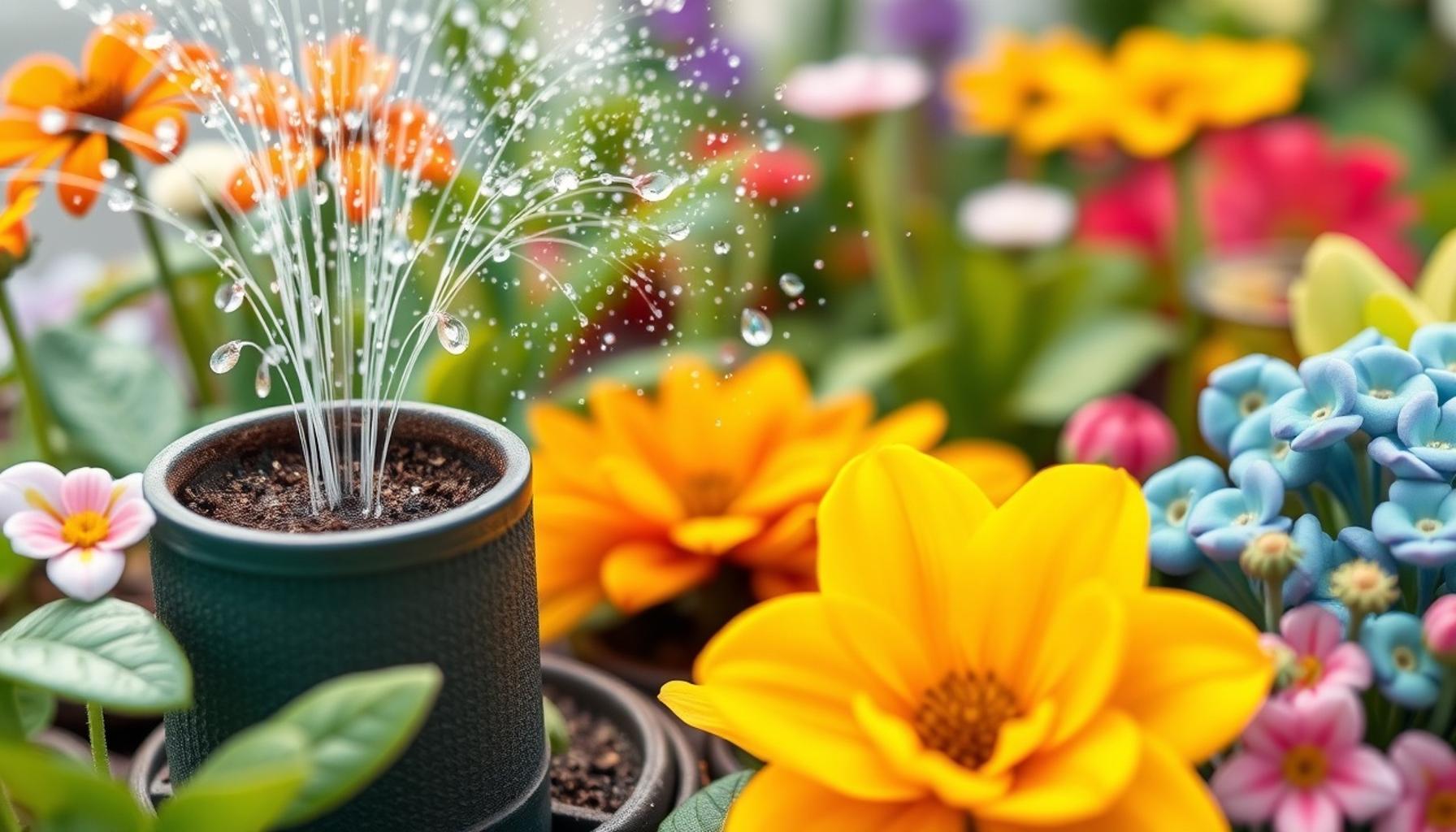
- Drip Irrigation: This efficient method delivers water directly to the base of the plants, ensuring minimal evaporation and runoff. Using a drip irrigation system can save time and provide a consistent moisture level.
- Self-Watering Containers: These innovative containers come equipped with a reservoir that allows plants to absorb water as needed. Ideal for busy gardeners, self-watering pots can help maintain optimal moisture levels.
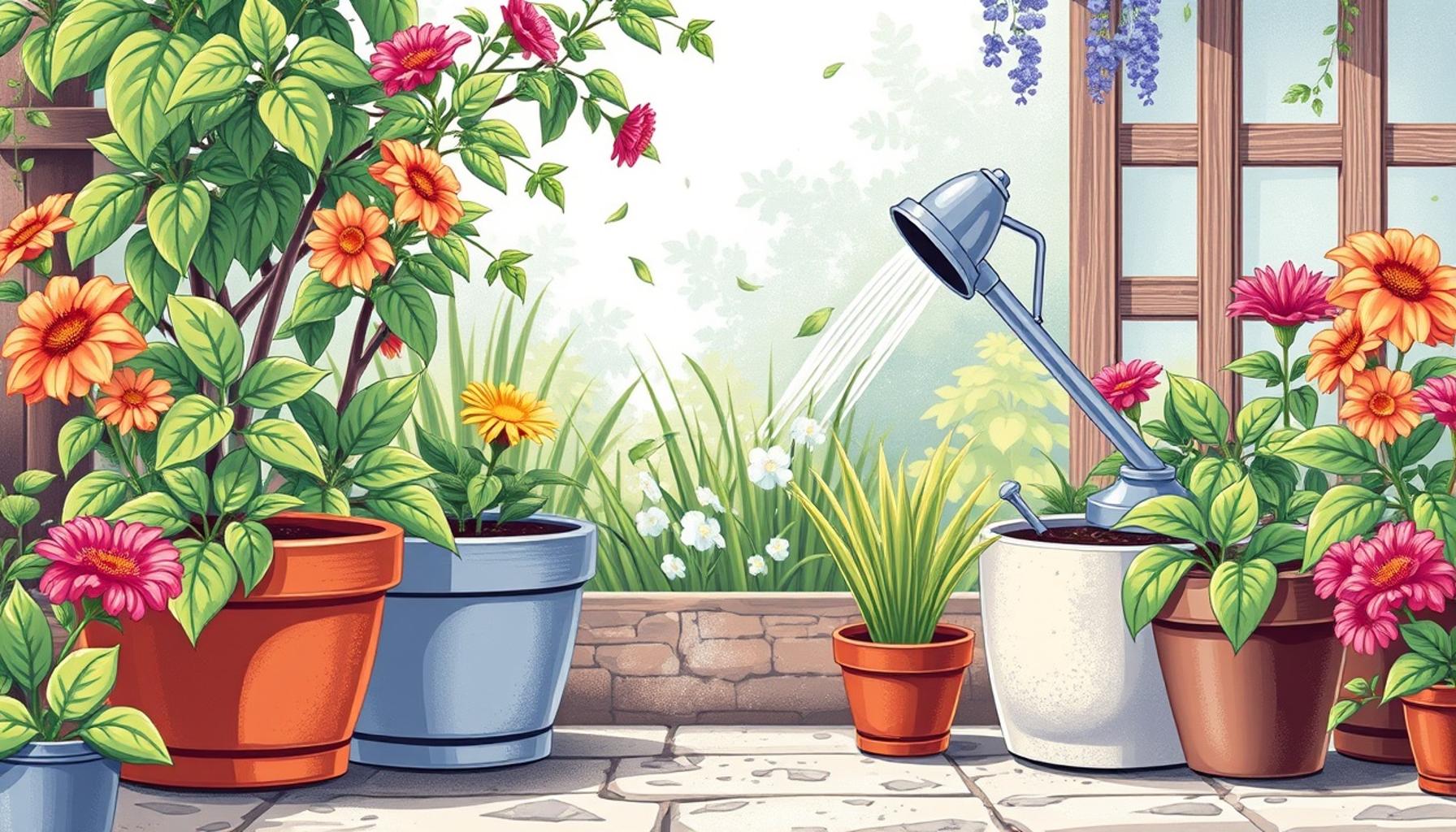
- Watering Cans with a Spout: Traditional yet effective, watering cans allow for precise watering. Using a watering can encourages you to evaluate each plant individually, promoting a more attentive gardening approach.
Another critical aspect of watering is the technique employed. Rather than watering the plant for a few seconds, it is crucial to take the time to soak the soil thoroughly until water begins to drain from the pot’s drainage holes. This practice ensures that the entire root system receives adequate moisture, promoting healthier plants. Additionally, monitoring drainage holes can provide valuable insight into how well your soil retains moisture.
Ultimately, learning how to effectively assess your plants’ hydration needs can lead to a flourishing container garden. Fostering a deep understanding of these fundamental aspects not only enriches your gardening experience but also positions you for success. As you progress, you’ll discover that your plants’ responses to your watering techniques will become clearer, allowing you to fine-tune your approach and develop a flourishing green space right at your doorstep.
Effective Watering Techniques for Container Gardens: Tips for Beginners
As container gardening continues to gain popularity among gardening enthusiasts and novices alike, understanding the nuances of effective watering techniques can make a significant difference in nurturing healthy plants. Both overwatering and underwatering can lead to disastrous results, and this is particularly true for container gardens where soil dries out more quickly.
One essential tip for beginners is to employ the method of deep watering. This technique involves soaking the soil thoroughly until water drains from the bottom of the pot. This practice encourages roots to grow deeper into the soil, making your plants more resilient to dry spells. Another strategy is to check the moisture level of the soil before watering. You can easily do this by sticking your finger into the soil up to the second knuckle; if it feels dry, it’s time to water.
Additionally, utilizing self-watering containers can be particularly beneficial. These containers help regulate moisture levels, ensuring that your plants receive a steady supply of water. They are especially useful during hot days when plants are more susceptible to moisture loss. Understanding the specific needs of the plants in your containers is vital; some plants prefer drier conditions while others thrive in more consistently moist environments. A mixed approach can often yield the best results, so be sure to research the types of plants you are growing.
Incorporating mulch can also greatly improve moisture retention in container gardens. A layer of organic mulch helps prevent evaporation from the soil surface while breaking down to enrich the soil over time. This not only minimizes the frequency of watering but also provides nutrients to your plants. Remember, proper drainage is equally important as it helps prevent root rot and other moisture-related issues, so ensure pots have adequate drainage holes.
| Watering Technique | Benefits |
|---|---|
| Deep Watering | Encourages deep root growth, improving plant resilience. |
| Self-Watering Containers | Regulates moisture, reducing the risk of over or underwatering. |
| Mulching | Minimizes evaporation, retains moisture, and enriches the soil. |
| Soil Moisture Check | Prevents overwatering by checking soil moisture levels before watering. |
Applying these effective watering techniques can lead to thriving container gardens that bloom beautifully and persist for seasons to come. The key is to observe your plants and adapt your watering strategies according to their specific needs and environmental conditions. With practice, you’ll find the perfect balance!
Recognizing Signs of Overwatering and Underwatering
As you embark on your container gardening journey, it is essential to develop a keen eye for the subtle yet important signs of both overwatering and underwatering. Each condition presents its own distinctive symptoms, and recognizing them early can prevent significant damage to your plants.
Underwatering typically manifests as wilting leaves that may feel dry to the touch, coupled with a general droopiness in the plant. Leaves may also turn brown and crispy, particularly at the tips or edges. In some cases, plants may appear stunted in their growth. To combat underwatering, it’s crucial to establish a regular watering routine based on the specific needs of your plants, adjusting for seasonal changes and environmental factors.
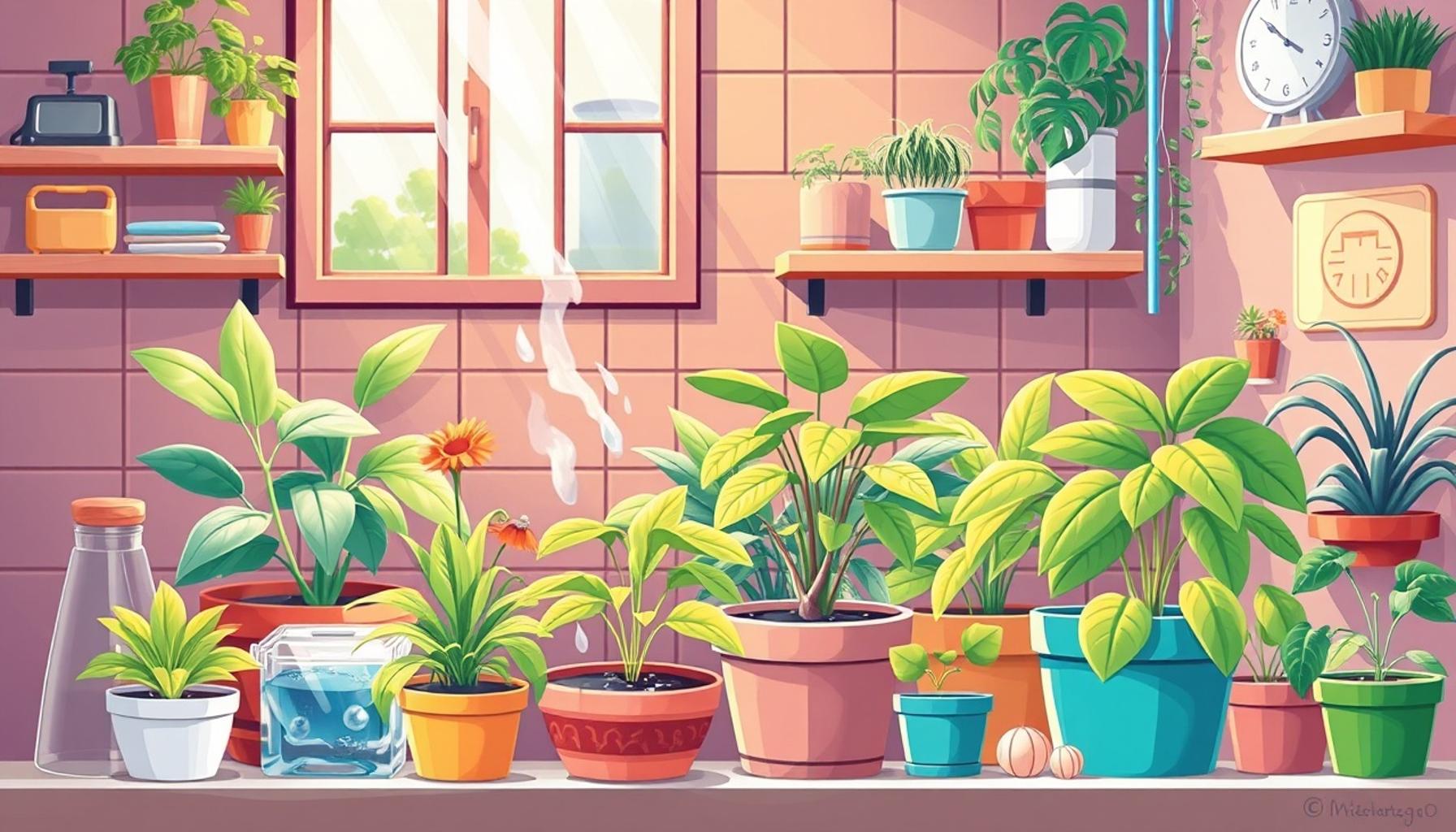
On the flip side, overwatering can quickly spell disaster for container gardens. Signs to watch for include yellowing leaves that may appear soft and mushy, as well as excessive leaf drop. The soil may also become waterlogged, with an unpleasant, musty smell indicating root rot is setting in. If you suspect overwatering, the best course of action is to allow the soil to dry out completely before resuming your watering schedule, ensuring the pot has good drainage to facilitate airflow.
Soil Quality and Its Impact on Water Retention
Choosing the right soil mix for your container garden is just as important as the watering technique you employ. A quality potting mix typically contains a combination of ingredients designed to retain moisture while promoting adequate drainage. Look for mixes that incorporate perlite, coconut coir, or vermiculite, as these materials help create loose, breathable soil that prevents compaction and encourages healthy root growth.
A well-chosen potting mix not only holds moisture but also provides essential nutrients for your plants. It is advisable to avoid using garden soil in containers, as it can become compacted, leading to poor drainage and difficulty in maintaining moisture levels. Additionally, consider the composition of your soil mix throughout the growing season. In hotter months, you might need to amend your potting mix with organic materials that enhance moisture retention without suffocating the roots.
Best Times and Methods for Watering
Understanding when to water your container plants is almost as critical as knowing how to water them. The early morning hours just after sunrise are often regarded as the optimal time for watering, as it allows plants to absorb moisture before the heat of the day causes evaporation. Watering in the evening can lead to excess moisture lingering overnight, creating an environment conducive to fungal diseases.
When watering, aim for the base of the plant to ensure the water penetrates down to the root zone. You can achieve this by targeting the soil directly rather than spraying the leaves, which can lead to fungal issues. If your container has a saucer underneath, be mindful to empty it after watering, as standing water can promote root rot.
In addition to watering directly at the base, consider using a soaker hose or a watering wand to deliver water gently and evenly. This method helps to minimize soil disturbance and ensures the entire root system receives adequate moisture. As you develop your skills, you’ll find that consistency and observation are key in identifying the perfect watering schedule tailored to your container garden’s unique needs.
Conclusion: Mastering Watering Techniques for Thriving Container Gardens
In conclusion, cultivating a flourishing container garden hinges significantly on mastering effective watering techniques. As a beginner, understanding the delicate balance between overwatering and underwatering is paramount. By recognizing the signs of water stress in your plants, you can take proactive measures to ensure their health and vitality. Additionally, selecting the right soil mix plays a critical role in maintaining proper moisture levels, enabling your plants to thrive in their confined environment.
The best practices of watering—timing, method, and monitoring—cannot be overstated. Watering in the early morning allows plants to hydrate without the risk of evaporation, while targeting the soil at the base minimizes disruption and disease risk. Using appropriate tools like watering wands or soaker hoses can streamline this process, ensuring even and efficient water distribution.
As you embark on your container gardening journey, embrace the learning experience and continually observe your plants’ responses to your watering routine. Every garden is unique, and adapting your techniques based on seasonal and environmental fluctuations will prove critical for success. Remember, the goal is not only to keep your plants alive but to nurture them into an exuberant display of growth and beauty. Dive deeper into research, connect with fellow gardeners, and observe nature’s cues. With persistence and attention, you will soon become adept at wielding the art of watering like a seasoned container gardener.