Environmental Enrichment: How to Stimulate Pets’ Natural Behavior at Home
Understanding the Importance of Environmental Enrichment
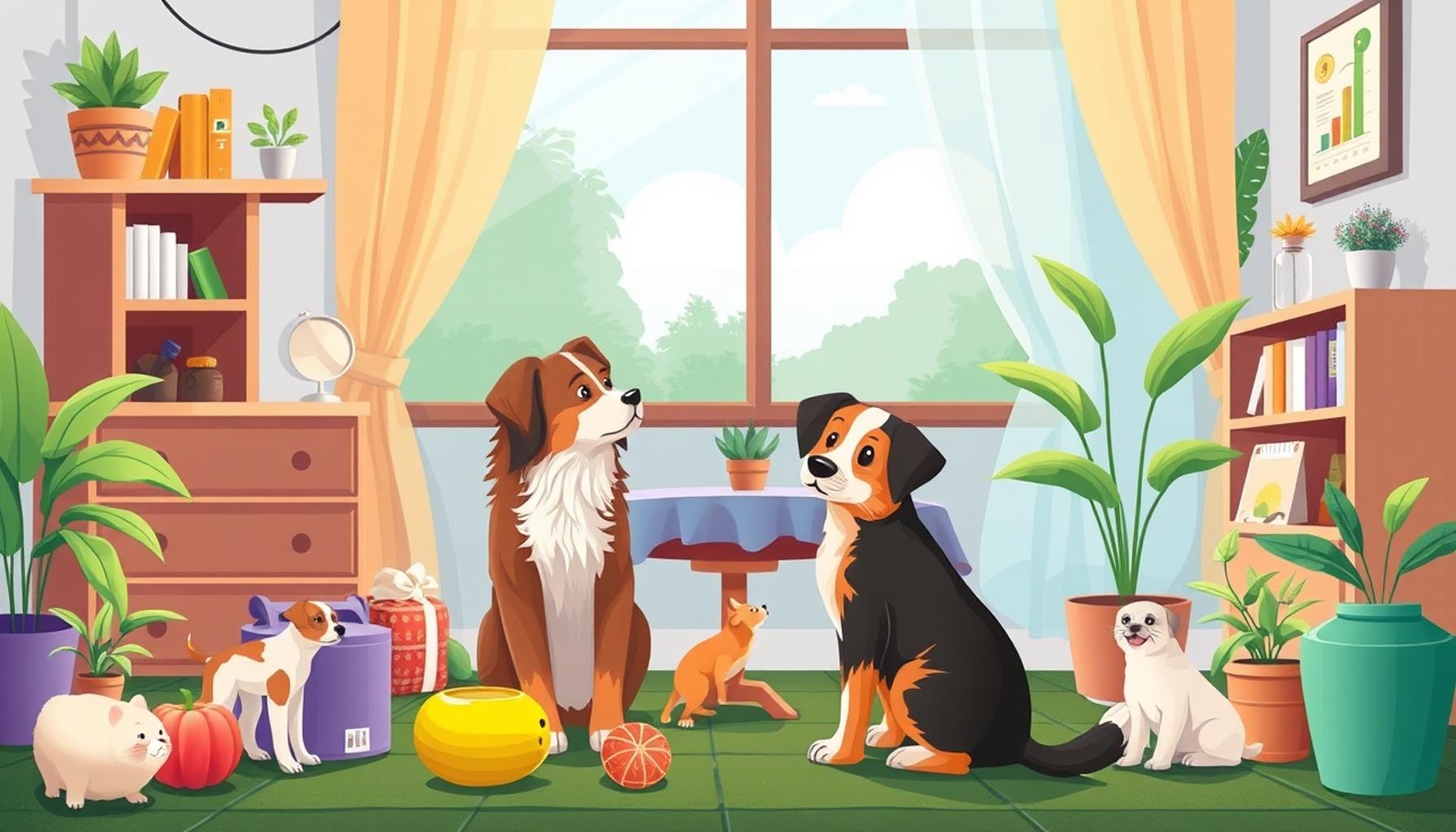
Your pets are not just companions; they are vibrant beings with innate behaviors waiting to be expressed. When living in a home environment, many pets can become bored, leading to stress or undesirable behaviors. Environmental enrichment is key to unlocking their potential and ensuring their emotional welfare.
What is Environmental Enrichment?
At its core, environmental enrichment involves providing stimuli that cater to your pet’s natural instincts. This approach aims to enhance their well-being by creating an engaging atmosphere. Key elements include:
- Physical stimulation: Activities that engage your pet’s body, such as climbing, jumping, and running. For example, cat trees or agility courses can provide numerous opportunities for exercise and exploration, allowing pets to use their physical abilities and stay fit.
- Mental stimulation: Challenges that promote cognitive function, like puzzle toys or training exercises. These can come in forms like treat-dispensing toys or interactive games that require problem-solving skills, encouraging pets to think and engage their minds actively.
- Social interaction: Opportunities for bonding with human or animal companions. This could be as simple as playtime with others, participating in group training sessions, or facilitating supervised interactions with other pets.
Why Should You Care?
The benefits of enriching your pet’s environment are profound. Research suggests that stimulating natural behaviors can lead to reduced anxiety and better overall health. Animals that have varied sensory experiences cope better with their environments and exhibit fewer behavioral issues.
- Reduces destructive behavior: By engaging pets with interactive environments, they are less likely to engage in unwanted behaviors such as chewing on furniture or excessive barking.
- Enhances learning capabilities: Pets that are mentally stimulated often exhibit improved obedience and more willingness to learn new commands or tricks. This not only benefits their skills but also strengthens communication between pets and their owners.
- Strengthens the human-animal bond: Shared experiences during play or training sessions foster closeness and trust. This bond can be immensely rewarding for both owner and pet, resulting in a happier household.
As you explore ways to implement environmental enrichment in your pet’s life, consider incorporating a variety of activities into their daily routine. Regularly changing toys, integrating training, and providing safe spaces for exploration can transform their home into a dynamic haven of natural behaviors and joy. Ultimately, fostering an enriching environment not only enhances your pet’s quality of life but also enriches your connection with them, creating a fulfilling relationship for both of you.
DIVE DEEPER: Click here to learn more

Creating a Stimulating Environment for Your Pets
To fully embrace the concept of environmental enrichment, it is essential to understand how to craft a stimulating environment for your pets that encourages their natural behaviors. This goes beyond simply providing them with food and water; it involves considering their species-specific needs, instincts, and behaviors. Each pet, whether a dog, cat, bird, or small mammal, has unique traits that you can harness to make their home more engaging and fulfilling.
Assessing Your Pet’s Needs
Before diving into the multitude of enrichment activities available, it’s crucial to assess the specific behaviors and needs of your pet. A thorough understanding of their natural instincts will help you tailor an environment that stimulates them effectively. Here are a few questions to consider:
- What are their play preferences? Recognizing whether your pet enjoys active play, problem-solving, or certain types of toys can help you select the right enrichment items.
- What instinctual behaviors do they exhibit? For example, whether your cat loves to climb or your dog enjoys retrieving can guide the selection of physical enrichment opportunities.
- How social are they? Some pets thrive on interaction, while others may prefer solitary play. Understanding this can help you provide the right balance of social engagement and independent activities.
Understanding these elements serves as a foundation for developing a proactive enrichment plan.
Implementing Enrichment Activities
Once you’ve identified your pet’s needs, you can begin to implement various enrichment activities that cater to their unique characteristics. Here are a few ideas to get you started:
- Interactive Toys: Toys that require pets to engage physically and mentally can challenge their problem-solving abilities. Consider toys that dispense treats as pets play with them. This not only stimulates their minds but also rewards them when they succeed.
- Naturalistic Play Areas: For cats, incorporating scratching posts and shelves can mimic their natural tree-climbing behaviors. For dogs, providing varied terrain in your yard, such as hills or obstacles, can enhance their physical exercise and exploratory instincts.
- Scheduled Playtime: Set aside specific times during the week to engage in interactive play with your pets. This could include fetch for dogs or feather wands for cats, which not only provide physical activity but also strengthen your bond.
Implementing these activities not only keeps your pets busy, but it also plays a pivotal role in their overall well-being. Animals engaged in diverse activities are generally healthier and happier. As you enrich your pet’s environment, think creatively and don’t hesitate to experiment with different setups and toys to see what resonates best with them. This journey is not just about keeping them entertained; it’s about unlocking their true potential and allowing them to express their natural behaviors in a nurturing environment.
Environmental Enrichment Techniques
Creating an engaging home environment for your pets boils down to stimulating their natural instincts and behaviors. Below are several effective techniques that can transform everyday life into an enriching experience for your furry companions.
| Type of Enrichment | Description |
|---|---|
| Physical Enrichment | Incorporating various climbing structures and tunnels for pets enhances their physical health. |
| Sensory Enrichment | Using different scents, sounds, and textures stimulates pets’ senses and keeps them engaged. |
| Interactive Toys | Toys that require problem-solving and interaction can significantly improve cognitive skills. |
| Social Interaction | Regular playdates with other pets foster social skills and reduce loneliness. |
| Feeding Enrichment | Concealing food in treat-dispensing toys encourages natural foraging behaviors. |
Each of these enrichment techniques addresses a different aspect of your pet’s well-being. By providing a diverse range of activities, you will not only keep your pet physically active but also mentally stimulated, fostering a happier and healthier companion. Exploring these options can turn your home into a paradise of exploration and joy, promoting their natural instincts. Discovering the uniqueness of each pet’s preferences adds further layers to the enrichment experience.
DISCOVER MORE: Click here to learn about your pet’s social needs
Exploring Sensory Stimulation Techniques
Beyond physical activities, sensory enrichment is a vital component of creating an engaging space for your pets. It involves stimulating your pet’s senses—sight, sound, smell, and touch—to enhance their overall experience at home. Different species respond uniquely to various sensory inputs, and understanding this can pave the way for more immersive enrichment strategies.
Enhancing Auditory and Visual Enrichment
Sound is a powerful tool in the world of pet enrichment. Many pets are naturally drawn to certain sounds that pique their interest or mimic communication in their species. For instance, playing nature sounds or music designed for pets can stimulate curiosity and reduce anxiety. Studies have shown that certain genres of music have calming effects on dogs, providing a soothing backdrop during their downtime.
In conjunction with auditory stimulation, visual enrichment can also play significant roles. For cats, placing bird feeders outside windows allows them to observe the activity of nature from a safe vantage point. This encourages their natural hunting instincts without the risk of outdoor dangers. You might also consider using projection screens with images of wildlife to create a visually engaging environment where your pet can watch and interact with dynamic visuals.
The Power of Aromatherapy
Aromas can create a relaxed and stimulating atmosphere for your pets. Using pet-safe essential oils or diffusers filled with comforting scents not only enhances the ambiance but can also positively influence behavior. Scents like lavender and chamomile are known for their calming properties, while others like peppermint can invigorate and stimulate pets. However, it’s crucial to ensure that any oils used are non-toxic and specifically formulated for animal use, as many essential oils can be harmful to pets.
Tactile Experiences for Enrichment
Tactile stimulation can also be highly effective. Providing different textures through enrichment items that pets can explore with their paws or noses can awaken their senses. For example, using a variety of bedding materials—such as soft blankets, rough sisal, or memory foam—can cater to a pet’s need for tactile feedback as they nest, tunnel, or burrow. Small mammal owners might consider creating a digging box filled with shredded paper, while for dogs, toys that offer different surfaces and textures can provide a stimulating chewing experience.
- Environmental Changes: Rotating toys and changing your pet’s environment can introduce novelty while keeping boredom at bay. Rearranging furniture or introducing new climbing structures and hiding spots can make a familiar space feel new and provide opportunities for exploration.
- Using Food as a Tool: Foraging activities should also be considered, as they mimic the natural hunting behavior of pets. Hiding treats around the house or using puzzle feeders can challenge their intellect and motivate them to search, reinforcing their instinctual behaviors.
By focusing on sensory stimulation alongside physical activities, pet owners can create a well-rounded enrichment program that fosters happiness and promotes healthy behaviors in their animals. The benefits extend beyond mere entertainment; sensory engagement can lead to improved mental health, reduced anxiety, and an enriched quality of life for pets. As you tailor these techniques to fit the specific needs of your furry, feathered, or scaly companions, you contribute to a more satisfying and fulfilling life for them at home.
LEARN MORE: Click here to discover the best food for your pet
Conclusion
In a world where many pets are confined to indoor environments, environmental enrichment becomes essential for their well-being and development. By creatively engaging their senses through a variety of methods—including auditory, visual, tactile, and olfactory stimulations—pet owners can foster an environment that encourages natural behaviors, reduces stress, and promotes mental health. Whether it’s providing a cozy corner filled with different textures for your dog or setting up a bird feeder to captivate your feline friend, small changes can lead to significant improvements in your pet’s quality of life.
Additionally, incorporating movement and cognitive engagement, such as foraging for treats or using puzzle feeders, not only satiates their natural instincts but also strengthens the bond between pets and their owners. As you explore these enrichment techniques, remember that the key lies in observing your pet’s unique responses and preferences. Tailoring enrichment activities to cater to their specific needs can transform mundane home environments into interactive spaces that spark joy and curiosity.
Ultimately, the journey of enriching your pet’s lifestyle is a rewarding experience that can improve their mental and emotional health, creating a happier, more fulfilling life at home. As responsible pet owners, it is our duty to ensure that our companions thrive in enriched environments that mirror their natural instincts, allowing them to express their true selves while living harmoniously in our homes.