The Impact of Nutrition on the Longevity and Quality of Life of Pets
Nourishing Our Companions: The Importance of Nutrition
Proper nutrition is crucial not just for physical health, but also for the emotional and mental well-being of our pets. Selecting the right food for your furry friend can be a game changer, influencing everything from their energy levels to their susceptibility to diseases. By paying attention to what we feed our pets, we can significantly enhance their longevity and overall quality of life.
Balanced Diet
A balanced diet is foundational for any animal’s health. It’s essential to provide a blend of proteins, fats, carbohydrates, vitamins, and minerals tailored specifically to your pet’s needs. For example, premium commercial dog foods often include meat meal and fish oils to supply essential fatty acids, which can aid in promoting a shiny coat. Conversely, our feline friends require a higher protein intake due to their unique metabolic needs.
Weight Management
Maintaining a healthy weight through proper nutrition is critical to preventing obesity-related illnesses. In the United States, studies indicate that around 56% of cats and 49% of dogs are classified as overweight or obese. This excess weight can lead to severe health issues, including diabetes, joint problems, and heart disease. To combat these issues, many pet owners are turning to weight management formulas designed specifically to maintain a healthy body condition.
Specific Dietary Needs
Each breed comes with its own set of specific dietary requirements. For example, large breed puppies, like Great Danes, need different nutritional guidelines than small breeds, like Chihuahuas. Large breeds can be prone to developmental issues if fed high-calcium diets, necessitating specialized formulations. Additionally, senior pets may require diets lower in calories but higher in fiber to support digestive health.
Research is increasingly demonstrating that pets benefitting from wholesome, nutrient-rich diets tend to enjoy longer lives with fewer health problems. For instance, a study published in “Veterinary Journal” highlighted that dogs consuming whole foods like brown rice and lean meats exhibited improved skin and coat health compared to those on low-quality kibble.

Neglecting proper nutrition can lead to dire consequences. Some of the most notable effects of poor diet include:
- Poor immune function, making pets susceptible to infections
- Increased vulnerability to chronic diseases, such as arthritis or kidney failure
- Lower energy levels, which can diminish a pet’s joy in playing and socializing
Indeed, observing our pets thrive through optimal nutrition is one of the greatest rewards of responsible pet ownership. As we continue to explore the profound impact of nutrition on our pets’ lives, it’s essential to remain educated, consult with veterinarians, and be proactive in seeking out the best dietary options tailored for our furry companions.
DON’T MISS: Click here to discover essential tips for keeping your pets healthy
Understanding Nutritional Needs for Optimal Health
When it comes to the health of our pets, nutrition is more than just a routine part of their care; it is a pivotal element that contributes to their overall well-being and longevity. Understanding the nutritional needs of our pets plays a critical role in how we choose their diets. Each pet, whether a dog, cat, or even a more exotic species like a rabbit or parrot, has specific dietary needs based on factors such as age, breed, activity level, and health status. This understanding is essential for pet owners looking to improve their companion’s quality of life.
Age-Specific Nutritional Guidelines
As pets age, their dietary requirements shift. Puppies and kittens require higher levels of protein and calories to support their rapid growth and development. In contrast, senior pets often need lower-calorie diets that focus on joint health and digestive support. A senior dog may benefit greatly from meals enriched with glucosamine and omega fatty acids, which can help alleviate inflammation and stiffness. Pet owners should pay close attention to these changing needs to ensure their beloved companions continue to thrive.
The Role of Nutrients
Nutrition isn’t just about calories; it’s about the right balance of nutrients that can make a world of difference in our pets’ lives. Proteins are fundamental for growth and tissue repair, while carbohydrates provide energy. Fats, particularly omega-3 and omega-6 fatty acids, are crucial for maintaining healthy skin and coat, and they play a role in brain function and heart health. Vitamins and minerals, such as calcium, phosphorus, and vitamins E and C, further support various bodily functions and can help combat age-related diseases.
Common Nutritional Pitfalls
Despite the growing awareness about pet nutrition, many pet owners unknowingly fall into common dietary pitfalls. Here are a few to watch out for:
- Feeding Human Food: Many people believe they are doing their pets a favor by sharing their meals. However, certain foods, like chocolate, onions, and grapes, can be toxic to pets.
- Over-Feeding: It is easy to overlook portion sizes, especially when our pets beg for food. Regularly providing excessive amounts can lead to obesity, which comes with its own set of health issues.
- Low-Quality Ingredients: Choosing pet foods based on price rather than quality can inadvertently lead to poor nutritional outcomes. Foods that are high in fillers and low in essential nutrients can have long-term detrimental effects on health.
Recognizing and addressing these nutritional challenges is pivotal for enhancing the lifespan and quality of life of pets. As research continues to evolve, being proactive about understanding your pet’s nutritional requirements can lead to longer, healthier lives filled with vitality and joy.
| Nutrition Type | Benefits |
|---|---|
| High-Quality Protein | Supports muscle development, maintenance, and overall vitality in pets. |
| Essential Fatty Acids | Promote healthy skin and coat, reduce inflammation and support cognitive functions. |
| Vitamins and Minerals | Aid in immune system function and improve overall health, increasing lifespan. |
| Low Glycemic Carbohydrates | Provide energy without causing spikes in blood sugar, supporting sustained activity levels. |
The influence of nutrition on pets’ health cannot be overstated. By feeding your pets a balanced diet with high-quality ingredients, you are investing not just in their immediate health but also in their long-term longevity. Each type of nutrient plays a specific role. For instance, high-quality proteins contribute to strong muscles, while essential fatty acids maintain skin and coat health, preventing issues like allergies or dryness. Meanwhile, a proper mix of vitamins and minerals can help fortify the immune system, leading to a stronger defense against diseases.Further interesting discoveries into the world of nutrition reveal that low glycemic carbohydrates can significantly affect a pet’s energy levels, providing them with more consistent energy throughout the day. Therefore, investing in quality nutrition is not just about feeding but about ensuring a better quality of life for your furry companions. This knowledge might encourage you to reevaluate your pet’s current diet and explore options that better align with their health needs.
DISCOVER MORE: Click here to enrich your pet’s life
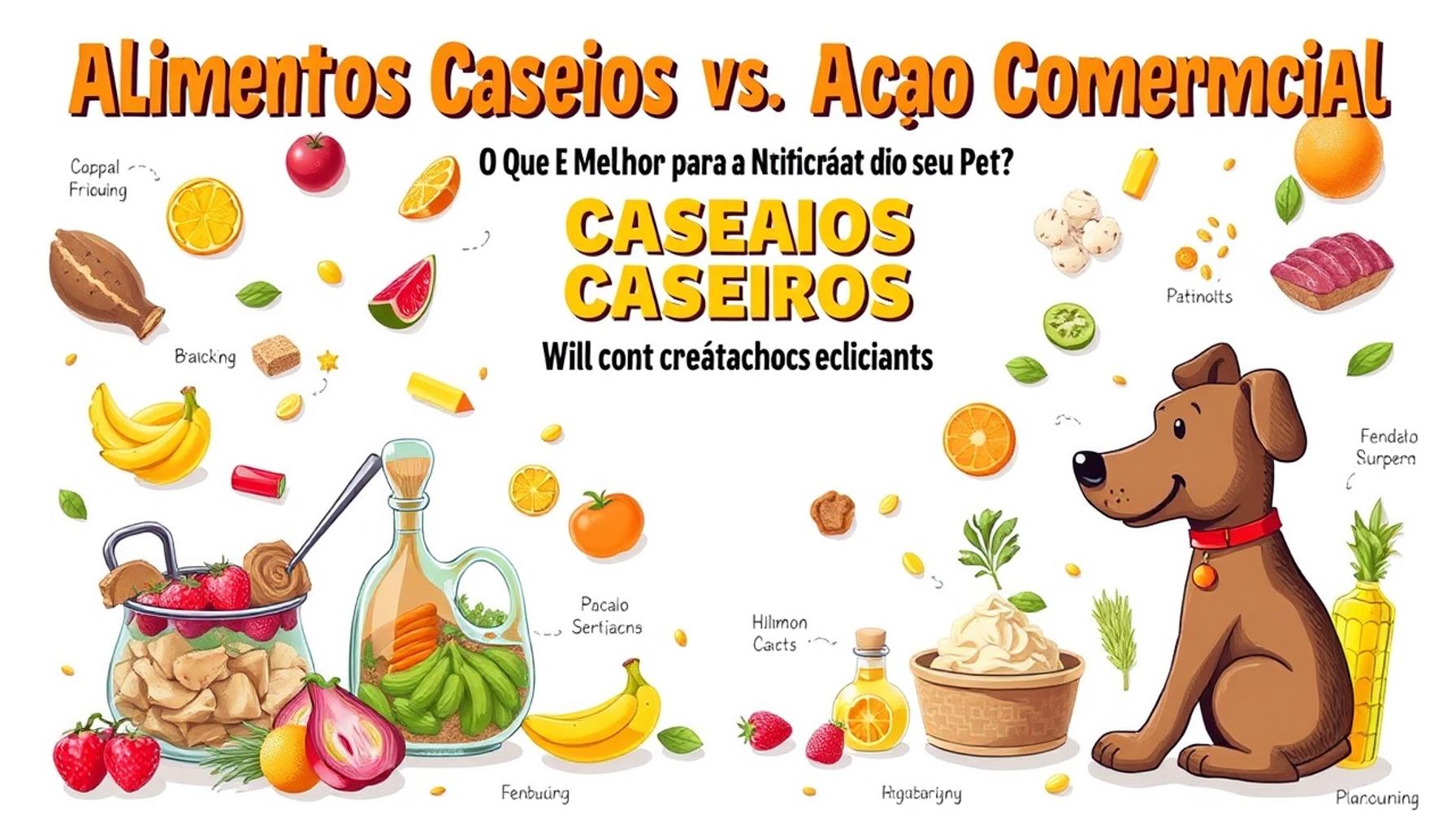
Choosing the Right Diet: Commercial vs. Homemade
As pet owners become more conscious of the impact of nutrition on the longevity and quality of life of their beloved companions, the question of diet type often arises. Should you opt for commercial pet food or venture into the world of homemade diets? Both options have their pros and cons, and understanding these can illuminate the best pathway for optimal pet health.
Commercial Pet Foods
One of the major advantages of commercial pet foods is the convenience they offer. Most commercial dog and cat foods are formulated by veterinary nutritionists to meet the specific dietary needs of different life stages. Labels on these products often indicate that they meet the standards set by the Association of American Feed Control Officials (AAFCO), which establishes benchmarks for essential nutrients. Moreover, many brands produce specialized diets designed for pets with health conditions like obesity, kidney disease, or food sensitivities.
However, the quality of commercial pet food can vary significantly. Pet owners should scrutinize ingredient labels, looking for high-quality protein sources as the first ingredient rather than fillers, such as corn or wheat. A pet food rich in whole ingredients, including fruits and vegetables, can enhance palatability and nutritional value, thereby promoting a better quality of life. Additionally, the rise of premium brands and organic options provides consumers with choices that can align better with holistic pet health.
Homemade Pet Diets
On the other hand, a homemade diet can give pet owners peace of mind regarding what their furry friends consume. This option allows for complete control over ingredients, potentially leading to healthier meals tailored to the individual pet’s nutritional needs. Ingredients like lean meats, vegetables, and grains can be incorporated into a balanced diet that supports longevity.
Nonetheless, crafting a balanced homemade diet can involve considerable challenges. It’s crucial for pet owners to consult with a veterinarian or a pet nutritionist to ensure the diet contains adequate proteins, carbohydrates, fats, vitamins, and minerals. Without the right expertise, it is easy to create a deficient diet that could negatively affect a pet’s health.
Portion Control and Feeding Practices
The way pet owners feed their pets can also significantly impact their well-being. Portion control is vital in maintaining a healthy body weight and preventing obesity. Studies have shown that overweight pets are at an increased risk for chronic health conditions, including diabetes, joint issues, and heart disease.
Implementing a regular feeding schedule can help mitigate overfeeding and create a structured routine for pets. Moreover, incorporating interactive feeding devices can stimulate mental engagement while allowing pets to eat at a slower pace, promoting digestion and reducing the risk of gastrointestinal issues.
The Importance of Hydration
Despite the focus on diet, pet owners often overlook one of the most critical aspects of pet health: hydration. Adequate water intake is essential for digestion, nutrient absorption, and overall bodily functions. Pet owners should ensure fresh, clean water is available at all times and consider adding wet food to their pet’s diet, which can increase moisture intake. This simple step can have far-reaching benefits, promoting kidney health and vitality.
As we dive deeper into the intricacies of pet nutrition, it becomes evident that making informed choices can lead to significant improvements in the longevity and quality of life for our beloved companions. Emphasizing the right balance of macronutrients, selecting high-quality food sources, and practicing mindful feeding habits will not only help pets live longer but will also enhance the joy they bring into our lives.
DISCOVER MORE: Click here to learn about the importance of socialization for your pet’s well-being
Conclusion: Embracing Nutrition for a Healthier Life
In summary, the exploration of nutrition’s impact on the longevity and quality of life of pets reveals a multifaceted and essential aspect of pet ownership that warrants careful consideration. The choices we make in selecting a diet—whether it be high-quality commercial food or meticulously crafted homemade meals—are fundamental to our pets’ overall health and happiness.
Moreover, understanding the critical role of portion control and hydration further underscores the importance of a holistic approach to pet care. These elements are not merely add-ons but pivotal components of a comprehensive strategy to combat obesity, promote healthy digestion, and support organ function. The evident link between nutrition and chronic disease prevention challenges pet owners to take proactive measures in ensuring their furry friends lead long, fulfilling lives.
As you reflect on your pet’s dietary habits, consider embracing the principles of informed choice. Researching ingredients, consulting with veterinary professionals, and staying updated on emerging nutritional guidelines will equip you with the knowledge necessary to make choices that enhance the well-being of your pets. The journey toward optimal pet nutrition is an enduring commitment, but the rewards—companionship, joy, and the presence of a healthy, vibrant animal—are undeniably enriching. In doing so, we not only extend their lifespan but also amplify the laughter and love they bring into our homes.