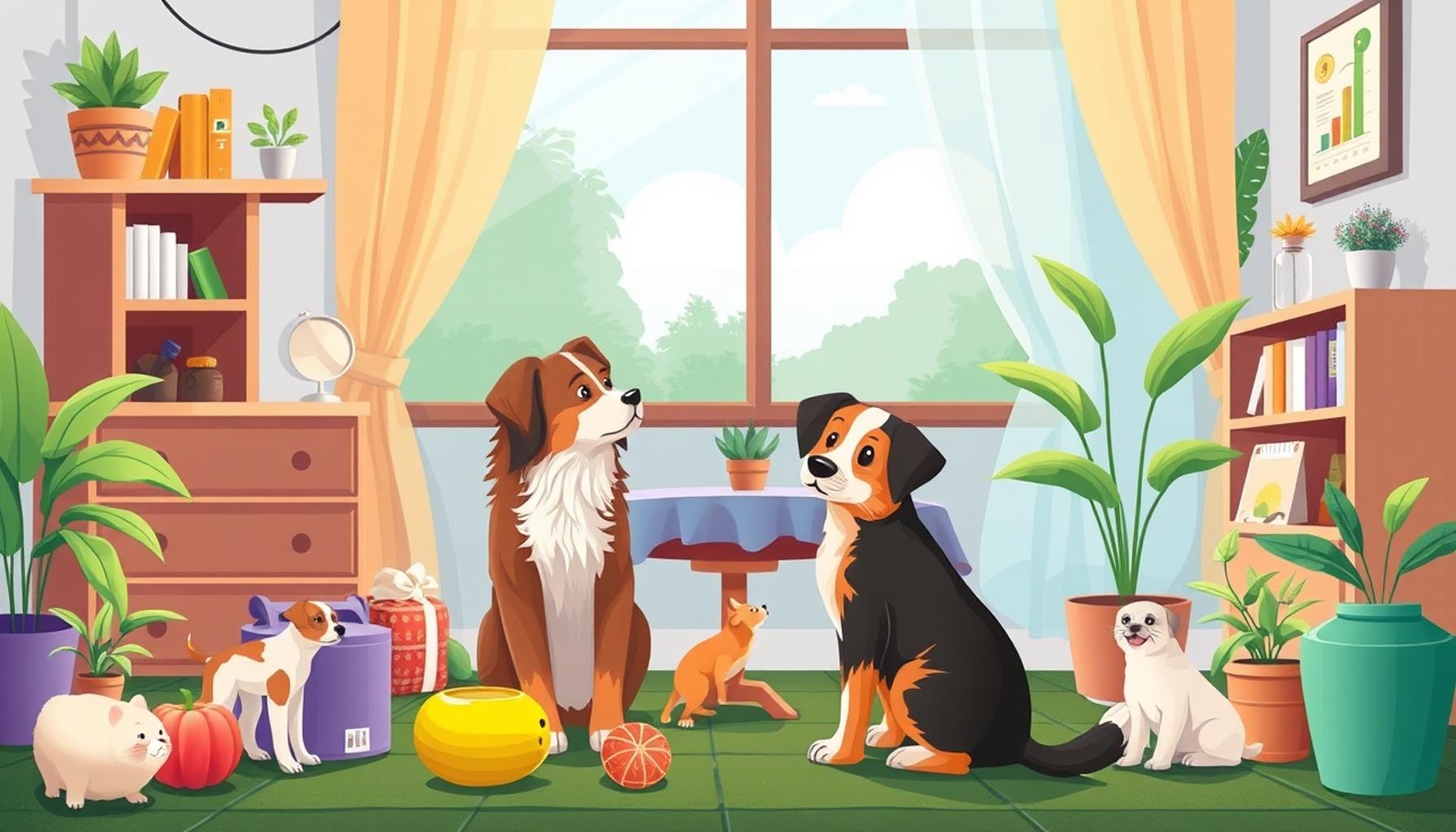
The Importance of Puppy Socialization for Healthy Behavior

The Importance of Early Socialization for Puppies
Puppy socialization is a vital part of canine development that lays the groundwork for how dogs interact with their environment and the creatures within it. From the moment they begin to explore the world around them, early exposure to a variety of stimuli—people, places, and other animals—can shape their future behavior and emotional health. Puppies are especially impressionable in their first few months of life, which is why this period is often referred to as the ‘sensitive period.’
Socialization encompasses many aspects, including:
- Positive interactions with other dogs: Meeting a diverse array of dogs allows puppies to learn important social cues and play behaviors. For example, visiting a dog park can provide opportunities for playful interactions that teach them how to communicate and establish dominance or submission within a safe context.
- Exposure to various people: It’s crucial for puppies to encounter individuals of all types—different ages, races, genders, and physical appearances. This can help foster tolerance and reduce fear of unfamiliar humans. For instance, exposing a puppy to children’s laughter or the sound of someone using a cane can prevent those stimuli from becoming sources of anxiety in adulthood.
- Experiencing different environments: Taking a puppy on car rides to bustling downtown areas, serene parks, and even crowded shopping centers helps them acclimate to different sights, sounds, and smells. This varied exposure prepares them for the myriad experiences they will encounter as adults.
Neglecting to provide socialization at this critical stage can result in several behavioral challenges. Common problems associated with poor socialization include:
- Aggression: Dogs that have not been properly socialized may react defensively to strangers or other animals, potentially leading to bites or fights.
- Fear-based reactions: Lack of exposure can result in fearful responses, such as cowering or growling, when confronted with new experiences or environments.
- Separation anxiety: Unsocialized puppies can develop a strong dependence on their owners and, consequently, exhibit distress when left alone, hindering their ability to cope with typical routines.
A study by the American Kennel Club highlights that socialized dogs tend to be happier and healthier, demonstrating a greater ability to adapt successfully to the family unit. Socialization is not merely a behavioral preventative measure; it plays a crucial role in building confidence and nurturing well-rounded canines. A well-socialized dog is less likely to develop problems as they grow, making them easier to train and integrate into family life.
In the upcoming sections, we will delve deeper into effective puppy socialization techniques and strategies to create a robust foundation for well-adjusted adult dogs. Emphasizing early socialization can lead to a lifetime of healthy behaviors, enriching both the dog’s life and that of its family.
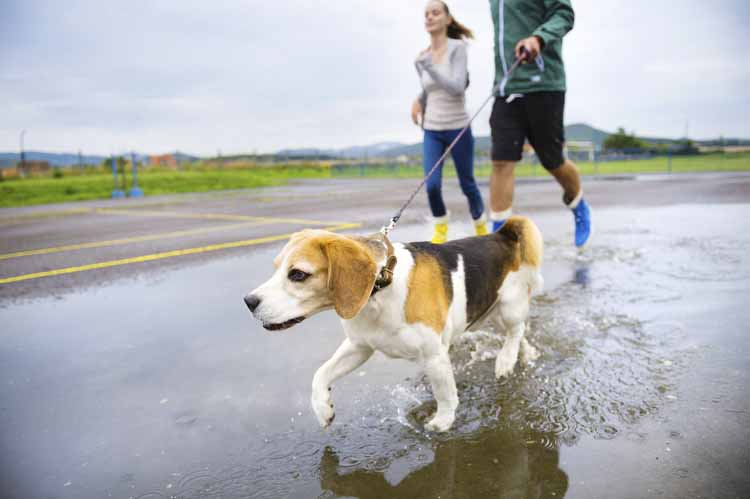
LEARN MORE: Click here for essential tips on pet adoption
Understanding the Socialization Window
The first few months of a puppy’s life represent a critical window for socialization, often described as the sensitive period, typically occurring between 3 to 14 weeks of age. During this time, a puppy’s brain is in a rapid state of development, making them particularly receptive to learning. This is why it’s essential for puppy owners to understand the importance of exposure to various experiences and environments, as it can greatly impact their future behavior.
One of the most significant benefits of early socialization is the opportunity for puppies to develop positive associations with their environment. These early, enriching experiences can foster trust and reduce the likelihood of fear or aggression later in life. Research shows that puppies who undergo proper socialization are more adaptable, confident, and ultimately become well-mannered adults.
The Key Components of Successful Socialization
Socialization is a multifaceted process that transcends mere exposure to the outside world. The following components are essential for effective puppy socialization:
- Variety of Environments: Puppies should be exposed to a range of settings—including busy streets, nature trails, and public transport. This exposure helps them learn how to navigate different situations calmly.
- Group Play Sessions: Interaction with other puppies allows for healthy play and communication. Group training classes or puppy parties provide protection under the guidance of a veterinarian or professional trainer who can ensure safe interaction.
- Sound Sensitivity Training: Puppies can be desensitized to sudden or loud noises by gentle exposure, preparing them to be relaxed around thunderstorms, sirens, or fireworks.
- Human Interaction: Incorporating many individuals, including children, elders, and those with varied physical characteristics, can promote a positive outlook on human interaction. Exposure to non-threatening individuals allows for a broader acceptance of people in general.
While positive experiences are crucial, it’s equally important to manage experiences carefully to avoid overwhelming a puppy. Too much exposure to stress-inducing stimuli can lead to a negative response—resulting in anxiety or aggression—rather than the desired effect of building confidence. Thus, gradual exposure is key.
The Role of Puppy Classes
Puppy socialization classes are invaluable for dog owners looking to establish a well-rounded dog. These classes provide puppies with a controlled environment to engage with other puppies while receiving guidance from professionals. In addition to learning basic commands, puppies also enjoy playtime, which is essential for refining their social skills.
According to studies by veterinary behaviorists, puppies enrolled in socialization classes are less likely to develop behavioral issues compared to those who are not. Furthermore, these classes provide owners with the tools and knowledge needed to continue positive reinforcement training methods at home.
Ultimately, early socialization opens the door to building a strong, trusting bond between the puppy and its owner. Providing a foundation of positive experiences will lead to a happier and healthier dog, setting the stage for a fulfilling life together.
The Importance of Puppy Socialization for Healthy Behavior
Puppy socialization plays a crucial role in shaping a dog’s personality, behavior, and overall well-being. A well-socialized puppy is more likely to grow into a confident, adaptable, and friendly adult dog, capable of handling various situations without fear or aggression. Socialization involves exposing puppies to different environments, people, and other animals during their formative months, typically between 3 and 14 weeks of age. This crucial development phase sets the foundation for a healthy relationship with humans and other pets.
When puppies are adequately socialized, they learn how to appropriately interact with their surroundings, which reduces the risk of developing behavioral issues later in life. For instance, puppies that experience a variety of sights, sounds, and smells are less likely to exhibit fear-based reactions to unfamiliar stimuli as adults. Socialization helps in reducing anxiety and aggression, promoting better behavioral choices. By establishing these positive experiences early on, owners can guide their puppies toward confident behavior.
| Category | Key Features |
|---|---|
| Positive Interactions | Engaging with various people and environments leads to trust and adaptability. |
| Behavioral Growth | Reduces fear and aggression, allowing for better social behavior and confidence. |
Moreover, ongoing socialization benefits dogs throughout their lives. Regular interaction with new dogs and people reinforces earlier positive experiences, enhancing their ability to adapt to changes and fostering emotional resilience. Owners are encouraged to take their puppies to parks, puppy classes, or dog-friendly events to enrich their social experiences.
To summarize, socialization is an essential and fun part of a puppy’s early life. It not only builds a foundation for healthy behavior but also enriches the bond between the dog and its owner. Recognizing the significance of socialization can empower owners to make proactive choices that lead to happy, well-adjusted dogs.
DISCOVER MORE: Click here for essential pet health tips
Long-term Benefits of Early Socialization
The significance of puppy socialization extends beyond the initial months of life; it plays a crucial role in shaping a dog’s long-term behavior and well-being. Many experts emphasize that the impact of proper socialization resonates throughout a dog’s life, influencing everything from temperament to adaptability. By investing time in the socialization process, owners can mitigate potential behavioral problems that may surface as their puppy grows.
One of the most pressing concerns for dog owners is the prevalence of behavioral problems. According to the American Veterinary Medical Association (AVMA), approximately 30% of dogs suffer from some form of behavioral issue. These challenges often stem from fear, anxiety, or aggression that could have been avoided with early exposure to a wide array of positive experiences. Behavioral issues can lead to regrettable situations, such as relinquishment or abandonment of pets, highlighting the significance of addressing these challenges from an early stage.
Building Confidence Through Social Engagement
Confidence is a key trait for well-adjusted dogs, and socialization plays a pivotal role in fostering this quality. When puppies participate in varied social interactions—whether with people or other animals—they learn to navigate their world with assurance. For example, a puppy that has been introduced to different dogs is less likely to exhibit fear or hostility when meeting other canines later in life.
As part of this social engagement, exposing puppies to both calm and exuberant dogs can help them distinguish different play styles, enhancing their social skills. Similarly, experiencing various environments helps them develop adaptability, allowing them to thrive in diverse situations, such as visiting family gatherings or taking public transportation.
The Impact of Isolation on Behavior
Conversely, puppies that lack proper socialization during this sensitive period may face lasting consequences. Isolation can lead to issues like separation anxiety, heightened fear of unfamiliar stimuli, and aggressive tendencies towards both humans and other animals. As reported by the American Kennel Club (AKC), over 80% of behavior problems stem from a lack of social exposure or positive experiences during early development. Consequently, the significance of encouraging social activities cannot be overstated.
Furthermore, fostering a positive attitude towards new experiences is vital for everyday encounters. For example, a puppy that is comfortable around various objects—such as vacuum cleaners, bicycles, or children’s toys—is less likely to react negatively when they encounter such items in their adulthood. The understanding of these dynamics reinforces the idea that early exposure leads to a resilient and easygoing demeanor.
Community Engagement as a Socialization Tool
Participating in community activities can also amplify a puppy’s socialization journey. Dog-friendly events, pet expos, or even local parks filled with dog owners offer ample opportunities for puppies to grow emotionally and socially. Engaging with a diverse mix of pet owners and their dogs can expose them to various training techniques, ensuring that they not only receive social reinforcement but also learn about the obedience and boundaries expected within social interactions.
Incorporating community resources like dog trainers, obedience schools, or even local shelters can enhance a puppy’s socialization journey. These platforms can provide structured environments wherein puppies learn through consistent practice while interacting with their peers. Thus, contributing to their overall well-being.
LEARN MORE: Click here for insights on puppy socialization
Conclusion: The Essential Role of Puppy Socialization
In summary, puppy socialization stands as a fundamental pillar in fostering healthy, well-adjusted behavior throughout a dog’s lifespan. From their formative weeks to becoming adults, a puppy’s exposure to diverse experiences shapes their emotional responses, adaptability, and social skills. The long-term benefits are evident; socially engaged puppies tend to grow into confident companions, significantly decreasing their risk of developing behavioral issues that often lead to anxiety or aggression.
The statistics are compelling—the American Veterinary Medical Association reports about 30% of dogs face behavioral concerns, with unaddressed socialization as a leading cause. This underscores the necessity of initiating social interactions as early as possible. As owners, facilitating positive experiences during this pivotal growth stage is not just a choice; it is a responsibility. Incorporating community resources and seeking opportunities for interaction can enrich a puppy’s social development.
Furthermore, acknowledging that isolation can lead to adverse behaviors, such as separation anxiety and fear-based responses, reinforces the need for proactive socialization. By ensuring our puppies are comfortable with various stimuli and environments, we cultivate resilient dogs capable of navigating their world with confidence.
Ultimately, investing in a puppy’s socialization journey is an investment in their future. It enhances not only their quality of life but also nurtures a harmonious relationship between dogs and their human companions. As we embark on this journey, let us commit to providing our puppies with the experiences, engagements, and love they need to thrive.