The Importance of Socialization in Dog Obedience

The Fundamental Role of Socialization in Dog Training
Every dog owner desires a well-behaved canine companion, but achieving dog obedience often hinges on one crucial element: socialization. This process is essential in shaping a dog’s behavior and ensuring they thrive in various environments. Understanding the importance of socialization can mean the difference between a dog that is friendly and calm and one that is fearful or aggressive.
Socialization refers to the exposure of dogs to different experiences, people, and other animals at an early age. It significantly impacts their ability to respond appropriately to surroundings and situations. Here’s why socialization is vital:
- Reduction of Anxiety: Proper socialization can help reduce fear-based behaviors. An unsocialized dog may perceive unfamiliar sounds, smells, or sights as threats, leading to fear, anxiety, or even aggression. For example, a dog that has never seen a skateboard may bark frantically at one, while a socialized dog may simply be curious.
- Improved Behavior: Socialized dogs are less likely to exhibit aggression or excessive barking. They are accustomed to being around different breeds and humans, reducing the likelihood of fear biting or territorial behaviors. For instance, a dog that regularly interacts with various small children will often be more tolerant and patient around them in the home or park.
- Better Adaptation: Well-socialized dogs adapt more easily to new environments and experiences. Whether traveling to new places, visiting the veterinarian, or being introduced to new household members, socialized dogs are generally more relaxed and adaptable. This adaptability is crucial during routine activities, like vet visits or trips to the dog park.
In fact, studies show that dogs who engage in positive social experiences during their formative weeks and months are more likely to develop into calm, well-adjusted adults. Proper socialization involves not only interaction with fellow dogs but also exposure to a variety of conditions. Consider the following:
- Meeting different breeds and sizes of dogs: Interacting with various breeds helps dogs learn appropriate social signals and behaviors.
- Interacting with people of all ages: Exposure to children, adults, and seniors allows dogs to understand and respond to different human behavior more effectively.
- Experiencing various sounds and environments: Whether it’s city traffic, construction noise, or simply being in a park during a busy afternoon, familiarizing dogs with diverse stimuli helps them remain calm in various settings.
In essence, the journey towards obedient dogs begins with effective socialization, making it an essential investment for any dog owner. Techniques such as organized puppy playgroups, training classes, and supervised encounters with other pets can be an invaluable part of this process. Are you ready to learn more about how to foster this crucial skill in your furry friend? The rewards of a well-socialized dog extend far beyond obedience—they enhance the quality of life for both the pet and its owner, opening doors to shared adventures and a deeper bond.
LEARN MORE: Click here to discover the benefits of socialization for your pets
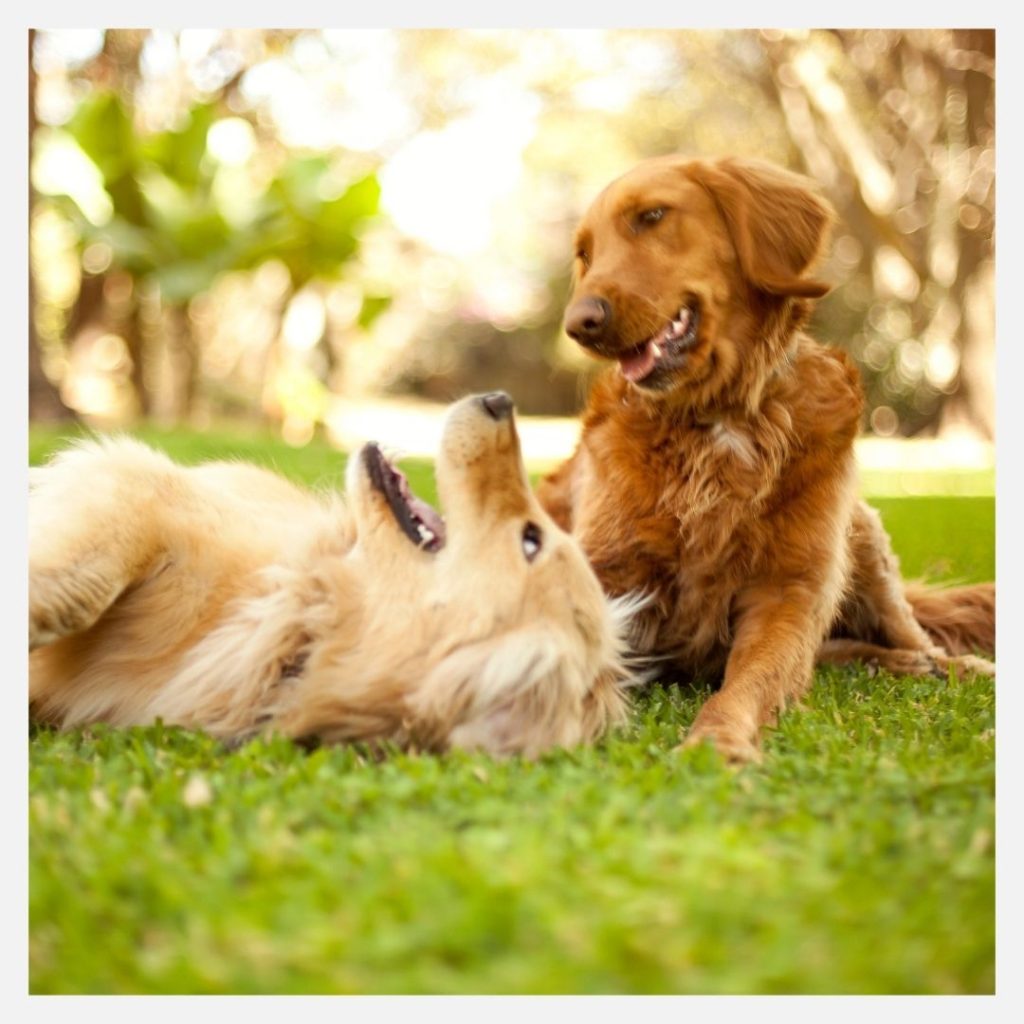
The Impact of Early Socialization on Behavior
When it comes to fostering a well-mannered dog, the significance of early socialization cannot be overstated. Puppies are particularly impressionable during their first few months of life, a critical period when their experiences begin to shape their future behavior. Engaging in positive socialization during this time sets the foundation for a confident and obedient adult dog, effectively reducing the likelihood of behavioral issues later on.
A vital component of socialization involves exposing dogs to a broad spectrum of people, animals, sounds, and settings. This exposure not only enriches their experiences but also helps them understand how to navigate complex social interactions. For example, a well-socialized puppy that frequently meets different types of dogs—ranging from large retrievers to smaller terriers—learns how to interpret various canine signals and body language, thereby promoting peaceful coexistence.
Yet, the benefits of socialization go well beyond interaction with fellow dogs. It encompasses several key aspects:
- Exposure to Diverse People: Introducing your dog to people of all ages, including children, adults, and the elderly, can demystify human behaviors that may otherwise provoke anxiety. Dogs that have positive encounters with children are often calmer and more patient, making familial interactions much more pleasant.
- Familiarity with Various Environments: Taking your dog to different locations—such as parks, crowded markets, or on public transport—helps them understand what to expect in unfamiliar places. A dog that is accustomed to different environments is likely to remain composed rather than panicking when faced with new situations.
- Acclimatization to Different Noises: Dogs often react unpredictably to loud or sudden sounds. By exposing them to different auditory stimuli, including construction noises, thunder, or the clatter of a lively street, you can equip them with the ability to stay calm rather than exhibiting fearful behavior.
As research suggests, dogs that are properly socialized during their formative weeks are more inclined to develop into well-adjusted, obedient adults. This highlights the necessity of integrating structured and safe social activities into their early development. Activities such as participation in puppy training classes or engaging with other vaccinated dogs in supervised environments not only provide the required social exposure but also reinforce essential training concepts that underpin obedience.
Furthermore, beyond the basic act of socialization, the quality of these interactions plays a crucial role in shaping a dog’s temperament. For example, positive experiences during encounters can engender trust and enhance a dog’s willingness to follow commands later in life. Conversely, negative or overwhelming experiences can lead to lasting phobias or behavioral tendencies that challenge obedience efforts.
Ultimately, the cultivation of a well-behaved dog begins with effective and comprehensive socialization strategies. As dog owners, it’s vital to view this not merely as an early obligation, but as an ongoing journey that enriches both the pet’s and the owner’s lives. The benefits of a socially adept dog bring immeasurable joy and facilitate lasting bonds between dogs and their families, paving the way for exciting adventures and cherished memories.
The Importance of Socialization in Dog Obedience
When it comes to dog training, socialization plays a critical role in shaping obedient and well-adjusted pets. A well-socialized dog is less likely to exhibit aggressive behavior, fear, or anxiety in unfamiliar situations. This fundamental aspect of dog development ensures that your furry friend can thrive in diverse environments, from bustling parks to crowded indoor spaces.Another significant advantage of socialization is enhanced communication between dogs and humans. Through consistent exposure to different people, dogs learn to interpret body language and cues effectively. This understanding fosters a stronger bond between the owner and the pet, ultimately leading to better obedience. Socialized dogs are often described as more confident and resilient, qualities that contribute to their overall well-being. These dogs are less prone to developing behavioral issues, which can arise from isolation or lack of exposure. As a result, the early investment in socialization not only benefits the dog but also enhances the owner’s experience by reducing challenges down the line.Engaging in regular socialization activities, such as puppy classes, playdates, and supervised outings, allows dogs to practice vital skills. Furthermore, exposure to varied stimuli helps dogs become adaptable, reducing anxiety in new or unexpected situations. By embracing the significance of socialization from an early age, owners lay the groundwork for a well-behaved companion who can navigate the world with ease.In conclusion, understanding and prioritizing socialization is crucial for fostering a disciplined and harmonious relationship between a dog and its owner. This essential step cannot be overlooked, as it directly impacts a dog’s ability to learn commands and react positively to training cues. Building a foundation of socialization isn’t just about obedience; it’s about nurturing a happy, confident, and adaptable dog ready to face life’s adventures.
| Advantages of Socialization | Key Benefits |
|---|---|
| Reduced Aggression | Socialized dogs are less likely to show aggression towards other animals or people, leading to a friendlier demeanor. |
| Improved Confidence | Regular interactions make dogs more self-assured, allowing them to handle stressful or novel situations calmly. |
| Enhanced Bonding | Socialization increases understanding between dogs and their owners, improving obedience and companionship. |
| Behavioral Stability | With a well-socialized background, dogs adapt better to various environments, significantly curtailing behavioral issues. |
DON’T MISS: Click here to learn about the benefits of a balanced diet for your pet
The Role of Continuous Socialization in Adult Dogs
While the early months are crucial for establishing a strong foundation, the journey of socialization in dog obedience doesn’t end when a puppy becomes an adult. In fact, continuous socialization remains a vital aspect of maintaining good behavior and reinforcing learned commands throughout a dog’s life. Adult dogs, just like their younger counterparts, can benefit significantly from regular exposure to new people, environments, and experiences. This ongoing interaction helps to prevent the development of anxiety, fear, and aggression that can arise from isolation or lack of engagement.
As dogs grow, their social needs evolve, which is why engaging in diverse activities is essential. For example, adult dogs participating in group training sessions not only sharpen their obedience skills but also continue to learn how to interact appropriately with others—both humans and canines. Such environments provide ample opportunities to practice commands in distractions-filled settings, reinforcing obedience amidst the chaos of a busy dog park or training facility.
Regularly scheduled encounters with different people and animals can further enhance a dog’s confidence. Research indicates that dogs exposed to various social situations tend to exhibit lower levels of stress and anxiety. Desensitization to novel situations—be it a bustling street fair, crowded pet stores, or unfamiliar pets—creates a resilient dog that adapts swiftly to change. For instance, a dog that routinely encounters skateboards, bicycles, or strollers will learn to associate these objects with positive experiences, significantly reducing the risk of fear-induced reactions.
A key area where socialization plays a profound role is in mitigating aggression. Studies have shown that dogs with a rich history of social interaction are less likely to show fear-based aggression in unfamiliar situations. Properly socialized dogs tend to exhibit better behavioral control and are more reliable in their responses to commands, which is essential for both their safety and the safety of those around them.
Engaging with a variety of canine personalities also fosters adaptability. Dogs learn to navigate various social dynamics, which can range from playful interaction to respectful solitude. This understanding of social hierarchies can be crucial during dog-to-dog interactions. For example, a well-socialized dog is more adept at reading signals like growls or posturing, leading to healthier playdates and lower chances of altercations.
Additionally, incorporating familiarization with unfamiliar settings enhances obedience. When dogs are accustomed to obeying commands in various locations, it reinforces the idea that obedience is not confined to the home environment. They are more likely to respond to commands like “sit,” “stay,” or “come” whether at the dog park or on a hiking trail. This adaptability is not just beneficial for training; it also ensures a more enriching experience for the dog, enabling them to participate actively in their owner’s lifestyle.
Ultimately, the importance of socialization in dog obedience extends far beyond the initial training period. It is an ongoing endeavor that requires commitment from dog owners to ensure their companions lead fulfilling, happy lives. By prioritizing continual social interactions and training opportunities, owners empower their dogs to thrive socially and behaviorally, fostering not just obedience but a harmonious relationship for years to come.
DISCOVER: Click here to learn more
Conclusion: Embracing Continuous Socialization for a Well-Behaved Dog
In conclusion, the significance of socialization in dog obedience cannot be overstated. It is a critical component not just during the formative puppy months but as a lifelong journey that empowers dogs to develop into well-adjusted companions. Continuous socialization shapes a dog’s ability to navigate the complexities of both human and canine interactions. By exposing them to various environments, experiences, and social dynamics, dog owners lay the groundwork for increased confidence and better behavioral responses.
The benefits of ongoing socialization ripple through nearly every aspect of a dog’s life, from reducing the risk of fear-based aggression to enhancing their adaptability in diverse situations. Dogs that regularly engage in social activities are more likely to respond reliably to commands, whether at home or out on an adventure. This consistent reinforcement of commands in various settings creates a more robust connection between obedience and the expectations of their owners.
Moreover, promoting an active social life for your dog is essential not just for behavioral outcomes but also for their overall well-being. Dogs that are socialized tend to enjoy happier, healthier lives filled with enriching experiences. By prioritizing ongoing training and social interactions, pet owners not only fulfill their responsibility as caretakers but also strengthen the bond they share with their canine friends.
Ultimately, understanding and appreciating the ongoing nature of socialization in dog obedience opens doors for further exploration. As dog enthusiasts, we should consistently seek out new opportunities to engage our furry companions, ensuring their development continues long into adulthood. This journey not only rewards us with obedient partners but also enriches the lives of the dogs we cherish.