The Importance of a Balanced Diet for Pet Health
The Importance of Proper Pet Nutrition
A balanced diet is crucial for the overall health and well-being of our pets. Just like humans, pets require a variety of nutrients to thrive, and these nutrients play different roles in maintaining their health. A well-rounded diet can lead to improved vitality, a shiny coat, increased energy levels, and ultimately a longer and happier life. It is essential for pet owners to understand what their furry companions need to flourish.
Essential Components of a Balanced Diet
Understanding what constitutes a balanced diet for pets can be overwhelming, especially with the myriad of options available. Here are some essential components to consider:
- Protein: Protein is necessary for muscle development and repair. Meat, fish, eggs, and legumes are rich sources of protein that help dogs and cats maintain lean muscle mass and support their immune systems. For example, chicken is a common ingredient in many commercial pet foods due to its high protein content and palatability.
- Fats: Fats provide energy and support cell function, acting as a beneficial source of essential fatty acids. Omega-3 and Omega-6 fatty acids, found in fish oil and flaxseed, are particularly important for promoting healthy skin and a shiny coat. Pet owners may notice that their pets’ coats become dull with inadequate fat intake.
- Vitamins: Vitamins play vital roles in immune function and growth. For instance, Vitamin E acts as an antioxidant, helping to combat oxidative stress. B vitamins are crucial for energy metabolism. A varied diet incorporating fruits and vegetables, such as carrots and blueberries, can help ensure that pets receive these essential micronutrients.
- Minerals: Minerals are critical for bone health and metabolic processes. Calcium and phosphorus are foundational for strong bones, while a range of other minerals, like zinc and iron, supports various functions, from oxygen transport to enzyme activity.
- Fiber: Fiber aids in digestion and promotes gut health. Ingredients such as pumpkin and sweet potatoes can provide beneficial fiber, which helps regulate bowel movements and can alleviate digestive disorders.
Consequences of Neglecting Nutrition
The consequences of neglecting pet nutrition can be severe. Feeding pets an imbalanced diet may result in serious health issues:
- Obesity: A growing concern affecting millions of pets in the United States. Overweight pets are at risk for diabetes, joint pain, and reduced lifespan. It is crucial to monitor portion sizes and maintain a well-formulated diet to prevent obesity.
- Dental Issues: Poor nutrition can lead to gum disease and other dental problems. Feeding pets high-quality kibble may help in reducing plaque buildup as the friction of chewing can clean their teeth naturally.
- Allergies: Certain diets may trigger allergic reactions, leading to symptoms like itching, gastrointestinal upset, or chronic ear infections. It is essential to identify and eliminate allergens, possibly through an elimination diet under the guidance of a veterinarian.
Enhancing Your Pet’s Quality of Life
By educating ourselves about pet nutrition and implementing a balanced diet, pet owners can significantly enhance their furry friends’ quality of life. Animal healthcare professionals, dietary consultants, and the wealth of information available can assist pet owners in crafting the best nutritional plans tailored to their pets’ needs. Stay tuned as we dive deeper into the specifics of pet nutrition and explore various dietary options available today, ensuring that your pets lead the healthiest and happiest lives possible.
DISCOVER MORE: Click here to learn about the benefits of animal companionship
Key Considerations in Pet Nutrition
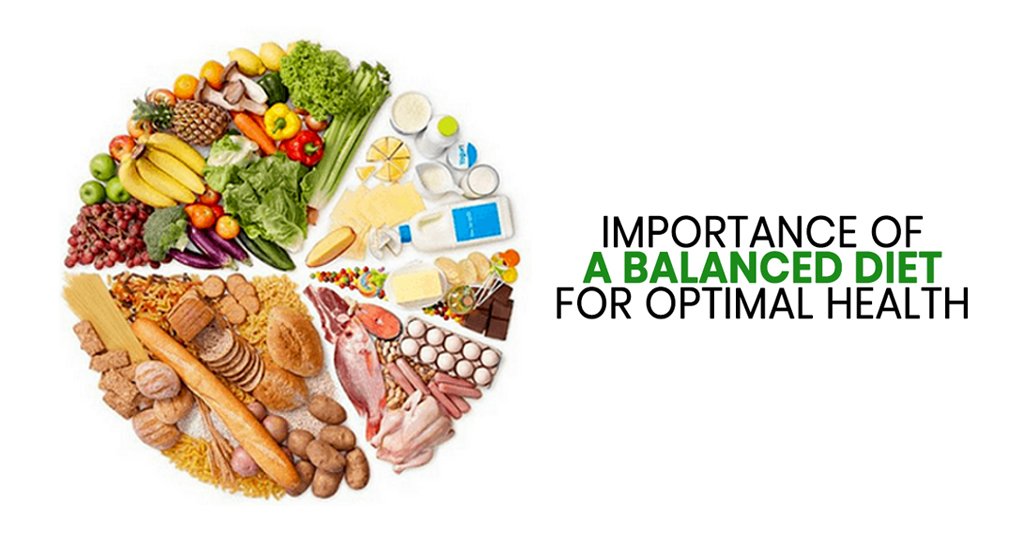
As responsible pet owners, it’s crucial to grasp the intricate balance of nutrients that comprise a healthy diet for our furry friends. A well-balanced diet goes beyond just satisfying hunger; it involves providing pets with the optimal blend of nutrients necessary for their growth, energy, and overall health. Understanding these key components creates the foundation for maintaining your pet’s well-being and can significantly affect their quality of life.
Customizing Diets to Meet Individual Needs
No two pets are alike, and their dietary needs can vary significantly based on several factors, including age, size, breed, and activity level. Here are some key areas pet owners should consider:
- Life Stage: Puppies and kittens require more protein and calories than adults to support their rapid growth and development. Similarly, senior pets may benefit from diets that ease digestion and focus on joint health, as they tend to be less active.
- Size and Breed: Larger breeds may demand different nutrient ratios compared to smaller breeds. For example, some large breed dogs might require lower fat diets to help mitigate the risk of obesity-related health issues.
- Activity Level: Active pets, such as working dogs and those frequently engaging in play, often require more calories and protein to support their energy expenditure, while less active pets may need a diet formulated for weight management.
In focusing on these factors, pet owners can tailor their animals’ diets to suit individual needs, further enhancing the benefits of a balanced diet.
Understanding Pet Food Labels
The plethora of pet food options available today can leave many owners confused, especially when it comes to deciphering pet food labels. Investigating the ingredients listed is essential, as they can indicate the quality and nutritional value of the food offered. Look for high-quality, named protein sources, such as chicken, beef, or fish, as the main ingredient. Moreover, avoid foods that list fillers like corn or wheat as primary ingredients, as these often lack the essential nutrients pets need.
Additionally, ensure that the food has been tested for nutritional adequacy by an organization like the Association of American Feed Control Officials (AAFCO). This certification signifies that the food meets the minimum dietary requirements for your pet’s life stage.
Feeding pets the right food is not merely a matter of preference; it is paramount for preventing health issues arising from poor nutrition. By fostering a keen awareness of this vital aspect of pet care, pet owners can take an active role in their companions’ health and longevity, paving the way for a brighter, healthier future.
| Nutritional Benefits | Health Impacts |
|---|---|
| Enhanced Immune System | A balanced diet supports a robust immune system, protecting pets from infections and diseases. |
| Weight Management | Proper nutrition helps maintain healthy body weight, preventing obesity-related health issues. |
| Improved Digestion | A fiber-rich diet promotes better digestion, reducing gastrointestinal problems. |
| Healthy Skin and Coat | Essential fatty acids and nutrients contribute to vibrant skin and a shiny coat. |
A balanced diet is critical for overall pet health. It not only fulfills their basic nutritional needs but also plays a vital role in combating diseases, maintaining physical fitness, and enhancing their quality of life. Keeping your pet’s diet well-rounded can lead to a more energetic and happy companion. As pet owners, understanding the importance of incorporating various food groups can transform your furry friend’s well-being. The mechanics behind such impact is fascinating; observing how specific nutrients convert into health benefits is a compelling journey worth taking. Don’t miss out on exploring how proper nutrition can extend your pet’s lifespan and ensure their happiness.
LEARN MORE: Click here for essential resources
Common Nutritional Deficiencies and Their Impact
Understanding the importance of a balanced diet also involves recognizing potential nutritional deficiencies that can plague pets when their dietary needs are not adequately met. Many pet owners may unknowingly feed their pets diets that lack essential nutrients, leading to health problems down the line. Below are some common deficiencies and the issues they can cause:
- Protein Deficiency: Proteins are the building blocks of your pet’s body. Insufficient protein can lead to muscle wasting, weakened immune functions, and loss of energy. Dogs, in particular, require higher protein levels based on their activity level and breed-specific needs.
- Fatty Acid Deficiency: Omega-3 and Omega-6 fatty acids are critical for a pet’s skin, coat health, and cardiovascular function. A lack of these nutrients can lead to dry skin, excessive shedding, and even inflammation of the joints.
- Vitamin Deficiencies: Vitamins such as A, D, E, and K support numerous physiological functions. Vitamin A deficiency can lead to vision problems, while a lack of Vitamin D can hinder calcium absorption, resulting in bone issues. Pets requiring specific vitamins often rely on a balanced diet to provide these essentials.
- Mineral Deficiencies: Minerals like calcium and phosphorus play crucial roles in bone health and metabolic processes. A deficiency can lead to structural problems in bones, particularly in growing puppies and kittens, who need a precise balance of these nutrients to develop normally.
Addressing these deficiencies through a well-balanced diet can prevent severe complications and foster a healthier, more active life for pets.
Choosing the Right Diet: Consult a Veterinarian
One of the most effective ways to ensure your pet is receiving a balanced diet is to consult a veterinarian or a veterinary nutritionist. These professionals can evaluate your pet’s specific dietary needs based on physical examinations, health history, and even lifestyle factors such as activity level and living conditions.
Veterinarians can also help you to navigate the overwhelming array of commercial pet foods, guiding you towards high-quality brands tailored for your pet’s individual requirements. Whether a pet is a fussy eater or has allergies, a professional can suggest diet modifications to ensure they receive the proper nutrients without compromising taste.
The Role of Supplementation
While a balanced diet should provide the necessary nutrients, some pets may benefit from supplementation. Supplements can be particularly valuable for pets with specific health conditions, age-related issues, or dietary restrictions. Common supplements include:
- Probiotics: These help maintain a healthy gut flora, supporting digestion and overall health.
- Glucosamine and Chondroitin: These are often recommended for senior pets or those with active lifestyles to promote joint health.
- Vitamins: Additional vitamin supplementation can sometimes be warranted in pets diagnosed with specific deficiencies.
However, supplementation should be approached cautiously; an excess of vitamins and minerals can lead to toxicity and health complications. Consequently, pet owners should always work closely with their veterinarian when considering dietary supplements.
Recognizing the importance of a balanced diet for pet health equips owners with the knowledge to promote longevity and vitality in their beloved companions. This proactive approach not only enhances your pet’s quality of life but also deepens the bond you share through the care you provide.
DISCOVER MORE: Click here for advanced strategies and solutions
Conclusion: The Cornerstone of Pet Health
In summary, a balanced diet is pivotal for maintaining both the physical and mental well-being of pets. The variety of nutrients that pets require—ranging from proteins and fatty acids to vitamins and minerals—plays a significant role in promoting vitality and longevity. Improper nutrition can lead to a host of health issues, including deficiencies that undermine your pet’s quality of life and their ability to thrive. Therefore, it becomes essential for pet owners to be proactive about their pets’ dietary needs.
Consulting a veterinarian to determine the most suitable dietary options ensures that pets receive the specific nutrients tailored to their life stage, health status, and lifestyle. Moreover, while dietary supplements can be beneficial for some pets, they should never substitute a balanced diet without professional guidance.
As we become more informed about pet nutrition, it’s evident that the responsibility extends beyond just feeding. Understanding how to choose high-quality food options and recognizing the signs of nutritional deficiencies empower pet owners. Embracing this knowledge can dramatically enhance your pet’s life, ensuring they remain playful companions and active family members for years to come. Ultimately, the commitment to a nutrient-rich diet reflects a genuine love for your pets, fostering a lasting bond built on health and happiness.