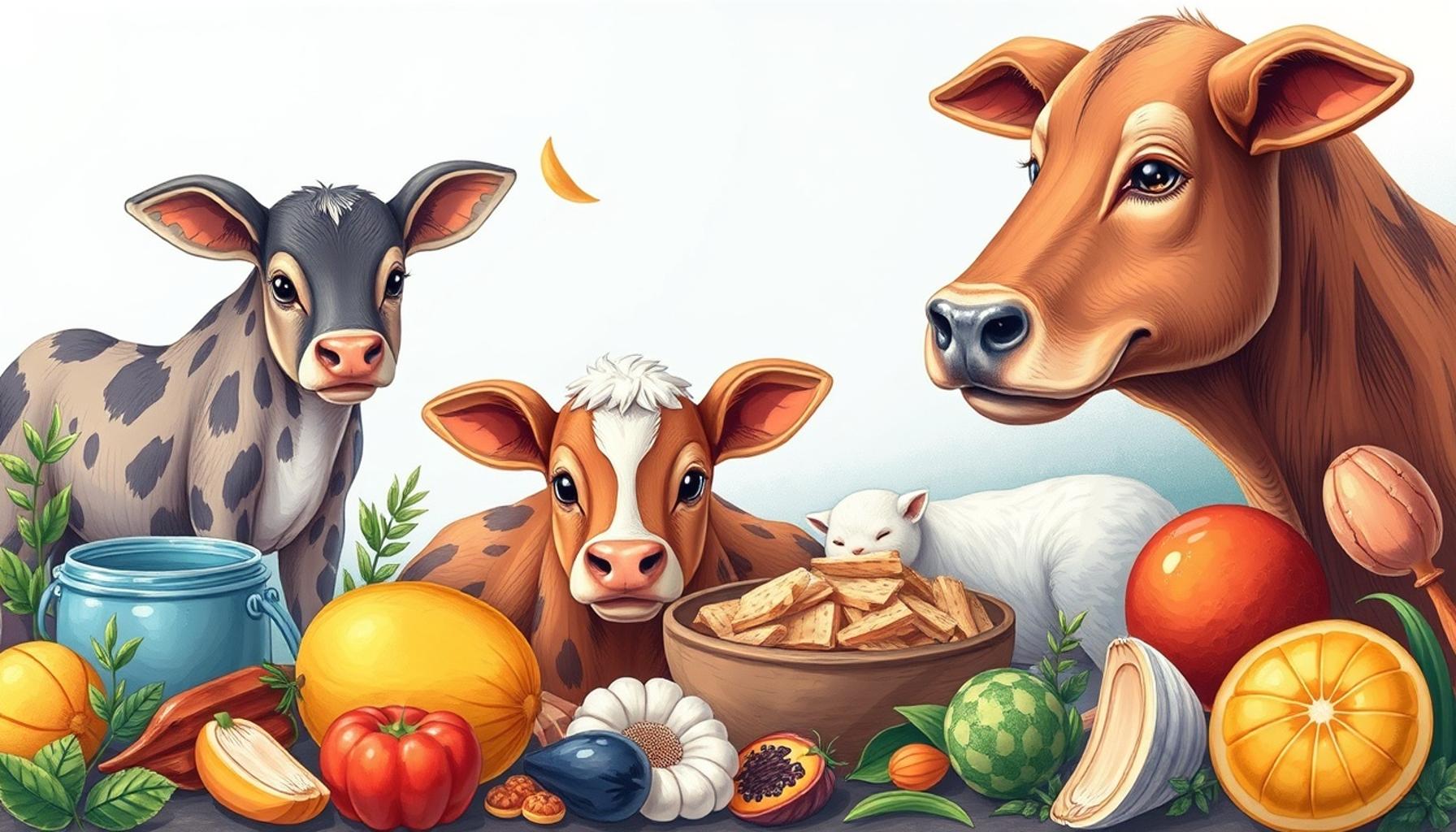
The Importance of a Balanced Diet for Pet Health: Essential Nutrients That Cannot Be Lacking

The Importance of Proper Nutrition for Your Pets
A balanced diet is not merely an option, but a necessity for pets, just as it is for humans. The health and happiness of your furry companions largely depend on the quality of their nutrition. Providing a diet rich in essential nutrients forms the cornerstone of a vibrant, fulfilling life for your pet, influencing everything from energy levels to long-term health outcomes.
So, what exactly constitutes a balanced diet for pets? Understanding the vital components of pet nutrition can help pet owners make informed decisions. Here are some fundamental elements that should never be overlooked:
- Proteins: These are essential for muscle growth and repair, serving as the building blocks of your pet’s body. High-quality meat sources such as chicken, beef, or fish provide the amino acids necessary for maintaining muscle integrity. Dogs, for instance, thrive on diets that include at least 18% protein, while cats, being obligate carnivores, often require upwards of 30%.
- Fats: Healthy fats are vital for providing energy and supporting cell function. Omega-3 and Omega-6 fatty acids, commonly found in fish oils and flaxseed oil, promote a shiny coat and healthy skin. A proper ratio of these fats boosts immune function and assists in nutrient absorption.
- Vitamins and Minerals: These nutrients are crucial for immune function, bone health, and overall wellbeing. Vitamins A, D, E, and various B vitamins play specific roles in maintaining health and preventing disease. For instance, Vitamin E is a powerful antioxidant that helps combat oxidative stress, while calcium and phosphorus are essential for bone health.
The consequences of an unbalanced diet can be serious and multifaceted. Many pet owners may notice issues such as:
- Obesity or malnutrition: These are two sides of the same coin and can lead to severe health complications like diabetes and joint problems.
- Skin and coat problems: Poor nutrition can result in dull, brittle fur and increased skin irritations.
- Behavioral changes and inactivity: When pets lack essential nutrients, they may become lethargic or exhibit behavioral issues stemming from discomfort or health struggles.
In the United States, a significant number of pet owners are unaware of how dietary deficiencies can severely impact their pets’ longevity and quality of life. Chronic health problems, often preventable with the right dietary choices, continue to rise, raising concerns among veterinarians and animal nutritionists alike.
Diving deeper into the essentials of pet nutrition empowers you as a responsible pet owner. By understanding these key components, you enrich not only your pet’s life but also the cherished bond you share. Consider consulting with a veterinarian or a pet nutritionist to tailor a diet specific to your pet’s needs. Educating yourself and making proactive choices will lead to healthier, happier lives for your beloved companions.

DIVE DEEPER: Click here to learn about the crucial role of socialization in your dog’s obedience
Understanding Essential Nutrients in Pet Nutrition
When it comes to fostering a long, healthy life for your pets, a balanced diet loaded with the right nutrients is indispensable. Each category of nutrients plays a pivotal role in your pet’s overall wellness, and neglecting any of them can lead to significant health issues. Beyond just filling their bowls, pet owners need to be aware of the intricate web of vitamins, minerals, proteins, and fats that form the foundation of pet nutrition. Here’s a detailed look at the essential nutrients that should not be lacking in your pet’s diet:
- Carbohydrates: Often overlooked, carbohydrates are an excellent source of energy for pets. They contribute to digestive health and can be found in grains and vegetables. Ingredients like brown rice, sweet potatoes, and peas provide dietary fiber, which aids in digestion and helps maintain a healthy weight.
- Water: While not a nutrient in the traditional sense, water is vital for life. Dehydration can lead to serious health complications in pets just as it can in humans. Ensuring your pet has constant access to fresh, clean water is crucial for proper digestion, nutrient absorption, and overall bodily functions.
- Amino Acids: Dogs and cats require specific amino acids that they cannot synthesize themselves. For example, taurine is crucial for cats and is linked to heart health. A lack of essential amino acids can lead to serious health issues, including a weakened immune system and poor muscle condition.
- Fatty Acids: Essential fatty acids like Omega-3 and Omega-6 are not only pivotal for obtaining energy but also crucial for skin health, inflammation control, and cognitive function. Supplements or food sources rich in these fatty acids, such as fish oil, can work wonders in maintaining a glossy coat and reducing skin irritations.
Moreover, understanding these nutrients goes hand in hand with recognizing the consequences of dietary deficiencies. For instance, a diet low in calcium can impede bone development in young pets or exacerbate arthritis in older animals. Similarly, insufficient vitamins can lead to complications such as vision problems or a weakened immune system.
Statistics reveal that nearly 60% of pets in the United States are overweight or obese, a worrying trend that can often be traced back to improper nutrition. With pet obesity comes a slew of related health issues, including diabetes, heart disease, and joint problems. As such, it’s becoming increasingly clear that a balanced diet filled with essential nutrients isn’t just a guideline—it’s a necessity for a long and thriving life.
In conclusion, a rich understanding of pet nutrition empowers owners to make choices that directly influence their pet’s health. Be proactive and consult with your veterinarian or a certified pet nutritionist to ensure that your pet’s dietary needs are being met efficiently. Your pet’s diet can be a window into their health, and what you choose to feed them can mean the difference between a happy pet and a struggling one.
The Essential Nutrients Your Pet Needs
In the quest for optimal pet health, understanding the significance of a balanced diet is paramount. Just like humans, pets require a variety of nutrients to thrive. Each nutrient plays a vital role in maintaining various bodily functions and ensuring overall well-being. Here’s a closer look at some of the key nutrients that cannot be lacking in your pet’s diet:
1. Proteins
Proteins serve as the building blocks for your pet’s body, contributing to muscle development, tissue repair, and a robust immune system. High-quality protein sources, such as animal meats, fish, and eggs, should be prioritized in your pet’s food. These not only provide essential amino acids but are also more readily digestible than plant-based proteins.
2. Fats
Healthy fats are essential for energy, skin and coat health, and the absorption of fat-soluble vitamins. Omega-3 and Omega-6 fatty acids play a crucial role in reducing inflammation and promoting cognitive function. Including sources like fish oil can offer significant health benefits, including shiny coats and healthy joints.
3. Carbohydrates
Although often overlooked, carbohydrates provide an excellent energy source for pets. They also aid in digestion and can help in the absorption of other nutrients. However, it’s essential to choose high-quality carbohydrates, such as whole grains and vegetables, to prevent health issues related to excess sugars or fillers.
4. Vitamins and Minerals
Vitamins and minerals support countless biochemical reactions in your pet’s body. For instance, Vitamin A maintains eye health, while Calcium is vital for bone strength. Ensure your pet’s food contains a balanced mix of these micronutrients to support their health.
5. Water
While often fabled, the importance of hydration cannot be understated. Fresh water should always be available. It’s crucial for digestion, absorption of nutrients, and regulation of body temperature.
Conclusion
In conclusion, consistently ensuring your pet receives these essential nutrients will lead to enhanced vitality and longevity. However, formulating the ideal diet can be challenging; therefore, consulting with a veterinarian can provide individualized recommendations tailored to your pet’s specific needs, ensuring they remain happy and healthy for years to come.
| Nutrient Type | Importance |
|---|---|
| Proteins | Essential for muscle development and immune support. |
| Fats | Provide energy and support skin and coat health. |
| Carbohydrates | Excellent energy source and aid in digestion. |
| Vitamins | Support various bodily functions and overall health. |
| Water | Necessary for hydration and digestion. |
LEARN MORE: Click here to discover how to use nutritional supplements safely for your pets
Consequences of Nutritional Deficiencies in Pets
While the importance of a balanced diet cannot be overstated, it is equally crucial to understand the potential repercussions of nutrient deficiencies in your pets. Pets that lack essential vitamins, minerals, and other nutrients can suffer from a host of health problems that may affect their quality of life and longevity. Therefore, pet owners must remain vigilant about their pets’ dietary needs.
For instance, let’s consider the role of vitamin A. This vitamin is vital for vision, skin health, and immune function. Cats, in particular, need pre-formed vitamin A, which is predominantly found in animal tissues. A deficiency in this vitamin can lead to severe vision problems or even permanent blindness. Similarly, dogs who do not receive adequate amounts may experience skin disorders or reproductive issues.
Another essential nutrient to be mindful of is vitamin D. Unlike humans, dogs and cats need to obtain this vital vitamin through their diet. Insufficient vitamin D levels can impair calcium absorption, leading to weakened bones and conditions such as rickets in puppies or osteomalacia in adult dogs. This underscores the importance of checking pet food labels for balanced levels of this nutrient.
- Iron: Iron deficiency can lead to anemia in both cats and dogs, causing lethargy, weakness, and a reduced immune response. Symptoms may include pale gums and decreased activity levels, signaling the need for immediate dietary adjustments.
- Folic Acid: This vitamin is essential for the formation of red blood cells and the synthesis of DNA. A deficiency in folic acid can lead to developmental issues in young pets or anemia in adults, making it imperative to confirm that their diet contains sufficient levels.
Moreover, the American Kennel Club (AKC) estimates that nearly 10% of pets in the United States experience some form of dietary-related health issues. This statistic highlights the critical link between nutrition and pet health. Problems like allergies, skin irritations, and gastrointestinal disturbances can often stem from inadequate or inappropriate diets.
Additionally, the specialized dietary needs of pets must not be overlooked. For instance, certain breeds may require tailored nutrition to help manage inherited health issues. Large dog breeds like Great Danes and German Shepherds are particularly susceptible to hip dysplasia, and nutritional management that includes the right balance of calcium and phosphorous can mitigate such concerns. In contrast, smaller breeds might need diets higher in protein to maintain their energy levels.
Recent studies indicate that proper pet nutrition can also influence mental health and behavior. For example, DHA (docosahexaenoic acid), an Omega-3 fatty acid commonly found in fish oil, has been linked to improved cognitive function in older pets. Enhancing your pet’s brain health through their diet could help stave off conditions like canine cognitive dysfunction syndrome (CDS), which is akin to dementia in humans.
Ensuring that your pet receives a balanced diet filled with these essential nutrients is more than just good practice; it’s foundational to preventing many potential health issues. By taking the time to research and consult with professionals, pet owners can provide their furry companions the healthiest and happiest life possible.
DISCOVER MORE: Click here to learn about the importance of socialization in puppy training
Conclusion: Elevating Pet Health Through Balanced Nutrition
In conclusion, the significance of a balanced diet for pet health cannot be understated. Essential nutrients such as vitamins, minerals, and fatty acids play critical roles in supporting various physiological functions and ensuring overall well-being. As we’ve examined, deficiencies in vital nutrients can lead to serious health issues, from vision problems in cats due to inadequate vitamin A to bone disorders in dogs from insufficient vitamin D. Pet owners must stay informed about their pets’ specific dietary needs, recognizing that every pet is unique and may require tailored nutrition depending on breed, age, and health conditions.
The startling statistic that nearly 10% of pets in the U.S. face dietary-related health issues serves as a reminder of the close relationship between nutrition and health. Rather than viewing pet nutrition as a simple checklist, it should be approached with the same diligence and care devoted to the nutrition of humans. This means scrutinizing ingredient labels, consulting with veterinary professionals, and understanding the specific requirements of your furry companions.
Furthermore, as emerging research highlights the connection between diet and mental health in pets, providing a nutritionally sound diet may not only boost physical health but also enhance cognitive functioning and emotional well-being. Ultimately, prioritizing a balanced diet filled with essential nutrients is one of the most impactful decisions any pet owner can make. By fostering a nurturing relationship through nutrition, pet owners can significantly elevate their pets’ quality of life, leading to happier, healthier years together.