Animal-Assisted Therapy: Benefits for Emotional and Physical Health
The Impact of Animal-Assisted Therapy on Health and Well-Being
Across cultures and ages, animals have been viewed as integral members of human life, offering companionship, protection, and even joy. Animal-assisted therapy (AAT) has emerged as a respected field that harnesses this age-old bond for therapeutic purposes, showing remarkable promise in enhancing mental, emotional, and physical health.
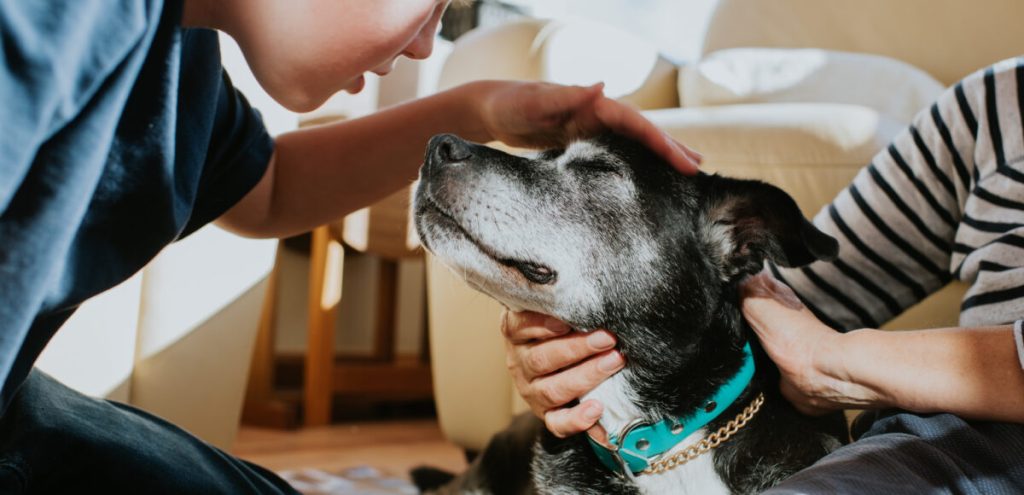
Numerous studies have shown that interactions with animals can lead to significant improvements in a variety of health parameters. For example, reduced stress and anxiety have been widely documented. A simple act such as petting a dog or cat can trigger the release of oxytocin, the “bonding hormone,” which counters stress by lowering cortisol levels. AAT is particularly beneficial in clinical settings; patients undergoing treatments often report feeling calmer and more centered when therapy animals are present.
Additionally, enhanced social interactions are another critical benefit of AAT. Animals serve as social catalysts, effectively breaking down barriers between individuals. In schools, therapy dogs have been shown to help shy children engage more readily with peers, enhancing communication skills and building friendships—an essential aspect of childhood development. AAT programs in senior care facilities likewise have improved socialization among residents, helping mitigate feelings of loneliness and isolation.
Moreover, the physical benefits of AAT cannot be underestimated. Engaging with animals can lead to improved mobility and physical health. For instance, individuals with disabilities or chronic conditions may find that interacting with animals encourages them to participate in physical activities they might otherwise shy away from. Patients recovering from surgery often enjoy the motivational boost that comes from caring for an animal, which can lead to increased movement and rehabilitation success.
In the United States, various AAT programs are making strides in different environments such as schools, hospitals, and rehabilitation centers. These programs showcase a diverse range of therapy animals, including dogs, cats, rabbits, and even horses in equine therapy settings. Tailored to cater to specific therapeutic goals, these programs recognize that not all individuals will respond the same way to every type of animal.
The marriage of companionship and healing through AAT presents a captivating frontier for further exploration. As research continues, the understanding of how these incredible animals act as natural healers deepens. It becomes increasingly clear that they offer far more than simple comfort; they are instrumental in fostering genuine health improvements and enhancing the quality of life for countless individuals.
As awareness of the benefits of animal-assisted therapy spreads, we invite readers to explore these programs, consider their potential, and possibly even participate in local initiatives. The journey into the healing capabilities of our furry friends is just beginning, and the possibilities are as limitless as the pets that inspire them.
DISCOVER MORE: Click here to learn about nutrition’s role in pet longevity
Key Benefits of Animal-Assisted Therapy
Animal-assisted therapy (AAT) has become a beacon of hope for many, particularly those dealing with emotional and physical challenges. The approach integrates trained animals into therapeutic practices, leveraging their innate ability to connect with humans. As research and clinical practice converge, a clearer picture of the multifaceted benefits of AAT emerges, highlighting its significant role in supporting mental and physical health.
One of the most notable emotional benefits of AAT is stress reduction. Interaction with animals can create a safe space for individuals to express their feelings and experiences. The presence of a therapy animal, such as a dog or cat, can lower anxiety levels, making it easier for individuals to open up during therapy sessions. Studies suggest that patients who engage in AAT show a notable decrease in heart rate and blood pressure, which are direct indicators of reduced stress. This calming influence is particularly beneficial for individuals suffering from post-traumatic stress disorder (PTSD) or other anxiety-related disorders.
Alongside emotional relief, AAT encourages increased engagement and movement among participants with physical impairments. For instance, programs often involve activities like walking a therapy dog or grooming a rabbit, which actively engage individuals in low-impact physical exercises. These activities not only promote mobility but also allow participants to build essential motor skills. In rehabilitation settings, physical therapists have noted that patients who participate in AAT often exhibit higher motivation levels to adhere to their prescribed physical activity regimens.
Key Advantages of Animal-Assisted Therapy
- Enhanced Emotional Connection: Animals can form deep, comforting bonds, offering emotional support that is sometimes difficult to find in human interactions.
- Decreased Feelings of Loneliness: AAT encourages social interaction, helping those in residential care settings connect with both the animals and fellow residents.
- Increased Motivation: Engaging with animals can inspire individuals to pursue rehabilitation goals, enhancing overall recovery rates.
- Improved Mental Clarity: The simple act of petting an animal has been shown to increase focus and cognitive function in individuals undergoing healing or treatment.
Moreover, AAT has proven beneficial in children and adolescents, particularly in educational environments. Therapy animals have been introduced in schools as part of mental health initiatives designed to support students facing emotional distress, learning disabilities, or behavioral challenges. The presence of a friendly animal can drastically change a child’s disposition, fostering a nurturing atmosphere where discussions about feelings and challenges can occur more freely.
As AAT continues its journey in the United States, professionals in various fields recognize its potential as a complementary approach to conventional therapies. With the growing body of evidence supporting its effectiveness, interest in animal-assisted programs is on the rise. This surge in popularity comes as more therapists and healthcare providers aim to incorporate these compassionate creatures into treatment plans, seeking to capitalize on the numerous health benefits they offer.
| Advantage | Description |
|---|---|
| Emotional Regulation | Animal-assisted therapy can significantly enhance emotional awareness and regulation, helping individuals manage anxiety and depression. |
| Physical Wellness | This therapy can aid in reducing blood pressure and improving overall physical health through engaging activities with animals. |
| Social Skills Development | Interactions with therapy animals often enhance social cohesion, promoting better communication skills among participants. |
Animal-assisted therapy provides therapeutic benefits in various domains, targeting both emotional and physical health improvements. Participants often find that through engaging with an animal, they are prompted to express themselves, addressing feelings often left unspoken. Additionally, studies suggest that regular interaction with therapy animals can foster resilience and coping skills in participants, making it easier to manage daily stressors and enhancing quality of life.Moreover, the physical benefits cannot be overlooked; studies have indicated that these interactions may lead to lower levels of cortisol, a stress hormone, and increased oxytocin levels, promoting feelings of joy and tranquility. With animals providing unconditional support and companionship, individuals can experience a pathway to improved mental and emotional wellbeing, encouraging an overall more fulfilling life.Exploring animal-assisted therapy opens the door to a range of innovative opportunities that can transform traditional therapeutic approaches, making them more effective and engaging for those in need of holistic health solutions.
DISCOVER MORE: Click here to uncover inspiring transformations
Enhancing Quality of Life Through Animal-Assisted Therapy
Beyond emotional and physical advantages, Animal-Assisted Therapy (AAT) plays a pivotal role in improving the overall quality of life for participants. A significant aspect of this therapeutic approach is its ability to foster social connections. In group therapy settings, therapy animals can serve as a bridge, helping individuals with social anxieties build relationships with others. As they engage in activities that center around the animal, participants often find common ground, enabling conversations that might not arise in traditional therapy environments. This interaction can alleviate feelings of isolation, particularly in elderly or disabled individuals who may struggle to connect with their peers.
Another vital benefit of AAT lies in its impact on pain management. Research indicates that interacting with therapy animals can reduce the perception of pain. The endorphin release triggered by petting, cuddling, or playing with an animal creates a natural analgesic effect, which can significantly aid individuals suffering from chronic pain or undergoing medical treatments. For patients receiving chemotherapy, for example, studies have shown that incorporating therapy animals into their treatment regimen can lead to reduced pain levels and improved overall comfort during challenging procedures.
AAT also extends to individuals battling severe illnesses, such as cancer, diabetes, or heart disease. Patients in hospital settings have reported improvements in their emotional well-being when therapy animals are present. The emotional support from these animals can enhance resilience by alleviating stress and anxiety associated with medical situations. Hospitals across the United States have begun integrating therapy animal programs, recognizing their power not only to comfort but also to elevate the healing process during hospital stays.
Research and Implications of AAT
The scientific community is increasingly validating the effectiveness of AAT through rigorous research and clinical trials. A study published in the journal PLOS ONE indicated that AAT significantly decreased anxiety and enhanced mood among patients with mental health struggles. The findings suggest that the presence of animals can trigger positive biochemical responses in humans, promoting feelings of happiness and connectedness.
Additionally, the rise of telehealth services has presented opportunities for AAT to adapt to a virtual format. Online therapy sessions that include animal interactions, albeit remotely, have begun showing promise as an innovative approach. While the experience may not fully replicate in-person interactions, patients report that virtually engaging with therapy animals can reduce anxiety and foster emotional support during times of isolation.
As we look ahead, it is clear that the integration of animals in therapeutic practices is not merely a trend, but rather a critical component in holistic health care strategies. AAT’s broad spectrum of benefits—from emotional support to physical rehabilitation—underscores the complex ways humans and animals can engage meaningfully to enhance well-being. As research continues to unfold, the potential for AAT to evolve and expand in various settings is promising, providing hope and healing for a diverse range of patients.
The exploration of how therapy animals can positively influence human health is an intriguing field that continues to garner interest and investment. As therapists and healthcare providers harness the innate bond between humans and animals, open-minded approaches to treatment are paving the way for more inclusive, compassionate care.
LEARN MORE: Click here to find out why a balanced diet is essential for your pets
Conclusion: The Transformative Power of Animal-Assisted Therapy
In conclusion, Animal-Assisted Therapy (AAT) emerges as a powerful ally in the pursuit of emotional and physical well-being. Through its multifaceted approach, AAT not only enhances healing and recovery processes but also enriches the overall quality of life for individuals. As documented in numerous studies, the therapeutic presence of animals reduces stress and anxiety, alleviates pain, and fosters emotional resilience, offering a comforting reminder of the profound bond between humans and animals.
With the integration of AAT observed in various settings—from hospitals and rehabilitation centers to schools and private practices—the implications for mental health and physical recovery are becoming increasingly clear. The evidence supports the assertion that therapy animals can facilitate authentic social connections, dispelling feelings of loneliness and isolation while empowering individuals to express themselves more freely.
Looking to the future, the adaptation of AAT in a virtual format through telehealth services encourages exploration and innovation, ensuring that emotional support can reach those in need, regardless of physical barriers. These developments beckon a new era of therapeutic practices, where the innate companionship of animals can be leveraged to support holistic healing.
As research continues to unveil the extensive benefits of AAT, it is crucial for healthcare providers to embrace this inclusive approach to treatment. By doing so, they can pave the way for broader acceptance and understanding of the healing potential that lies within the gentle companionship of therapy animals. In nurturing the invaluable connection between species, we celebrate comprehensive care that addresses not only the body but also the heart and mind.