The Benefits of Animal-Assisted Therapy in Physical and Mental Rehabilitation
The Healing Influence of Animal Companionship
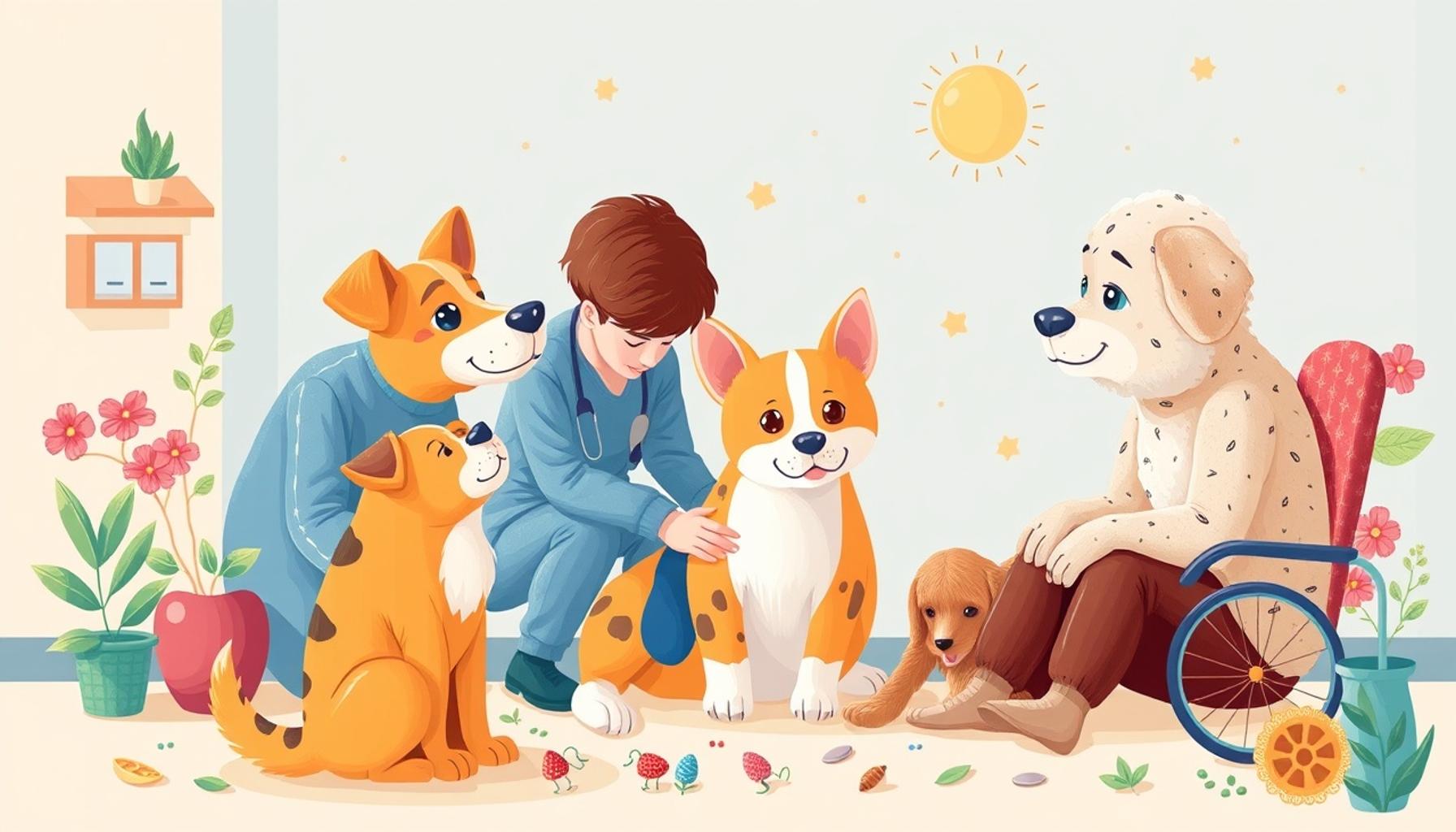
In recent years, the concept of animal-assisted therapy has gained significant traction in the realms of physical and mental rehabilitation. This innovative approach leverages the intrinsic bond between humans and animals, facilitating healing across a diverse array of therapeutic settings. From hospitals to rehabilitation centers and even private therapy practices, animals play a crucial role in enhancing the recovery experience for patients.
The Emotional Connection
One of the remarkable aspects of this therapy lies in its ability to provide emotional support to patients. Animals, especially dogs and cats, often provide a comforting presence that can significantly alleviate feelings of loneliness and anxiety. For instance, therapy dogs visiting nursing homes or hospitals not only bring joy but also act as social catalysts, encouraging interactions among patients. A study conducted by the University of Florida found that engagement with therapy animals can decrease feelings of depression and increase happiness among elderly patients.
Enhancement of Physical Rehabilitation
The benefits of animal-assisted therapy extend beyond emotional support. In the context of physical rehabilitation, interacting with animals can encourage mobility and enhance physical skills. Consider a scenario where a patient recovering from surgery is motivated to walk again by the playful antics of a therapy dog. Structured activities, such as feeding or grooming the animal, can improve fine motor skills, increase strength, and encourage patients to partake in movement that they might otherwise resist.
Stress Reduction
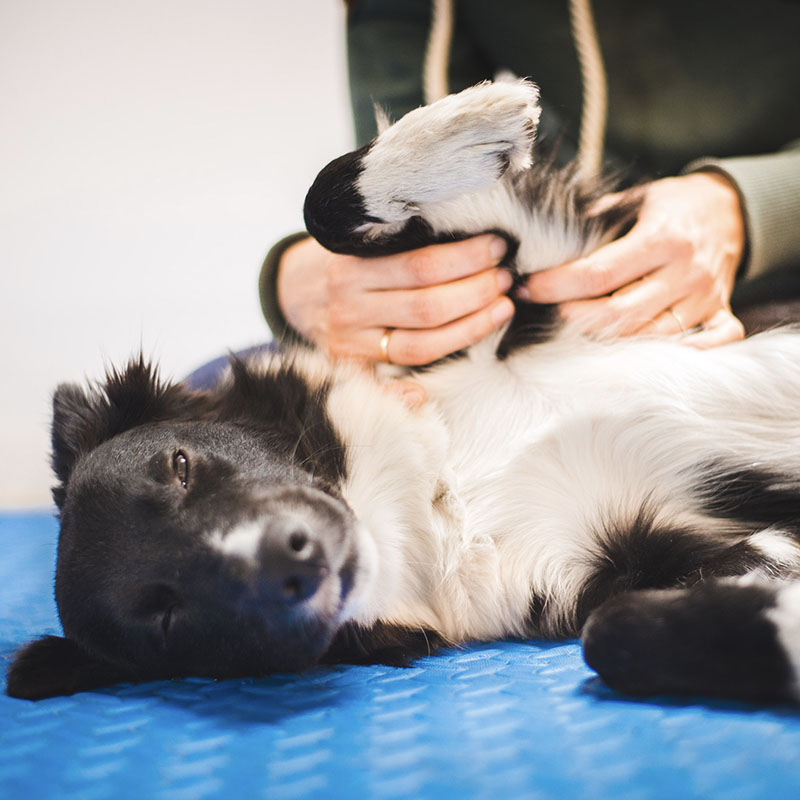
Another compelling aspect of animal-assisted therapy is its potential for stress reduction. The simple act of petting an animal can trigger the release of oxytocin, a hormone associated with bonding, while simultaneously lowering cortisol levels, a key stress hormone. According to research from the American Journal of Critical Care, patients in critical care settings who interacted with therapy animals reported lower stress levels and enhanced satisfaction with their medical care.
Impact on Recovery Times
Studies consistently indicate that patients engaged in animal-assisted therapy experience quicker recovery times and greater overall satisfaction with their treatment outcomes. Those undergoing physical rehabilitation find that tasks become more engaging and enjoyable, while mental health patients often use animals as vital emotional anchors during their therapeutic journey. This natural synergy between human and animal not only promotes a sense of well-being but also cultivates an environment ripe for healing.
Future Possibilities
As we explore the multifaceted dimensions of animal-assisted therapy, it becomes clear that integrating animals into therapeutic practices opens intriguing avenues for enhancing recovery. Beyond traditional methodologies, this holistic approach encourages both curiosity and hope. Whether it’s through structured programs in hospitals, informal interactions in community centers, or private therapy sessions, the presence of animals holds transformative potential for countless individuals seeking healing.
By examining the robust data supporting animal-assisted therapy, healthcare providers, patients, and families alike can discover new pathways for rehabilitation that not only uplift spirits but also foster profound emotional and physical healing. The journey towards recovery can be enhanced dramatically through the extraordinary bond shared between humans and animals, reminding us all of the remarkable power of connection.
DISCOVER MORE: Click here for personalized nutrition tips
Unveiling the Therapeutic Benefits
Animal-assisted therapy (AAT) serves as a bridge between the realms of emotional healing and physical recovery, creating an enriching experience for those in rehabilitation. This dynamic interaction with animals is not just about companionship; it taps into the profound psychological and physiological responses that can transform the healing process. Research continues to expand our understanding of how these interactions can promote well-being, offering a diverse range of benefits that appeal to various patient demographics.
Physical Rehabilitation Boost
In the realm of physical rehabilitation, the integration of therapy animals can be a game-changer. Patients recovering from injuries or surgeries often face mental barriers that hinder their progress. Interacting with therapy animals can boost motivation levels, encouraging patients to engage in physical activities they might otherwise avoid. The playful, low-pressure nature of these interactions prompts patients to participate more fully in their rehabilitation programs.
- Enhancement of Mobility: Activities involving animals, such as walking a dog, can help individuals regain their mobility in a less intimidating environment.
- Improvement of Motor Skills: Engaging with animals through grooming or feeding can enhance fine motor skills, thereby aiding recovery.
- Social Interaction: Animals can serve as social catalysts, encouraging patients to connect with others, fostering an environment of support.
Mental Health Advantages
Animal-assisted therapy also offers profound benefits in the realm of mental health. The emotional connection formed between humans and animals creates a unique therapeutic environment that promotes feelings of safety and comfort. This is particularly impactful for individuals dealing with anxiety, depression, or trauma. The presence of a therapy animal can invoke a calming effect, reducing the intensity of emotional distress and prompting a more favorable therapeutic atmosphere.
Moreover, studies indicate that patients involved in AAT report increased levels of emotional stability and cognitive function. The interaction with animals fosters a sense of purpose and can alleviate loneliness, making it especially beneficial for elderly populations or those in long-term care settings. For example, hospice facilities often utilize therapy animals to lift the spirits of residents, facilitating moments of joy during challenging times.
Research-Backed Insights
Numerous studies validate the beneficial impact of animal-assisted therapy, revealing a complex interplay between physical activity, emotional well-being, and recovery times. Research published in journals such as the Journal of Rehabilitation Research and Development emphasizes that patients engaged in AAT often experience:
- Lower levels of pain.
- Reduced frequency of negative behaviors.
- Faster healing periods in comparison to traditional treatment methods.
These tangible benefits underscore the therapeutic potential of the human-animal bond, illuminating pathways for comprehensive care in both physical and mental health contexts. As healthcare providers continue to harness this integration, animal-assisted therapy stands as a promising adjunct in the complex tapestry of rehabilitation practices.
The Benefits of Animal-Assisted Therapy in Physical and Mental Rehabilitation
Animal-Assisted Therapy (AAT) has emerged as a powerful support mechanism in both physical and mental health rehabilitation. By integrating animals into therapeutic environments, AAT provides a unique approach to enhancing recovery processes. This therapeutic intervention has shown significant benefits that extend beyond traditional methods.
In physical rehabilitation, the presence of therapy animals can motivate patients to engage in physical activities that they might otherwise avoid. For instance, walking a dog can improve mobility and encourage patients to exercise due to the animal’s enthusiasm and companionship. Furthermore, the unconditional support provided by animals can alleviate feelings of frustration and helplessness, fostering a more positive rehabilitation experience.
On the mental health front, interactions with therapy animals can significantly reduce anxiety and depression levels. Research indicates that simply petting or spending time with an animal releases oxytocin—commonly known as the “bonding hormone”—which can promote emotional healing. For individuals suffering from post-traumatic stress disorder (PTSD) or severe anxiety, therapy animals can create a sense of safety and grounding that facilitates healing and connection.
Below is a summary table showcasing the advantages of Animal-Assisted Therapy in rehabilitation:
| Category | Details |
|---|---|
| Physical Rehabilitation | Encourages movement and exercise through engaging activities with therapy animals. |
| Mental Health Support | Reduces anxiety and depression, providing emotional support and a sense of security. |
Overall, Animal-Assisted Therapy presents various compelling benefits that can enhance both the physical and mental rehabilitation processes, creating an innovative and supportive atmosphere for recovery.
LEARN MORE: Click here for essential pet care tips
Expanding the Therapeutic Landscape
As we delve deeper into the complexities of animal-assisted therapy (AAT), it becomes clear that its efficacy extends far beyond basic physical and emotional support. AAT has found its niche across various populations, including children with disabilities, veterans coping with post-traumatic stress disorder (PTSD), and patients navigating chronic illnesses. Each of these groups experiences unique benefits from the interaction with therapy animals, showcasing the versatility of this innovative therapeutic approach.
Utilization in Pediatric Rehabilitation
In the realm of pediatric rehabilitation, AAT can play a pivotal role in facilitating healing and development. Children, who often struggle to articulate their feelings, may find it easier to express themselves in the presence of a gentle animal. The therapeutic bond can serve as a non-threatening medium through which they can navigate their emotions and stresses. For instance, children with autism spectrum disorders have demonstrated improvements in social skills, verbal communication, and emotional regulation when engaged in structured AAT sessions.
- Skill Development: As children interact with animals, they enhance their cognitive and motor skills through activities that promote engagement and creativity.
- Reduced Anxiety: The unconditional love from therapy animals can help decrease anxiety levels, enabling children to better cope with medical procedures or hospital stays.
- Greater Engagement: Children are often more willing to participate in rehabilitation exercises when a therapy animal is present, embodying a sense of adventure and curiosity.
AAT for Service Members and Veterans
Amid a growing recognition of mental health challenges among veterans and service members, animal-assisted therapy has emerged as a valuable resource. AAT programs tailored for these individuals often include trained service dogs or therapy animals that specifically address the symptoms of PTSD. Research highlights that these animal interactions can significantly decrease feelings of isolation and anxiety that veterans frequently experience.
In structured settings, therapy animals can introduce a sense of normalcy and companionship. By fostering a safe space for emotional expression, AAT enables veterans to process their experiences while also cultivating essential coping skills.
- Restoration of Routine: The responsibilities involved in caring for a therapy animal can help veterans establish a daily routine, bringing structure to their lives.
- Enhanced Social Skills: Participating in group therapy sessions with animals encourages camaraderie and interaction, allowing veterans to forge connections with peers.
- Emotional Resilience: Interactions with therapy animals can amplify feelings of trust and security, empowering veterans to confront their feelings and experiences with renewed confidence.
Addressing Chronic Illness through AAT
Moreover, patients grappling with chronic illnesses, such as cancer or arthritis, have reported significant improvements in their mental and emotional well-being through animal-assisted therapy. The mere presence of a therapy animal can help reduce perceived pain levels and create a comforting distraction from the challenges of their condition.
Studies show that AAT not only alleviates stress but can also enhance the patient’s overall quality of life. As patients interact with animals, they often experience an uplift in mood and a notable decrease in feelings of despair.
- Increased Physical Activity: Engaging with therapy animals can encourage patients to partake in gentle physical exercises, which can mitigate the effects of chronic pain.
- Community and Connection: AAT fosters opportunities for patients to bond over shared experiences, forging meaningful relationships and reducing social isolation.
- Disease Management: The emotional uplift provided by therapy animals may lead to better adherence to treatment protocols and improved patient outcomes.
The budding interest in animal-assisted therapy is prompting healthcare providers to incorporate this holistic approach into rehabilitation programs more widely, promising a brighter future for countless individuals navigating the challenges of recovery.
DIVE DEEPER: Click here to learn how to manage those tricky pet behaviors
Conclusion: The Transformative Power of Animal-Assisted Therapy
In summary, the integration of animal-assisted therapy (AAT) into physical and mental rehabilitation is proving to be a transformative approach that resonates with diverse populations, from children facing developmental challenges to veterans tackling the aftermath of trauma. The myriad benefits associated with AAT—ranging from enhanced emotional resilience and social skills to increased engagement in therapeutic activities—underscore its potential to bridge the gap between traditional rehabilitation methods and holistic healing practices.
The unique bond formed between individuals and therapy animals transcends the limitations often encountered in conventional therapeutic settings, particularly for those who struggle with expressing their feelings. The gentle presence of animals can profoundly ease anxiety, promote trust, and foster a sense of belonging, which is crucial for effective recovery.
As the body of research supporting AAT continues to grow, healthcare providers are encouraged to adopt this innovative therapy widely in rehabilitation programs. This melding of compassionate care with empirical support highlights the necessity for a paradigm shift in how we approach recovery and wellness. Expanding awareness of the multidimensional benefits of AAT will not only enrich patient experiences but will also pave the way for future studies and potential advancements in therapeutic techniques.
Ultimately, the journey toward improved health—both physically and mentally—can be greatly enhanced through the inclusion of therapy animals, illustrating a remarkable synergy between human and animal interactions. As we continue to uncover the depth of these relationships, the potential for AAT to impact lives positively remains boundless, inviting individuals and healthcare systems alike to explore this unique avenue of support and recovery.