
Personalized Nutrition for Pets: How to Choose the Ideal Diet for Your Animal

Understanding Your Pet’s Dietary Needs
Selecting the right diet for your pet is critical for maintaining optimal health, supporting their growth, and enhancing their overall quality of life. In recent years, the concept of personalized nutrition for pets has emerged as a groundbreaking approach that caters to the unique needs of individual animals. This tailored diet takes into account various factors such as age, breed, activity level, and health conditions, ensuring that your furry companion receives the most suitable nutrients for their specific lifestyle.
But what makes personalized nutrition so significant? Let’s delve deeper into its key benefits:
- Unique Nutritional Needs: Each pet is different. A Great Dane has vastly different nutritional requirements compared to a Chihuahua. Their size affects their energy needs, so it is essential to choose food that aligns with their specific metabolic rates and life stages.
- Health Issues: Many pets deal with allergies or dietary sensitivities that require tailored food formulations. For example, a dog with a grain allergy may benefit from a grain-free diet that uses alternative carbohydrate sources like sweet potatoes or peas.
- Weight Management: With obesity becoming increasingly prevalent in pets, individualized diets can play a crucial role in maintaining a healthy weight. Utilizing specialized nutritional plans can help prevent weight-related health issues and promote longevity.
In addition to understanding the unique requirements of your pet, it’s vital to recognize the role of different ingredients in their diet. Let’s explore some critical components:
- Proteins: Proteins serve as the building blocks for growth and provide essential energy. High-quality protein sources like chicken, fish, and lamb promote muscle development and overall vitality.
- Fats: Healthy fats are crucial for maintaining a shiny coat and healthy skin. Omega-3 and Omega-6 fatty acids derived from fish oil can significantly improve skin conditions.
- Vitamins and Minerals: These micronutrients are indispensable for various bodily functions, including immune responses and cellular repairs. For instance, Vitamin E is known for its antioxidant properties, supporting your pet’s overall health.
Embracing the world of personalized nutrition for pets not only helps to ensure that they enjoy a balanced and nutritious diet, but also reinforces the bond between you and your furry friend. By investing time to understand their individual needs, you can enhance their life quality and happiness. Are you eager to discover the best dietary options and strategies for your beloved pet? Join us on this journey to provide them with the optimal nutrition they deserve!
DISCOVER MORE: Click here to learn about the importance of socialization for your pet’s well-being
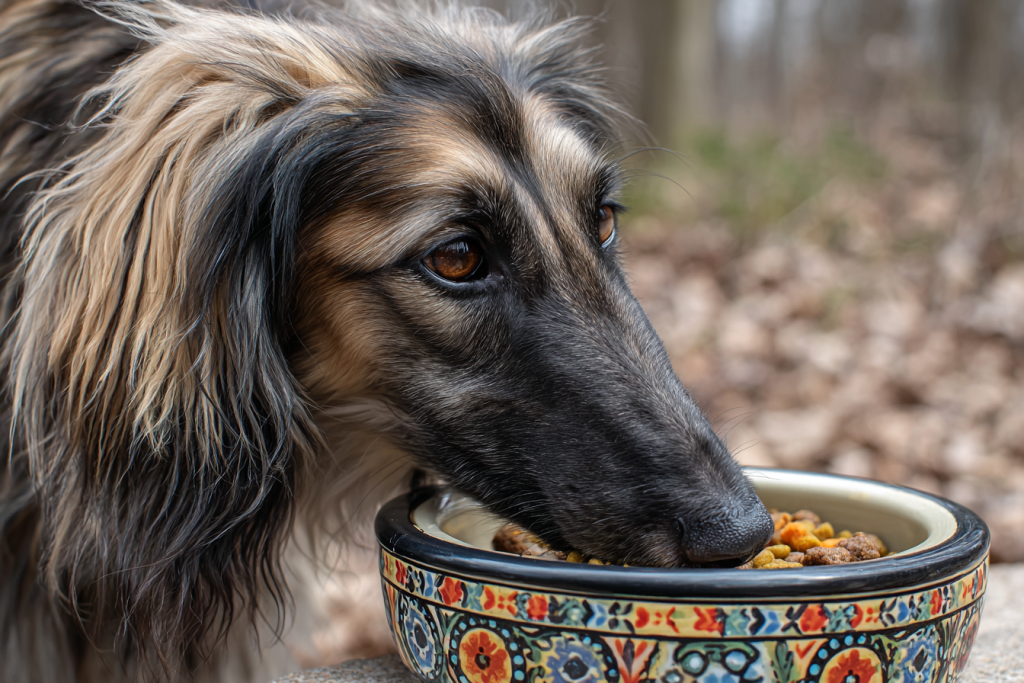
Deciphering Dietary Preferences and Restrictions
Understanding your pet’s dietary preferences and restrictions is crucial when considering personalized nutrition for pets. Just like humans, animals have their own unique tastes and sensitivities that can significantly influence their eating habits and overall health. When crafting an ideal diet tailored for your furry friend, it’s essential to examine not only the nutrients they require but also the specific flavors and ingredient types they enjoy.
One important aspect to consider is the concept of palatability. Pets, especially cats and dogs, often have strong preferences for certain flavors or textures. For instance, many dogs may favor the richness of beef-flavored kibble, while cats might lean toward fish-based formulas. Understanding these preferences can enhance their eating experience and ensure they receive the necessary nutritional intake without the struggle of coaxing them to eat.
Moreover, pets can be particular when it comes to certain ingredients. Veterinary studies indicate that around 10% of pets suffer from food allergies or intolerances. Identifying these sensitivities is essential for maintaining your pet’s health and preventing reactions that could lead to discomfort. Consultation with a veterinarian can be beneficial in pinpointing specific allergies or dietary restrictions, leading to a more informed choice in the selection of pet food brands and formulations.
Assessing Activity Level and Lifestyle
Your pet’s activity level plays a pivotal role in determining their ideal diet. Active pets, such as working dogs or those that frequently engage in play, need higher caloric intake and a diet rich in protein and carbohydrates for energy. Conversely, less active pets, such as senior animals or those who enjoy a more sedentary lifestyle, require a diet lower in calories to prevent weight gain. Recognizing these lifestyle differences will help you fine-tune their nutrition plan accordingly.
To better assess an appropriate diet, consider the following factors that contribute to your pet’s overall lifestyle:
- Age: Puppies and kittens require different nutritional ratios compared to adult and senior pets. Young animals benefit from higher protein and fat content to support growth.
- Health Conditions: Any existing health problems, such as diabetes or kidney disease, necessitate specialized diets tailored to their medical needs.
- Behavioral Needs: Pets who face behavioral challenges may benefit from specific nutrient combinations that promote relaxation and mental well-being.
- Environmental Factors: Pets living in colder climates might require more energy-dense diets for warmth, while those in warmer areas may need lighter options and more hydration.
As you explore the world of personalized nutrition for pets, remember that tailoring your pet’s diet to consider their dietary preferences and lifestyle not only promotes their physical well-being, but also enhances their overall happiness. The journey to finding the right balance can be rewarding, leading to improved health outcomes and a happier companion at home.
Personalized Nutrition for Pets: How to Choose the Ideal Diet for Your Animal
Choosing the ideal diet for your beloved pet goes beyond simply filling a bowl. Your pet’s dietary needs can vary significantly based on their breed, age, activity level, and health conditions. As pet owners, understanding the concept of personalized nutrition is essential. This practice ensures that your pet receives nutrients tailored specifically to their unique requirements, promoting optimal health and well-being.
When considering personalized nutrition, one must delve into the foundational elements that influence diet choice. The first step is conducting a thorough analysis of your pet’s nutritional needs. Factors such as breed size, life stage, and existing health concerns are critical components. For instance, puppies require higher protein and caloric intake than adult dogs, while senior pets may benefit from diets that support joint health.
Next, consider ingredients. Look for high-quality proteins, healthy fats, and essential vitamins and minerals. The quality of the ingredients plays a vital role in your pet’s energy levels and overall health. Labels such as “grain-free” or “organic” can help you navigate healthy choices, but it’s crucial to do diligent research on what these terms truly mean. Consulting your veterinarian can provide insights into selecting the right products that align with your pet’s individual requirements.
Additionally, emerging options such as customized meal plans are transforming the way we feed pets. These meal kits are designed based on specific dietary assessments made by veterinary professionals. They typically include fresh, wholesome ingredients tailored to provide balanced nutrition while accommodating any allergies or dietary restrictions your pet may have.
| Nutritional Requirement | Key Considerations |
|---|---|
| Age-Specific Needs | Puppies require more protein; seniors need joint support. |
| Ingredient Quality | Look for high-quality protein sources and wholesome ingredients. |
A successful diet also involves observing your pet’s response to their food. Weight management, coat health, and energy levels are critical indicators. Adjustments may be necessary, and regular check-ups with your vet can help keep your pet’s nutrition on track.
With the rising awareness of personalized nutrition, pet diets are becoming more sophisticated and tailored than ever before. Embracing these nutritional principles not only enhances your pet’s health but also strengthens the bond between you and your furry companion as you navigate their dietary journey together.
DISCOVER MORE: Click here to learn about how pets alleviate stress
Incorporating Age and Breed-Specific Nutritional Needs
When delving into personalized nutrition for pets, it’s crucial to acknowledge that different breeds and age groups often come with their unique nutritional requirements. Many pet owners might not realize that a poodle’s dietary needs can greatly differ from those of a bulldog, even when they share similar activity levels. Hence, understanding these breed-specific necessities can enhance your pet’s health and well-being.
For example, larger breeds tend to experience different health issues compared to smaller breeds. Large breeds such as Great Danes or Rottweilers are more prone to conditions like hip dysplasia and bloat, necessitating a balanced diet with controlled calorie intake and specific nutrients that promote joint health, such as omega fatty acids and glucosamine. On the other hand, smaller breeds, like Chihuahuas, may require higher caloric density to maintain their body temperature and sustain their energy levels due to their smaller body size.
Age is another fundamental factor to consider when shaping your pet’s diet. Puppies and kittens have different dietary needs than their adult counterparts, as they’re in critical phases of growth and development. Nutritional experts recommend a diet with higher protein and fat ratios for young animals to support rapid growth; however, this ratio should shift as they mature. Similarly, senior pets often require diets lower in calories and higher in fiber to manage weight and support digestive health.
Understanding the Role of Ingredients
Navigating the ingredient list on pet food can feel overwhelming, but understanding the role of specific ingredients can empower pet owners to make informed decisions. Whole proteins, such as chicken, beef, or fish, should be prioritized as the main ingredient to ensure your pet receives quality protein that supports muscle health. Additionally, whole grains like brown rice or oats are excellent carbohydrate sources that provide energy without contributing to obesity.
Many pet specialists emphasize the significance of incorporating fruits and vegetables into a pet’s diet. Ingredients like blueberries, carrots, and spinach are not only palatable but also packed with antioxidants, vitamins, and minerals that bolster overall health. However, keep in mind that some ingredients, such as onions, garlic, and chocolate, can be toxic to pets and should be avoided entirely.
Furthermore, consider the value of supplements in your pet’s diet. Depending on specific needs, supplements such as fish oil for omega-3 fatty acids or probiotics for digestive support can be a beneficial addition. Before adding any supplements, however, it’s advisable to consult with a veterinarian to ensure they are suitable for your pet’s individual circumstances.
As the journey to discovering your pet’s ideal diet unfolds, it becomes evident that personalized nutrition demands a thoughtful approach. By carefully considering your pet’s breed specifics, age, and ingredient roles, you can craft a diet that aligns with their unique lifestyle, supporting not only their health but also their joy in mealtime.
DISCOVER MORE: Click here for essential tips on welcoming a new pet
Conclusion: Tailoring Nutrition for a Healthier Life
In a world where our pets are cherished members of the family, providing them with personalized nutrition is a vital investment in their long-term health and happiness. Recognizing that each animal has unique dietary needs based on factors such as breed, age, and overall health is the first step in crafting an ideal diet. By prioritizing high-quality ingredients and being mindful of specific nutritional requirements, pet owners can significantly enhance their furry companions’ quality of life.
The journey to personalized pet nutrition is multifaceted, involving an informed understanding of the role of ingredients and making adjustments based on your pet’s specific life stage. Be it a sprightly puppy or a wise senior cat, their dietary needs will change, and staying alert to these shifts can foster optimal well-being. Moreover, consulting with veterinary professionals and pet nutritionists can provide invaluable insights tailored to your pet’s individual needs, ensuring that the food you choose contributes positively to their health.
Ultimately, personalized nutrition is not merely about feeding our pets; it’s about nurturing them in a way that supports their individual vitality and happiness. As you explore the multitude of options available, from home-cooked meals to specialized pet foods, remember to embrace the personalization aspect at every turn. By doing so, you’ll pave the way for a healthier, happier life for your beloved animals, creating a bond that not only enriches their lives but yours as well.