Preventive Care: Vaccination and Dental Health in Pets

Understanding Preventive Care in Pets
Maintaining your pet’s health is essential for a long and happy life. Preventive care encompasses two critical aspects: vaccination and dental health. These measures not only protect your pet from diseases but also enhance their quality of life, giving you peace of mind as a responsible pet owner.
The Importance of Vaccination
Vaccinations serve as a cornerstone of preventive care for pets, fortifying their immune systems against various life-threatening diseases. For instance, Canine Parvovirus is a highly contagious virus that can cause severe gastrointestinal distress in dogs, leading to hospitalization or even death. Similarly, Feline Leukemia compromises a cat’s immune system and can result in a range of health complications. Lastly, Rabies is a fatal viral disease that affects both pets and humans, making it vital for public health. To put it into perspective, recent statistics show that annual vaccination rates for pets in the U.S. are around 70%, which may not be sufficient to avert outbreaks in communities.
Additionally, keeping your pet’s vaccinations updated is a proactive measure not just for their well-being but also for the health of other animals and people they come into contact with. Some pet boarding facilities or daycares even require proof of vaccination, emphasizing the importance of this preventive care measure.
Dental Health Matters
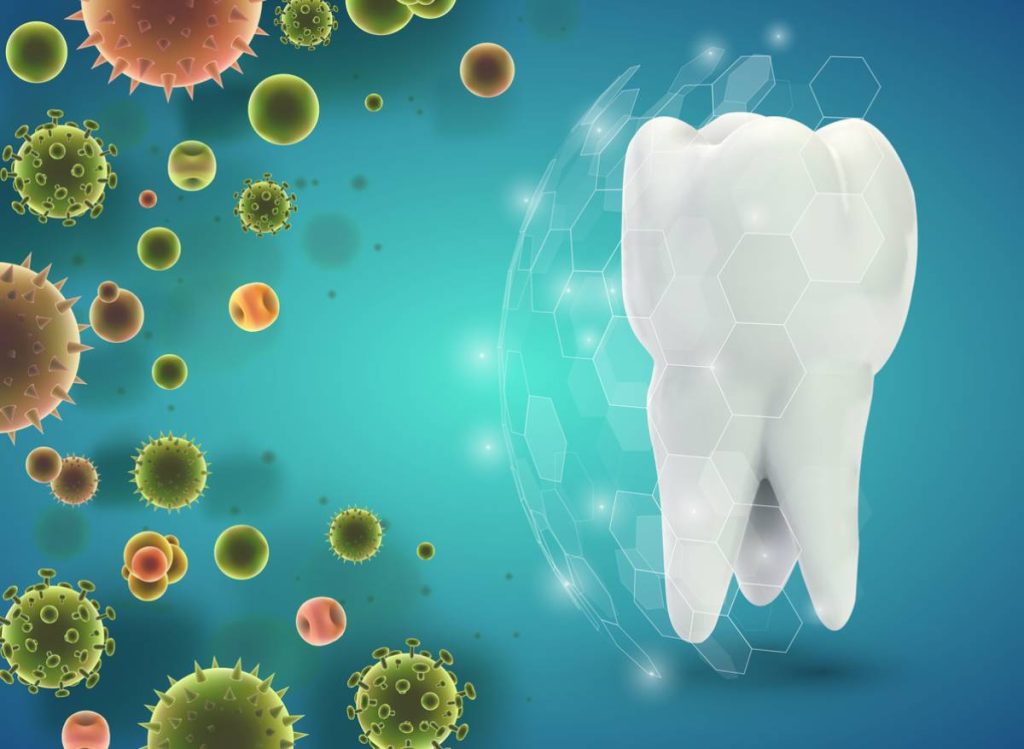
Alongside vaccinations, dental health is often overlooked but equally important in ensuring your pet’s overall well-being. A staggering 80% of dogs and 70% of cats show signs of dental disease by the age of three. Good dental hygiene can prevent serious conditions such as periodontal disease, which, if left untreated, can lead to tooth loss—a painful experience for pets. Furthermore, bacteria from dental problems can enter the bloodstream, causing systemic health issues that affect vital organs like the heart and kidneys.
Routine dental check-ups performed by a veterinarian, coupled with at-home care such as regular brushing and dental treats, are necessary to maintain your pet’s oral hygiene. Using specific toothpaste formulated for pets and providing dental toys can help make this process easier and more enjoyable for them.

In conclusion, vaccinations and dental care form a robust framework for your pet’s health. Investing time and effort in these preventive measures not only prolongs your pet’s life but also enhances its happiness and quality of life. As a pet owner, staying informed and proactive about these essential aspects of care can significantly improve health outcomes for your furry friends, allowing for more cherished moments together.
DIVE DEEPER: Click here to uncover more resources
The Critical Role of Vaccination in Pet Health
When it comes to the overall health of your pet, vaccination plays a pivotal role. These immunizations are not merely a suggestion; they are a vital component of comprehensive pet care that can safeguard your furry companions against harmful diseases. Just as humans benefit from regular vaccinations, pets similarly gain robust protection that can significantly enhance their lifespan.
Vaccines function by stimulating the immune system to recognize and combat diseases effectively. For instance, core vaccines for dogs include those for Distemper, Hepatitis, Parvovirus, and Rabies. Each of these diseases presents serious risks; Canine Distemper is notorious for its high mortality rate, affecting multiple body systems from the brain to the skin. In cats, the feline equivalent, including the Feline Distemper and Feline Leukemia vaccines, is equally crucial in preventing widespread, potentially fatal infections.
The schedule for vaccinations can vary based on factors such as the pet’s age, health status, and lifestyle. Most veterinarians recommend starting vaccinations as early as six to eight weeks of age, followed by booster shots throughout their life. Regular check-ins with your veterinarian will ensure that your pet is not only up-to-date on vaccines but also check for any potential side effects or reactions. It’s important to note that some states have strict regulations regarding vaccination, especially concerning the rabies vaccine, which is required by law in many areas.
Risks of Not Vaccinating
Neglecting to vaccinate your pet can have severe consequences, extending beyond individual health risks. A low vaccination rate in a community can lead to outbreaks of preventable diseases affecting not only pets but also humans. In the U.S., the alarming statistic showing that only about 70% of pets are vaccinated annually highlights the ongoing risk of disease resurgence. Consider these potential risks associated with lack of vaccination:
- Increased vulnerability: Unvaccinated pets are at a higher risk of contracting serious diseases.
- Financial burden: Treating advanced diseases often requires extensive medical interventions that are far more expensive than preventive care.
- Public health threat: Diseases like rabies can be transmitted to humans, posing a significant risk to public health.
In conclusion, the importance of vaccinations should not be underestimated. They are cornerstone preventive measures essential for maintaining both your pet’s health and the public’s welfare. Regularly scheduled vaccinations not only avert diseases but also contribute to the overall well-being of your pet, making every moment spent together more enjoyable and fulfilling.
Essential Care for Your Pet’s Teeth
While vaccinations are critical, dental health is another area that demands pet owners’ attention. Many people may overlook the importance of maintaining their pet’s oral hygiene; however, it is fundamental to their overall health and happiness. Research indicates that by the age of three, approximately 80% of dogs and 70% of cats exhibit signs of dental disease, showcasing the urgent need for preventive measures.
Ignoring dental health can lead to a host of problems, starting with bad breath and progressing to more severe issues such as periodontal disease. This condition not only affects the mouth but can also allow bacteria to enter the bloodstream, causing complications that may affect the heart, liver, and kidneys. To maintain your pet’s dental health, consider implementing a routine that includes:
- Regular veterinary check-ups: Professional dental cleaning and assessments should be integrated into your pet’s annual health check.
- Daily brushing: Using toothpaste specifically designed for pets can make cleaning their teeth a simple yet effective task.
- Dental treats and toys: Offer products designed not only to entertain your pets but also to promote better oral hygiene.
Investing time in these crucial aspects of preventive care can result in longer, healthier lives for your pets, ensuring they remain an integral part of your family for years to come.
| Category | Details |
|---|---|
| Vaccination | Immunizes pets against deadly diseases; helps in community health. |
| Dental Health | Prevents oral diseases, maintaining overall health and hygiene. |
| Routine vet visits | Early detection of health problems can lead to better outcomes. |
Preventive care is a cornerstone of pet health management, where vaccination plays a vital role in safeguarding your pet against serious illnesses. Vaccines can stimulate the immune system to produce antibodies, significantly reducing the risk of infections like parvovirus and distemper, leading to a longer, healthier life for your animal.Equally important is dental health, which is often overlooked by pet owners. Regular dental check-ups and cleanings can prevent tartar buildup and periodontal disease, conditions that not only affect teeth but can also impact vital organs like the heart and kidneys. Moreover, daily dental care practices, such as brushing and dental treats, keep your pet’s mouth fresh and contribute to their overall well-being.A proactive approach, which includes routine veterinary visits, can lead to the early detection of potential health issues. These visits allow for tailored vaccination schedules and specific recommendations for maintaining your pet’s dental hygiene, reducing future healthcare costs and enhancing the quality of life for your beloved companion. A thorough understanding of preventive care enables pets to lead healthier lives, creating more enriching experiences for both pets and their owners.
DON’T MISS OUT: Click here to learn why socialization is key for your puppy
The Importance of Preventive Dental Care for Pets
As a responsible pet owner, addressing your furry friend’s dental health cannot be an afterthought. Just as critical as vaccinations, caring for your pet’s teeth helps avoid severe health complications that can arise from poor oral hygiene. The dental care practices you implement at home can be the key to preventing serious conditions before they escalate.
A common misconception is that bad breath is just a normal sign of aging in pets, but it often signals a deeper issue. Halitosis (bad breath) can indicate the presence of plaque and tartar build-up, which may progress to dental disease if left untreated. Regular oral care not only combats bad breath but also plays a significant role in reducing the risk of more severe health issues. It’s essential to understand that dental disease can lead to systemic infections that affect vital organs, including the heart and kidneys, causing serious health complications over time.
At-Home Care Techniques
Incorporating simple daily routines can yield substantial benefits for your pet’s oral hygiene. Consider the following effective methods:
- Brushing your pet’s teeth: This should be the cornerstone of at-home dental care. Using pet-specific toothpaste, gently brush your pet’s teeth at least two to three times a week to remove plaque build-up. Gradually introducing brushing can help your pet become accustomed to the process.
- Dental chews and toys: Providing specially designed dental chews or toys can significantly aid in mechanical cleaning. These products often contain ingredients that help reduce plaque and freshen breath, making oral care a more enjoyable experience for your pet.
- Water additives: Consider using pet-safe water additives that promote oral health. These solutions work to reduce plaque and bacteria levels in your pet’s mouth, making it an easy addition to their daily routine.
The Role of Professional Dental Cleanings
Despite your best efforts at home, professional dental cleanings are indispensable in maintaining optimal pet dental health. During these cleanings, veterinarians perform thorough examinations and cleanings that can reach areas not accessible through at-home care. Utilizing anesthesia during these procedures allows for a complete cleaning without causing trauma to anxious pets. The American Veterinary Medical Association (AVMA) emphasizes the necessity of professional dental cleanings as part of routine veterinary care.
Many pet owners may be surprised to learn that the cost of preventive dental care is often much lower than the cost of treating advanced dental diseases, which can incur exorbitant medical expenses. For instance, the average cost of dental care for pets can range from $300 to $800 depending on the severity of the dental issues present. By investing in regular cleanings and preventive measures, pet owners can save money in the long run while also ensuring their pet enjoys a pain-free, healthier life.
Common Myths about Pet Dental Care
Addressing common myths and misconceptions can significantly elevate your pet’s overall dental health. Some of these include:
- Dental care is only necessary for older pets: Dental diseases are not age-specific. Even young pets can suffer from dental issues if not properly cared for.
- Dry food is sufficient for dental health: While high-quality dry food can help reduce plaque, it is often not enough to ensure optimal dental hygiene. Regular brushing is still essential.
- Pets will eat fewer treats if they have dental problems: Pets often do not show signs of oral discomfort until they are in significant pain, making it crucial for owners to monitor their dental health actively.
With a comprehensive approach to preventive care encompassing both vaccinations and dental health, pet owners can take significant strides towards fostering a longer, healthier life for their companions.
DISCOVER MORE: Click here for tips on keeping your pets engaged
Conclusion
In conclusion, embracing preventive care practices like vaccination and maintaining optimal dental health is paramount for the well-being of our furry companions. These steps not only enhance the quality of life for pets but also contribute to their longevity. Vaccinations serve as a robust defense against potentially fatal diseases, protecting your pet while also contributing to public health by preventing the spread of zoonotic conditions.
Similarly, prioritizing dental health is vital in preventing severe complications, as neglected oral hygiene can lead to systemic infections and chronic pain. Utilizing effective at-home care techniques and scheduling regular professional cleanings will reduce the risk of dental disease, benefiting both your pet’s health and your wallet by avoiding costly treatments down the line.
Additionally, dispelling common myths surrounding pet care is essential. By being proactive and well-informed, pet owners can better manage their pets’ health needs. It’s worth noting that the responsibility of preventive care extends beyond routine visits; it encompasses daily attention and actions that promote a holistic approach to health.
Ultimately, a commitment to preventive care not only fosters a happy and healthy life for your pet but also strengthens the bond between pet and owner. Understanding the significance of both vaccinations and dental hygiene empowers pet owners to be advocates for their pets in every stage of life. Embrace this journey with your beloved companion, and explore new insights and practices that will pave the way for a vibrant future together.