Strategies for Environmental Enrichment in Pets

Understanding Environmental Enrichment
As responsible pet owners, it’s vital that we prioritize not only our pets’ basic needs but also their mental well-being. One impactful way to nurture their health is through environmental enrichment. This concept refers to a variety of strategies and activities designed to enhance our pets’ living conditions, catering specifically to their natural instincts and behaviors.
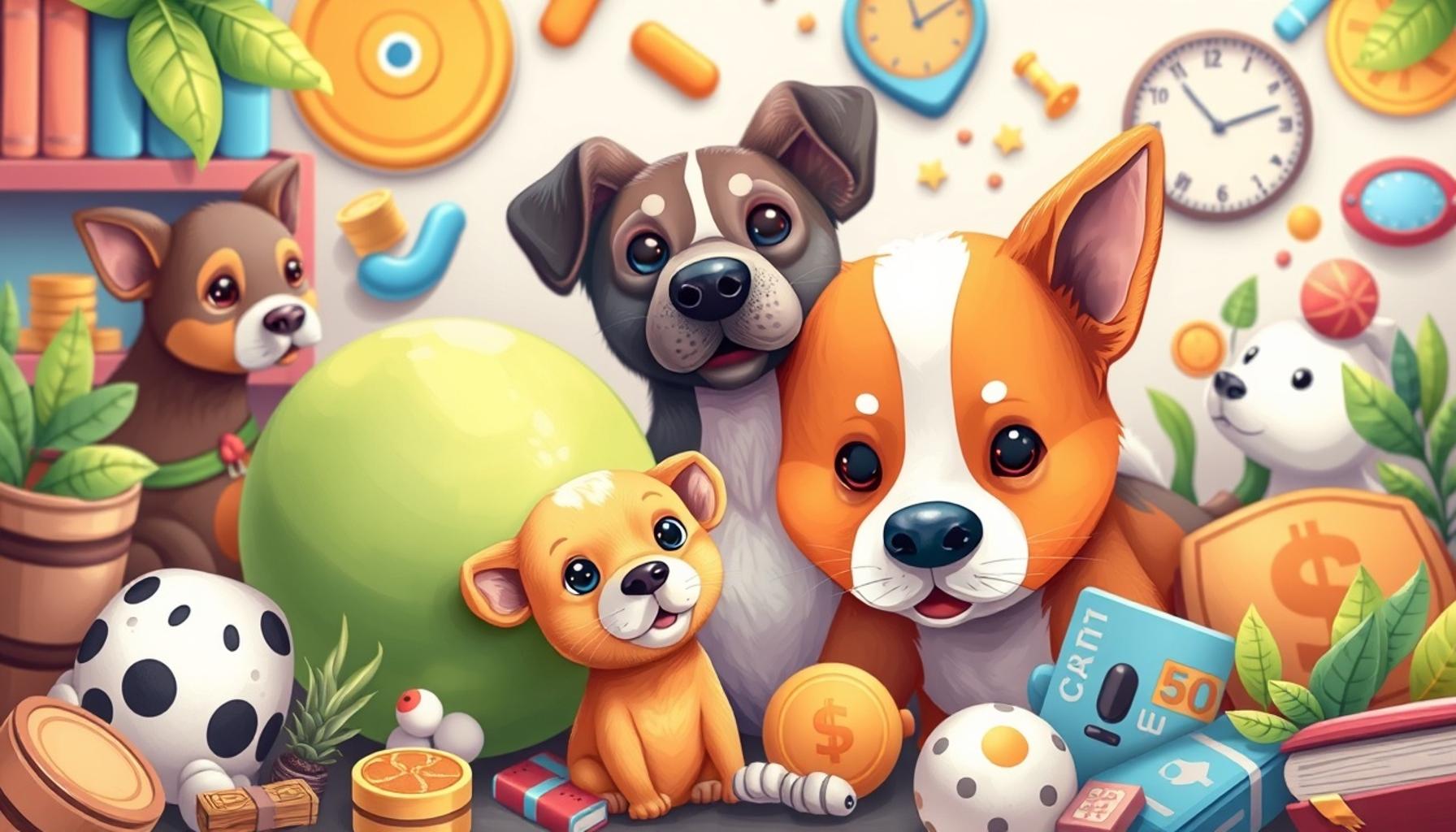
The significance of this approach is evident in the benefits it provides. For instance, reducing boredom is crucial for pets, particularly those confined to home environments. Cats, for example, may engage with feather wands that mimic prey movement, keeping them captivated and active. Similarly, dogs can explore treat-dispensing toys that challenge their problem-solving skills while rewarding them with tasty incentives.
Moreover, enhancing behavior through enrichment can dramatically influence the way pets interact with their surroundings. Pets that receive adequate stimulation often exhibit fewer destructive behaviors, such as chewing furniture or excessive barking. For example, providing a dog with obstacle courses made from furniture or safe household items can both entertain and teach them commands, resulting in better manners and a happier household.
Importantly, encouraging physical health is another critical benefit of environmental enrichment. Engaging our pets in active play not only keeps them physically fit but also strengthens their cardiovascular health. Daily walks, fetch games, or even agility training can foster a more energetic lifestyle that combats obesity—a growing concern among pets in the United States today.
Implementing Effective Enrichment Techniques
To get started on enhancing your pet’s world, consider these three effective techniques. First, stimulating natural instincts is essential. For instance, hide-and-seek games for dogs can engage their natural hunting instincts, while for cats, placing interactive toys that mimic small animals around the home can spark their curiosity and predatory play.

Second, creating safe exploration spaces allows pets to discover their environments. Setting up a small indoor adventure area with tunnels and boxes for cats, or a designated outdoor play zone for dogs, can offer them new experiences while keeping them safe.
Finally, transforming daily routines into exciting activities is a great way to inject novelty into their lives. Incorporating new routes in daily walks, rotating toys regularly, or introducing new games can keep pets engaged and reduce the likelihood of them falling into a dull routine. By being creative and observant, you can find numerous ways to keep your furry friends happy and stimulated.
Through these various enrichment strategies, not only will your pets thrive, but your bond with them will also deepen, paving the way for a fulfilling relationship. Understanding and applying these techniques can lead to a happier, healthier life for your beloved companion.
DISCOVER MORE: Click here to learn about the importance of socialization for pets
Exploring Modes of Enrichment
Understanding the diverse needs of your pets can significantly enhance their quality of life. One effective strategy for providing environmental enrichment is to explore the various modes of enrichment tailored to different species and individual preferences. Recognizing that pets are not all alike is key to developing a custom approach that meets their distinct needs.
First, let’s delve into the realm of interactive play. This method is incredibly popular among pet owners and serves as a foundation for enrichment. For instance, dogs adore games that involve their owners, such as fetch or tug-of-war. These activities not only provide physical stimulation but also foster bonding and improve training. For cats, interactive toys that require human participation, such as laser pointers or feather wands, can ignite their instinct to chase and pounce, satisfying their natural predatory behavior.
Another critical component of environmental enrichment is the use of sensory stimulation. Pets experience the world through different senses, and enhancing these experiences can spark joy and curiosity. For dogs, introducing different scents through scented puzzles or laying out a variety of textured items to explore can greatly enrich their sensory world. On the other hand, cats benefit from visual stimuli such as bird-feeder stations placed near windows or climbing shelves that allow them to observe the outside world, offering them a chance to satisfy their observational instincts.
Engagement Through Food and Foraging
Food and feeding methods are vital aspects of enrichment. Pets often savor the hunt for food just as much as the food itself. Here are some ways to integrate this concept into your pet’s feeding regimen:
- Foraging toys: These devices encourage pets to work for their food, stimulating both their minds and bodies. Treat-dispensing toys for dogs or puzzle feeders for cats can transform mealtime into a fun challenge.
- Scatter feeding: Instead of placing food in a bowl, scatter it throughout the house or yard. This method encourages pets to use their noses and explore their environment, embodying a more natural feeding behavior.
- Homemade enrichment: Creating your own food puzzles or games can be both cost-effective and tailored to your pet’s preferences. Simple items such as empty egg cartons or boxes filled with crumpled paper can hold treats for a fun scavenger hunt.
Incorporating these strategies into your pet’s routine can profoundly affect their emotional and physical health. Studies have shown that environmental enrichment leads to decreased anxiety, improved behavior, and overall happiness in pets. As you adapt various techniques, keep in mind that gradual introduction and observation are essential. Every pet is unique, and understanding their response to different stimuli will inform you on what methods work best.
Enhancing the lives of our pets through strategic enrichment not only keeps boredom at bay but also provides them with a wealth of experiences that contribute to their happiness and well-being.
| Advantages | Description |
|---|---|
| Mental Stimulation | Engaging toys such as puzzles keep pets busy, enhancing cognitive skills and preventing boredom. |
| Physical Health | Regular interactive play with pets encourages movement, helping to maintain a healthy weight and reduce obesity-related issues. |
| Behavior Control | Effective strategies minimize destructive behaviors by redirecting energy towards enriching activities like scavenger hunts. |
| Enhanced Bonding | Engaging in enrichment activities can strengthen the pet-owner bond, promoting a deeper connection and trust. |
When considering “Strategies for Environmental Enrichment in Pets”, it’s essential to understand how these advantages can contribute not only to a pet’s happiness but also to its overall well-being. The creative incorporation of sensory experiences through various enrichment tools can lead to a more fulfilling life for your pet, challenging them mentally and physically while simultaneously enhancing their emotional stability. Each of these strategies plays a pivotal role in creating a vibrant, stimulating environment that caters to the innate needs of pets, thereby fostering a balanced and healthy lifestyle conducive to both furry companions and their owners. By digging deeper into specific activities, along with tailored products available on the market, pet owners can discover innovative ways to enhance their pets’ quality of life, ensuring a thriving home filled with joy and engagement.
DISCOVER MORE: Click here to learn about pet nutrition
Social Interaction and Companionship
Animals are inherently social creatures, and fulfilling their social needs is crucial for their overall enrichment. Creating opportunities for social interaction, both with humans and other pets, can significantly enhance their emotional and psychological well-being. This strategy is particularly vital for pets like dogs and some breeds of cats that thrive on companionship.
One effective way to promote socialization is through playdates. If you have a dog, arranging playdates with other dogs not only provides physical exercise but also allows your pet to interact, communicate, and establish relationships with their peers. It’s an excellent opportunity for them to learn social cues and develop important behavior patterns. For cats, supervised interactions with other well-mannered felines can create enriching experiences, as long as both animals are compatible. Consider fostering multitasking environments where playing, exploring, and resting coexist.
Moreover, the presence of another pet can alleviate boredom and anxiety. A second pet can provide companionship, ensuring that your pet remains engaged even when you’re not home. However, it’s essential to evaluate the compatibility of both animals before introducing them into the same space, as some may prefer solitude over companionship.
Enrichment Through Training and New Experiences
Beyond play and social interaction, training serves not only as a robust bonding activity but also as a critical mode of mental stimulation. Training your pet to learn new tricks or perform tasks is intellectually stimulating and can be a fun challenge for both the pet and the owner. It encourages the pet to think critically and strengthens obedience skills. Techniques like positive reinforcement and clicker training can transform mundane training routines into engaging challenges that keep pets sharp and alert.
Incorporating training into daily life doesn’t have to be a chore. Use everyday scenarios—like teaching your dog to retrieve your slippers or asking your cat to jump through a hoop—to enrich their experience. Consider attending classes or workshops that focus on agility training or obedience. These structured environments play on a pet’s competitive instincts and provide them with new skills and confidence.
Expanding your pet’s surroundings can also foster a sense of adventure. Introduce them to new environments whenever possible—like visiting local parks, pet-friendly shops, or even going for road trips. Cats can benefit from exploratory outings in a secure, harnessed environment as they experience new sights, smells, and sounds. Ensure safety is always a priority, but rewarding experiences in varied environments encourage a healthy curiosity and confidence in pets.
Creating a Stimulation-Rich Environment
Lastly, designing a stimulation-rich environment at home can greatly enhance the quality of life for your pets. For dogs, consider arranging different layers of spaces, such as a cozy den, an open area for running, and an intelligent design of obstacles for them to navigate. For cats, providing vertical spaces such as cat trees or shelves can encourage climbing and exploration, mimicking their natural behaviors.
Incorporating elements like scratching posts, tunnels, and cozy hideaways can appeal to your cat’s instincts to scratch, hide, and stalk. For dogs, textured rugs or engaging ball pits can appeal to their sense of touch and make for excellent sensory exploration.
When creating these environments, be observant and adaptive to your pet’s preferences and behaviors. What works for one pet may not work for another. Paying attention to their engagement levels allows you to fine-tune their enrichment experiences to maximize their joy and improve their quality of life.
DIVE DEEPER: Click here to learn about pet nutrition
Conclusion
Implementing effective strategies for environmental enrichment in pets is essential for their happiness and overall well-being. By focusing on social interaction, mental stimulation through training, and creating a stimulating living environment, pet owners can enhance their companion animals’ lives. The simple act of arranging playdates or incorporating interactive toys can fulfill crucial social needs for pets, ultimately reducing stress and anxiety.
Moreover, training ventures not only strengthen the bond between pet and owner but also serve as an avenue for mental exercise. Teaching tricks or engaging in agility classes can transform routine behavior into delightful challenges. Additionally, exposing pets to diverse environments—like nature trails or pet-friendly cafes—broadens their horizons and builds confidence.
Creating a stimulation-rich environment at home is equally vital. Incorporating varied spaces that inspire exploration and play can significantly enhance their quality of life. Observing your pet’s unique preferences allows you to tailor enrichment efforts suitably, ensuring they remain engaged, content, and physically active. Remember, the journey of enriching your pet’s life is ongoing. Stay attuned to their needs and adapt your strategies as they evolve.
In summary, embracing these enrichment strategies can lead to healthier, happier pets that thrive in a loving and dynamic environment. As responsible pet owners, it is our duty to provide them with the best care and stimulation possible. Research indicates that enriched pets often display fewer behavioral issues and longer lifespans. Equip yourself with these ideas to transform your pet’s environment today!