Nutritional Supplements for Pets: When and How to Use

The Growing Interest in Nutritional Supplements for Pets
As pet owners become more educated about the nutritional needs of their animals, the interest in nutritional supplements for pets has surged. These supplements are not merely an afterthought; they can play a crucial role in enhancing the health and well-being of your furry companion. Just as with human supplements, pets can benefit from additional nutrients at various stages of their lives.
Benefits of Introducing Supplements
Understanding the benefits of these supplements is essential for making informed decisions that can dramatically improve your pet’s quality of life. Here are some critical advantages that are prompting pet parents to incorporate supplements into their pets’ meals:
- Addressing Nutritional Gaps: Despite the convenience of commercial pet foods, many may not provide complete nutrition. For instance, certain brands may lack essential fatty acids or crucial vitamins due to variations in ingredient quality. Supplements, such as omega-3 fatty acids, can fill these gaps, ensuring your pet gets a balanced diet.
- Supporting Aging Pets: Older pets commonly experience joint pain, reduced mobility, and cognitive decline. Supplements like glucosamine and fish oil can mitigate these age-related challenges, supporting joint health and potentially enhancing cognitive function.
- Enhancing Overall Health: Just like humans, pets require a robust immune system and optimal gut health. Probiotics and antioxidants can boost immunity, enhance digestion, and promote a shiny coat, contributing to your pet’s overall vitality and appearance.
When to Consider Supplements
Identifying the right time to introduce supplements into your pet’s diet is crucial. Pet owners should keep a close eye on their pet’s condition and lifestyle, as several factors warrant consideration:
- Dietary Restrictions: Pets with allergies or food sensitivities may struggle to receive necessary nutrients from standard foods. For example, a dog allergic to chicken protein may miss out on critical amino acids. In such cases, targeted supplements can provide these nutrients sans the allergens.
- Health Issues: Specific conditions such as arthritis or skin irritations can greatly benefit from particular supplements. For example, fatty acids can improve skin health while reducing inflammation and itchiness associated with allergies.
- Activity Level: Highly active pets often burn more energy and may require additional vitamins and minerals to support their active lifestyle. Supplementing with an energy booster or electrolyte mix may be beneficial for these energetic beings.
The Importance of Veterinary Guidance
With so many options available, navigating the world of pet supplements can be overwhelming. This is why consulting a veterinarian is not just a recommendation but a vital step. Vets can offer personalized advice tailored to your pet’s unique health needs and lifestyle. Additionally, as the market continues to evolve with new research and products, veterinary input ensures that you are making the best choices for your beloved companion.
In the articles to follow, we will delve deeper into how to select the appropriate supplements for your pet and effective methods to integrate them into their daily routine, empowering you to enrich the life of your furry friend.
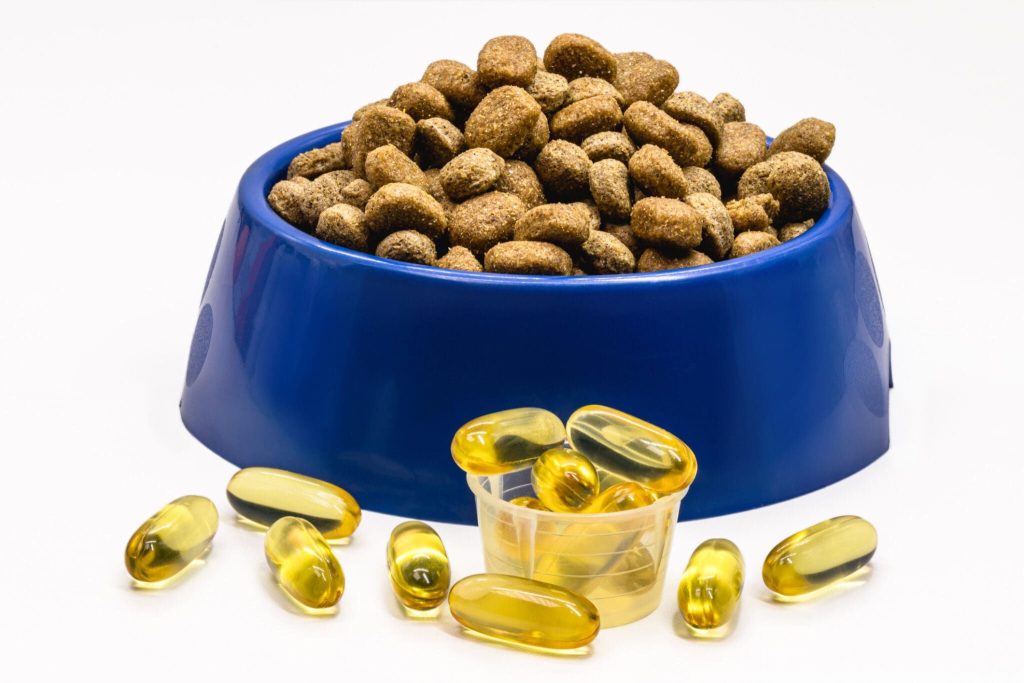
Understanding the Types of Nutritional Supplements
Before considering nutritional supplements for pets, it’s essential to understand the types available on the market, each formulated to meet specific health needs. From vitamins to minerals, and herbs to fatty acids, each category has unique benefits that can contribute to your pet’s overall well-being. Here’s a breakdown of the primary types of supplements you might encounter:
- Vitamins and Minerals: These are foundational for overall health. Common vitamins such as A, D, E, and B vitamins play critical roles in cellular function, energy metabolism, and immune health. Mineral supplements, including calcium and phosphorus, are also crucial for bone and muscle development, especially in growing or older pets.
- Fatty Acids: Omega-3 and Omega-6 fatty acids are well-known for their anti-inflammatory properties. These supplements support skin health, promote a glossy coat, and even assist in heart health. Fish oil, for example, is a widely recommended supplement for pets suffering from allergies or joint pain.
- Probiotics: Much like humans, pets can also benefit from probiotics, which help maintain a balanced digestive system. These live beneficial bacteria can alleviate gastrointestinal issues and enhance nutrient absorption, particularly for pets with sensitive stomachs or those recovering from illness.
- Herbal Supplements: Ingredients such as turmeric and milk thistle are becoming increasingly popular in pet care. These herbs can support joint health, liver function, and overall vitality. However, it’s essential to choose herbal supplements specifically designed for pets, as some herbs safe for humans can be harmful to animals.
- Joint Supplements: Specially formulated supplements, often containing glucosamine, chondroitin, and hyaluronic acid, are designed to support joint health and mobility, especially in larger dog breeds or older pets experiencing arthritis.
Identifying Quality Supplements
With the wide array of nutritional supplements for pets available, quality assurance is critical. Not all products are created equal, and selecting high-quality supplements can make a significant difference in efficacy and safety. Here are key factors to consider when evaluating supplements:
- Certification: Look for products certified by organizations such as the National Animal Supplement Council (NASC), which ensures adherence to strict safety and quality standards.
- Ingredient Transparency: Reputable manufacturers will clearly list all ingredients on the label, and many will provide information about sourcing and production practices.
- Veterinarian Recommendations: Always seek products that are recommended by veterinarians or come with endorsements from veterinary professionals, ensuring the supplement is suitable for your pet’s specific needs.
By understanding the types of supplements available and ensuring quality, pet owners can effectively support their pet’s health. As we delve deeper into the subject in the following sections, we will explore how to successfully introduce these supplements into your pet’s daily regimen, ensuring the best possible outcomes for your beloved companion.
| Advantages | Details |
|---|---|
| Improved Overall Health | Nutritional supplements, like omega-3 fatty acids, can enhance skin and coat quality, leading to a healthier appearance and fewer skin issues. |
| Enhanced Immunity | Supplements such as vitamins C and E support the immune system, helping pets fend off illnesses and infections more effectively. |
When considering nutritional supplements for pets, it is crucial to consult with a veterinarian. Many supplements can interact with medications or existing health conditions, so professional guidance is essential. Factors such as breed, age, and activity level all play a role in determining the right supplements for your pet.In addition to improving health, these supplements can also play a significant role in managing specific health issues. For example, pets suffering from arthritis may benefit from glucosamine and chondroitin, which can aid in joint health and mobility.Beyond the physical benefits, the right supplements may also contribute to better behavior in pets. A balanced diet complemented by the appropriate nutrients can result in increased energy levels, improved mental function, and a more stable mood, making for a happier pet.As you explore the world of nutritional supplements for pets, it’s important to be discerning and informed. The growing trend towards holistic pet care emphasizes not just treating ailments but preventing them through proactive health measures. Consider doing thorough research or discussing with fellow pet owners or experts, as this can lead you to discover effective options tailored for your furry companions.
When to Use Nutritional Supplements
Determining when to use nutritional supplements for pets is crucial for achieving the desired health outcomes. While some pets may require supplements during specific life stages, others may need additional support due to health concerns or dietary deficiencies. Understanding these contexts will help you make informed decisions for your furry friends.
Life Stages and Dietary Needs
Pets go through various life stages, from puppyhood or kittenhood to adulthood and senior years, each requiring different nutritional support. For instance, puppies and kittens have unique energy needs that demand a tailored approach to nutrition, where supplements such as DHA for brain development can be beneficial.
As pets transition into adulthood, the focus may shift towards maintaining optimal health and preventing conditions that could arise from weight gain or low activity levels. In this phase, incorporating omega fatty acids can promote healthy skin and coat while providing joint support to maintain mobility.
Senior pets, on the other hand, often face challenges such as decreased metabolism and increased risk of health issues, which may necessitate additional supplementation. It’s common for older dogs and cats to be prescribed joint supplements to combat arthritis symptoms or antioxidants to help support immune function and combat age-related diseases.
Health Conditions and Specific Diet Needs
Aside from life stages, certain health conditions may prompt the need for nutritional supplements. For example, pets with allergies or skin conditions often see improvement with supplements rich in omega-3 fatty acids, which can help mitigate inflammation and soothe irritation. Similarly, pets recovering from surgery or managing chronic illnesses like diabetes may require enhanced nutritional support, making supplements a vital part of their care regimen.
If a pet is prescribed a special diet due to food sensitivities or weight management, it’s crucial to consider if that diet provides all necessary nutrients. Supplementing can help fill nutritional gaps, ensuring pets receive balanced support. In such cases, consulting with a veterinarian is essential to identify specific deficiencies and the appropriate supplements to consider.
Dosage and Administration Considerations
Once you’ve determined that supplements are needed, understanding dosage and administration is crucial for effectiveness and safety. Each supplement may have varying dosage guidelines based on your pet’s weight, age, and condition. Most manufacturers provide dosage recommendations on packaging; however, personalizing this recommendation with the help of your veterinarian will cater it more closely to your pet’s needs.
Additionally, introducing supplements should be a gradual process. Starting with smaller doses can help your pet adjust without gastrointestinal distress. Monitoring your pet for any adverse reactions after introducing a new supplement is also highly recommended, ensuring that the chosen product is suitable.
The Role of Veterinary Guidance
Ultimately, consulting with a veterinarian before introducing any supplements is essential. They can evaluate your pet’s health history, current conditions, and dietary requirements to provide tailored advice. With the right guidance, you can effectively integrate nutritional supplements into your pet’s regimen, fostering a healthier and happier lifestyle.
Conclusion: Enhancing Pet Health Through Nutritional Supplements
In summary, understanding nutritional supplements for pets is a vital component of ensuring your furry companions enjoy a healthy and vibrant life. When considering when to use these supplements, it is essential to evaluate your pet’s life stage, specific health concerns, and dietary needs. From puppies and kittens needing vital nutrients for growth to senior pets requiring targeted assistance in managing age-related ailments, the timing and type of supplementation can significantly impact overall well-being.
Moreover, as we delve into health conditions or specific dietary restrictions, the role of supplements becomes paramount. Whether combating allergies or supporting recovery from illness, the right supplements can address deficiencies that regular diets may not cover. Therefore, diligent research and consultation with a veterinarian can guide you in selecting the most suitable products for your pet.
Finally, never underestimate the importance of proper dosage and administration. Gradually introducing supplements, while monitoring for any adverse reactions, ensures a smooth transition into your pet’s diet. By leveraging professional veterinary advice, pet owners can take proactive measures in their pets’ nutrition, leading to a healthier lifestyle. As the world of pet care continues to evolve, staying informed about the benefits and usage of nutritional supplements is crucial for every responsible pet owner. Your furry friend deserves the best, and with the right approach, you can contribute to their long-term health and happiness.