Sustainable Irrigation: Rainwater Harvesting Techniques for Home Gardens
Understanding Rainwater Harvesting
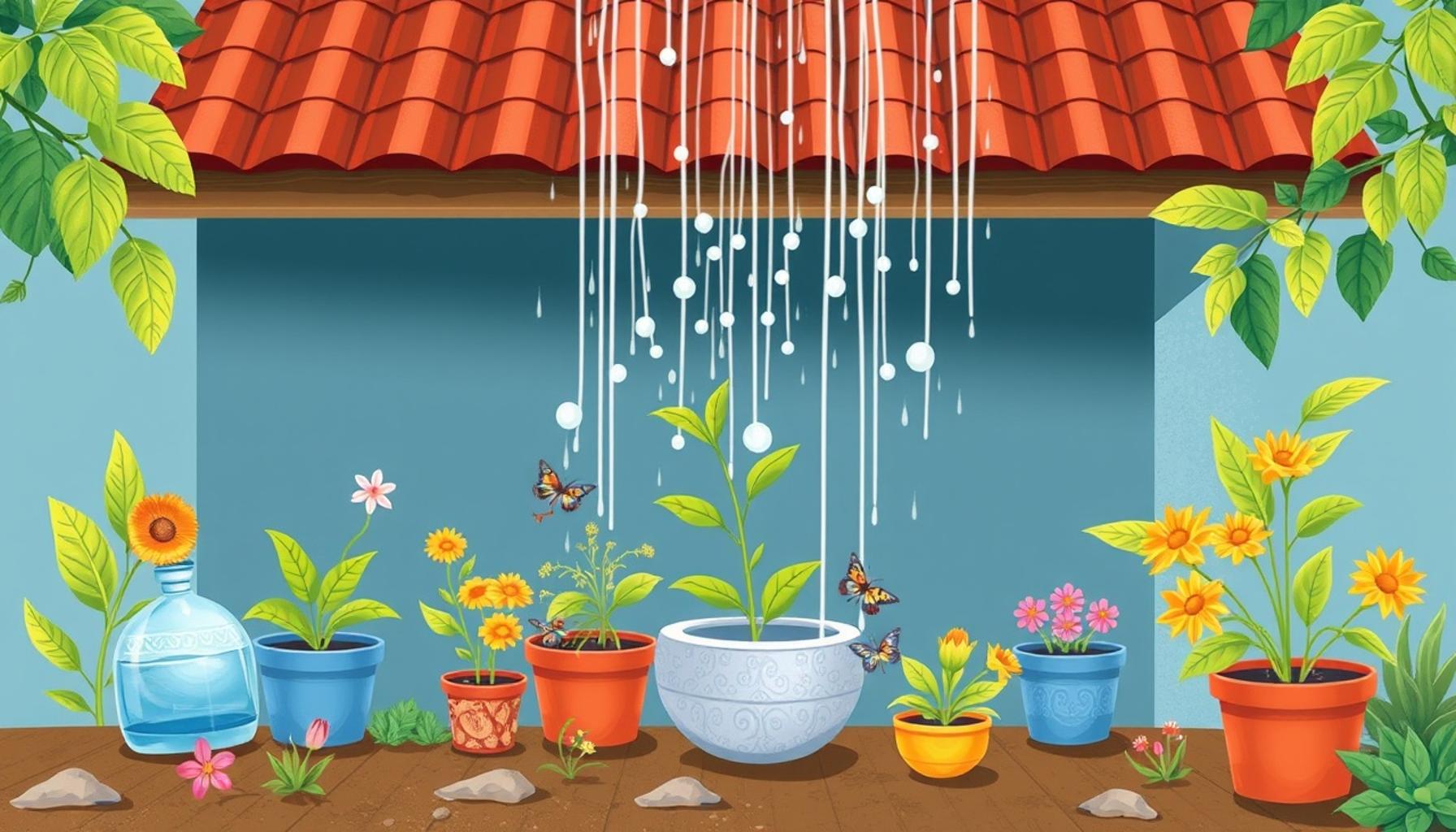
In a nation where droughts and water shortages are increasingly common, the implementation of innovative measures becomes vital for sustainable living. Rainwater harvesting is one such approach that allows homeowners to reclaim water lost to impervious surfaces and utilize nature’s bounty effectively. By channeling rain from roofs, driveways, and sidewalks, gardeners can create a sustainable water source for their plants while alleviating the stress on local water supplies.
Benefits of Rainwater Harvesting
Exploring the myriad benefits of rainwater harvesting sheds light on its significance in sustainable gardening practices. One of the most compelling advantages is its cost-effectiveness. Homeowners can drastically lower their water bills by collecting rainwater, particularly during dry seasons when irrigation needs peak. Additionally, maintaining a rainwater collection system often incurs minimal upkeep, making it an appealing choice for busy individuals.
Another key aspect is the positive environmental impact. In urban areas, excess rainwater typically leads to stormwater runoff, which can carry pollutants into local water bodies. By harvesting rainwater, gardeners help to mitigate this runoff, supporting natural ecosystems and fostering healthier local water quality. Moreover, capturing rainwater encourages conservation by utilizing a resource that is freely available and abundantly provided by nature.
From a gardening perspective, using rainwater promotes plant health. Unlike tap water, which may contain chlorine and other chemicals, rainwater is naturally soft and rich in nutrients. This makes it an ideal hydration source for plants, leading to more vigorous growth and robust yield. Many gardeners report that their blooms and vegetables thrive better when irrigated with rainwater compared to treated municipal water.
Implementing Rainwater Harvesting Techniques
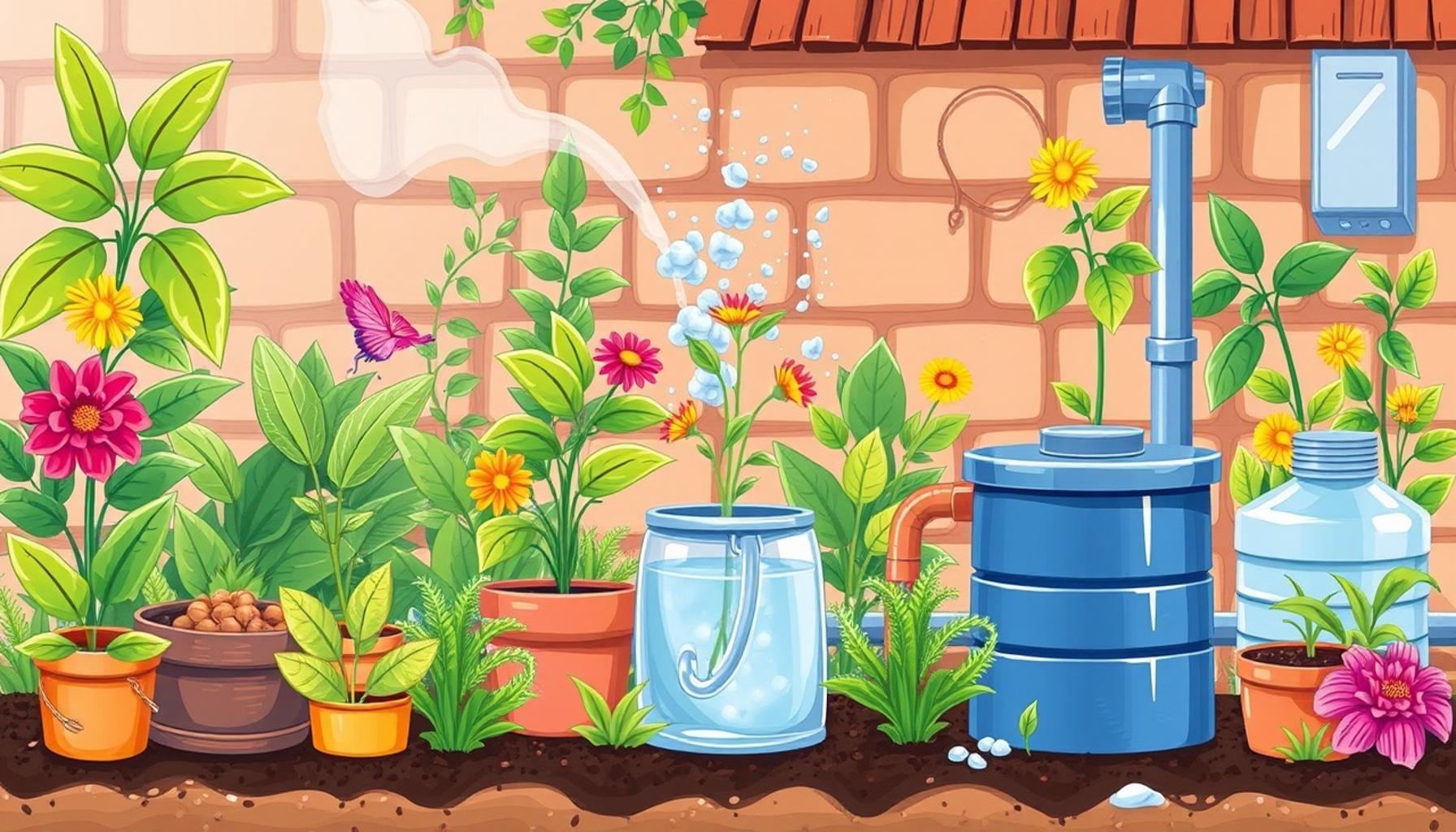
Implementing rainwater harvesting methods can be tailored to fit gardens of any size, making it versatile and accessible. Rain barrels are an excellent starting point, providing an easy and affordable way to collect rainwater from gutters. They come in various sizes, and many local jurisdictions offer discounts or rebates for installation, making them even more financially viable.
On a larger scale, in-ground cisterns offer substantial storage for those with extensive gardens. These systems can hold hundreds of gallons of water, connecting to your home’s drainage system for automatic collection during rain events. While the initial investment may be higher, the long-term benefits, including water preservation and reduced dependence on municipal sources, are clear.
Finally, consider using swales, a technique rooted in sustainable landscaping. Swales are shallow, wide channels that are designed to efficiently direct rainwater flow across your garden. This not only helps with capturing additional moisture but also promotes groundwater recharge and controls erosion.
Taking Action for a Sustainable Future
As the urgency of ecological conservation intensifies, embracing rainwater harvesting techniques serves as a proactive step towards sustainability. These methods not only enhance personal gardens but also contribute positively to broader environmental efforts. Adopting such eco-friendly practices fosters a deeper connection with nature while ensuring the sustainability of our water resources for generations to come. By making simple changes today, we can cultivate flourishing gardens that reflect a commitment to stewardship and responsibility toward the planet.
DISCOVER MORE: Click here to find out how climate affects irrigation
Implementing Rainwater Harvesting Techniques
Implementing rainwater harvesting methods can be tailored to fit gardens of any size, making it both versatile and accessible for budding gardeners and seasoned horticulturists alike. One particularly effective way to capture this natural resource is through the use of rain barrels. These structures are designed to collect rainwater directly from gutters, ensuring that the water doesn’t end up as runoff on impervious surfaces. Available in various sizes, rain barrels make for an easy and affordable starting point for homeowners eager to take the plunge into sustainable gardening practices.
In many regions across the United States, local jurisdictions encourage rainwater harvesting initiatives by offering discounts or rebates for the installation of rain barrels. This financial incentive not only helps reduce initial costs but also gently nudges individuals toward making environmentally friendly choices. Estimates suggest that one rain barrel can save homeowners roughly 1,300 gallons of water during peak summer months, creating an appealing case for those seeking both sustainability and cost-effectiveness.
For homeowners with extensive gardens, exploring in-ground cisterns can be a worthwhile consideration. These systems provide much larger storage capacities, often holding hundreds of gallons of harvested rainwater. In-ground cisterns can be seamlessly incorporated into your home’s drainage system, allowing for automatic collection during rain events. Though the initial investment for cistern installation may be higher, the long-term benefits—such as significant water preservation and decreased reliance on municipal water sources—are evident. Indeed, the average cost of publicly supplied water in the U.S. is estimated to be between $1.50 and $2.00 per 1,000 gallons, making harvested rainwater a cost-effective alternative.
Moreover, gardeners can also explore the use of swales, a technique rooted in sustainable landscaping that serves multiple functions. Swales are shallow, wide channels designed to direct rainwater flow across your property. This method not only captures additional moisture but also facilitates groundwater recharge, providing benefits that extend far beyond the home garden. When coupled with native plants, swales can also help control erosion while fostering biodiversity by serving as habitats for various wildlife species.
Essential Steps for Effective Rainwater Harvesting
To maximize the benefits of rainwater harvesting in your home garden, consider the following essential steps:
- Assess Your Property: Examine how rainwater flows across your landscape, identifying the best collection points.
- Choose the Right System: Determine whether rain barrels, in-ground cisterns, or swales best fit your gardening needs and budget.
- Install Proper Filtration: To ensure the collected water remains clean, install filters at collection points to remove debris and contaminants.
- Maintain Your System: Regular upkeep is essential; clean gutters, inspect storage, and ensure that all components are functioning properly.
By following these steps and integrating rainwater harvesting techniques, you can transform your garden into a sustainable oasis that thrives even during dry spells. Not only will this promote plant health, but it will also contribute to a larger commitment to environmental stewardship, aligning personal gardening practices with ecological responsibility.
Sustainable Irrigation: Rainwater Harvesting Techniques for Home Gardens
The growing need for sustainable practices in home gardening has made rainwater harvesting an increasingly attractive solution. By utilizing rainwater, gardeners can reduce their dependency on municipal water supplies, promote environmental sustainability, and cultivate healthier plant life. This innovative technique not only conserves water but also lessens runoff and soil erosion, creating a more balanced ecosystem within your garden.
Methods to Harvest Rainwater
There are various methods for collecting rainwater, each offering unique benefits and suitability for different types of gardens. The most common practices include the installation of rain barrels, cisterns, and permeable paving systems. Rain barrels are a popular choice for their affordability and ease of installation. These barrels collect rainwater from roofs via gutters and downspouts, providing a ready supply for watering plants, washing vehicles, or even for household use, depending on local regulations.
Another option is to use cisterns, which are larger storage systems that can hold significant volumes of rainwater, often supplemented with pumps for distributing water throughout the garden. Additionally, permeable paving is an innovative technique that allows rainwater to seep through surfaces, reducing runoff while replenishing groundwater levels.
| Category 1 | Category 2 |
|---|---|
| Cost Efficiency | Rainwater harvesting can significantly lower your water bills and the cost of traditional irrigation methods. |
| Environmental Impact | Utilizing rainwater helps reduce stormwater runoff and promotes better soil health by providing a natural, chemical-free irrigation source. |
These techniques not only serve to optimize your home garden’s irrigation needs but also facilitate a more sustainable future. More homeowners are beginning to see the benefits of integrating rainwater harvesting systems into their gardening routines, allowing them to contribute to water conservation efforts while enjoying bountiful and productive gardens.
DISCOVER MORE: Click here to learn about companion planting
Advanced Rainwater Harvesting Methods
As homeowners become more adept at harnessing rainwater for their gardens, exploring advanced techniques can yield even greater benefits and efficiencies in water collection. One innovative approach is the implementation of green roofs. These living roofs, covered with vegetation, not only provide aesthetic appeal but also absorb rainwater, significantly reducing runoff. The ability of plants and soil in a green roof system to retain rainwater mitigates flooding risks while promoting biodiversity right above your head. In urban areas, green roofs also help lower ambient temperatures, contributing to energy efficiency in buildings.
Another beneficial technique is using rain gardens. These specially designed landscaped areas are strategically placed to capture and filter runoff. Rain gardens are typically planted with native vegetation that can thrive in wet conditions, ensuring that excess water not only gets captured but also utilized effectively. They help replenish groundwater supplies while also enhancing the aesthetic value of your property, offering a beautiful habitat for pollinators and other wildlife.
Innovative Design Techniques
For those looking to take their rainwater harvesting to the next level, integrating permaculture principles can be pivotal. This approach is a holistic system design which emphasizes natural ecosystems, making gardens more self-sufficient. By employing permaculture strategies such as zone planning and companion planting, gardeners can create microclimates that optimize water retention and utilize rainwater more effectively. For instance, grouping plants with similar watering needs can minimize competition for moisture and maximize the efficiency of harvested rainwater.
Moreover, understanding aspects of topography and landscape orientation can dramatically enhance the effectiveness of rainwater catchment systems. Hills and slopes can be harnessed to redirect water flow into designated collection areas like ponds or slower-draining areas within your garden. Terracing, which involves creating steps in hilly areas, can help slow down water runoff while improving the land’s ability to absorb rainwater.
Join local initiatives and community workshops focused on sustainable water management. Many communities across the United States host educational programs that teach innovative rainwater harvesting strategies while serving as a platform for sharing experiences and ideas. Collaborating with others not only amplifies your knowledge base but also strengthens community ties as everyone works toward a shared goal of sustainability.
Monitoring and Adjusting Your System
As you implement these techniques, consider setting up rain gauges or utilizing soil moisture sensors in your garden. This monitoring will provide vital data on how much rainwater is being captured and how effectively it is used. For instance, adjusting your irrigation schedules based on rainfall data can greatly reduce water waste and ensure that plants receive adequate moisture.
Investing in smart irrigation technology can further augment these efforts. Various moisture-sensing devices can inform you when to water based on current soil conditions, leading to better water management practices. Combining smart technology with rainwater harvesting methods ensures that your garden remains lush and healthy while embracing sustainable practices.
As you explore advanced rainwater harvesting techniques, remember that each enhancement made not only brings your garden closer to sustainability but also instills a deeper connection to the environment. The choices you make contribute to a larger movement toward conserving water—a precious resource critical for growing future generations of plants and sustaining local habitats.
DON’T MISS OUT: Click here to learn how to protect your crops</
Conclusion
In summary, the benefits of sustainable irrigation through innovative rainwater harvesting techniques are vast, offering homeowners a powerful tool to enhance their gardens while supporting environmental conservation. By adopting systems such as green roofs—which can capture rainwater on rooftops and reduce urban heat—the potential for water conservation becomes significant. Similarly, rain gardens, designed to capture and filter rainwater runoff, not only help to mitigate flooding but also create lush habitats that attract diverse species. Implementing these techniques allows individuals to transform their outdoor spaces into thriving ecosystems, rather than resource-draining patches.
Furthermore, the integration of permaculture principles—like working with natural landscapes rather than against them—enhances the efficiency of rainwater collection. For example, contouring the land to direct water towards plants can drastically reduce the need for supplementary irrigation. In conjunction with this, smart irrigation systems have emerged as a game changer. These cutting-edge technologies utilize sensors to monitor soil moisture levels, automatically adjusting water output to meet the plants’ needs without overwatering.
By adopting these advanced practices, individuals not only engage in responsible water use but also cultivate a meaningful connection with their local environment. Participating in community gardening initiatives or educational workshops can magnify the impact of these sustainable practices by sharing valuable insights and experiences. Such local engagement fosters collaboration, allowing neighbors to learn from one another and create a collective sense of purpose.
Ultimately, embracing these rainwater harvesting strategies positions home gardeners at the forefront of a significant movement toward water conservation and environmental sustainability. The potential impacts are profound: reducing demand on municipal water supplies, minimizing runoff pollution, and even providing habitats for local wildlife. With thoughtful action today, we can cultivate our gardens to not only thrive but to also serve as green sanctuaries for generations to come, ensuring a better tomorrow for our communities and ecosystems.