Positive Reinforcement Techniques in Cat Training
Understanding Positive Reinforcement in Cat Training
Training your cat is an art that requires patience, understanding, and a bit of cleverness. When considering ways to effectively communicate with your feline companion, the importance of positive reinforcement techniques cannot be overstated. This method aligns seamlessly with a cat’s natural instincts, making it a productive route to take when attempting to guide their behavior. Unlike traditional training methods that heavily rely on punishment, this approach emphasizes rewarding good behavior, thereby nurturing a positive, collaborative relationship between you and your pet.
The benefits of employing positive reinforcement techniques extend far beyond basic obedience. For starters, it builds trust. Your cat is more likely to associate you with positive experiences, as they come to understand that good behavior brings rewards. For example, when you consistently offer treats or affection after your cat uses the scratching post instead of the couch, they are more likely to repeat that behavior because they associate it with a positive outcome. This can significantly strengthen the bond between you and your furry friend, making your home a warm and harmonious environment.
Moreover, positive reinforcement enhances learning. Unlike punishment-based methods which can lead to confusion and fear, rewarding desired behaviors leads to more effective learning. When you use a technique like clicker training, the sound of the clicker becomes a powerful marker for your cat, signaling that they’ve done something right, and a reward is forthcoming. This clear communication allows for faster assimilation of behaviors.
Additionally, employing positive reinforcement methods can decrease stress for both you and your cat. Cats are naturally sensitive creatures, and they can become easily anxious or scared when faced with punitive responses. By focusing on rewarding positive actions, you create a low-stress training environment. Areas such as litter box training or teaching them to stay off counters can be approached more calmly, resulting in an overall happier cat.
Examples of Positive Reinforcement Techniques
To put these methods into practice, consider the following examples:
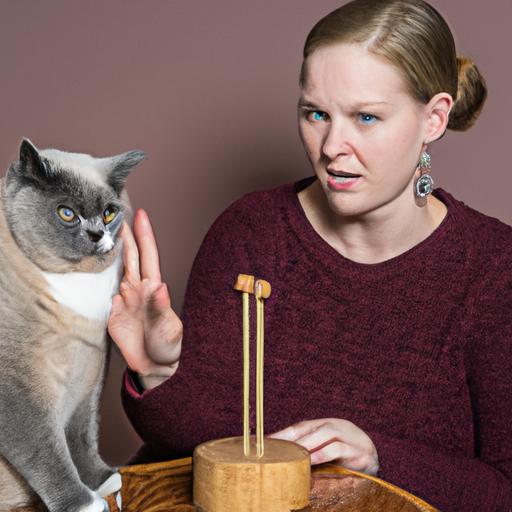
- Clicker Training: This method involves using a small device that makes a clicking sound. When your cat performs a desired action, like sitting on command, you click and immediately follow it up with a treat. This not only reinforces the behavior but makes your cat more engaged in the training process.
- Treat Rewards: Offering a tasty treat when your cat behaves appropriately—such as using their litter box rather than your carpets—encourages them to repeat these actions. You can also use their favorite treats for added motivation; many cats have unique preferences that can be discovered through experimentation.
- Verbal Praise: Cats respond well to tone and can recognize enthusiasm in your voice. Pairing verbal affirmations with physical affection, like petting or playtime, further establishes a positive feedback loop for good behavior.
As you dive deeper into the practice of positive reinforcement, you’ll find that these techniques will not only enhance your training sessions but also lead to a more harmonious living environment with your cat. A well-trained pet contributes to a peaceful household dynamic and enriches your life with joy and companionship. Delve into the world of cat psychology and observation, and you’ll undoubtedly discover new ways to connect with your feline friend through positive reinforcement.
DIVE DEEPER: Click here to discover more
Implementing Positive Reinforcement Techniques
To truly embrace the effectiveness of positive reinforcement in cat training, it’s vital to understand how to implement these techniques in everyday situations. Cats possess unique behavioral traits that can be positively influenced through targeted reinforcement methods. By utilizing simple, consistent actions, you can guide your feline companion’s behavior in a way that is not only effective but also enjoyable for both of you.
One of the most critical aspects of positive reinforcement is timing. When rewarding your cat for a desired behavior, make sure to deliver the reward immediately after they perform the action you want to encourage. This immediate association helps your cat make the connection between their behavior and the reward, solidifying the learning process. For example, if your cat jumps onto the right piece of furniture, reward them with a treat right away to reinforce that action.
Another vital factor is consistency. Cats thrive in environments where expectations are clear and outcomes are predictable. This means that rewards should accompany good behavior each time it occurs, ensuring your cat knows exactly what behaviors are being reinforced. Inconsistent reinforcement can lead to confusion, leaving your cat uncertain about what actions are desirable. For example, if you only reward your cat for using the scratching post occasionally, they may remain unsure of what is expected of them, potentially leading to unwanted scratching on furniture.
Effective Reward Systems
To maximize the benefits of positive reinforcement, implementing effective reward systems can play a pivotal role. Here are a few strategies that can help optimize the training experience:
- Variety of Rewards: While treats are commonly used in training, incorporating a variety of rewards can keep your cat engaged. Use toys, praise, or even a play session with a favorite feather wand as a form of positive reinforcement. Mixing up rewards can maintain your cat’s interest and encourage them to engage in desired behaviors.
- Gradual Reward Withdrawal: As your cat becomes more proficient in the desired behavior, gradually decrease the frequency of treats while still offering praise. This helps your cat learn to perform the behavior without always expecting a reward, solidifying their understanding and independence.
- Interactive Play: Engaging your cat in play can also serve as a reward. After your cat successfully performs a trick or uses their scratching post, follow up with a lively play session. This creates a fun and positive association with following your commands.
Adopting these strategies not only enhances the effectiveness of your training sessions but also creates a more rewarding experience for your cat. A well-trained cat understands the boundaries of acceptable behavior, resulting in fewer behavioral issues and a joyful companionship. As you further explore the landscape of positive reinforcement, you’ll discover that fostering a loving and mutually respectful relationship with your feline friend is not only straightforward but immensely fulfilling.
| Advantage | Description |
|---|---|
| Improved Bonding | Using positive reinforcement methods can strengthen the emotional connection between you and your cat, leading to better overall behavior and trust. |
| Encourages Learning | This technique motivates your cat to engage in desired behaviors, making training sessions more effective and enjoyable for both pet and owner. |
When exploring the engaging world of Positive Reinforcement Techniques in Cat Training, it’s essential to consider how these strategies create a positive environment that fosters learning and trust. By emphasizing rewards, owners can discover creative ways to communicate with their cats, enhancing the training experience. This approach not only serves practical training goals but also enriches the emotional connection that fosters a harmonious household. As readers seek deeper understanding, insightful data on various rewards, including treats, praise, and playtime, invoke curiosity about how cats respond to different types of reinforcement.Moreover, as cats exhibit unique personalities, understanding these reinforcement tactics becomes even more crucial. Engaging stories and testimonials from cat owners further underline the effectiveness of these methods, encouraging readers to adopt or refine their training practices. Whether you’re tackling behavioral issues or just aiming to socialize your feline friend, the journey of positive reinforcement can transform mundane training into an enjoyable adventure, making both owner and cat feel more involved and connected.
DISCOVER MORE: Click here to learn how to keep your pets healthy
Creating a Positive Training Environment
Establishing a conducive training environment is fundamental to maximizing the benefits of positive reinforcement techniques in cat training. An environment that is calm, secure, and devoid of distractions will significantly enhance your cat’s ability to focus and learn. Here are some strategies to consider when setting up your training sessions:
- Choose an Appropriate Space: Select a training area that is quiet and free from interruptions. Whether it’s a cozy corner of your living room or a dedicated space in your home, ensure it is comfortable for both you and your cat. A designated training spot helps signal to your cat that it’s time to learn, which can improve the effectiveness of your sessions.
- Limit Distractions: Cats can be easily distracted by noises, other pets, or even moving toys. Minimizing these distractions allows your cat to remain engaged in the training process. If necessary, limit access to the training area during session times, and consider using calming music or pheromone diffusers to create a soothing atmosphere.
- Timing Your Sessions: The timing of your training sessions can greatly impact success. Aim to schedule training when your cat is naturally more active and alert, often in the morning or early evening. Keeping sessions brief—around 5 to 10 minutes—will help maintain your cat’s interest and prevent frustration.
Using Clicker Training
A popular method within the realm of positive reinforcement is clicker training. This technique utilizes a small device that makes a distinct “click” sound to mark desired behaviors. The immediate auditory signal, when paired with a treat, creates a strong association in the cat’s mind. Here’s how to effectively use clicker training:
- Introduce the Clicker: Begin by allowing your cat to investigate the clicker. Once they are comfortable, press the clicker and immediately reward them with a treat. This creates a positive association with the sound.
- Marking Behaviors: Once your cat understands the association between the click sound and receiving a treat, you can begin to click when they exhibit desired behaviors. For instance, if they sit on command, click and treat right away. This technique helps clarify exactly which behavior is being rewarded.
- Generalizing Behaviors: After a few successful training sessions, try to generalize the behavior in different contexts. For example, practice sitting in various rooms of the house. Clicker training can also be effective in harnessing other behaviors, such as coming when called or high-fiving.
Incorporating clicker training into your sessions adds an engaging element that can foster quicker learning and deeper bonds between you and your cat. Moreover, this technique empowers cat owners to be more precise in their training approach, allowing your cat to learn at their own pace.
Understanding Your Cat’s Motivations
A crucial aspect of effective positive reinforcement is understanding what truly motivates your cat. Each feline has unique preferences that can vary widely from one individual to another. While some cats may be food-driven, others may respond better to play or social interaction. Observing your cat’s behavior and figuring out their preferred rewards can lead to more effective training sessions. Consider these tips:
- Experiment with Different Rewards: Rotate through different types of treats, toys, and forms of interaction. This experimentation can help identify what your cat responds to best. You might discover that they are motivated by a specific type of treat or prefer engaging with a new toy.
- Monitor Interest Levels: Pay attention to how eagerly your cat engages with different rewards during training sessions. If they seem uninterested in a particular treat, it may be time to switch it up. The more excited and motivated they are, the more likely they are to engage in the desired behavior.
- Utilize Natural Behaviors: Incorporating your cat’s natural instincts into training can further enhance engagement. For example, if your cat loves to hunt, using toys that mimic prey can make training more enjoyable and motivating.
By understanding and tapping into your cat’s unique motivators while creating a suitable environment, you’ll foster an enriching training experience that not only celebrates positive behavior but strengthens the bond between you and your feline friend.
LEARN MORE: Click here to discover essential tips
Conclusion
In the realm of cat training, employing positive reinforcement techniques can transform your interactions with your feline companion, making the learning process both effective and enjoyable. Through understanding your cat’s unique motivations, whether they be treats, toys, or playtime, you can tailor your approach to maximize their engagement and enthusiasm. This personalized touch not only enhances learning but also deepens the bond between you and your cat, paving the way for a harmonious relationship.
Creating the right environment for training is equally crucial. A calm and structured space, free from distractions, sets the stage for productive sessions. Implementing techniques such as clicker training further elevates the experience, allowing you to clearly communicate desired behaviors. By offering immediate feedback through sounds and rewards, you facilitate a clearer understanding for your pet.
Moreover, observing and adjusting to your cat’s preferences ensures that each training session remains stimulating and rewarding. This ongoing process of adaptation fosters a culture of learning and growth, not just for your cat, but for you as well. As you embark on this journey, remember that patience and consistency are key elements; the rewards of a well-trained cat are well worth the effort. Embrace the principles of positive reinforcement, and watch as your cat flourishes into a confident, well-behaved companion.