Homemade Food vs. Kibble: What Is Better for Your Pet?
Understanding Your Pet’s Dietary Needs
Navigating the world of pet nutrition can be daunting for many pet owners. With the plethora of food options available, from commercial kibble to homemade meals, making the right choice can become a tricky task. Each option presents distinct advantages and disadvantages that require careful consideration.
Kibble is often lauded for its convenience. It is shelf-stable, easy to measure, and readily available in pet stores across the United States. Major brands like Hill’s Science Diet, Purina Pro Plan, and Royal Canin have invested heavily in research to enhance their products, claiming better nutritional value and improved taste. Kibble is specially formulated to meet various dietary needs and life stages, from puppy to senior formulas, which can be beneficial for owners looking for a one-size-fits-all solution.
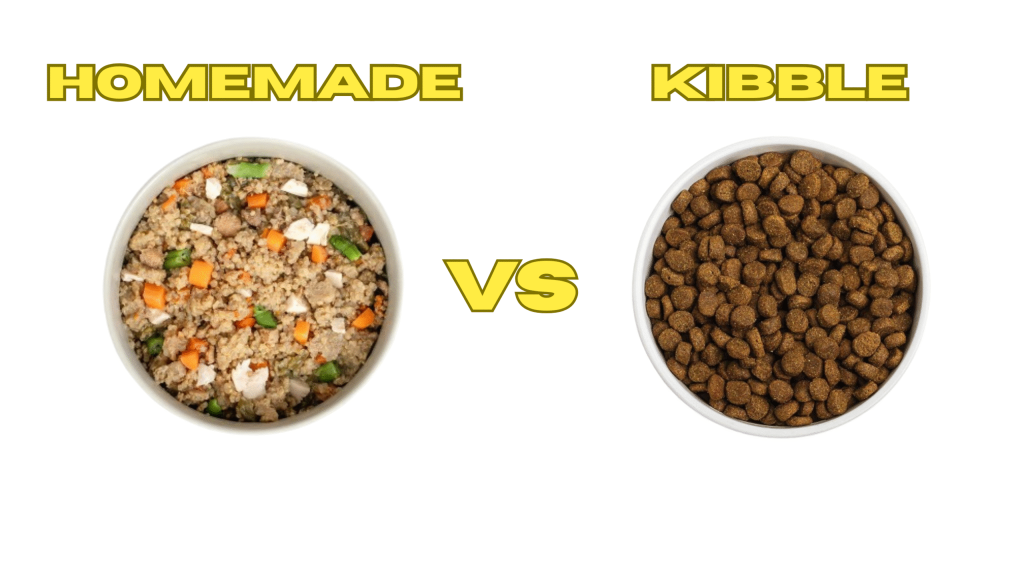
On the flip side, homemade food offers a unique opportunity for pet owners to take control of their pets’ nutrition. By preparing meals from scratch, you can handpick fresh ingredients that cater to your pet’s specific likes and dietary restrictions. For example, if your dog has a food allergy to chicken, a homemade diet allows you to substitute it with turkey or fish. Additionally, concocting meals with whole grains, vegetables, and proteins can lead to greater satisfaction and health benefits for your furry friend.
- Ingredients: While kibble may include fillers and preservatives that extend shelf life, homemade meals can prioritize fresh, whole ingredients without any additives.
- Customization: The ability to adjust recipes based on your pet’s individual health concerns—such as allergies, age, or specific dietary needs—makes homemade meals an appealing option for many owners.
- Cost: Kibble often provides a more economical long-term solution, especially if purchased in bulk, while homemade diets can be pricier depending on the choice of ingredients and living costs.
- Preparation Time: Committing to homemade food necessitates time and effort; planning, prepping, and cooking each meal requires a significant investment of your schedule.
Recent surveys indicate a shift in pet owner preferences, with many leaning towards homemade diets due to rising concerns about ingredient quality and allergies. It is reported that nearly 25% of pet owners in the U.S. have tried making their own pet food, reflecting a desire for transparency in what they feed their pets. However, kibble manufacturers have responded to consumer demands by reformulating their products, often touting improvements in nutrition, digestibility, and flavor.
Ultimately, the decision between homemade food and kibble requires a balanced approach. Understanding your pet’s specific nutritional requirements, your budget, and lifestyle will provide clarity in making the right choice. Whether you opt for the convenience of kibble or the customized goodness of homemade meals, prioritizing your pet’s health and well-being is what matters most.
DISCOVER MORE: Click here to learn how to identify food allergies in your pets
Evaluating the Nutritional Value
When it comes to your pet’s diet, the nutritional value is paramount. While both homemade food and kibble have their strengths, understanding what goes into each option can help you make a more informed decision for your beloved companion. The first step is to consider the core nutritional components your pet requires—including proteins, fats, carbohydrates, vitamins, and minerals.
Kibble is formulated to provide a complete and balanced diet, containing a mix of proteins, fats, and fiber essential for energy and overall health. One of its significant advantages is its consistency. Major brands conduct extensive research and often undergo rigorous testing to ensure their products meet the standards set by the Association of American Feed Control Officials (AAFCO). This guarantees that the kibble provides at least the minimum nutritional requirements for various life stages and types of pets. However, many kibble varieties may include fillers, artificial flavors, and preservatives that can raise concerns about long-term health impacts. Ingredients like corn gluten meal or soy protein isolate, while cost-effective, don’t always contribute positively to your pet’s diet.
On the other hand, homemade food allows pet owners to select high-quality ingredients tailored specifically to their pet’s dietary needs. A well-planned homemade diet can ensure that pets receive fresh proteins, wholesome grains, and nutrient-rich vegetables, potentially leading to improved health outcomes. Feeding your pet whole foods free from preservatives can combat various health issues, such as obesity, allergies, and digestive problems. Many pet owners report noticing a difference in their pets’ energy levels and coat quality when transitioning to homemade meals. However, crafting a nutritionally complete homemade diet requires careful planning to avoid deficiencies in essential nutrients. It’s vital to consult with a veterinarian or a pet nutritionist to ensure you provide a balanced homemade diet.
- Vitamin and Mineral Balance: Kibble often has added vitamins and minerals to meet nutritional standards, while homemade diets may require careful attention to balance ingredients to avoid deficiencies.
- Freshness and Quality: Homemade meals can feature organic, fresh produce and meats, ensuring that your pet receives the healthiest options available.
- Allergen Management: Customizing homemade meals allows you to eliminate allergens and tailor meals for pets with specific dietary restrictions.
- Labor Intensity: Investing time in meal preparation can lead to a learning curve, and some pet owners may find the process daunting or time-consuming.
With evolving perspectives on pet nutrition, studies indicate that around 40% of pet owners consider homemade meals a better alternative due to increased awareness of ingredient transparency. Such statistics showcase the growing trend of prioritizing pet health over convenience. Whether leaning towards the time-saving aspect of kibble or embracing the idea of crafting meals from scratch, each option prompts pet owners to delve deeper into what truly benefits their furry friends.
Exploring the Nutritional Benefits
When it comes to deciding between homemade food and kibble for your pet, understanding their nutritional needs is essential. Both options have unique advantages that can significantly impact your pet’s health and well-being.Homemade food offers a significant advantage in terms of ingredient transparency. You have complete control over what goes into your pet’s meals. This means you can tailor the diet based on your pet’s specific health needs, be it a grain-free option for those with gluten sensitivities or the inclusion of antioxidants for an aging pet. Additionally, homemade meals often include fresh ingredients, which can boost the nutritional profile compared to processed kibble, enhancing flavor and palatability.On the other hand, kibble provides convenience that is hard to ignore. With a longer shelf life and easy storage, it simplifies meal prep, especially for busy pet owners. Many commercial kibble brands are formulated to meet the nutritional guidelines set by pet food authorities, ensuring that your pet receives a balanced diet that meets their energy and health requirements.
Cost Considerations and Accessibility
From a financial perspective, the cost of feeding a pet can significantly influence your choice. Kibble tends to be more affordable and available in bulk, making it an economical option for many pet owners. In contrast, homemade food may initially seem more expensive due to the cost of fresh ingredients and preparation. However, considering the potential health benefits, reduced vet bills could offset the initial investment, making homemade food a valuable option in the long run.In conclusion, while both homemade diets and kibble present their own unique advantages, the decision ultimately hinges on factors like lifestyle, dietary needs, and financial considerations. Exploring the pros and cons of each option ensures that you are making a well-informed choice for your beloved pet.
DISCOVER MORE: Click here to learn about nutritional supplementation for pets
Practical Considerations
Deciding between homemade food and kibble for your pet often involves a variety of practical considerations that can impact not only your pet’s health but also your lifestyle. Understanding these factors can help pet owners navigate the complexities of pet nutrition while ensuring their furry companions are well-fed and happy.
Time and Effort: Preparing homemade meals requires a commitment of time and effort that can be challenging for busy pet owners. The process involves researching recipes, sourcing high-quality ingredients, and dedicating time for cooking and meal prep. For instance, larger breeds may require more food, resulting in an extended preparation time. In contrast, kibble is quick and convenient; simply pour it into your pet’s bowl, and you are ready to go. This ease of use can be particularly attractive for those managing multiple pets or juggling a hectic schedule.
Cost Analysis: Financial considerations also play a significant role in the decision-making process. While homemade food can sometimes appear more expensive upfront, especially if you opt for premium organic ingredients, the long-term health benefits could save costs related to vet bills caused by food-related health issues. In contrast, kibble generally has a more consistent price point and can be more affordable per serving, especially when purchased in bulk. It’s essential for pet owners to evaluate their budgets and consider how much they are willing to invest in their pet’s nutrition.
Storage and Shelf Life: Convenience extends to storage as well. Kibble can be stored for months without spoiling and doesn’t require refrigeration, making it suitable for those with limited space. Homemade meals, conversely, often require refrigeration and have a shorter shelf life, which might lead to waste if not consumed in a timely manner. Freezing homemade meals can mitigate this issue, but it does demand a level of planning and forethought.
Dietary Adaptability: Every pet is unique, and dietary preferences can vary widely among individual animals. Some pets may thrive on a kibble diet but struggle with homemade diets due to ingredient sensitivities or gastrointestinal responses. Others might find kibble unpalatable compared to fresh meals. For pet owners navigating these challenges, experimenting with different recipes or variety in kibble may be necessary in order to find the right fit for their pet’s taste and health.
Emotional Bonding: Creating meals for your pet can also serve as an opportunity for bonding. The act of cooking for one’s pet can enhance the relationship between owner and animal, providing a sense of gratification and connection. Observing your pet’s enjoyment of homemade treats can be rewarding, as many pet owners relish the joy their pets experience from fresh, flavorful foods. This dynamic can influence the choice significantly, leading owners to favor homemade options, even if they require more time and effort.
In light of these practical considerations, many pet owners find themselves weighing the convenience of kibble against the benefits of preparing homemade meals. Whether driven by health concerns, lifestyle needs, or bonding opportunities, the decision is rarely straightforward and often requires careful thought and planning.
Dive Deeper: Click here to learn more about balanced nutrition for your pet
Conclusion
In the ongoing debate of homemade food vs. kibble, it’s clear that there is no one-size-fits-all answer. Each option presents distinct advantages and challenges, ultimately hinging on individual pet needs, owner lifestyle, and personal preferences. For those who prioritize convenience and efficient meal prep, kibble emerges as a practical choice, allowing for often hassle-free feeding paired with affordability. However, the allure of homemade meals lies in the opportunity to provide fresh, nutritious ingredients that can cater to specific health requirements, sensitivities, and dietary preferences, while also fostering a deeper emotional connection with the pet.
More than just a nutritional choice, the decision encapsulates broader aspects of pet ownership—time, costs, and personal investment in a pet’s wellbeing. To navigate these complexities, pet owners should consider consulting with veterinary professionals to tailor a diet that addresses their pet’s specific health needs and preferences. Moreover, exploring hybrid approaches that incorporate both kibble and homemade options could allow owners to enjoy the best of both worlds, promoting balanced nutrition while simplifying meal preparation.
Ultimately, whether you gravitate towards homemade food or choose the ease of kibble, the primary objective remains the same: ensuring your pet lives a healthy, happy life. Therefore, take the time to assess your situation, experiment with various options, and invest in your pet’s nutrition. Your furry friend deserves the best, and with thoughtful consideration, you can provide them with a diet that meets their unique needs.