
How to Use Interactive Toys to Improve Your Pet’s Training

Unlocking the Potential of Interactive Toys
As pet owners, finding effective methods to engage and train our furry companions can be a challenge. Interactive toys provide an exciting solution, making training not just productive, but also enjoyable. These toys stimulate a pet’s mind while reinforcing positive behavior through play. Not only do they bring fun into the equation, but they also unleash the full potential of our pets’ cognitive abilities.
Why Choose Interactive Toys? Here are some compelling reasons:
- Enhances Cognitive Skills: Many interactive toys require pets to solve puzzles, fostering their problem-solving abilities. For instance, treat-dispensing puzzles force dogs to think critically about how to extract the treats within, enhancing their mental agility.
- Keeps Pets Active: Interactive toys encourage physical play, which is crucial for a pet’s overall health. Toys like flirt poles or laser pointers not only promote activity but also give pets an outlet to burn excess energy through fun and engaging ways.
- Strengthens the Bond: Training through play can enhance the relationship between you and your pet. Engaging in interactive play fosters mutual trust and understanding, creating a deeper connection as pets learn to associate the interaction with positive reinforcement.
Incorporating these toys into your training routine can yield impressive results. From basic ball launchers that allow pets to fetch independently to advanced electronic devices that reward them for tricks, the variety is extensive. For example, the Wonderball automatically dispenses treats when the pet nudges it, ensuring that the pet remains engaged while rewarding their curiosity. The possibilities are vast and can cater to different pet sizes, temperaments, and learning stages.
By leveraging natural instincts and turning training into a game, interactive toys can be a game-changer in pet training. Consider merging traditional training methods with these innovative tools. Not only does this approach make lessons more enjoyable, but it often results in quicker learning, as many pets are naturally inclined to explore and play.
Look for toys that are specifically designed with safety in mind. Products tested for durability and non-toxic materials ensure that they withstand both vigorous play and the natural chewing tendencies of pets. By choosing high-quality interactive toys, you are ensuring that your pet’s playtime remains safe and beneficial.
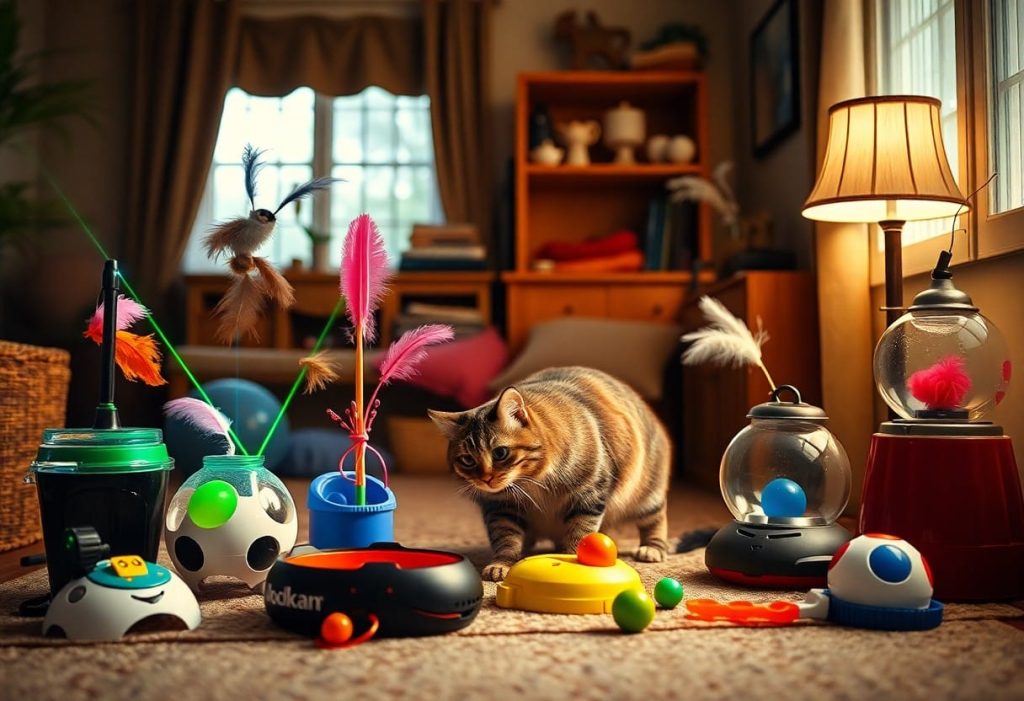
In conclusion, interactive toys are more than just playthings; they are essential tools that aid in a pet’s mental and physical development. As you explore these products, remember the importance of consistency and encouragement in their training. With dedication and the right resources, you’re on your way to raising a happy, well-balanced pet who thrives in both training and companionship. Read on to discover how to effectively integrate these innovative tools into your training sessions for a happy, well-behaved pet.
DISCOVER MORE: Click here for pet enrichment ideas
Integrating Interactive Toys Into Training Sessions
When it comes to enhancing your pet’s training experience, interactive toys serve as both an engaging distraction and a powerful motivational tool. These products are designed not just for entertainment but also to facilitate learning and development. The next step is to understand how to properly integrate these toys into your training regimen for maximum effectiveness.
Creating a Structured Training Routine: To effectively use interactive toys, begin by establishing a structured training schedule. Consistency is key in reinforcing behaviors and ensuring your pet retains what they learn. Here are some tips for creating a practical routine:
- Set Specific Goals: Identify the behaviors or commands you want to teach your pet, such as sit, stay, or shake. Link these specific goals with appropriate interactive toys that correspond to those behaviors.
- Incorporate Playtime: Use interactive toys as a reward for successful completion of commands. For instance, after your dog successfully sits on command, reward them with a few minutes of play with a puzzle feeder or treat-dispensing ball. This positive reinforcement encourages them to repeat desired actions.
- Mix Training and Play: Consider blending training exercises with interactive play sessions. This could involve using a tug toy to encourage your dog to “drop it” or engaging them in fetch with a launching toy to reinforce the “come” command when they retrieve the item.
The relationship between play and training is symbiotic. Interactive toys can make learning enjoyable, thus reducing stress and anxiety for both pet and owner. For example, an interactive laser toy can be used to motivate your cat to jump and chase, while at the same time teaching them to focus on a target. With patience and persistence, your pet’s skills will grow in tandem with their enjoyment.
Choosing the Right Toys for Your Pet: Selecting interactive toys that match your pet’s personality and learning style is crucial. Some pets thrive on physical activity and prefer toys that promote movement, while others may excel in mental challenges involving puzzles. Understanding your pet’s preferences will make training more enjoyable and facilitate faster learning. Consider the following criteria when selecting interactive toys:
- Durability: Look for toys made from robust materials that can withstand your pet’s play style, especially if they are an enthusiastic chewer.
- Size Appropriateness: Ensure the toy is suitable for your pet’s size; small toys can pose choking hazards for larger breeds and vice versa.
- Adjustable Difficulty Levels: Many interactive toys come with adjustable settings that allow you to increase the challenge as your pet improves, adapting to their changing needs.
Incorporating these strategies into your training routine will enhance your pet’s ability to learn while creating a fun and rewarding environment. Interactive toys are more than just gadgets; they play an essential role in bridging the gap between learning and enjoyment. As you master these techniques, your pet will not only show significant improvement in their training but also form a deeper connection with you along the way.
| Category | Description and Benefits |
|---|---|
| Cognitive Development | Interactive toys challenge your pet’s mind, enhancing problem-solving skills and reducing boredom. |
| Positive Reinforcement | Utilizing toys in training creates associations between play and learning, effectively increasing motivation. |
| Physical Exercise | Many interactive toys require physical movement, which promotes health and alleviates behavioral issues. |
| Bonding Opportunities | Playing with interactive toys fosters a stronger bond between you and your pet, encouraging trust and affection. |
Interactive toys are not just a distraction for your pet; they are powerful training tools. By integrating play into your training regimen, you’re ensuring that the experience is enjoyable and enriching for both you and your furry companion. These toys stimulate various aspects of your pet’s abilities, from memory to agility, tailored to specific species or breeds. Additionally, establishing a routine that includes interactive playtime can significantly mitigate behavioral issues stemming from boredom or excess energy.Moreover, when your pet engages with interactive toys, you’re equipping them with skills that transcend simple tricks; you’re instilling a sense of accomplishment and a willingness to learn. By combining interactive play with positive reinforcement strategies, you can enhance your pet’s learning potential exponentially. Embracing this innovative approach to training can pave the way for a well-adjusted, obedient, and joyful pet. Stay tuned for more insights on integrating interactive toys effectively into your pet’s training journey!
LEARN MORE ABOUT: Click here to discover the benefits
Maximizing the Benefits of Interactive Toys
After selecting the right interactive toys and establishing a structured training routine, it’s essential to focus on how to maximize their benefits effectively. Understanding the various methods and approaches to using these toys can make a significant difference in your pet’s training journey.
Positive Reinforcement and Interactive Play: One of the most effective training principles is positive reinforcement. Using interactive toys as rewards during training sessions encourages your pet to associate learning with fun. For instance, training your dog to perform a specific trick can be made easier by rewarding them with a treat-dispensing ball as soon as they get it right. The immediate reward strengthens the behavior you’re trying to instill. This method transforms the learning process into an enjoyable activity rather than a mundane task.
Engaging Multiple Senses: Interactive toys can stimulate various senses, helping to enrich your pet’s learning experience. For example, toys that squeak, jingle, or contain different textures can keep your pet’s interest piqued, making them more likely to engage with the training. Utilizing a variety of sensory experiences can bolster your training sessions and cater to your pet’s specific preferences. Dogs may respond positively to visually stimulating toys, while cats may be more attracted to sound or motion, such as laser lights.
Socialization Through Interactive Toys: Training isn’t solely about command learning; it also involves social skills. Interactive toys can facilitate positive interactions between pets and humans, or even between different pets. For instance, using a tug toy during group play can teach your dog important lessons in sharing and teamwork, as they interact with other dogs and their owners. This type of play not only reinforces good behavior but also builds confidence in your pet and strengthens bonds within your family—or pack.
Monitoring Engagement Levels: It’s crucial to observe how your pet interacts with the toys you’ve selected. Some pets may quickly master a particular toy, leading to boredom. To counteract this, regularly switch between different toys to keep your training sessions dynamic and engaging. For instance, one day you might incorporate a puzzle feeder that requires problem-solving, while on another day, use a chase toy that encourages physical activity. Sticking to a routine can lead to stagnation in learning; therefore, variety is key.
Incorporating Real-Life Situations: Another effective strategy is to use interactive toys in real-life scenarios. For example, if you’re training your dog to follow commands in a less controlled environment, try using a ball that dispenses treats as an incentive during your outings to the park. As your dog practices commands amidst distractions, the toy can keep their focus on you while reinforcing their training in a fun, engaging manner.
The creativity in how you choose to use interactive toys can make all the difference. Pairing the right toys with specific training goals, utilizing positive reinforcement, and fostering social interactions will enhance your pet’s learning experience significantly. As you adapt to your pet’s needs, you’ll notice an immeasurable bond between you both, allowing training to become an enriching and essential part of your everyday life.
DISCOVER MORE: Click here for essential resources on animal adoption
Conclusion
Incorporating interactive toys into your pet’s training regimen is not just a trend; it’s a transformative approach that enhances engagement, learning, and the overall bond between you and your furry companion. By leveraging the principles of positive reinforcement, you can help your pet associate training with pleasurable experiences. The right toys stimulate their senses, making learning fun and dynamic. Moreover, these toys can facilitate social interactions, teaching essential skills like sharing and teamwork.
Continually adapting your training methods by switching between various interactive toys is crucial in maintaining your pet’s interest and enthusiasm. As every pet has unique preferences, observant pet owners can tailor their training experiences to be as effective as possible. Incorporating toys into real-world scenarios also allows your dog or cat to respond well to commands in less controlled environments, boosting their confidence and reliability.
Ultimately, the journey of using interactive toys for training goes beyond merely achieving behavioral goals. It fosters a deep connection and understanding within the pet-owner relationship, turning everyday training into meaningful moments. As you explore new interactive opportunities, not only will your pet’s skills flourish, but so will the joy and companionship that enrich your lives together. So, dive into the world of interactive toys and watch how it revolutionizes your approach to pet training.