
Volunteering in Adoption Shelters: How to Contribute and Learn from the Experience

Exploring the Impact of Volunteering in Adoption Shelters
Engaging with adoption shelters is a profound way to make a difference in the lives of countless animals. By volunteering, you not only provide essential support to shelters but also gain invaluable experiences that can shape your perspective on care and compassion. Every hour spent at a shelter can bring hope and happiness to animals waiting for forever homes. Moreover, each volunteer plays a crucial role in changing the narrative around adoption and animal welfare.
Here are some impactful ways you can contribute:
- Direct Animal Care: Feeding, grooming, and exercising animals is not just about meeting their basic needs; it significantly contributes to their emotional well-being. Healthier, happier pets are more likely to be adopted. For instance, regular exercise can reduce stress and anxiety in animals, making them more approachable to potential adopters. Grooming not only enhances their appearance but also provides bonding moments that increase trust and affection.
- Administrative Support: Many shelters operate with limited staff, making administrative tasks crucial. Assisting with paperwork, managing social media accounts, or organizing events can create smoother operations and bring in necessary funding. For instance, a well-managed fundraising event can double as a community outreach opportunity, spreading awareness about the shelter’s mission.
- Community Outreach: Promoting adoption and education about animal welfare raises awareness about the urgent need for homes. Volunteering to participate in local fairs, or school programs, can help dispel myths about shelter animals and highlight the benefits of adopting rather than buying pets. Sharing success stories on social media can dramatically influence public perception, inspiring others to consider adoption.
Volunteering also offers a unique opportunity to further your personal growth:
- Enhance Skills: In the process of helping animals, you’ll gain knowledge about animal behavior, effective training techniques, and even insights into shelter management practices. This experience can be invaluable if you choose to pursue a career in veterinary medicine or animal care.
- Build Connections: Volunteer opportunities allow you to meet like-minded individuals who share your passion for animal welfare. The bonds formed in these environments can lead to lasting friendships and collaborative efforts toward improving animal care in your community.
- Gain Life Lessons: The responsibilities and experiences foster growth in empathy and accountability. Encountering animals in need teaches valuable lessons about compassion, resilience, and the importance of giving back to the community.
According to the ASPCA, there are more than 3 million shelter animals in the United States waiting for homes, underscoring the urgent need for volunteer support. Your involvement can have a lasting impact on both the animals you assist and the community at large. Whether you’re looking for a one-time event or a long-term commitment, the journey of volunteering at an adoption shelter offers profound rewards that resonate far beyond your immediate contributions. By stepping into this role, you have the power to change lives—both human and animal—creating a ripple effect of positivity in your community.
Ways to Get Involved at Adoption Shelters
Understanding how you can contribute effectively to adoption shelters is crucial for maximizing your impact. Each skill set, no matter how unique, can find a valuable application within these organizations. Consider the following avenues for involvement:
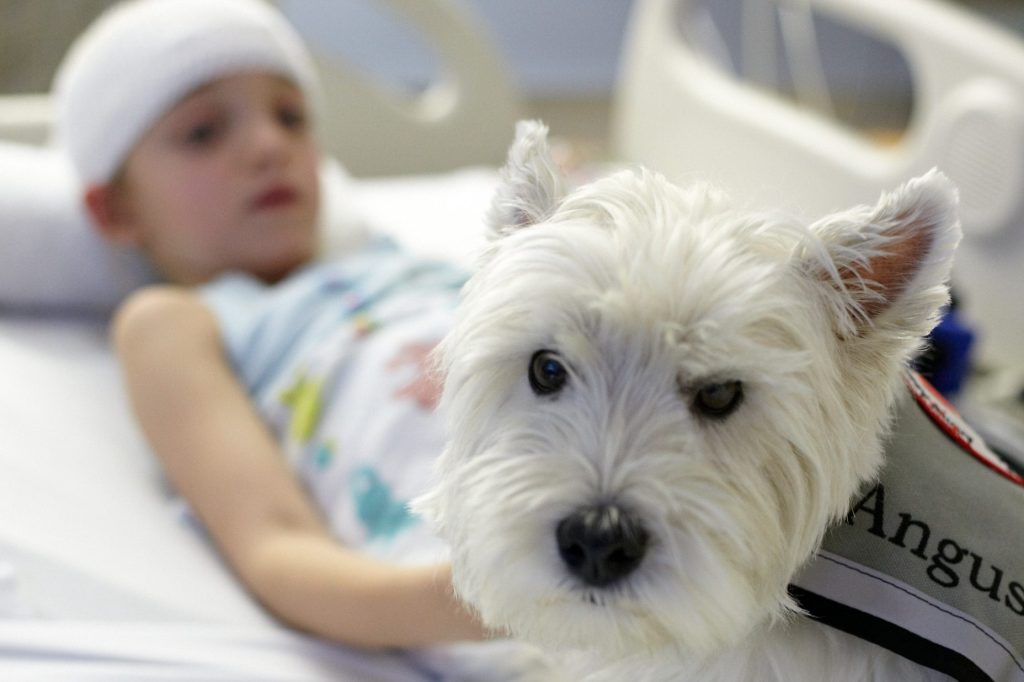
- Foster Care Programs: One of the most impactful ways to help is by becoming a foster caregiver. Providing a temporary home for animals can significantly ease shelter overcrowding and allow for personalized care. This experience not only gives the animal a chance to thrive in a home environment but also helps in socializing them, making them more adoptable. The foster home dynamic allows volunteers to tailor their support to each animal’s specific needs, from overcoming behavioral issues to preparing them for life with a family.
- Training and Behavior Support: If you have experience with animal behavior or training, this skill can greatly benefit shelter animals. Many shelters seek volunteers to help train dogs and socialize cats, which can reduce anxiety and make them more approachable for potential adopters. By fostering positive behaviors and encouraging good habits, you can help animals present their best selves during adoption events.
- Fundraising Initiatives: Financial support is crucial for the survival and success of adoption shelters. Utilizing your creativity and organizational skills to host fundraising events, online campaigns, or donation drives can bolster the shelter’s resources. Events like charity walks, bake sales, or even a themed-party fundraiser within your community can galvanize support while raising awareness about the shelter’s mission.
As you explore these options, keep in mind how volunteering shapes your personal development:
- Real-World Experience: Volunteering gives you hands-on experience that enriches your understanding of animal welfare. Encountering different breeds, temperaments, and health conditions will help you appreciate the nuances of animal care and welfare more deeply than any textbook.
- Skill Development: While providing support to animals in need, you will develop a range of applicable skills. From learning how to handle sick or fearful animals to mastering logistical organization for events, each task helps you grow personally and professionally. Building these competencies can pave the way for future career opportunities in fields related to animal care, veterinary services, or non-profit work.
- Personal Reflection: Your time at an adoption shelter may also spark crucial self-reflection. By witnessing the resilience of animals despite their circumstances, you may gain insights into your compassion, values, and the importance of community engagement. This connection can inspire you to advocate for animal welfare beyond your volunteer commitment.
Statistics from the Humane Society indicate that approximately 6.5 million companion animals enter U.S. shelters every year, underlining the critical importance of volunteer contributions. Engaging with these animals not only changes their life stories but also enriches your own, creating a mutually beneficial cycle of growth and empathy.
| Category | Description |
|---|---|
| Skill Development | Engaging with animals enhances life skills like empathy, patience, and responsibility. |
| Community Impact | Volunteers play a crucial role in improving the welfare of local animals and aiding their adoption process. |
| Networking Opportunities | Connecting with other volunteers can lead to friendships and professional opportunities in animal care. |
| Emotional Rewards | Caring for animals and seeing their progress can offer a deep sense of fulfillment. |
Volunteering in adoption shelters isn’t just about giving time; it’s a chance to delve into a world where compassion meets personal growth. With every hour spent caring for animals, volunteers can significantly enhance their skills and knowledge in various aspects of animal care and management. Not only does this benefit the animals, but it also enriches the volunteer’s life. Moreover, experiencing the direct impact of their efforts fosters a profound connection to the community. By witnessing how small contributions lead to positive changes in an animal’s life, volunteers often find themselves inspired. The emotional rewards tied to volunteering can improve mental well-being and create a unique appreciation for the role that animals play in our lives. Each encounter in the shelter becomes a learning experience, reinforcing the commitment to animal welfare and community support. Volunteering in shelters is an invitation to become a part of something greater, where every act of kindness carries the weight of potential change. This opportunity to contribute is matched only by the lessons one learns along the way, leading to lifelong memories and friendships rooted in a shared purpose.
Skills You Can Cultivate Through Volunteering
Engaging with animals at adoption shelters goes beyond mere assistance; it offers an invaluable opportunity for personal and professional growth. As you embark on this journey, consider the vast array of skills that can be honed through your involvement:
- Communication Skills: Working in an adoption shelter often requires effective communication with staff, fellow volunteers, and potential adopters. You will learn how to convey information clearly, whether you are discussing an animal’s temperament, medical needs, or history with a prospective pet owner. This skill is universally applicable, enhancing your interpersonal capabilities in any field.
- Teamwork and Collaboration: Adoption shelters rely heavily on teamwork, where volunteers must collaborate with each other and staff members to achieve common goals. Your experience in coordinating with others to respond to the needs of the shelter will empower you to become an effective team player in future endeavors. Understanding the dynamics of group work can also help alleviate any conflicts that may arise, making you a valuable asset in professional environments.
- Problem-Solving Abilities: From managing logistics during major adoption events to addressing unexpected animal behavior, volunteering in shelters demands quick thinking and adaptability. You will face real-time challenges that require innovative solutions. By improving your problem-solving skills, you not only assist the shelter but also develop a mindset that prepares you for future challenges in both personal and professional settings.
The Emotional Rewards of Volunteering
While the practical benefits of volunteering at adoption shelters are significant, the emotional rewards can be even more profound. Each interaction with the animals can foster a connection that leaves lasting impressions:
- Empathy Development: Understanding the plight of shelter animals instills a sense of empathy that can profoundly shape your worldview. Observing the transformations of shy or scared animals into loving pets reveals the power of kindness and patience. This experience can deepen your understanding of the human-animal bond and inspire you to participate in advocacy efforts for animal welfare.
- Community Impact: Your presence and contributions help strengthen the social fabric of your community. By aiding an adoption shelter, you contribute to promoting responsible pet ownership and helping to lower euthanasia rates. Research shows that engaging with the community can foster stronger connections and create networks of like-minded individuals who prioritize the welfare of animals.
- Personal Fulfillment: There is a deep sense of satisfaction that comes from knowing you are making a difference in the lives of both animals and the families who adopt them. Each adoption story becomes a testament to your hard work, reminding you of the crucial role you play in facilitating these life-changing moments.
Networking Opportunities Within the Animal Welfare Community
Volunteering in adoption shelters does not solely enhance your skills and emotional intelligence; it also opens doors to networking possibilities in the animal welfare community:
- Building Connections: Your involvement can naturally lead to networking opportunities with shelter staff, other volunteers, and professionals in animal welfare. These relationships can lead to mentorship, job opportunities, or collaborations on future projects, enhancing your career prospects in the animal care and non-profit sectors.
- Accessing Resources: Many adoption shelters collaborate with veterinarians, trainers, and other animal welfare organizations. As a volunteer, you may gain insight into these partnerships, providing you access to valuable resources and knowledge that could be beneficial in your future pursuits or personal interests in animal care.
The impact of volunteering in adoption shelters extends far beyond the hours spent caring for animals; it transforms individual lives and nurtures the broader community. By remaining open to the experiences and opportunities that arise, your journey as a volunteer can lead not only to personal growth but also to meaningful connections that endure beyond the shelter’s walls.
Conclusion
Volunteering in adoption shelters presents a unique blend of personal fulfillment and invaluable learning experiences. As you dedicate your time to help animals in need, you not only enhance your communication, teamwork, and problem-solving skills, but you also cultivate a deeper understanding of compassion and empathy. Each interaction at the shelter has the potential to awaken your sense of responsibility towards animal welfare, leading you to become an advocate for those without a voice.
The emotional rewards of this experience are profound, as you witness the transformative power of kindness — both for the animals you assist and for the families who adopt them. Such encounters foster connections that can ripple through your community, reinforcing the importance of responsible pet ownership and lowering euthanasia rates. By integrating your efforts into the fabric of the community, you play a vital role in fostering stronger ties among individuals who share a passion for animal care.
Furthermore, the networking opportunities available through volunteering open doors to friendships and professional relationships within the animal welfare sector. These connections can lead to mentorships and career advancements, enriching your journey beyond the shelter’s gates. Ultimately, volunteering not only serves as a catalyst for personal growth and community enhancement but also instills a lasting commitment to making a positive difference in the lives of both animals and humans. Dive into the world of adoption shelters — your contributions can pave the way for new beginnings, both for you and the animals you support.