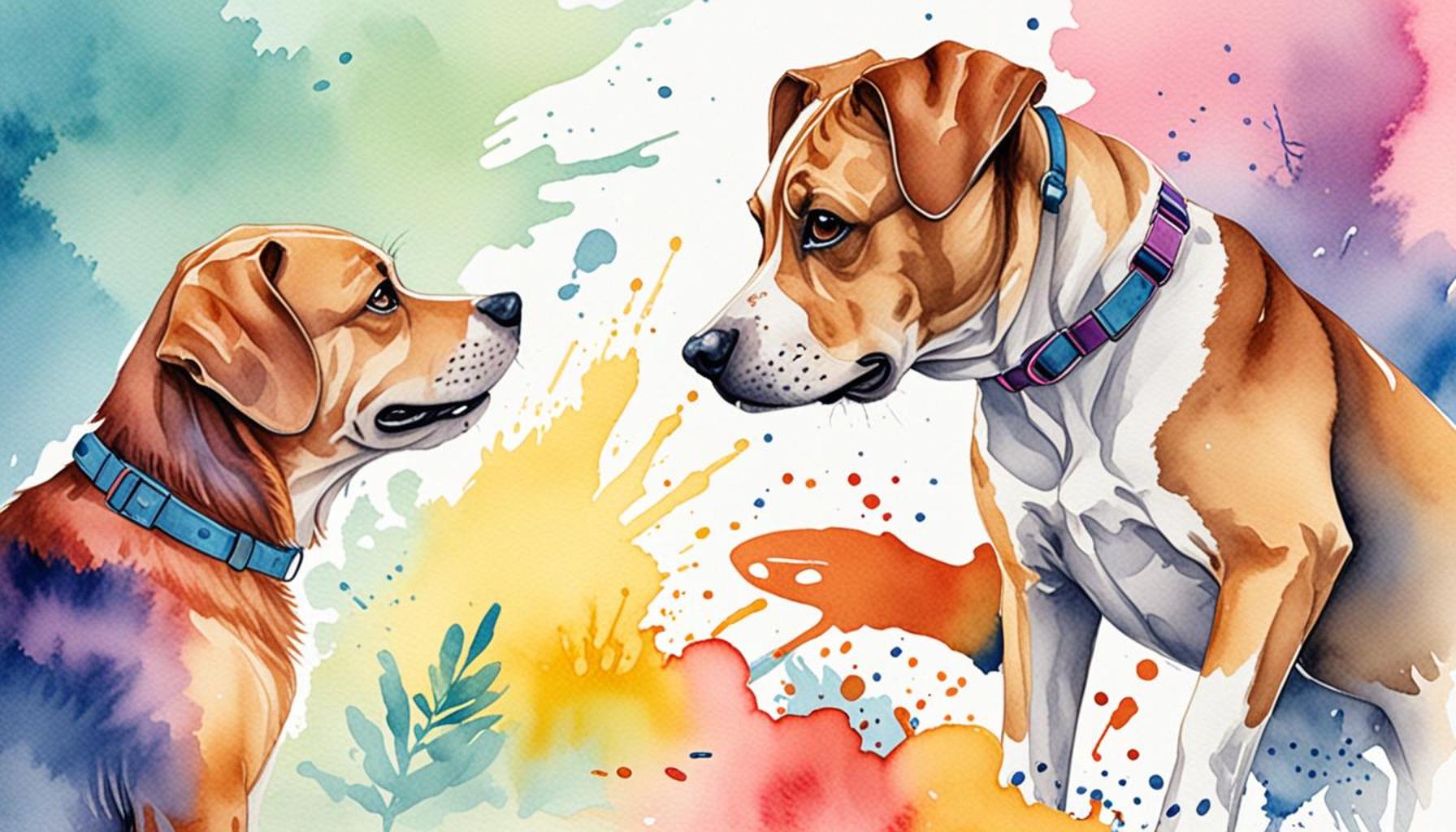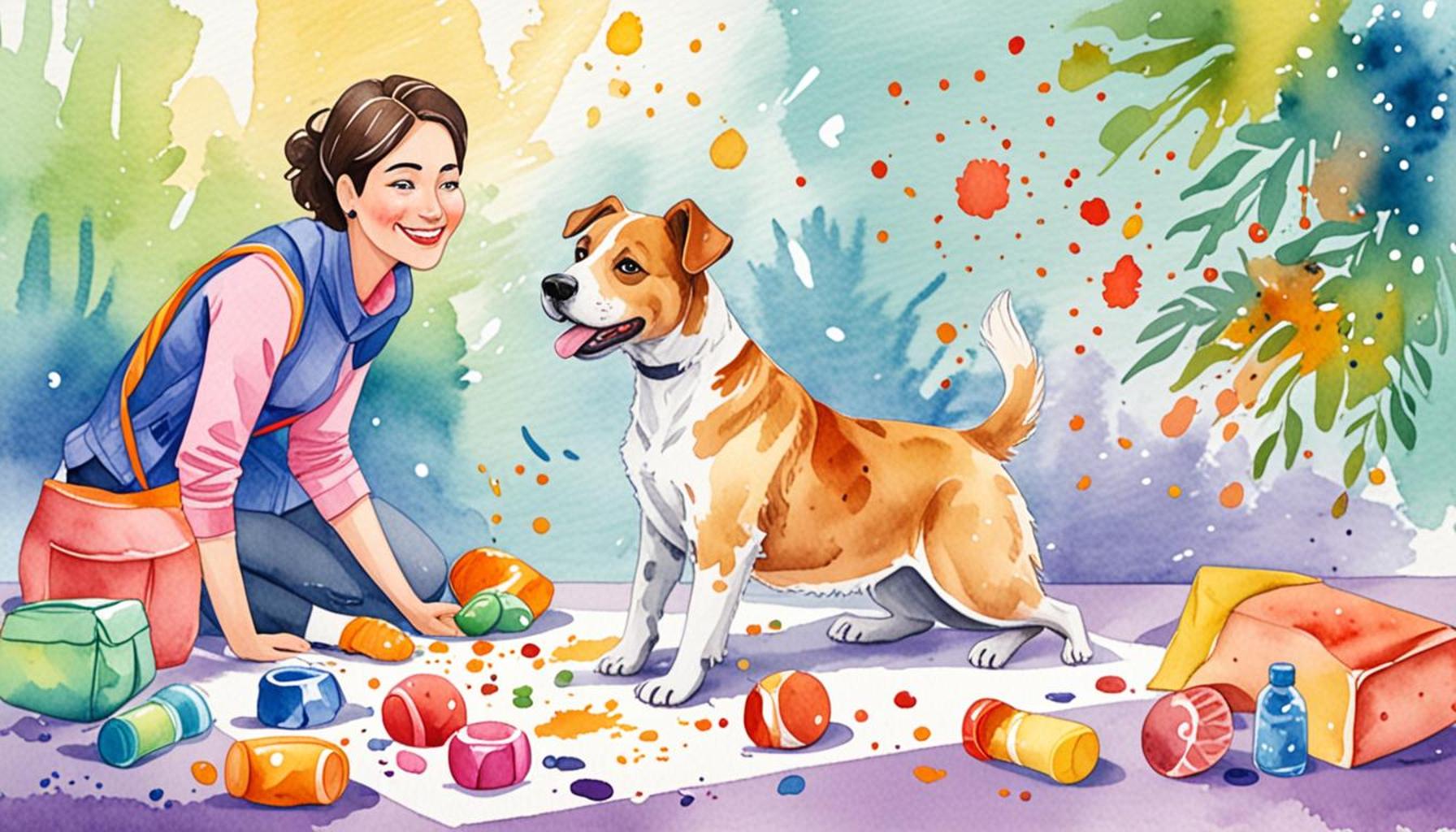
Utilizing Behavioral Cues to Enhance Communication Between Pets and Owners
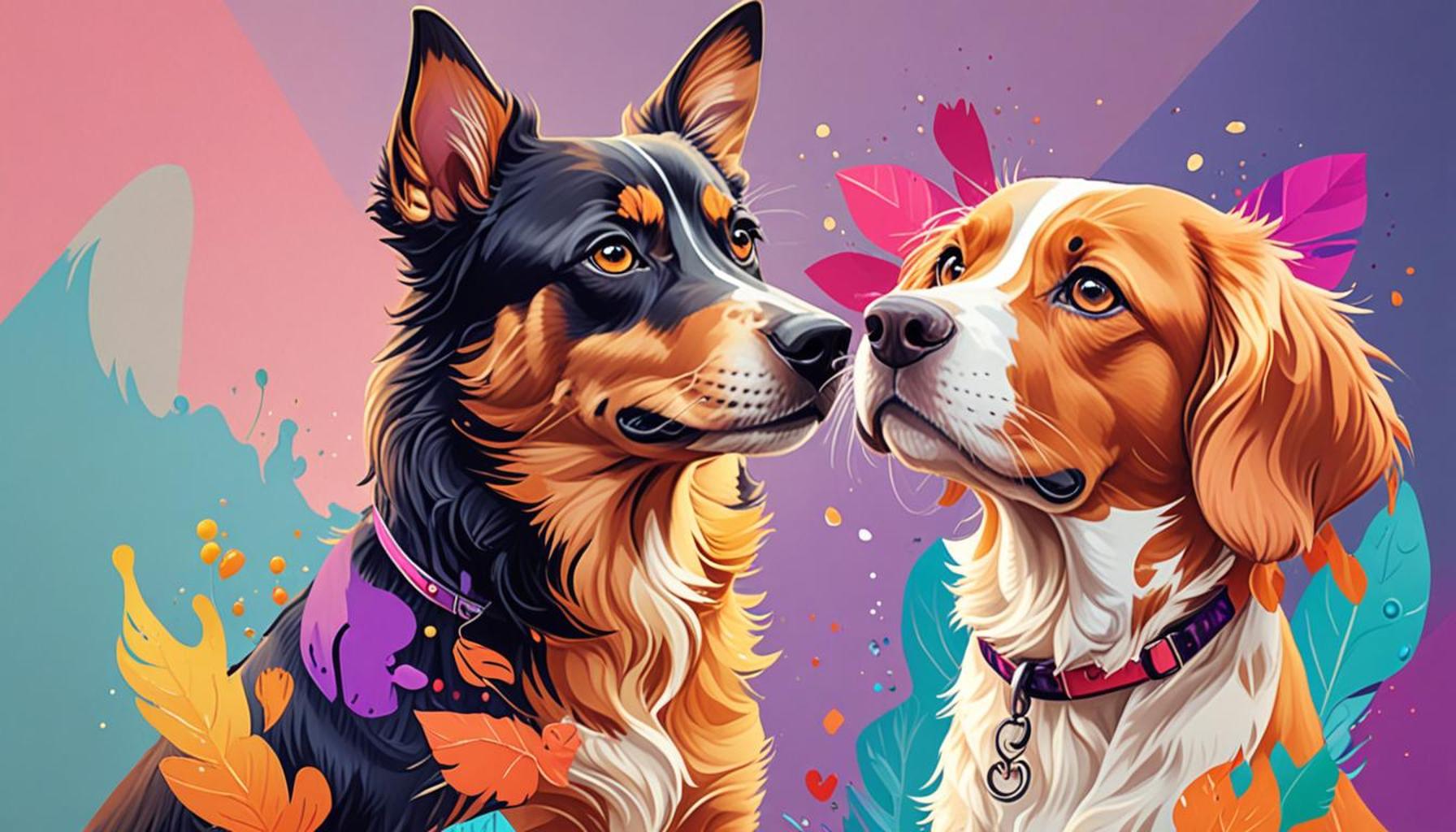
Bridging the Communication Gap
Effective communication between pets and their owners is often fraught with misunderstandings. Recognizing and utilizing behavioral cues can bridge this gap, enhancing the bond between humans and their furry companions. By decoding these signals, owners can respond more appropriately to their pets’ needs. This understanding not only enriches the relationship but also significantly contributes to the pet’s emotional health and overall quality of life.
Exploring Behavioral Cues
Behavioral cues encompass a wide array of actions and signals that pets exhibit in their daily interactions. Understanding these cues is essential to fostering harmony in the human-animal relationship. By paying close attention to these behaviors, owners can become more responsive to their pets’ emotional states. Here are some common behavioral cues to observe:
- Body Language: Pets often communicate with their bodies. For instance, a wagging tail in dogs generally signifies excitement or happiness, while a tucked tail can indicate fear or submission. Similarly, a cat who raises its back and puffs up its fur may be feeling threatened and is signaling for space. Observing the ear direction and overall posture can provide insights into their mood.
- Vocalizations: Different sounds convey different meanings. Dogs may bark to indicate a warning, enthusiasm, or even boredom, while a cat’s purr can signify contentment. Understanding the context in which these sounds occur can help owners interpret their pets’ feelings. For example, a dog growling while playing is often a sign of excitement, contrasting with a growl when feeling threatened.
- Facial Expressions: The face of a pet can reveal much about its emotional state. A dog that raises its eyebrows and opens its mouth may be happy, whereas a cat with dilated pupils could indicate surprise or fear. Even a dog’s relaxed eyes and slightly open mouth can suggest that they are comfortable and trusting.
Benefits of Enhanced Communication
Fostering better communication between pets and owners requires patience and keen observation, but the rewards are considerable. Not only does it reduce stress for both the pet and the owner, but it also fosters a positive environment conducive to learning. Some key benefits of improved communication include:
- Stronger Bond: As owners begin to understand their pets better, a deeper emotional connection develops. This profound bond can lead to a more fulfilling relationship, with both parties feeling more secure and understood.
- Health Monitoring: Pets often exhibit behavioral changes in response to health issues. By being attuned to these changes, owners can detect potential problems earlier, allowing for timely interventions. For instance, a sudden increase in aggression, withdrawal, or altered eating habits could indicate an underlying health concern that needs a veterinarian’s attention.
- Training Success: Improved communication leads to more effective obedience training. When pet owners recognize and respond to their pets’ cues accurately, training becomes a more collaborative and less frustrating experience. For example, a dog that understands when its owner is calm versus agitated will likely respond better to commands during those different emotional states.
Diving deeper into these behavioral signals can transform your relationship with your pet. Understanding these cues not only enhances everyday interactions but also enriches the shared experience of life with your beloved companion. The journey to improved communication is a rewarding process that fosters trust, safety, and deep companionship.
DISCOVER MORE: Click here to explore the latest trends
Decoding the Signals: Understanding Your Pet’s Language
To improve communication with our pets, it is essential to take the time to decode their signals. Pets, whether dogs, cats, or other animals, express themselves through a rich tapestry of behaviors that reflect their emotional and physical states. Understanding these behaviors equips owners with the tools needed to respond effectively, ensuring a smoother interaction and a more connected relationship.
Here are some of the primary behavioral cues that can enhance communication between pets and their owners:
- Tail Position: In the realm of canine communication, a dog’s tail is one of the most expressive parts of its body. A high, wagging tail often indicates a happy and excited dog, while a low or tucked tail suggests fear or submission. For cats, a tail held high can signify confidence and contentment, while a tail puffed out might indicate that they feel threatened.
- Ear Position: Ears are another key indicator of a pet’s emotional state. Dogs with perked-up ears are usually alert and interested, while flattened ears can suggest fear or aggression. In cats, ears that swivel or face forward indicate curiosity and engagement, whereas ears pinned back often signal defensiveness or irritation.
- Vocalizations: While many owners recognize that dogs bark and cats meow, the nuances of these sounds can tell much more. A dog’s bark can vary in tone, with a sharp, high-pitched bark often indicating excitement while a deep, throaty growl can signal territoriality or discomfort. Understanding your pet’s specific vocalizations can greatly enhance communication, allowing owners to respond to their needs more aptly.
- Physical Contact: Many pets express their feelings through physical touch. Dogs might lean into their owners as a sign of affection and trust, while cats often rub against their owners to mark them with their scent, signaling attachment and comfort. Recognizing these gestures can help owners reciprocate affection appropriately.
- Behavior Changes: Pets often show changes in behavior due to external stressors or health issues. For instance, a dog that suddenly becomes withdrawn or aggressive may be feeling unwell or anxious. Monitoring these changes enables owners to address potential concerns proactively, ensuring their pets receive appropriate care or comfort.
Understanding these behavioral cues is not just about improving communication; it’s about establishing a connection that fosters trust and security. By observing their actions and listening to the stories they tell through their behaviors, owners can create a nurturing environment that benefits both themselves and their pets.
Investing time in learning to decode these signals opens up a pathway to deeper understanding, paving the way for enhanced interactions and a more fulfilling companionship. The journey begins with curiosity and a genuine desire to know what your pet is trying to communicate. The more owners understand, the more rewarding the relationship with their pets can become.
In exploring the intricate world of communication between pets and their owners, it’s essential to delve into the myriad of behavioral cues that animals exhibit to convey their needs and feelings. Understanding these cues can significantly enhance the bond between pets and owners, leading to a more harmonious relationship.
For instance, a dog wagging its tail is often perceived as a sign of excitement or happiness; however, the speed and direction of the wag can indicate different emotions. Similarly, a cat may purr when content but can also vocalize to express distress or hunger. By recognizing these signals, owners can respond appropriately, ensuring their pets feel understood and nurtured.
Furthermore, implementing training programs that focus on positive reinforcement strengthens the communication channel. When pets successfully learn to associate specific behaviors with rewards, it not only improves their obedience but also enhances their overall behavioral repertoire. This fosters an environment where pets feel safe to express their emotions, thus enriching the pet-owner dynamic.
In addition to verbal communication, the integration of technology in monitoring behavioral patterns can provide insights that were previously unattainable. Wearable devices for pets are becoming increasingly popular, allowing owners to track their pets’ physical and emotional states in real time, thereby facilitating better understanding and care. This leap in pet-owner communication reflects the evolving nature of pet companionship in the modern world.
| Category 1 | Category 2 |
|---|---|
| Behavioral Cues | Essential signals pets use to communicate their feelings and needs. |
| Understanding Signals | Improves pet care and strengthens the bond between pets and owners. |
Investing time and effort into decoding these intriguing behavioral cues not only leads to a deeper understanding of our animal companions but also significantly improves their overall quality of life. Enhancing communication through awareness and education paves the way for a more rewarding pet ownership experience.
DIVE DEEPER: Click here to learn about the benefits of animal-assisted therapy
Building a Bridge: Techniques for Enhancing Interaction
Once pet owners have developed an understanding of the various behavioral cues that communicate their pet’s emotional states, the next step is to implement techniques that enhance interaction. Effective communication is a two-way street, requiring not only understanding but active participation in dialogue with our furry companions. Here are some strategies to cultivate a deeper bond through these cues:
- Consistent Cues: Just as pets learn our verbal commands, they can also learn to associate certain gestures with specific actions or feelings. A gentle hand signal can accompany the command “Sit,” reinforcing the message behind the word. Similarly, an affectionate stroke or a specific sound can convey comfort or praise, allowing pets to recognize when they have done something right.
- Mirroring Behavior: Animals are naturally inclined to mirror the behavior of those around them. By reflecting your pet’s relaxed demeanor when they are calm or excited when they display playful behavior, you create a positive feedback loop that reinforces the communication bond. This mirroring can also help calm anxious pets by providing them with a clear model of desired behavior.
- Play as Communication: Engaging in play not only serves as a great bonding activity but also offers insights into your pet’s social cues. Activities like tug-of-war or fetch encourage pets to express their desires and excitement through body language and behavior. By interpreting and responding to these cues during play, owners can finely tune their interactions to better align with their pets’ preferences.
- Routine Check-ins: Regular interaction increases familiarity and strengthens the bond between pets and owners. Establishing daily routines—whether it be during feeding times, walks, or quiet cuddle sessions—gives pets a sense of security and predictability. During these moments, owners should be attentive to behavioral cues still pertinent throughout the day, whether that’s a dog tugging at the leash or a cat placing itself on your lap.
- Training Sessions: Training is not only about obedience; it’s an essential opportunity for communication and understanding between pets and owners. Positive reinforcement training, where pets are rewarded for desired behaviors, encourages them to express themselves. This creates an interactive dialogue where pets can learn to associate certain behaviors with outcomes, fostering an environment of trust and collaboration.
Moreover, employing tools like behavior journals can be incredibly useful. By tracking their pet’s behaviors and noting specific cues and their reactions, owners can recognize patterns and adjust their interactions accordingly. This practice can unveil underlying needs or emotions, particularly in pets that may not easily express discomfort or anxiety.
Utilizing behavioral cues effectively doesn’t just include recognizing the signs, but also improving the delivery of responses. In the United States, numerous training programs emphasize respectful communication techniques through engaging, interactive storytelling methods. This can resonate well with family dynamics, offering techniques for young children to understand the appropriate way to interact with pets, promoting a compassionate and well-rounded approach from an early age.
The pathway to enhanced communication between pets and owners is paved with attention, empathy, and respectful interaction. By integrating strategies that align with pet behavioral cues, owners can unlock deeper connections, creating a fulfilling companionship built on understanding and mutual respect.
LEARN MORE: Click here for essential tips
Conclusion: Fostering Connection Through Understanding
In conclusion, utilizing behavioral cues to enhance communication between pets and owners is a transformative approach that deepens the bond between humans and their animal companions. By recognizing the subtle signals our pets send—whether through body language, vocalizations, or behaviors—owners can better comprehend their emotional needs and respond more effectively. This not only nourishes trust and affection but also significantly improves the overall well-being of pets.
As we cultivate an environment of understanding through consistent cues, playful interactions, and regular engagement, we pave the way for stronger companionships. Implementing strategies such as mirroring behavior and maintaining routine check-ins fosters security and connection, while training sessions offer invaluable opportunities for shared communication.
The journey of mastering these skills may require patience and observation, but the rewards are immeasurable. Therefore, pet owners are encouraged to keep a behavior journal to monitor their companion’s cues and adapt their approach accordingly. This practice can reveal hidden emotions, paving the way for a more profound understanding.
Ultimately, by embracing this two-way communication model, we honor the unique personalities of our pets and enrich our lives with their companionship. The quest for effective communication with our furry friends represents not just a responsibility but an opportunity to create a loving and responsive environment, nurturing a lifelong bond filled with joy and understanding. As we continue to explore and embrace this vital aspect of pet ownership, let us envision a future where every pet feels heard, respected, and truly home.