The Role of Shelters in Animal Adoption: How They Transform Lives

The Life-Changing Impact of Animal Shelters
Every year, millions of animals enter shelters across the United States, many facing uncertain futures. These shelters provide a critical lifeline, not only for pets in dire need, but also for families searching for companionship and love. Their impact reaches far beyond merely finding homes for animals; they significantly transform the lives of both the pets and the humans involved, creating a ripple effect that resonates throughout communities.
Consider the following ways shelters contribute to this profound transformation:
- Rescue and Rehabilitation: Shelters save countless animals from neglect, abuse, and abandonment. For instance, organizations like the ASPCA and local animal rescue groups work tirelessly to offer medical care, behavior training, and nurturing environments for these vulnerable animals. Many animals come in with physical ailments or behavioral issues caused by their previous experiences. Through dedicated rehabilitation efforts, shelters can help these animals regain their health and confidence, making them more adoptable and prepared for a loving home.
- Community Awareness: Shelters serve as educational hubs, informing the public about responsible pet ownership, the importance of spaying or neutering pets, and the growing issue of pet overpopulation. Educational programs aimed at schools and community groups can instill a sense of responsibility in future generations. Events such as “Pet Wellness Days” provide free or low-cost vaccinations, further promoting health and wellbeing for both pets and their owners.
- Therapeutic Relationships: The bonds formed between adopted pets and their new owners can have profound psychological benefits. For instance, studies have shown that pet ownership can reduce feelings of loneliness, anxiety, and even depression. Many families discover that their adopted animals not only fill a void but also provide unconditional love and support. Therapy animal programs often harness this bond, using trained rescue dogs or cats in hospitals, schools, and nursing homes to provide comfort and companionship to those in need.
Additionally, shelters frequently organize adoption events and community volunteer opportunities that foster deeper community engagement. Events like “Clear the Shelters” not only boost adoption rates by showcasing available pets but also encourage the community to come together in support of a common cause. These initiatives help promote the joy of adopting an animal rather than purchasing one—an idea that is particularly resonant given the ongoing challenges faced by many shelters.
As we explore the transformative roles shelters play in animal adoption, we uncover countless stories of lives changed through these vital organizations. From the sympathetic hearts of shelter workers to the joy of families welcoming new furry friends into their homes, the impact of these communities extends well beyond the walls of animal shelters. Join us on this journey to discover the profound effects of providing a forever home on both pets and their new owners, and learn how advocacy and awareness can pave the way for a brighter future for all beings involved.
DIVE DEEPER: Click here to discover the impact of animal adoption
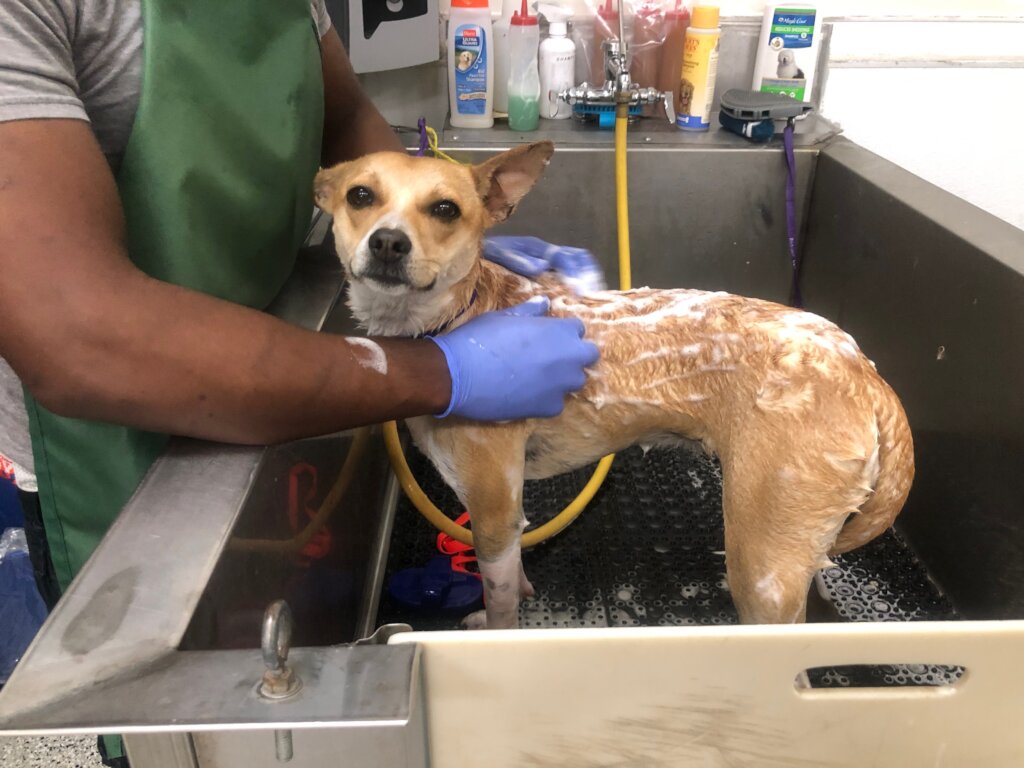
Rescue and Rehabilitation: The First Step Towards a New Life
At the core of the transformative powers of animal shelters is their commitment to rescue and rehabilitation. Each year, shelters receive animals from various backgrounds, many of whom have endured hardship and trauma. The critical first step is providing them with immediate care—a task taken on by compassionate veterinarians and dedicated shelter staff. These professionals work tirelessly to assess and address the physical and emotional needs of each animal that enters their facility.
Upon arrival, many animals require immediate medical attention. This might include vaccinations, spay or neuter surgeries, and treatment for injuries or illnesses. For example, shelters often partner with veterinary clinics for regular health check-ups, ensuring that all animals are healthy before moving on to their forever homes. The time spent in rehabilitation not only restores their physical health but is essential in rebuilding their trust in humans.
In addition to medical care, shelters frequently implement behavior training programs. Understanding the behavioral challenges animals might face—stemming from neglect or abuse—is key to improving their prospects for adoption. Many shelters invest in positive reinforcement training to enhance the animal’s social skills and adaptability. This approach not only prepares them for family life but also boosts the animals’ confidence, helping them to become the well-mannered companions many families seek.
- Emotional Healing: Rehabilitating these animals means also addressing their emotional scars. Shelters provide a safe haven where animals can recover from their traumatic pasts. Through patience and caring interactions, shelter workers help to alleviate anxiety and fear, allowing the animals to adjust gradually to human contact.
- Support for Potential Adopters: The journey of rehabilitation often extends to potential adopters as well. Many shelters offer orientation sessions where new owners can learn about the specific needs and behaviors of their adopted pets. This support is instrumental in helping families create a nurturing environment.
- Aftercare Programs: Some shelters also implement aftercare programs for adopters, offering resources and guidance post-adoption. These initiatives sustain the bond formed between pet and owner, ensuring that both parties have the tools necessary to succeed in this new relationship.
This foundation of rescue and rehabilitation not only prepares animals for adoption but also educates the public about the responsibility of pet ownership. By sharing success stories, shelters inspire community members to consider adopting rather than shopping for pets. The consequences of this awareness are significant; as more people understand the value of adopting a shelter animal, the stigma attached to rescue animals diminishes, creating a more compassionate society. Ultimately, the lives saved through these tireless efforts not only reflect the heart of animal shelters but also highlight the critical role they play in fostering hope and change through adoption.
| Advantage | Impact on Communities |
|---|---|
| Increased Awareness | Shelters educate the public about animal welfare, fostering a culture of responsible pet ownership. |
| Support for Local Families | Adoption programs often assist families by providing resources and advice, enhancing the long-term success of pet ownership. |
| Economic Stimulus | Shelters generate jobs and support local businesses through adoption events, bringing economic benefits to communities. |
| Volunteer Opportunities | Shelters provide a platform for community members to engage and support animal welfare initiatives through volunteerism. |
In the quest for effective animal adoption, shelters serve as pivotal institutions, impacting not only the lives of animals but also transforming the communities around them. By increasing awareness of animal welfare issues, shelters educate the public about the responsibilities of pet ownership. This education fosters a culture where future pet owners are more informed and engaged than ever. Furthermore, many shelters extend support to local families, providing valuable resources and strategic advice that can lead to successful, harmonious relationships between pets and their new owners.Moreover, shelters can act as economic stimuli, generating jobs and supporting local businesses through various outreach events. This link underscores the relationship between animal welfare and community health, revealing that every adoption can ripple out, strengthening local economies. Lastly, shelters thrive on community involvement, offering numerous volunteer opportunities that encourage individuals to contribute to the noble goal of enhancing animal lives.The result of these efforts is a stronger, more cohesive community, united by the shared goal of animal welfare. As such, the role of shelters extends well beyond mere adoption; it is about creating social change and awareness that benefits all.
LEARN MORE: Click here to find out what to expect during the adoption process
Community Impact: Building a Culture of Compassion
Beyond the immediate benefits of rescue and rehabilitation, animal shelters play a critical role in fostering a sense of community and compassion. They are not merely facilities for adopting pets; they are vital hubs that unite people around the shared goal of animal welfare. By organizing events such as adoption fairs, fundraisers, and educational workshops, shelters engage the local community and raise awareness about animal homelessness, encouraging public participation in solutions.
These community events serve multiple purposes. They not only promote the adoption of animals but also create opportunities for local residents to connect with one another. Through volunteering, community members bond over a mutual love for animals, establishing a network of support that often leads to lasting relationships. This camaraderie signifies a shift towards viewing animal sheltering as a communal responsibility rather than just a personal one.
- Educational Programs: Many shelters offer educational programs aimed at teaching responsible pet ownership and the importance of spaying and neutering pets. By hosting workshops and school visits, shelters strive to reach younger generations, instilling values of kindness and empathy that will shape the future of animal welfare. The more educated the community, the more likely they are to make informed decisions regarding pet adoption and care.
- Fostering Partnerships: Collaborating with local businesses, schools, and organizations strengthens the outreach potential of shelters. Local enterprises might sponsor adoption events, providing resources or offering discounts for newly adopted pets, while schools may organize field trips or service-learning projects that allow students to engage with animals firsthand. These partnerships not only expand shelter resources but also enhance community ties.
- Advocacy and Policy Change: Many shelters also strive to advocate for better animal welfare laws at the local and state levels. By engaging in legislative efforts, shelters aim to promote policies that address key issues such as animal cruelty, overpopulation, and responsible breeding practices. These advocacy efforts can lead to sustainable change that makes a real difference in the lives of both shelter animals and their future adopters.
The ripple effects of a strong shelter presence in the community are profound. A focus on adoption promotes a culture of compassion, where pets are not viewed as disposable commodities but beloved family members deserving of a second chance. This mindset shift is especially important in today’s society, where the disheartening reality is that millions of adoptable animals find themselves in shelters each year. The CDC estimates that approximately 3.3 million dogs and 3.2 million cats enter U.S. shelters annually, which underscores the urgent need for community involvement in adoption efforts.
Additionally, shelters help to dispel myths surrounding shelter animals, countering the misconception that they are damaged or untrainable. Success stories abound, demonstrating that animals rescued from difficult situations can thrive in loving homes. By sharing these narratives through social media and community outreach, shelters inspire potential adopters to consider the possibilities that a shelter animal can bring to their lives.
Ultimately, the role of animal shelters extends far beyond mere animal rescue; it encompasses the cultivation of a compassionate community. Through educational initiatives, partnerships, and advocacy, shelters create a movement that embraces every aspect of animal welfare, transforming not only the lives of animals but also the hearts of those who welcome them into their homes.
DISCOVER: Click here to learn more about effective techniques
Conclusion: The Lifeline of Change
In conclusion, animal shelters are indispensable pillars of society, serving not just as safe havens for homeless animals but as catalysts for transformative change. Through various initiatives—be it educational programs, community events, or advocacy efforts—these shelters significantly impact both the animals they care for and the communities they serve. By promoting responsible pet ownership and fostering a culture of empathy, they help break the cycle of abandonment and neglect.
The statistics are staggering: millions of animals enter shelters annually in the United States, echoing a pressing need for public engagement in animal welfare. The adoption process becomes a life-altering event, not just for the animals finding loving homes but also for the families welcoming them. These connections bridge gaps and dispel misconceptions about shelter animals, revealing their capacity for love and companionship.
Moreover, by encouraging community involvement and collaboration, shelters cultivate a spirit of compassion that resonates far beyond their doors. This sense of shared responsibility is essential in shifting societal attitudes towards animal ownership, underscoring that every adoption story contributes to a greater narrative of hope and renewal.
As we reflect on the role of shelters, we are reminded that every adopted pet is a testament to resilience and the healing power of love. It is imperative for us to support these invaluable institutions—not only through adoption, but also through volunteering, donations, and advocacy. Together, we can transform countless lives, both human and animal, creating a future where every pet is cherished and no life is deemed disposable.