The Role of Pets in Reducing Stress and Anxiety in Humans

The Positive Impact of Pets on Mental Health
In today’s fast-paced world, stress and anxiety have become common challenges for many individuals. Fortunately, our furry friends can play a significant role in alleviating these feelings. Numerous studies highlight the positive impact of pets on mental health, revealing a profound human-animal bond that helps forge emotional resilience and well-being.
Pathways to Peace
So, how exactly do pets contribute to a reduction in stress and anxiety? Here are some key factors that clarify this relationship:
- Companionship: Pets offer unwavering loyalty and companionship, which is particularly crucial for combating feelings of loneliness. For instance, individuals living alone or those experiencing social isolation often discover that a pet can provide a sense of connection and purpose.
- Physical Activity: Engaging with pets through regular walks, games of fetch, or playful antics can significantly increase one’s physical activity level. This is essential, as physical exercise is linked to the release of endorphins, often dubbed the body’s natural “feel-good” hormones. A study published in the *Journal of Clinical Psychology* even found that dog owners are more likely to meet their daily exercise requirements than non-owners.
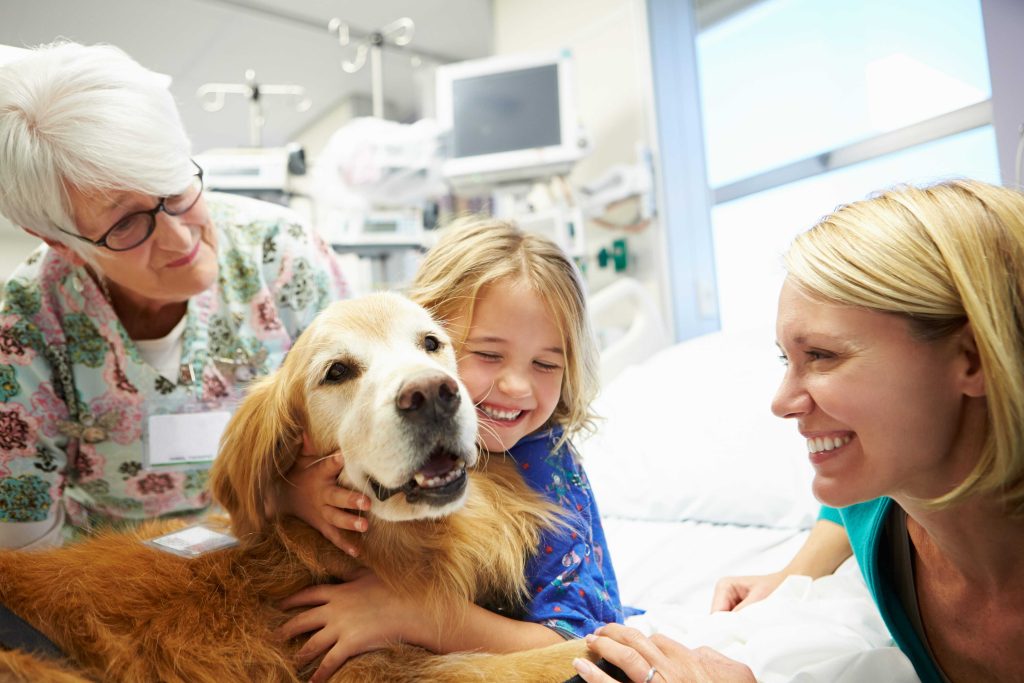
- Relaxation: The simple act of petting an animal can lead to lower blood pressure and promote relaxation. In therapeutic settings, the practice of animal-assisted therapy shows how patients experience reduced tension and anxiety when interacting with therapy animals, making this a valuable tool for mental health care.
Deepening our understanding of how pets affect mental well-being unveils surprising insights. Notably, the companionship of a pet not only brings joy but also instills a strong sense of purpose. For individuals going through challenging life transitions—such as bereavement, divorce, or chronic illness—pets can provide invaluable emotional support that fosters recovery and resilience.
Furthermore, these benefits are not just anecdotal; they are backed by scientific evidence. Research consistently shows that pet ownership correlates with lower instances of depression and anxiety. Additionally, pets can serve as a source of comfort, making them essential allies in navigating life’s ups and downs. Understanding these advantages paves the way for a happier, more balanced life filled with love and support.
DISCOVER MORE: Click here to learn about balanced nutrition
Understanding the Therapeutic Benefits of Pets
As we delve deeper into the interplay between pets and mental health, it becomes evident that the relationship extends beyond mere companionship. The presence of pets can serve as a vital component in managing stress and anxiety, acting as a catalyst for psychological healing. This phenomenon is particularly significant given the escalating levels of anxiety observed in both adults and children in today’s society.
The Neurochemical Effect of Pet Ownership
A crucial aspect of the stress-reducing abilities of pets lies in their impact on neurochemistry. When individuals interact with their pets, the body releases oxytocin, a hormone associated with bonding and affection. This release not only fosters a sense of happiness but also reduces levels of cortisol, the stress hormone. A study conducted by the *Human-Animal Bond Research Institute* indicated that pet owners who routinely engage with their animals experience significant drops in cortisol levels during stressful situations, enhancing their overall resilience.
Social Interaction and Emotional Support
Pets do more than just provide affection; they also act as social facilitators. Pet ownership encourages social interaction with others, whether it’s through visits to the dog park or casual conversations with fellow pet owners. This community engagement can ease feelings of isolation, creating a network of support that includes both pets and people. A survey conducted by the *American Psychological Association* revealed that over half of pet owners considered their pets to be more loyal than their closest friends, underscoring the profound emotional attachments formed.
Routine and Structure
Beyond companionship and chemical reactions, pets offer an essential sense of routine and structure. The responsibilities that come with pet ownership, such as feeding, grooming, and exercising, can instill a sense of purpose in individuals. This structured routine can be particularly beneficial for those battling mental health challenges. It often helps to combat feelings of aimlessness and reinforces the importance of self-care. The regularity offered by caring for a pet encourages individuals to maintain a daily routine that is vital for mental stability.
Exploring the Long-term Benefits
While the immediate effects of interacting with pets are notable, the long-term benefits can be equally impactful. Research indicates that consistent pet ownership can lead to lasting decreases in anxiety and depression levels. For instance, a study published in the *Journal of Clinical Psychology* showed that older adults who adopted pets reported enhanced feelings of happiness and fulfillment over time, suggesting that the benefits extend far beyond the momentary joy of companionship.
In summary, the various mechanisms through which pets can alleviate stress and anxiety underscore their significant role in mental health. From neurochemical benefits to social interactions and structured routines, the presence of a pet can create a multifaceted support system for individuals striving to cope with daily challenges. As we continue to explore this relationship, it becomes increasingly clear that pets are not just animals; they are invaluable companions in our journey toward emotional well-being.
The Role of Pets in Reducing Stress and Anxiety in Humans
The bond between humans and pets has long been recognized as a source of emotional support and companionship. Pets, particularly dogs and cats, offer an unconditional connection that often leads to significant reductions in stress and anxiety levels. This connection is not merely anecdotal; scientific studies have been conducted to examine the physiological benefits of pet ownership.For instance, research has shown that interacting with pets can lead to the release of oxytocin, known as the “love hormone.” This hormone induces feelings of affection and bonding, creating a soothing environment that can alleviate feelings of stress and anxiety. Moreover, the presence of a pet can help distract individuals from their worries, allowing them to engage in the moment rather than ruminating on stressors.Another critical aspect to consider is the impact of pets on physical health. Regular walks with dogs not only provide physical exercise but also promote social interactions within communities, further enhancing emotional well-being. As individuals engage with their pets outdoors, they may encounter fellow dog owners, fostering new friendships and a sense of belonging.Additionally, caring for a pet instills a sense of responsibility and routine, both of which can provide structure to an individual’s life. This routine can significantly help those suffering from anxiety, providing them with a sense of purpose and accomplishment. The simple act of feeding, grooming, and walking a pet can provide a tangible way to manage daily challenges, highlighting the profound role that pets play in enhancing mental health.The therapeutic benefits of pets have also extended into clinical settings, with therapy animals becoming integral to facilities like hospitals and mental health clinics. These animals provide comfort and companionship to patients facing emotional distress, facilitating healing in ways that traditional therapies may not. As this field of research continues to grow, the findings reinforce the vital role that pets can play not only as companions but as legitimate supporters of mental health. Each new study uncovers additional layers of benefits, encouraging pet ownership as a meaningful practice for those seeking to reduce stress and anxiety.
| Advantage | Description |
|---|---|
| Emotional Support | Pets offer unconditional companionship, helping to combat feelings of loneliness and anxiety. |
| Physical Activity | Regular walks with pets encourage exercise and social interaction, boosting mood and overall health. |
| Structured Routine | Caring for pets provides routine and responsibility, offering a sense of purpose that can ease anxiety. |
| Therapeutic Benefits | Animals in therapeutic settings aid in emotional healing and provide comfort during difficult times. |
This harmonious relationship with our furry companions is not only beneficial but can be essential in navigating the complexities of modern life, making the exploration of this dynamic a worthy pursuit for anyone interested in improving their mental health.
DIVE DEEPER: Click here to discover the importance of socialization in puppies</
The Unseen Impact of Pets on Mental Health
Beyond the immediate comforts that pets provide, their influence on our mental health reveals a more complex tapestry of emotional relief and stress management strategies. It is essential to explore how different types of pets specifically cater to the diverse needs of individuals experiencing stress and anxiety.
The Unique Benefits of Therapy Animals
While traditional pet ownership offers significant psychological benefits, animals trained specifically for therapeutic purposes have an even more pronounced effect on mental wellness. Therapy animals, including dogs and cats, are utilized in various settings—hospitals, schools, and mental health facilities—to help individuals navigate anxiety-provoking environments. A 2019 study from the *Human Animal Interaction Bulletin* found that participants in therapy animal programs exhibited lower anxiety scores and heightened emotional well-being compared to those without such support. The mere act of petting a therapy animal can slow the heart rate and lower blood pressure, creating a physiological response that promotes relaxation and comfort.
Accessibility and Pet Types
Not everyone can accommodate a large dog or a high-maintenance pet, but even small animals, such as hamsters, gerbils, or fish, can provide therapeutic benefits. For individuals living in smaller apartments or those with mobility issues, these low-maintenance pets offer an opportunity to experience the emotional support typically associated with more traditional pets. Additionally, research indicates that observing fish in an aquarium can reduce stress levels effectively, making them a viable option for anxiety relief. The interplay between pet type and accessibility reveals an important dimension of how pets can help reduce stress on an individual level.
The Power of Connection in All Ages
Pets impact not only adults but also children and teenagers grappling with stress and anxiety. According to a study conducted by the *University of California*, young children who grow up with pets demonstrate enhanced social skills and emotional intelligence compared to their non-pet-owning peers. This connection fosters empathy and compassion, qualities that help buffer against feelings of loneliness and fear. For adolescents, having a pet can offer a safe outlet for sharing feelings, reducing the risk of social anxiety and depression during a time when emotional turmoil is prevalent.
Educational Programs and Awareness
Increasingly, schools and community organizations are recognizing the importance of pets in mental health. Programs that incorporate pet therapy in educational settings have shown to enhance students’ emotional regulation and stress management skills. For example, initiatives like “Reading to Dogs” feature children reading aloud to therapy dogs. This not only serves to improve literacy skills but also creates a calming interaction that eases anxiety surrounding public speaking. Studies underscore the potential of these programs to contribute positively to mental health, offering insights into how structured pet interactions can serve as essential tools in education.
Overall, the conversation surrounding pets and their capacity to mitigate stress and anxiety is both relevant and expanding. Understanding the multifaceted benefits of various pets—from therapy animals to small companions—can reshape how we perceive and utilize animal companionship in mental health strategies. As a result, our relationships with pets emerge not merely as sources of affection but as integral components of our emotional landscape. The growing body of evidence surrounding pet ownership and mental health signals a shift towards a more inclusive appreciation of how animals support human well-being in diverse forms.
DISCOVER MORE: Click here to find your new best friend
Conclusion: Embracing the Healing Power of Pets
As we delve deeper into the role of pets in reducing stress and anxiety in humans, it becomes increasingly evident that their presence is more than mere companionship. The therapeutic benefits of pets, whether through traditional ownership or specialized therapy animals, highlight their potential to foster emotional resilience and psychological well-being. From the soothing effect of petting a dog in a hospital to the calming visuals of fish swimming in an aquarium, diverse pet interactions offer varied avenues for stress relief, appealing to individuals of all lifestyles.
Moreover, the evidence supports the notion that pets significantly influence the mental health landscape across all age groups. Children learning empathy through animal companionship and teenagers benefiting from an emotional outlet usher in the realization that pets cultivate social and emotional skills that last a lifetime. As educational institutions increasingly integrate pet therapy programs, the potential for nurturing healthier, more emotionally intelligent generations is palpable.
In a world where anxiety and stress are prevalent, the consideration of pet ownership as a fundamental aspect of mental health strategy is timely and necessary. Their role transcends being simply companions; pets are valuable allies in our quest for emotional balance and well-being. Ultimately, the growing body of research amplifying the bond between pets and mental health encourages us to embrace these relationships more fully. By doing so, we recognize that, in our pursuit of serenity, our furry, feathered, and scaly friends stand at the forefront of our journey toward emotional healing.