
The Role of Pets in Promoting Healthy Habits in Children
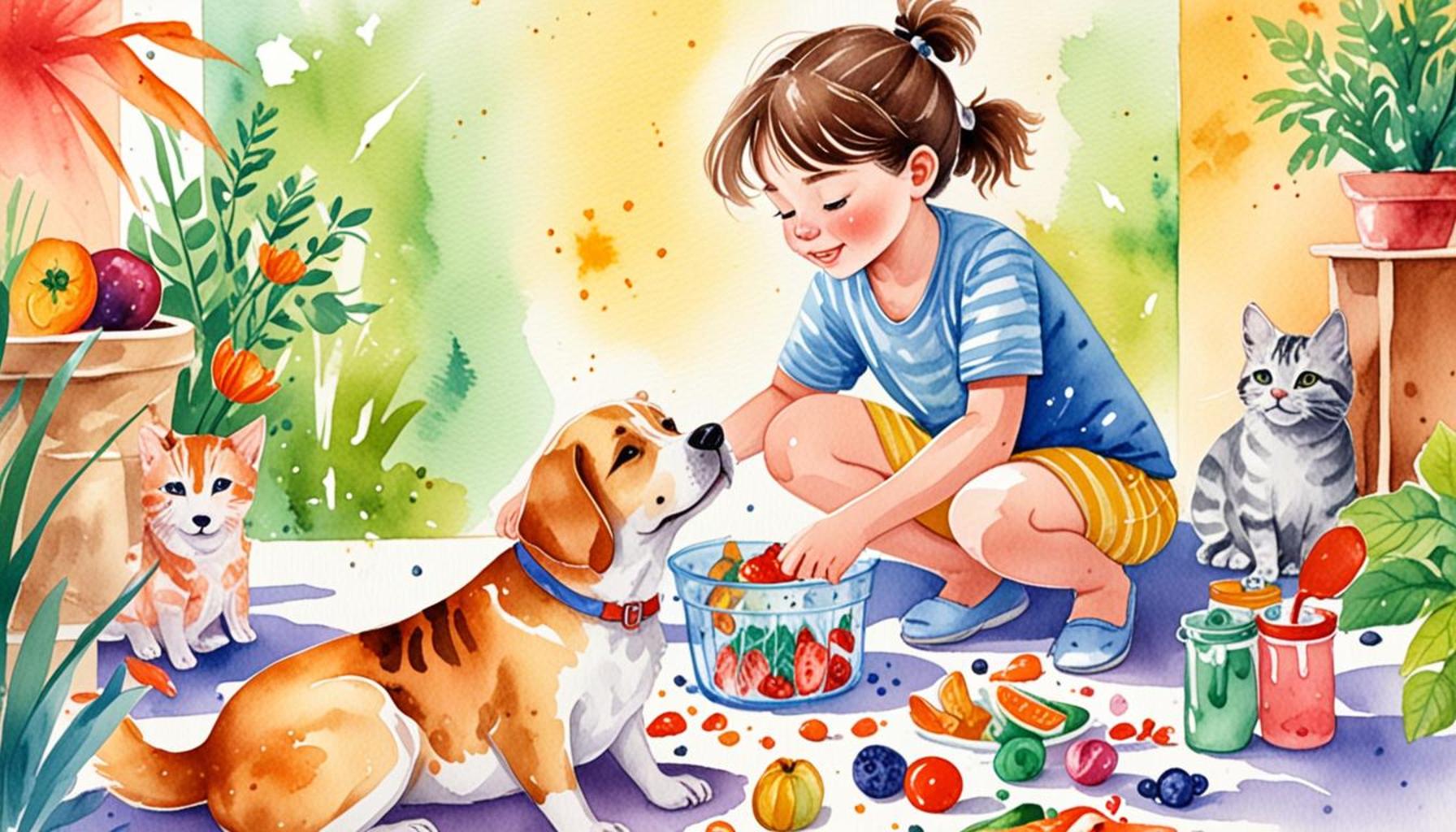
Exploring the Health Benefits of Pet Ownership for Children
Pet ownership profoundly influences the development of healthy habits in children. Research indicates that animals offer much more than mere companionship; they play an essential role in fostering physical, emotional, and social wellness among young individuals. Understanding how these furry companions contribute to a healthier lifestyle can illuminate the profound bond between kids and their pets.
- Encouraging Physical Activity: One of the most prominent advantages of having a pet, especially a dog, is the encouragement of physical activity. Regular walks, playful outings, and engaging activities like fetch push children to engage in exercise. Studies suggest that kids with dogs are four times more likely to meet the recommended 60 minutes of physical activity each day. For instance, a simple afternoon stroll around the neighborhood transforms into an enriching adventure filled with exploration and laughter, creating lasting memories while promoting fitness.
- Boosting Emotional Health: The calming effect of pets is well-documented, with interactions often leading to decreased feelings of anxiety and loneliness. Children can experience a deep emotional connection to their pets, leading to enhanced emotional regulation and resilience. Therapy animals are often used in various settings, showing how pets can provide critical emotional support. For example, children struggling with social skills or facing bullying can find solace in their pets, creating a safe space to navigate their emotions. The unconditional love that pets offer can be comforting during stressful moments, contributing to overall emotional stability.
- Teaching Responsibility: Owning a pet comes with a range of responsibilities, from feeding and grooming to regular vet visits. These tasks help cultivate a sense of accountability among children, reinforcing daily routines and teaching life skills. For instance, taking on the responsibility of caring for a pet can teach children about empathy and the importance of routine in maintaining the health of their furry companions. By establishing these habits early, kids learn valuable lessons about the needs of others and the commitment required in relationships.
In the United States, where over 60% of households boast a pet, the influence of animal companionship on children’s lives is significant and multifaceted. As parents explore different methods to enhance their children’s well-being, the inclusion of a pet can prove transformative. Numerous studies support the notion that pets are not just friends but also motivators that encourage both physical activity and social interactions.
Furthermore, pets can act as social facilitators, helping children forge friendships through mutual interests, such as attending dog parks or participating in community events. In essence, as we delve deeper into this fascinating relationship, it is evident that pet ownership can be a powerful catalyst for promoting healthier, happier lives for children across the nation. Whether a playful puppy or a gentle kitten, pets have the unique ability to enrich the lives of children, anchoring them to a healthier future.
DISCOVER MORE: Click here to learn about the benefits of animal-assisted therapy
Physical Activity: The Furry Fitness Trainer
One of the most tangible benefits of pet ownership in fostering healthy habits among children is the increased physical activity associated with caring for a pet. Research has consistently shown that children with pets, especially dogs, engage in significantly more daily exercise. In fact, kids who own dogs are estimated to be four times more likely to meet the optimal 60 minutes of physical activity required each day. This increase in activity occurs naturally through daily walks, runs, and play sessions, transforming routine tasks into energizing experiences.

Walking a dog not only provides an excellent form of cardiovascular exercise but also encourages children to venture outdoors, breathe fresh air, and explore their surroundings. Activities like playing fetch or taking part in agility training not only enhance physical fitness but also introduce games that stimulate mental engagement. This dual benefit of physical exertion and cognitive challenge promotes a well-rounded lifestyle for children.
Developing a Love for the Outdoors
Owning a pet can also foster a lifelong appreciation for nature and the outdoors. Children are more likely to explore parks, hiking trails, and other natural environments when accompanied by their pets. Such excursions not only boost physical health but also introduce children to the beauty and importance of the ecosystems around them. By interacting with nature in this way, children learn about exercise and the value of wildlife conservation in an organic and enjoyable manner.
Emotional Wellness: The Four-Legged Therapists
When it comes to emotional health, pets can serve as essential support systems for children. The bond between children and their pets often transcends mere companionship. Studies have demonstrated that interacting with animals can lead to reduced anxiety and feelings of loneliness. The mere presence of a pet can provide emotional comfort during stressful times, acting as a buffer against the challenges of childhood.
Furthermore, this deep emotional connection can help children develop essential skills in emotional regulation and resilience. Experiential support animals are increasingly used in therapeutic contexts, illustrating their potential to aid children dealing with social difficulties or emotional turmoil. For example, children facing bullying may find solace in the company of a caring pet, creating a safe space where they can freely navigate their feelings and experiences.
Cultivating Empathy and Compassion
Caring for a pet goes beyond physical involvement; it also nurtures emotional intelligence. Children learn the significance of empathy through their interactions with animals. Duties such as feeding, grooming, and providing for a pet’s needs instill a sense of responsibility, teaching children how to consider the feelings and requirements of another living being. These lessons in empathy and compassion are invaluable, fostering a nurturing approach that can carry over into interpersonal relationships throughout their lives.
As we delve deeper into understanding the benefits of having pets, it becomes clear that their presence in children’s lives is a key contributor to developing healthy habits, both physically and emotionally. From encouraging outdoor activity to nurturing emotional well-being, the influence of pets on children cannot be overstated. It is a powerful reminder of how much companionship can contribute to a healthier future.
| Advantage | Details |
|---|---|
| Physical Activity | Pets encourage children to be active through play, walks, and other physical activities. |
| Emotional Well-being | Having pets helps in reducing stress and anxiety, promoting a positive mindset among children. |
| Social Skills | Caring for pets teaches children responsibility and nurtures their social interactions. |
| Routine Establishment | Taking care of pets requires a daily routine, which can instill healthy habits in children. |
The bond between children and their pets forms a unique framework that can lead to a multitude of benefits that strongly promote healthy habits. Through regular interactions, pets instill a sense of responsibility in children, facilitating their understanding of routines and commitment. Furthermore, the physical activity fostered through play and walks not only improves the physical health of children but also enhances their overall emotional well-being. Studies have shown that children with pets typically showcase better emotional regulation due to the comforting presence of their furry companions. Additionally, pets can foster social skills as they serve as ice-breakers in various settings, allowing children to engage in conversation and form friendships. Engaging with pets also creates countless opportunities for learning, nurturing a child’s sense of empathy and care. These interactions emphasize the vital role pets play in not only enhancing the quality of life for children but also in promoting healthy lifelong habits that can positively influence their development.
DIVE DEEPER: Click here to discover more about the impact of pets on mental health
Social Skills: The Bonding Agents
Pets serve as not just companions but also facilitators of social interactions among children. The presence of a pet can provide a common ground for kids to bond, fostering conversations and friendships. In playgrounds, pet parks, or even during neighborhood strolls, children may engage with peers who share a love for animals, thus developing their socialization skills in a relaxed and natural setting. This type of interaction can be crucial in building self-esteem and social confidence, ultimately shaping well-adjusted individuals.
Moreover, pets often make it easier for children to express themselves. A study conducted by researchers from the University of Virginia found that children who play with pets show a greater range of emotional expression and have better social skills compared to those without pets. Interacting with animals serves as an icebreaker, especially for introverted children who may find it hard to connect with others. Through play and care routines, they cultivate verbal and nonverbal communication skills essential for positive interactions.
Enhancing Family Bonding
The role of pets in promoting healthy habits transcends the child’s personal development; they also contribute to family dynamics. Participating in pet care activities not only reinforces collaborative efforts among family members but also strengthens familial relationships. Tasks like walking the dog or grooming a cat become opportunities for shared experiences that bring family members closer together. Families that engage in pet-related activities report higher levels of cohesion and satisfaction, contributing positively to a supportive environment crucial for children’s emotional and social growth.
Furthermore, pets can serve as a bridge between generations. Grandparents can bond with grandchildren over pet care, creating a shared purpose that enhances intergenerational ties. The exchange of knowledge, stories, and experiences through pet care fosters appreciation and understanding among family members of all ages.
Teaching Responsibility: A Gentle Reminder
Another crucial aspect of pet ownership is the sense of responsibility it instills in children. Caring for an animal involves various duties, such as feeding, grooming, and providing companionship. This responsibility cultivates a routine that nurtures discipline and accountability. A 2017 study found that children who regularly participated in pet care started to exhibit more responsibility in other areas of their lives, including schoolwork and household chores. Pets act as motivators for children to take ownership of their actions, reinforcing the idea that their choices directly affect another living being.
Instilling such a sense of responsibility from a young age has long-term benefits. Children learn the importance of commitment, which can translate into their future relationships—both personal and professional. By recognizing the needs and moods of their pets, children can develop better decision-making skills, adaptability, and even leadership qualities.
Aiding in Transition Periods
Pets also provide comfort during significant life transitions such as moving to a new home, the arrival of a sibling, or the loss of a loved one. Their presence can offer stability and reassurance, aiding children in navigating the complexities of change. The emotional support that pets provide during these times can foster resilience, teaching children how to cope with life’s inevitable ups and downs.
In summary, the myriad benefits offered by pets extend far beyond companionship. From enhancing social skills and family bonding to nurturing responsibility and emotional resilience, pets play a pivotal role in promoting healthy habits in children. The attachment formed between children and their pets not only enriches their lives but also lays the foundation for their development into compassionate and responsible adults.
DISCOVER MORE: Click here to learn about the importance of behavioral training
Conclusion: The Transformative Power of Pets
The influence of pets in promoting healthy habits among children is profound and multifaceted. As we have explored, pets provide not only companionship but also serve as vital tools for developing social skills, responsibility, and emotional resilience. The interactions children have with their furry friends foster confidence, empathy, and better communication skills, all of which are crucial for effective socialization.
Moreover, pets enhance family bonding and help create a more cohesive family unit. Sharing pet care responsibilities brings family members closer, creating shared experiences that foster love and mutual respect. In the long run, these dynamics enrich children’s emotional well-being and contribute to their ability to form healthy relationships in the future.
The lifecycle of pet ownership teaches invaluable lessons, including commitment and accountability. As children participate in daily routines of caring for their pets, they learn that their actions can impact another living being, shaping their character and instilling a sense of duty. The effects of these lessons echo into other aspects of their lives, positively influencing their behavior within the household, academic settings, and friendships.
In times of change or stress, pets offer unwavering support, proving to be essential companions that help children navigate the complexities of life. This emotional support enhances their ability to adapt and cope, strengthening their resilience.
Ultimately, the bond between children and their pets is a gateway to developing a happier, healthier lifestyle. As we continue to understand these connections, it is crucial to recognize the significant role that pets play in nurturing not just children, but families and communities at large. Embracing pet ownership may very well be one of the simplest yet most profound strategies for fostering healthy habits in our children.