
The role of music in promoting emotional and mental well-being
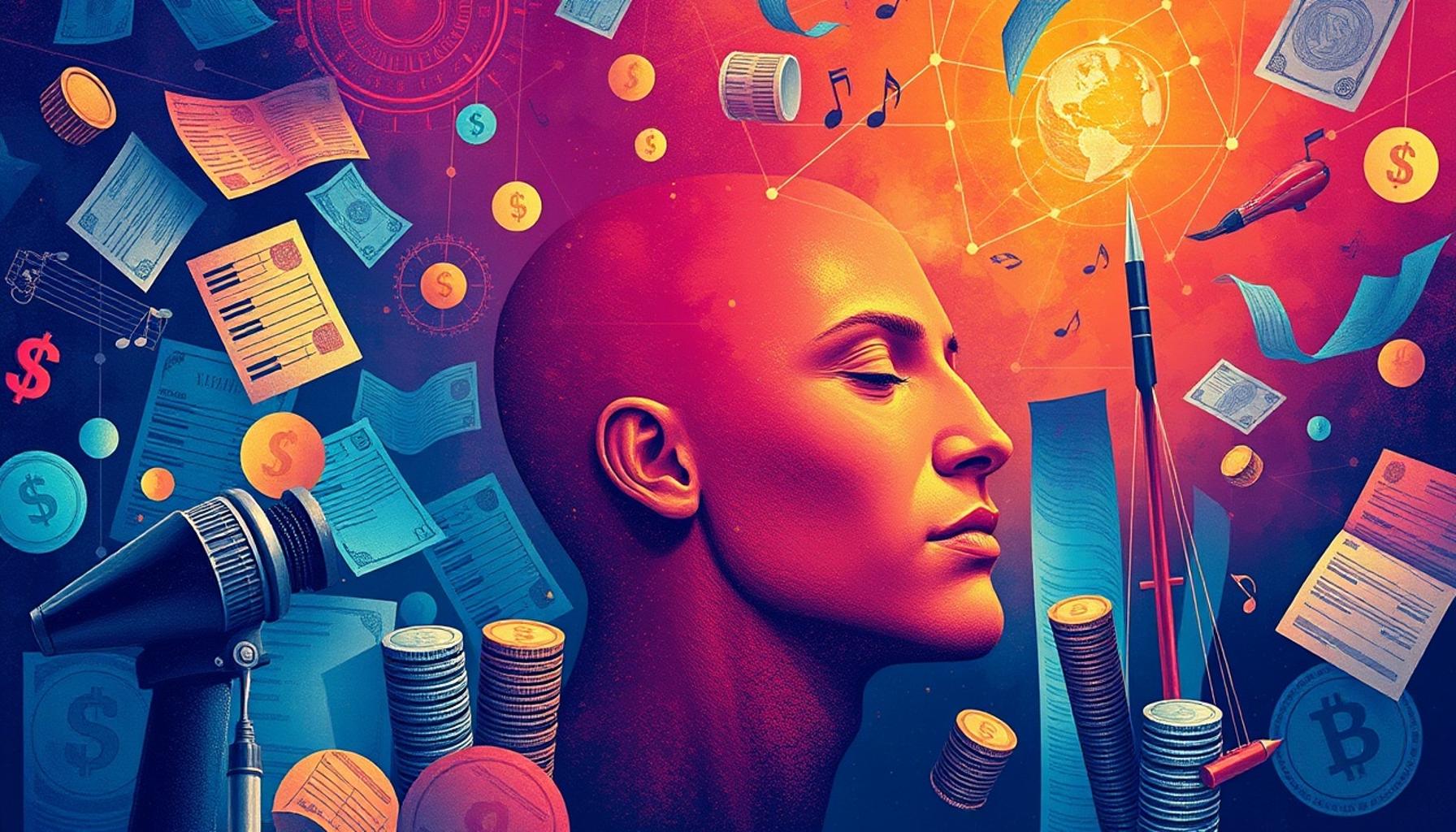
The Healing Power of Music
Music is a universal language that transcends barriers and connects us all. Its influence reaches far beyond mere entertainment; it plays a significant role in enhancing emotional and mental well-being. In a world marked by constant stress and anxiety, many are finding comfort and healing through the transformative power of music.
Research consistently suggests that music profoundly impacts our minds and emotions. Numerous studies have shown that not only does music entertain, but it also serves as a vital tool for mental health. Here are some significant ways in which it contributes to mental wellness:
- Stress Reduction: Listening to soothing music can significantly lower cortisol levels, the hormone associated with stress. For example, classical music, particularly compositions from composers like Mozart and Bach, has been shown to promote relaxation. In clinical settings, patients undergoing surgery often listen to calming tunes pre-operation to alleviate anxiety.
- Emotional Release: Music can evoke a powerful release of emotions. People frequently turn to music to articulate feelings that are hard to express verbally. Whether it’s crying over a sad ballad or finding joy in an upbeat anthem, songs can act as emotional mirrors. For instance, Adele’s melancholic hits have helped countless listeners cope with heartbreak, providing solace and understanding.
- Enhanced Mood: Upbeat tunes have the capacity to elevate serotonin levels, a neurotransmitter that enhances mood and happiness. Pop icons like Pharrell Williams, with his optimistic song “Happy,” can transform a bad day into a joyful experience, encouraging movement and positivity. This highlights how simple melodies can combat feelings of sadness or depression.
In the United States, initiatives such as music therapy are gaining recognition for their critical role in clinical settings. Certified music therapists use music interventions to address physical, emotional, and social needs of patients. This is particularly effective for individuals facing emotional challenges, such as those battling PTSD or chronic illness, as music encourages engagement and promotes healing. Programs in various hospitals and rehabilitation centers across the country highlight music’s therapeutic potential, exemplifying how inclusion of melody in treatment strategies can foster mental resilience.
Moreover, the accessibility of music through streaming platforms like Spotify and Apple Music underscores its capability as a straightforward yet powerful tool for self-care. With just a few clicks, individuals can curate playlists tailored to enhance mood or assist in relaxation, creating personalized soundtracks for their lives.
As we delve deeper into the intricate relationship between music and emotional health, it’s essential to acknowledge that your favorite songs may hold the key to improving your mental wellness. Whether through aiding relaxation, providing an emotional outlet, or enhancing mood, the profound influence of music deserves careful consideration and exploration.
How Music Influences Our Emotions
The profound connection between music and emotion is evident in how certain melodies can resonate within us, stirring feelings we might not even understand. Each note can convey complex emotions, making music an invaluable ally in promoting emotional and mental well-being. Understanding this relationship can unlock new avenues for managing everyday stressors and enhancing our overall mental state.
One intriguing aspect of music’s impact is its ability to foster social connections and a sense of belonging. Music often serves as a backdrop for social events, uniting people through shared experiences. Whether it’s a concert with friends, a community dance, or even a simple gathering where everyone sings along to their favorite tunes, music has the power to bridge diverse backgrounds. This socialization plays a critical role in emotional wellness, as it can alleviate feelings of loneliness and isolation that contribute to mental health issues.
Moreover, several studies highlight how music can serve as a mindfulness practice, encouraging presence and attentiveness. Engaging with music—whether by playing an instrument or just listening intently—creates an opportunity for individuals to focus their thoughts and feelings, an essential aspect of managing anxiety and depression. The process of active listening encourages individuals to immerse themselves in the moment, providing a break from the continuous stream of worries and stressors that often plague the mind.
- Music as a Form of Expression: For many, creating music serves as a vital outlet for expression. Songwriting, composing, or jamming allows individuals to articulate feelings that may be challenging to communicate otherwise. This process can be cathartic, creating a space for self-exploration and healing.
- Reminiscent Power: Songs often serve as markers of significant life events, invoking memories tied to specific emotions. Hearing a particular song can transport us back to moments of joy, nostalgia, or even creativity, serving as powerful reminders of our personal journeys and emotional experiences.
- Physical Benefits: The act of dancing to music can release endorphins, the body’s natural feel-good chemicals. When people engage physically with music, it promotes better health, exercise, and an improved sense of self, all contributing to better emotional well-being.
Furthermore, the accessibility of music in modern life cannot be understated. With platforms like YouTube, SoundCloud, and countless music streaming services, tailored playlists for various emotional needs are just a click away. This democratization of music ensures that everyone has the opportunity to engage with its benefits, whether through uplifting pop anthems or calming acoustic melodies to ease a stressful day.
To navigate the complex landscape of emotional struggles, we must continue to explore and understand how music can be a guiding force. While it may seem like a simple escape, the role of music in promoting emotional and mental well-being is profound, warranting deeper investigation and appreciation. Just as we rely on food for physical nourishment, music can equally serve as nourishment for the soul.
| Category | Details |
|---|---|
| Emotional Release | Music acts as a powerful catalyst for expressing a wide range of feelings, from joy to sorrow. It allows individuals to connect with their emotions deeply, providing a healthy outlet for stress and anxiety. |
| Cognitive Enhancement | Listening to music has been linked to improved cognitive functions, such as memory and attention span. Engaging with music can activate various areas of the brain, promoting mental acuity and focus. |
The integration of music therapy into mental health treatment programs continues to burgeon, reflecting a growing recognition of music’s therapeutic potentials. Studies have shown a notable decrease in symptoms of depression and anxiety when individuals engage in music-related activities. The act of playing an instrument or even just listening to a carefully curated playlist has proven to significantly improve emotional stability among participants.Moreover, music’s ability to foster community and connection plays a crucial role in mental well-being. Group activities centered around music, such as singing in a choir or participating in drumming circles, create a sense of belonging and support, enhancing social bonds and providing a network that can be invaluable during times of emotional distress. As people increasingly seek alternative methods for emotional and mental health support, the exploration of music as a treatment modality presents a promising path. The evidence accumulated thus far suggests that music is not merely an art form but a fundamental component in the toolkit for fostering personal growth and emotional healing.
The Therapeutic Potential of Music
As we delve deeper into the therapeutic potential of music, it becomes increasingly clear that its role transcends mere enjoyment or entertainment. Music therapy, an established practice recognized by professionals in the mental health field, harnesses the power of music to address various psychological and emotional challenges. In structured settings, certified music therapists utilize musical experiences to promote healing, reduced anxiety, and improved emotional regulation. Research has demonstrated that patients in music therapy often exhibit lower levels of distress and improved coping mechanisms compared to those who do not engage in such practices, underscoring music’s efficacy as a therapeutic tool.
A compelling example is found in the treatment of individuals with dementia. Music can unlock memories and emotions that otherwise remain dormant, frequently evoking recognition and enjoyment even when other modes of communication are ineffective. Studies, such as those conducted by the Alzheimer’s Association, highlight that familiar tunes or songs from a person’s past can spark moments of clarity and connection, providing solace to both patients and caregivers alike.
Additionally, music’s effectiveness as a non-verbal communication method creates profound avenues for emotional expression. For individuals struggling with conditions like autism, music can facilitate interaction and connection where traditional communication methods may fail. The harmonious rhythms and melodies serve as a medium that conveys emotions in a way that spoken language cannot, enhancing social skills and emotional recognition.
Scientific studies continue to reveal the neurobiological effects of music on the brain. For instance, researchers at the University of McGill found that listening to music triggers the release of dopamine, a neurotransmitter associated with pleasure and reward. This biological response plays a crucial role in fostering a positive mood and can be particularly beneficial for those suffering from depression. Furthermore, the physiological alterations induced by music—such as reduced heart rate and lowered levels of the stress hormone cortisol—indicate that engaging with music can help mitigate stress and induce relaxation.
- Education and Skill Development: Music not only aids emotional expression but also enhances cognitive abilities. Learning an instrument can sharpen memory, improve concentration, and develop patience, all contributing to improved mental well-being. Moreover, engaging in musical activities fosters discipline and boosts self-esteem, creating a sense of accomplishment.
- Cultural Reflection: Music often reflects cultural identities, offering individuals a sense of pride and belonging. Genres like African American blues or Celtic folk music carry histories of struggle and triumph, allowing listeners to relate and find comfort in shared experiences. This cultural connection can be a vital source of strength, especially in times of personal emotional distress.
- Community and Collective Healing: Community singing events, drum circles, and collaborative musical activities can serve as powerful healing modalities. These gatherings provide support and community cohesion, which are essential for fostering resilience among participants, particularly in communities facing shared hardships.
The landscape of music’s impact on emotional and mental well-being is ever-evolving. With the continued exploration of its benefits, music will undoubtedly hold a steadfast position in mental health interventions and personal resilience strategies. Understanding and harnessing its profound capabilities could usher in a transformative era for emotional health innovation.
Conclusion
In summary, the intricate relationship between music and emotional well-being is becoming increasingly evident. From its use in clinical settings for music therapy to its ability to foster community and cultural identity, music serves as a multifaceted tool for enhancing mental health. Through both scientific inquiry and anecdotal experience, we have witnessed how music can reduce stress, evoke memories, and facilitate emotional expression—making it an invaluable resource in mental health interventions.
Moreover, as we continue to explore the neurobiological underpinnings of music, we find compelling evidence that it can elicit significant physiological responses in the brain, triggering happiness and relaxation. The cognitive and emotional benefits derived from learning music extend beyond individual experiences, enriching social bonds and cultivating resilience within communities. Whether it’s singing in a choir, participating in drum circles, or simply enjoying a favorite playlist, the communal aspect of music enhances the human experience and contributes to collective healing.
As we advance into a future where mental health awareness is paramount, harnessing the positive effects of music should be a priority for healthcare providers, educators, and community leaders. Embracing music as a fundamental component of emotional and mental well-being could lead to innovative strategies in mental health treatment, educational practices, and community support. By recognizing the profound influence of music, we open the door to new possibilities for improved mental health outcomes for individuals and society as a whole.